
 EN
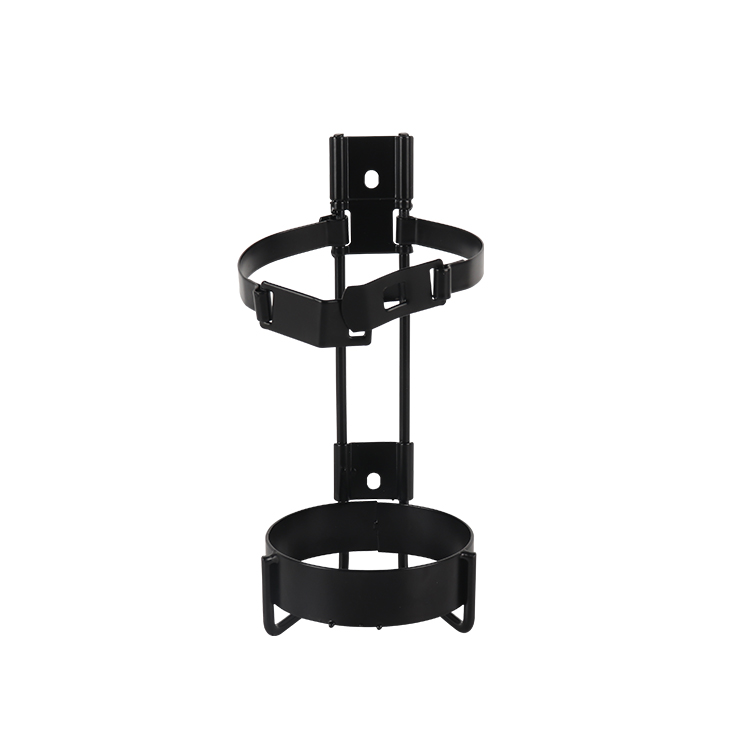
Firefighting accessories form the backbone of any effective fire suppression system. Whether deployed in industrial facilities, municipal fire departments, or emergency response vehicles, the right firefighting accessories determine both response time and operational efficiency. From couplings that connect hose segments to nozzles that control water delivery patterns, each component plays a critical role in firefighting operations. Understanding the types, specifications, and selection criteria for firefighting accessories ensures that your fire safety infrastructure meets performance standards and regulatory requirements.

Selecting quality firefighting accessories requires knowledge of material standards, compatibility specifications, and operational demands. Industrial firefighting operations depend on accessories that withstand high-pressure conditions, extreme temperatures, and rapid deployment scenarios. This guide explores the essential firefighting accessories you need, how they function within fire suppression systems, and the key factors that influence selection decisions for your facility or department.
Understanding Core Firefighting Accessories
The Role of Firefighting Accessories in System Performance
Firefighting accessories serve as the critical interface between water sources and delivery points. These firefighting accessories enable quick connections, precise flow control, and reliable system functionality during emergency situations. Without quality firefighting accessories, even high-capacity pumping systems fail to deliver water effectively to fire scenes. The reliability of firefighting accessories directly impacts firefighter safety, property protection outcomes, and overall emergency response effectiveness.
Material and Pressure Standards for Firefighting Accessories
Professional firefighting accessories must comply with industry standards such as NFPA and ISO specifications. Most firefighting accessories are manufactured from brass, aluminum, or stainless steel to resist corrosion and withstand pressures between 150 to 300 psi. The material selection for firefighting accessories depends on expected operating conditions, chemical exposure, and temperature ranges. Inferior firefighting accessories made from low-grade metals fail prematurely, creating safety hazards and increasing replacement costs for fire departments and industrial facilities.
Essential Types of Firefighting Accessories
Fire Hose Couplings and Connection Systems
Fire hose couplings represent among the most critical firefighting accessories in any system. These firefighting accessories connect individual hose segments into longer lines and join hoses to pumps, nozzles, and distribution equipment. National Standard Screw (NST) and Storz couplings dominate the firefighting accessories market, each offering distinct advantages. NST firefighting accessories feature threaded connections providing secure locks, while Storz firefighting accessories enable faster connections with bayonet-style designs. Selecting appropriate firefighting accessories requires matching coupling types to existing equipment and operational procedures.
Nozzles and Flow Control Accessories
Nozzles are specialized firefighting accessories that regulate water flow patterns and pressure delivery at fire scenes. Fog nozzles, straight stream nozzles, and combination firefighting accessories allow firefighters to adapt water discharge to specific fire types and building configurations. Quality firefighting accessories nozzles feature adjustable patterns, thermal protection, and ergonomic designs for extended handling during firefighting operations. The pressure rating of firefighting accessories nozzles must match system capacity to prevent backpressure damage and ensure consistent performance across different operational scenarios.
Fire Hose Reels and Storage Accessories
Reel Systems and Organizational Benefits
Fire hose reels represent essential firefighting accessories that organize, protect, and enable rapid deployment of hose systems. Wall-mounted fire hose reels, portable reels, and vehicle-mounted firefighting accessories simplify hose management and reduce setup time during emergency response. Durable firefighting accessories reels prevent hose deterioration caused by sun exposure, chemical damage, and improper coiling. Industrial facilities and commercial buildings increasingly rely on firefighting accessories reel systems to maintain compliance with fire code requirements while ensuring quick access during emergencies.
Protective and Support Firefighting Accessories
Beyond couplings and nozzles, complementary firefighting accessories include hose clamps, adapters, reducers, and shut-off valves. These firefighting accessories address specific operational challenges such as pressure regulation, directional flow control, and emergency line isolation. Quality firefighting accessories adapters ensure compatibility between different coupling types and equipment generations. Supporting firefighting accessories like pressure gauges and relief valves provide critical operational data and system protection during high-demand firefighting scenarios.
Selecting and Maintaining Firefighting Accessories
Selection Criteria for Quality Firefighting Accessories
Procurement decisions for firefighting accessories should prioritize regulatory compliance, material durability, and pressure specifications matching your system design. Evaluate firefighting accessories based on certification status, warranty coverage, and compatibility with existing equipment inventory. Consider maintenance requirements when selecting firefighting accessories, as some materials require regular inspection and specialized cleaning procedures. Industrial operations benefit from standardizing firefighting accessories selections to simplify training, maintenance scheduling, and spare parts inventory management.
Maintenance Protocols for Firefighting Accessories
Regular inspection and maintenance of firefighting accessories extends service life and ensures reliable performance during emergencies. Firefighting accessories should be inspected for cracks, corrosion, thread damage, and seal degradation following each deployment. Annual hydrostatic testing of firefighting accessories confirms pressure integrity and identifies components requiring replacement. Proper storage of firefighting accessories in protected environments minimizes weather exposure and chemical contamination that degrades performance and creates safety hazards for emergency responders.
FAQ
What pressure ratings should firefighting accessories withstand?
Professional firefighting accessories must handle pressures ranging from 150 to 300 psi depending on system type and application. Fire department operations typically require firefighting accessories rated for at least 250 psi to maintain safety margins during peak flow conditions. Industrial fire suppression systems may demand higher-pressure firefighting accessories specifications to support specialized nozzle patterns and extended delivery distances. Always verify firefighting accessories pressure ratings against your pump capacity and distribution requirements.
How often should firefighting accessories be inspected?
Firefighting accessories require visual inspection after each deployment and comprehensive testing annually. Regular inspection protocols for firefighting accessories identify corrosion, seal degradation, and thread damage before equipment failure occurs. Post-use inspection of firefighting accessories prevents contamination and ensures components are properly dried and stored. Professional fire departments often implement quarterly firefighting accessories maintenance schedules to supplement annual hydrostatic testing requirements.
Can different coupling types be used together on firefighting accessories?
Mixing NST and Storz coupling types requires specialized firefighting accessories adapters to ensure secure connections. While firefighting accessories adapters enable temporary compatibility, standardizing to one coupling type throughout your system simplifies operations and reduces failure risk. Most fire departments maintain firefighting accessories adapter kits for emergency situations but prefer standardized coupling systems to improve response efficiency and reduce training complexity.

