
 EN
EN
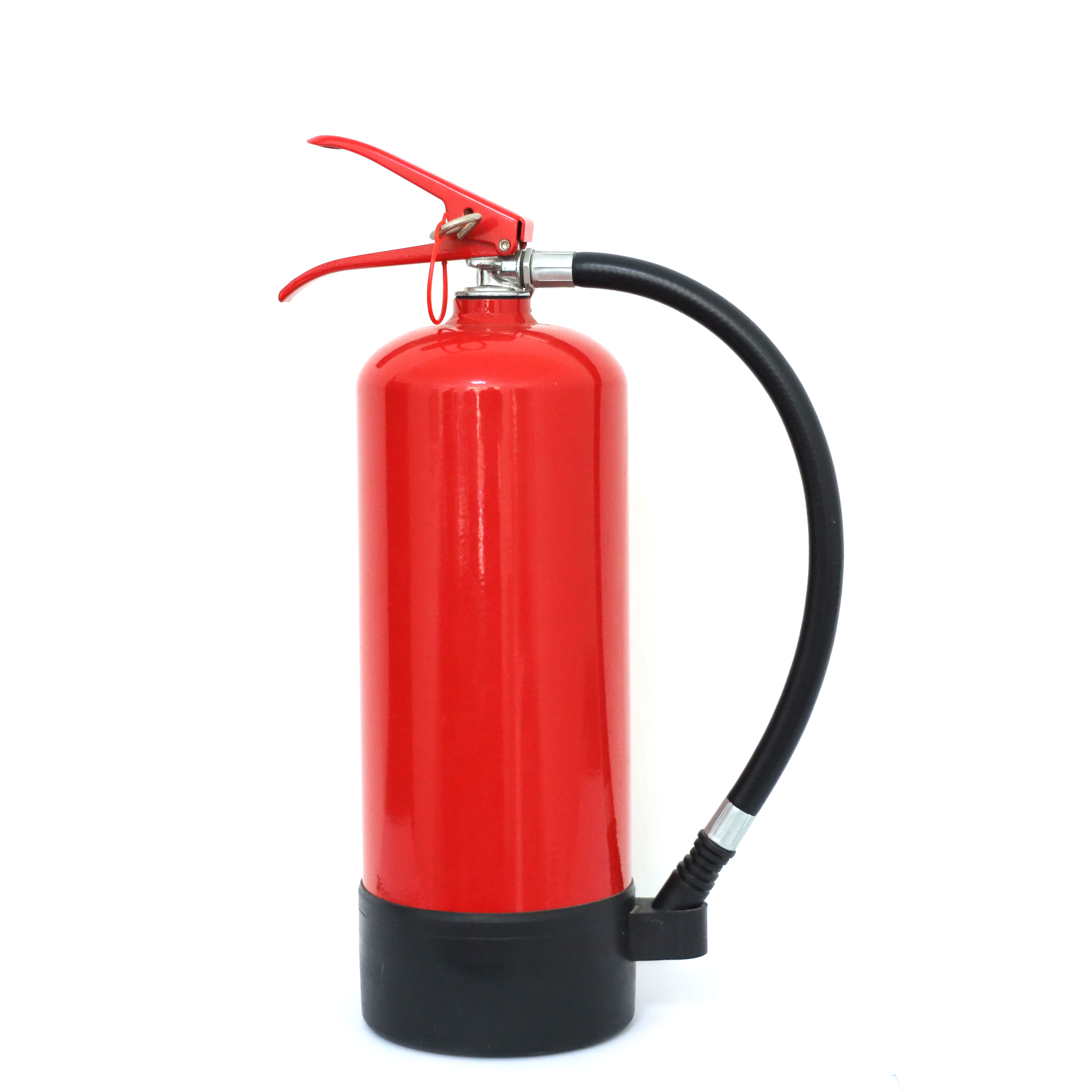
When a pressure gauge fails or shows erratic readings in critical systems like fire suppression equipment, industrial machinery, or HVAC installations, professionals must act quickly to restore measurement accuracy and ensure operational safety. A faulty pressure gauge not only compromises system monitoring but can also lead to catastrophic equipment failure, regulatory violations, or life-threatening situations in emergency systems. Understanding when and how to replace a broken pressure gauge requires technical knowledge, diagnostic skills, and adherence to industry standards that protect both personnel and assets.
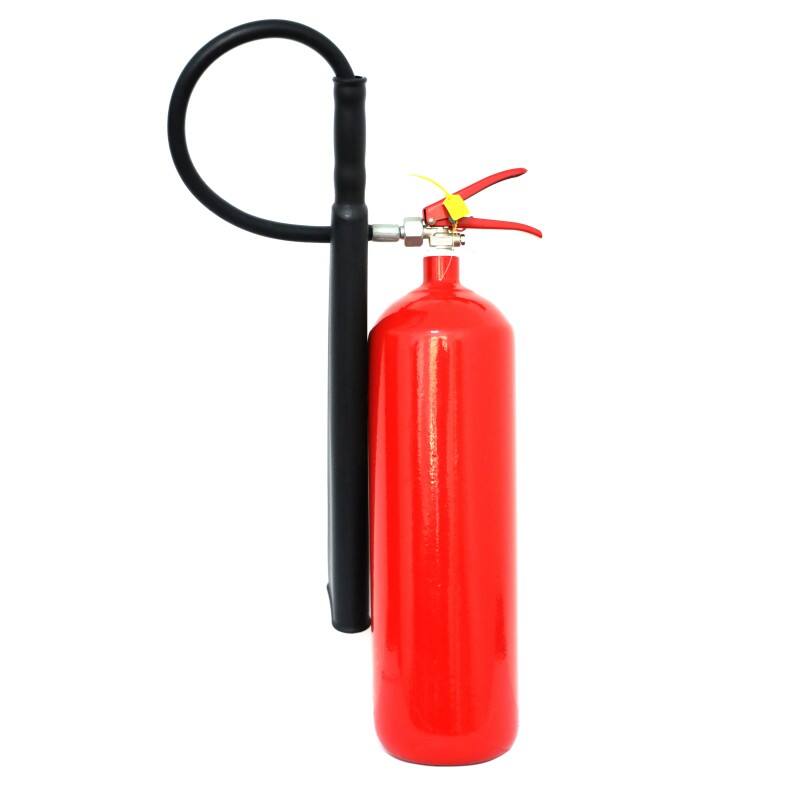
This comprehensive guide provides professional advice on recognizing pressure gauge failure symptoms, selecting appropriate replacement units, and executing installation procedures that maintain system integrity. Whether you manage fire protection systems, chemical processing facilities, or compressed gas operations, replacing a pressure gauge correctly prevents measurement errors, extends equipment lifespan, and ensures compliance with safety regulations. The following sections detail the technical considerations, procedural best practices, and quality control measures that distinguish professional-grade replacements from inadequate quick fixes.
Recognizing Critical Signs of Pressure Gauge Failure
Visual Inspection Indicators That Demand Immediate Replacement
Professional technicians first conduct thorough visual examinations to identify physical damage that compromises pressure gauge functionality. Cracked or fogged dial faces indicate seal failures allowing moisture ingress, which corrodes internal components and causes measurement drift. Bent pointer needles that touch the dial face or fail to return to zero position signal mechanical damage requiring immediate replacement rather than attempted repair. Leaking fluid around connection threads or gauge body seams reveals compromised pressure boundaries that pose safety hazards beyond mere measurement inaccuracy.
Dial discoloration patterns often indicate exposure to excessive temperatures or corrosive media that degrade measurement accuracy. Yellow or brown staining around the dial perimeter suggests internal corrosion from moisture or chemical vapors penetrating through failed seals. Case deformation or bulging indicates overpressure events that permanently damaged the Bourdon tube or diaphragm sensing element. When any of these visual indicators appear on a pressure gauge installation, professionals immediately schedule replacement rather than risking continued operation with unreliable pressure monitoring.
Performance Anomalies Requiring Gauge Replacement
Beyond visual damage, functional testing reveals performance degradation that necessitates pressure gauge replacement. Pointer oscillation or hunting behavior during steady-state operation indicates worn internal components or excessive system vibration that the gauge cannot adequately dampen. Slow needle response to pressure changes suggests restricted impulse lines, damaged sensing elements, or contaminated fill fluids in liquid-filled gauges. Zero shift where the pointer fails to return to the zero mark after pressure release signals permanent mechanical deformation or spring fatigue within the movement mechanism.
Accuracy verification using calibrated test equipment often reveals measurement errors exceeding manufacturer specifications or regulatory limits. When a pressure gauge displays readings deviating more than two percent from calibrated reference standards, replacement becomes necessary to maintain system control precision. Inconsistent readings across multiple measurement cycles indicate hysteresis problems where the gauge displays different values for the same actual pressure depending on whether pressure is increasing or decreasing. Professional installers document these performance failures to justify replacement decisions and maintain quality assurance records.
Safety and Compliance Triggers for Immediate Action
Certain pressure gauge applications involve life-safety systems where failure consequences extend beyond operational inefficiency to potential catastrophic outcomes. Fire suppression systems rely on accurate pressure monitoring to verify agent availability and system readiness for emergency activation. When a Pressure Gauge on a CO2 fire extinguisher or suppression system shows signs of failure, immediate replacement protects building occupants and valuable assets from fire hazards.
Regulatory inspections and insurance requirements mandate functional pressure monitoring equipment with current calibration certifications. When inspection authorities identify non-compliant or damaged gauges, facility operators face citations, operational restrictions, or insurance policy violations until proper replacements are installed. Industries handling hazardous materials face particularly stringent requirements where pressure gauge failures could contribute to release incidents with environmental and public safety implications. Professional technicians maintain replacement schedules that prevent compliance violations by proactively replacing gauges before inspection deadlines or certification expirations.
Selecting the Appropriate Replacement Pressure Gauge
Matching Technical Specifications to Application Requirements
Successful pressure gauge replacement begins with precisely matching technical specifications to the specific application environment and measurement requirements. Pressure range selection follows the fundamental rule that normal operating pressure should fall between thirty and seventy-five percent of the gauge maximum scale to ensure accuracy and longevity. Undersized gauges operating near maximum scale experience accelerated wear and reduced accuracy, while oversized gauges display operating pressures in compressed scale regions where reading precision suffers significantly.
Accuracy class selection depends on the criticality of pressure control within the monitored system. General industrial applications typically utilize Grade B gauges with accuracy within two percent of span, while precision processes require Grade A instruments offering one percent accuracy or better. Connection size and thread type must exactly match existing installation fittings to prevent leaks and ensure proper mechanical mounting. Common industrial connections include one-quarter inch, three-eighths inch, and one-half inch NPT threads, with metric installations using M10, M14, or M20 threaded connections that require specific replacement gauge specifications.
Environmental Factors Influencing Gauge Selection
Environmental conditions at the installation site dramatically affect pressure gauge performance and longevity, making material selection critical for successful replacements. Corrosive atmospheres containing chlorides, sulfides, or acidic vapors require stainless steel cases and wetted components rather than standard brass or carbon steel construction. Temperature extremes demand special consideration, with high-temperature applications requiring gauges rated for continuous operation above two hundred degrees Fahrenheit, while low-temperature installations need cold-weather specifications preventing brittle failure or dial fogging.
Vibration and pulsation environments necessitate liquid-filled pressure gauge designs where glycerin or silicone fluid dampens pointer oscillation and reduces mechanical wear on internal components. Applications experiencing pressure spikes or water hammer events require overpressure protection features such as restrictor screws or snubbers that limit instantaneous pressure transmission to the sensing element. Outdoor installations demand weather-resistant enclosures with appropriate ingress protection ratings preventing moisture and dust contamination. Professional replacement specifications account for all environmental factors to ensure the new pressure gauge provides reliable long-term service rather than premature failure repetition.
Digital Versus Analog Pressure Gauge Considerations
Modern replacement decisions increasingly involve choosing between traditional analog mechanical gauges and electronic digital alternatives offering enhanced features and connectivity. Digital pressure gauges provide superior accuracy, typically within point-five percent of reading across the entire measurement range, compared to analog gauges specified as percent of span. Electronic displays eliminate parallax reading errors and offer programmable engineering units, allowing operators to view measurements in psi, bar, kPa, or other preferred formats without conversion calculations.
However, digital pressure gauge replacements require electrical power sources and exhibit different failure modes than mechanical alternatives. Power supply availability and reliability become critical factors, with battery-powered units requiring periodic maintenance and hardwired installations needing compatible voltage sources. Electromagnetic interference in industrial environments may affect digital electronics, requiring proper shielding and grounding practices during installation. Analog mechanical gauges continue offering advantages in hazardous locations where intrinsic safety requirements limit electronic equipment, and in applications where visual indication without power dependency provides operational advantages during electrical failures or emergency conditions.
Professional Installation Procedures for Pressure Gauge Replacement
System Preparation and Safety Protocols
Professional pressure gauge replacement begins with comprehensive system preparation ensuring worker safety and preventing process contamination or pressure boundary compromises. Technicians first verify complete system depressurization using multiple independent methods including upstream valve closure, pressure relief, and confirmation that all gauges throughout the system show zero pressure readings. Lockout-tagout procedures prevent accidental system re-pressurization during replacement activities, with physical locks applied to isolation valves and energy control points clearly identified with warning tags.
Hazardous process systems require additional precautions before pressure gauge removal. Chemical process applications demand flushing procedures that purge toxic, corrosive, or flammable media from gauge connections and impulse lines before disconnection. High-temperature systems need adequate cooling periods allowing components to reach safe handling temperatures, with thermal imaging verification preventing burn injuries. Pressurized gas systems, particularly those containing asphyxiants or oxidizers, require atmospheric monitoring confirming safe oxygen levels and absence of hazardous gas accumulation before commencing work. Professional installers never bypass these safety protocols regardless of production pressures or schedule constraints.
Removal Techniques Preventing Connection Damage
Proper removal of the failed pressure gauge preserves thread integrity and connection surfaces essential for leak-free installation of the replacement unit. Technicians apply penetrating lubricants to corroded or seized connections allowing sufficient soak time before attempting removal torque. Correct wrench selection and application technique prevent damage, with wrenches applied to designated flats on the gauge connection hex rather than the gauge body itself which cannot withstand installation torques without case deformation or internal component damage.
Stubborn connections require measured escalation of removal techniques rather than excessive force that damages mounting threads or process equipment. Heat application using controlled temperature sources can break corrosion bonds, though technicians carefully verify that elevated temperatures will not damage downstream equipment, gaskets, or create fire hazards in flammable atmospheres. In severe cases where gauge connections remain seized despite proper removal attempts, professionals may need to replace the entire gauge port assembly to maintain pressure boundary integrity. Documentation of removal difficulties informs future maintenance planning and may indicate underlying corrosion issues requiring broader system attention.
Installation Best Practices Ensuring Leak-Free Performance
Installation of the replacement pressure gauge follows systematic procedures ensuring proper sealing, alignment, and mounting orientation for accurate long-term performance. Thread preparation includes cleaning residual sealant, corrosion products, and debris from mounting threads using wire brushes and solvent cleaning to provide clean mating surfaces. Appropriate thread sealant application varies by connection type, with tapered NPT threads requiring PTFE tape or pipe dope applied only to male threads in the direction of installation rotation to prevent contamination entering the pressure system.
Proper installation torque prevents both undertightening that causes leaks and overtightening that damages threads or distorts gauge connections affecting measurement accuracy. Professional installers use calibrated torque wrenches applying manufacturer-specified values, typically ranging from fifteen to thirty foot-pounds for common industrial gauge sizes. Gauge orientation during tightening ensures the dial face angles toward operator viewing positions while simultaneously achieving proper sealing torque, sometimes requiring adjustment of thread engagement depth or use of adapter fittings allowing rotational positioning. Final leak testing using appropriate detection methods confirms pressure boundary integrity before returning the system to service.
Post-Installation Verification and System Commissioning
Functional Testing and Accuracy Verification
Professional pressure gauge replacement concludes with comprehensive testing verifying that the new instrument provides accurate measurement and proper integration with the monitored system. Initial pressurization proceeds gradually, allowing technicians to monitor for leaks at connection points and verify smooth pointer movement without sticking or oscillation. Comparison testing against calibrated reference gauges or portable pressure calibrators confirms measurement accuracy across multiple pressure points spanning the operational range, documenting any deviations for quality assurance records.
Zero verification after full pressurization and subsequent depressurization confirms proper mechanical function and absence of permanent set or hysteresis issues. Technicians observe pointer return to the zero mark within specified tolerance limits, typically plus or minus one percent of scale for industrial applications. Digital pressure gauge installations require additional verification of display function, engineering unit selection, and any alarm or output signal functionality integrated with control systems. Professional installers never consider replacement complete without documented verification testing confirming the new gauge meets all performance requirements.
Documentation and Maintenance Record Updates
Comprehensive documentation practices distinguish professional installations from inadequate work lacking traceability and compliance verification. Replacement records capture essential information including the removed gauge identification, failure mode documentation, replacement gauge specifications, and installation date with technician identification. Photographs documenting the failed gauge condition and the completed installation provide visual records supporting warranty claims, insurance documentation, and future troubleshooting if similar failures occur.
Maintenance management systems require updates reflecting the pressure gauge replacement, including revised calibration schedules, new asset identification numbers, and warranty information for the installed equipment. Regulatory compliance documentation for systems governed by fire codes, pressure vessel regulations, or environmental permits must reflect gauge replacements with appropriate inspection records and compliance certifications. Professional organizations maintain these documentation standards as evidence of due diligence and quality workmanship supporting long-term client relationships and liability protection.
Calibration Scheduling and Preventive Maintenance Planning
Newly installed pressure gauge replacements require integration into ongoing calibration and preventive maintenance programs ensuring continued accuracy throughout their service life. Calibration intervals depend on application criticality, regulatory requirements, and manufacturer recommendations, typically ranging from six months for critical safety systems to annual verification for general industrial applications. Professional maintenance planners schedule initial calibration checks sooner than normal intervals, often at three months post-installation, to verify proper gauge break-in and identify any early failure indicators.
Preventive maintenance procedures extend pressure gauge service life by addressing common failure mechanisms before they cause measurement errors or safety hazards. Regular inspection protocols check for physical damage, connection leaks, dial legibility, and proper pointer movement. Liquid-filled gauges require periodic fill fluid level verification and refilling when evaporation or leakage reduces damping effectiveness. Impulse line maintenance including periodic flushing prevents process material buildup that restricts pressure transmission causing measurement lag or permanent gauge damage. These proactive practices maximize return on investment for replacement gauges while maintaining measurement system reliability.
Common Mistakes and Professional Solutions in Gauge Replacement
Specification Errors Leading to Premature Replacement Failure
Inexperienced technicians frequently select replacement pressure gauges based solely on pressure range and connection size, overlooking critical specifications that determine long-term performance and reliability. Accuracy class mismatches occur when replacing precision gauges with lower-grade alternatives that cannot provide required measurement resolution for process control applications. Materials compatibility failures develop when installing brass wetted component gauges in corrosive service where stainless steel construction is necessary, leading to rapid deterioration and repeated replacement cycles.
Temperature rating oversights cause premature gauge failures in applications where ambient or process temperatures exceed standard gauge specifications. Standard industrial gauges typically function reliably only within negative forty to one hundred sixty degrees Fahrenheit, with higher temperature applications requiring special high-temperature models or remote mounting with capillary connections. Professionals avoid these specification errors by thoroughly documenting original gauge specifications and application conditions before procurement, and by consulting manufacturer technical data confirming suitability for the specific operating environment.
Installation Technique Problems Causing Performance Issues
Improper installation techniques create problems ranging from immediate leaks to gradual accuracy degradation affecting long-term pressure gauge performance. Overtightening represents the most common installation error, where excessive torque distorts the gauge connection socket stressing internal components and potentially cracking Bourdon tubes or diaphragms. Thread damage from crossed threading or contaminated connections creates leak paths and unreliable pressure boundaries requiring reinstallation with new gauges and potentially repaired mounting ports.
Incorrect sealant application introduces process contamination and creates reliability problems. Excessive thread sealant pushed into the pressure system during installation can block impulse lines, contaminate process fluids, or interfere with valve operation in sensitive applications. Using incompatible sealant materials that deteriorate when exposed to process chemicals causes gradual seal degradation and eventual leakage. Professional installers follow manufacturer guidelines for sealant type, application amount, and installation torque specifications preventing these common technique-related failures.
Neglecting System Integration and Calibration Requirements
Replacement activities sometimes focus narrowly on physical gauge installation while overlooking broader system integration and calibration requirements essential for proper operation. Control system integration oversights occur when replacing gauges connected to monitoring systems, data loggers, or alarm circuits without verifying continued signal compatibility and proper alarming function. Documentation gaps leave maintenance personnel unaware of replacement activities, causing confusion during troubleshooting or regulatory inspections when records don't match installed equipment.
Calibration certificate assumptions create compliance risks when installers presume that new gauges arrive properly calibrated without verification testing or documentation confirming accuracy. While manufacturers typically provide initial calibration, transportation damage, storage conditions, or time elapsed since factory calibration may compromise accuracy before installation. Professional practice includes verification testing of new gauge accuracy against traceable standards before installation, or alternatively, scheduling immediate post-installation calibration ensuring documented compliance with accuracy requirements and establishing baseline performance for future reference.
FAQ
How often should pressure gauges be replaced in industrial applications?
Pressure gauge replacement schedules depend on application severity, environmental conditions, and regulatory requirements rather than fixed time intervals. Critical safety systems like fire suppression equipment typically require gauge replacement every five to seven years regardless of apparent condition, while general industrial applications may achieve ten to fifteen years of service with proper maintenance. Gauges exposed to vibration, temperature extremes, or corrosive environments need more frequent replacement, often every two to five years. Professional practice bases replacement decisions on documented calibration drift, visual condition assessments, and compliance requirements rather than arbitrary schedules, implementing condition-based replacement strategies that optimize reliability while controlling maintenance costs.
Can I replace a pressure gauge with a different pressure range than the original?
Replacing a pressure gauge with a different pressure range is technically possible but requires careful consideration of accuracy, safety, and operational implications. The replacement gauge maximum pressure rating must exceed system maximum operating pressure including transient spikes, with typical safety margins of twenty-five to fifty percent above normal operating values. However, significantly oversizing the gauge range compresses operating pressures into a small portion of the dial scale reducing reading precision and operator ability to detect subtle pressure changes. Undersized replacement gauges risk overpressure damage and safety hazards if system pressures exceed gauge ratings. Professional replacements maintain similar pressure ranges to original specifications unless documented operating condition changes justify range modifications, ensuring continued measurement accuracy and safe operation.
What are the main differences between replacing analog and digital pressure gauges?
Replacing analog mechanical pressure gauges with digital electronic alternatives involves several practical differences beyond simple measurement technology changes. Digital replacements require electrical power sources not needed by mechanical gauges, necessitating power supply installation or battery replacement provisions in the maintenance program. Electronic gauge installations must address electromagnetic compatibility and proper grounding to prevent interference and ensure reliable operation in electrically noisy industrial environments. Digital gauges offer advantages including superior accuracy, programmable features, and data logging capabilities but introduce different failure modes related to electronic component reliability and software issues. Conversely, replacing failed digital gauges with analog mechanical alternatives provides power-independent operation and intrinsic safety benefits in hazardous locations, though sacrificing the advanced features and connectivity of electronic instruments.
Do all pressure gauge replacements require professional calibration after installation?
Professional calibration requirements for pressure gauge replacements depend on application criticality, regulatory compliance obligations, and quality assurance standards governing the specific installation. Life-safety systems, custody transfer applications, and regulatory-compliance measurements typically mandate third-party calibration with traceable certification documenting accuracy before the replacement gauge enters service. Industrial process control applications may accept manufacturer calibration certificates if recent and properly documented, though best practice includes verification testing against known standards confirming accuracy after installation. Non-critical monitoring applications sometimes operate with manufacturer-supplied gauges without additional calibration, accepting factory accuracy specifications. Professional practice favors post-installation calibration verification for all but the least critical applications, establishing documented baseline accuracy and ensuring measurement reliability from the moment the replacement gauge enters service.
Table of Contents
- Recognizing Critical Signs of Pressure Gauge Failure
- Selecting the Appropriate Replacement Pressure Gauge
- Professional Installation Procedures for Pressure Gauge Replacement
- Post-Installation Verification and System Commissioning
- Common Mistakes and Professional Solutions in Gauge Replacement
-
FAQ
- How often should pressure gauges be replaced in industrial applications?
- Can I replace a pressure gauge with a different pressure range than the original?
- What are the main differences between replacing analog and digital pressure gauges?
- Do all pressure gauge replacements require professional calibration after installation?

