 EN
EN
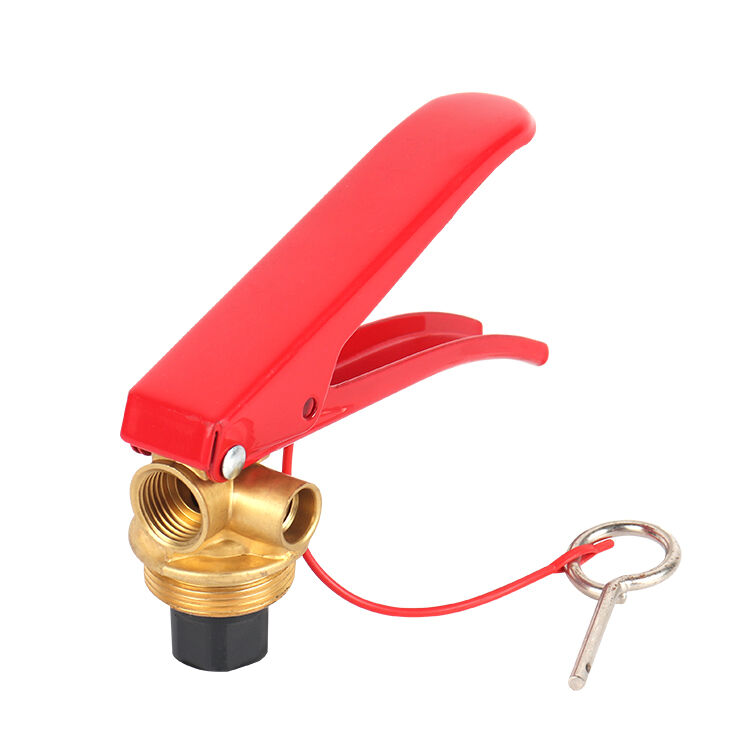
किसी भी सुविधा में अग्नि सुरक्षा उपकरणों की प्रभावशीलता को बनाए रखने के लिए ड्राई पाउडर अग्निशामक को पुनः आवेशित करने और भरने की उचित प्रक्रियाओं को समझना आवश्यक है। शुष्क चूर्ण अग्निशामक डिस्चार्ज के बाद या नियमित रखरखाव के बाद, इन आवश्यक अग्नि शमन उपकरणों को उनकी संचालन क्षमता को पुनः प्राप्त करने और आपातकालीन स्थितियों में सुरक्षा मानकों को पूरा करने के लिए विशिष्ट चरणों की आवश्यकता होती है।
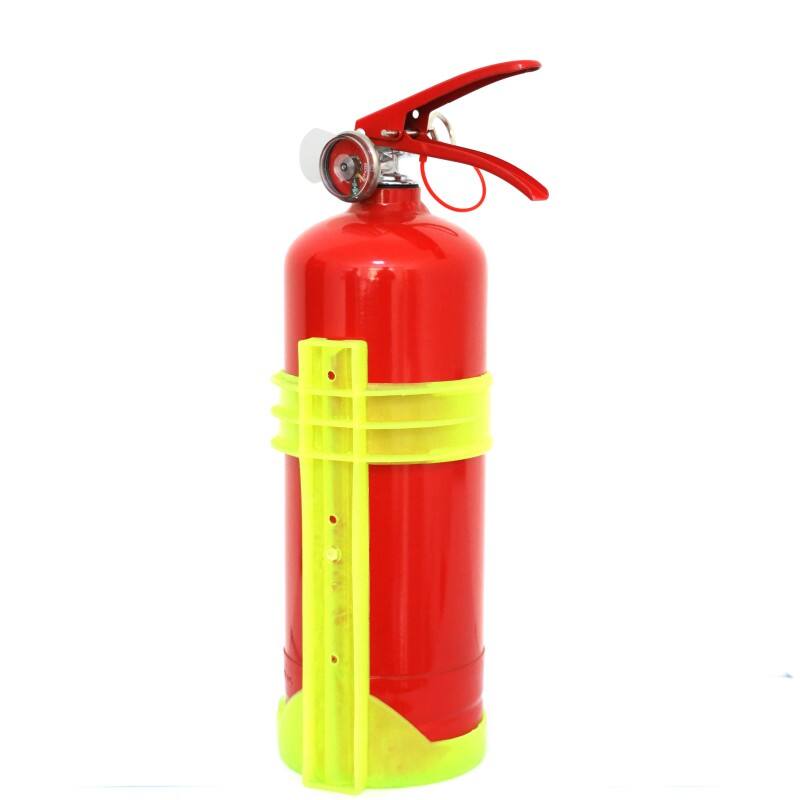
पुनः आवेशन प्रक्रिया में दबाव परीक्षण, पाउडर के संघटन की पुष्टि और घटकों का निरीक्षण जैसे कई तकनीकी विचार शामिल होते हैं, जो सीधे आपके ड्राई पाउडर अग्निशामक की विश्वसनीयता को प्रभावित करते हैं। पेशेवर रखरखाव प्रोटोकॉल सुनिश्चित करते हैं कि ये उपकरण जब अधिकतम आवश्यकता होती है, तब सही ढंग से कार्य करें, जिससे सुविधा प्रबंधकों और सुरक्षा पेशेवरों के लिए उचित भरण ज्ञान अत्यंत महत्वपूर्ण हो जाता है।
ड्राई पाउडर अग्निशामक को भरने के लिए आवश्यक घटक और सामग्री
शुष्क रासायनिक एजेंट को समझना
शुष्क चूर्ण अग्निशामक की प्रभावशीलता इसके शमन एजेंट की रासायनिक संरचना पर पूर्णतः निर्भर करती है। अधिकांश इकाइयों में मोनो-अमोनियम फॉस्फेट, सोडियम बाइकार्बोनेट या पोटैशियम बाइकार्बोनेट का चूर्ण होता है, जिनमें से प्रत्येक को विशिष्ट अग्नि वर्गों के लिए डिज़ाइन किया गया है। चूर्ण को कण आकार, आर्द्रता सामग्री और रासायनिक शुद्धता के संबंध में सटीक विनिर्देशों को पूरा करना आवश्यक है, ताकि इसकी अग्नि शमन क्षमता अपने अनुकूलतम स्तर पर बनी रहे।
गुणवत्तापूर्ण शुष्क चूर्ण एजेंटों का कठोर परीक्षण किया जाता है ताकि सुनिश्चित किया जा सके कि वे दाब के अधीन सही ढंग से प्रवाहित हों और प्रभावी अग्नि शमन अवरोध उत्पन्न करें। चूर्ण की संरचना सीधे निर्वहन पैटर्न, आवरण क्षेत्र और विभिन्न प्रकार की आगों पर शमन प्रभावशीलता को प्रभावित करती है। पेशेवर पुनर्भरण सेवाएँ स्थापना से पूर्व चूर्ण के विनिर्देशों की पुष्टि करती हैं ताकि प्रदर्शन मानकों की गारंटी दी जा सके।
भंडारण की स्थितियाँ रखरखाव चक्रों के बीच पाउडर की गुणवत्ता को काफी प्रभावित करती हैं। नमी अवशोषण, दूषण और रासायनिक विघटन शमन प्रभावकारिता को समाप्त कर सकते हैं, जिससे पुनर्भरण प्रक्रिया के दौरान उचित पाउडर चयन और हैंडलिंग आवश्यक हो जाती है। प्रत्येक शुष्क चूर्ण अग्निशामक के लिए इसके डिज़ाइन विनिर्देशों के अनुरूप विशिष्ट पाउडर प्रकारों की आवश्यकता होती है।
दाब प्रणाली की आवश्यकताएँ
उचित दाब निर्माण सुनिश्चित करता है कि शुष्क पाउडर अग्निशामक आपातकाल के दौरान सक्रिय होने पर विश्वसनीय निर्वहन प्रदर्शन प्रदान करे। दाब पात्र को निर्माता के विनिर्देशों और सुरक्षा विनियमों द्वारा निर्धारित विशिष्ट PSI स्तरों को बनाए रखना आवश्यक है। नाइट्रोजन गैस आमतौर पर स्वच्छ, शुष्क दाब निर्माण प्रदान करती है, जो सिलेंडर के भीतर संक्षारण और नमी दूषण को रोकती है।
दबाव परीक्षण प्रक्रियाएँ सिलेंडर की अखंडता की पुष्टि करती हैं, जो रीफिलिंग कार्यों के आरंभ होने से पहले की जाती हैं। पेशेवर तकनीशियन जल-स्थैतिक परीक्षण का संचालन करते हैं ताकि संभावित कमजोरियों, दरारों या धातु के थकान का पता लगाया जा सके, जो संचालन के दौरान सुरक्षा को समाप्त कर सकते हैं। ये परीक्षण यह सुनिश्चित करते हैं कि शुष्क चूर्ण अग्निशामक विनियामक आवश्यकताओं और संचालन सुरक्षा मानकों को पूरा करता है।
पुनः आवेशित इकाइयों के सेवा जीवन के दौरान दबाव स्तरों की निगरानी के लिए गेज की सटीकता महत्वपूर्ण हो जाती है। कैलिब्रेटेड दबाव संकेतक उपयोगकर्ताओं को अग्निशामक की तैयारी के बारे में विश्वसनीय जानकारी प्रदान करते हैं और समय के साथ संभावित रिसाव या दबाव की हानि का पता लगाने में सहायता करते हैं। नियमित दबाव सत्यापन उपकरण की विश्वसनीयता पर विश्वास बनाए रखता है।
चरण-दर-चरण पुनः आवेशन प्रक्रियाएँ
सेवा से पूर्व निरीक्षण और तैयारी
किसी भी पुनर्आवेशन क्रिया को शुरू करने से पहले, व्यापक निरीक्षण के माध्यम से उन संभावित समस्याओं की पहचान की जाती है जो शुष्क चूर्ण अग्निशामक के प्रदर्शन को प्रभावित कर सकती हैं। दृश्य निरीक्षण में सिलेंडर की स्थिति, वाल्व तंत्र, निर्गम घटकों और माउंटिंग हार्डवेयर की जाँच शामिल है, ताकि सुनिश्चित किया जा सके कि सभी घटक उचित रूप से कार्य कर रहे हैं। मौजूदा स्थितियों का दस्तावेज़ीकरण रखरखाव के इतिहास को ट्रैक करने और बार-बार होने वाली समस्याओं की पहचान करने में सहायता करता है।
पूर्ण विघटन आंतरिक घटकों की गहन सफाई और शेष चूर्ण को हटाने की अनुमति देता है, जो नए एजेंट के प्रदर्शन में हस्तक्षेप कर सकता है। पेशेवर तकनीशियन सील, गैस्केट और वाल्व घटकों की घिसावट, क्षति या क्षरण के लिए जाँच करते हैं, जिनके प्रतिस्थापन की आवश्यकता होती है। यह तैयारी चरण दूषण को रोकता है और पुनर्आवेशन के बाद उत्तम प्रदर्शन सुनिश्चित करता है।
तैयारी के दौरान सुरक्षा प्रोटोकॉल में उचित वेंटिलेशन, व्यक्तिगत सुरक्षा उपकरण और पाउडर अवशेष के लिए नियंत्रण प्रक्रियाएँ शामिल हैं। कार्यस्थल को दबाव युक्त घटकों और रासायनिक एजेंटों के सुरक्षित निपटान को संभालने के लिए उपयुक्त होना चाहिए, साथ ही शुष्क पाउडर अग्निशामक की सेवा के लिए आवश्यक स्वच्छता मानकों को बनाए रखना भी आवश्यक है।
पाउडर स्थापना और प्रणाली असेंबली
सटीक पाउडर माप सुनिश्चित करता है कि शुष्क पाउडर अग्निशामक में इष्टतम प्रदर्शन के लिए सही मात्रा में एजेंट है। पेशेवर स्केल और मापन उपकरण निर्माता के विनिर्देशों और विनियामक आवश्यकताओं के अनुसार पाउडर के भार की पुष्टि करते हैं। सिलेंडर के भीतर उचित पाउडर वितरण अवसादन को रोकता है और सुसंगत निर्गम विशेषताओं को सुनिश्चित करता है।
घटकों का पुनर्विधान दबाव अखंडता और संचालन विश्वसनीयता बनाए रखने के लिए विशिष्ट टॉर्क विनिर्देशों और असेंबली क्रमों का अनुसरण करता है। वाल्व स्थापना, सील लगाना और गेज माउंटिंग में रिसाव को रोकने और उचित कार्यक्षमता सुनिश्चित करने के लिए सटीकता की आवश्यकता होती है। प्रेसराइज़ेशन से पहले प्रत्येक कनेक्शन बिंदु की जाँच की जाती है ताकि उचित असेंबली की पुष्टि की जा सके।
अंतिम प्रेसराइज़ेशन में कैलिब्रेटेड उपकरण का उपयोग किया जाता है ताकि विशिष्ट शुष्क चूर्ण अग्निशामक मॉडल के लिए सटीक दबाव विनिर्देशों को प्राप्त किया जा सके। कई गेजों के माध्यम से दबाव सत्यापन सटीकता की पुष्टि करता है और किसी भी तात्कालिक रिसाव समस्या की पहचान में सहायता करता है। सिस्टम परीक्षण सुनिश्चित करता है कि सभी घटक सही ढंग से कार्य कर रहे हैं, जिसके बाद इकाई को सेवा में वापस कर दिया जाता है।
गुणवत्ता नियंत्रण और परीक्षण प्रोटोकॉल
प्रदर्शन सत्यापन प्रक्रियाएँ
व्यापक परीक्षण से सत्यापित होता है कि पुनः आवेशित शुष्क चूर्ण अग्निशामक उपकरण सभी प्रदर्शन विशिष्टताओं और सुरक्षा आवश्यकताओं को पूरा करता है। निर्वहन परीक्षण चूर्ण के प्रवाह दर, छिड़काव पैटर्न और पहुँच की दूरी का मूल्यांकन करता है ताकि इसके उचित संचालन की पुष्टि की जा सके। ये परीक्षण चूर्ण की गुणवत्ता, वाल्व कार्यक्षमता या दबाव सेटिंग्स में संभावित समस्याओं का पता लगाते हैं, जो आपातकालीन प्रभावकारिता को समाप्त कर सकती हैं।
रिसाव का पता लगाने की प्रक्रियाएँ निर्दिष्ट समय अवधि के दौरान दबाव धारण की पुष्टि करती हैं, जिससे यह सुनिश्चित होता है कि अग्निशामक उपकरण रखरोट चक्रों के बीच तैयारी बनाए रखता है। इलेक्ट्रॉनिक रिसाव का पता लगाने वाले उपकरण वह सूक्ष्म रिसाव पहचानते हैं जिन्हें दृश्य निरीक्षण द्वारा याद किया जा सकता है। दबाव स्थिरता परीक्षण से पुष्टि होती है कि उपकरण अपने सेवा अंतराल के दौरान संचालन के लिए तैयार रहेगा।
दस्तावेज़ीकरण प्रोटोकॉल सभी परीक्षण परिणामों, घटक प्रतिस्थापनों और नियामक अनुपालन तथा रखरखाव ट्रैकिंग के लिए प्रदर्शन मापों को दर्ज करते हैं। उचित रिकॉर्ड रखरखाव प्रवृत्तियों की पहचान करने, निवारक रखरखाव के लिए नियोजन करने और सुरक्षा विनियमों के साथ अनुपालन को प्रदर्शित करने में सहायता करता है। प्रत्येक शुष्क चूर्ण अग्निशामक को सफल पुनर्भरण और परीक्षण पूर्ण होने की पुष्टि करने वाला प्रमाणपत्र प्रदान किया जाता है।
नियामक अनुपालन सत्यापन
पेशेवर पुनर्भरण सेवाएँ स्थानीय अग्नि संहिता, OSHA आवश्यकताओं और अग्निशामक रखरखाव को नियंत्रित करने वाले उद्योग मानकों के अनुपालन सुनिश्चित करती हैं। प्रक्रियाओं में नियमित अद्यतन बदलते हुए विनियमों और सुधारित सुरक्षा प्रथाओं के अनुकूल होते हैं। अनुपालन सत्यापन संगठनों को दायित्व संबंधी मुद्दों से बचाता है और अग्नि सुरक्षा की अधिकतम प्रभावशीलता सुनिश्चित करता है।
प्रमाणन प्रक्रियाएँ सत्यापित करती हैं कि रीचार्जिंग प्रक्रियाएँ निर्माता के विनिर्देशों और उद्योग के सर्वश्रेष्ठ अभ्यासों के अनुरूप हैं। पेशेवर तकनीशियन शुष्क चूर्ण अग्निशामक प्रणालियों पर अधिकृत रखरखाव करने के लिए वर्तमान प्रशिक्षण और प्रमाणन बनाए रखते हैं। यह विशेषज्ञता विशिष्ट उपकरणों और खतरनाक पदार्थों के उचित निपटान को सुनिश्चित करती है।
गुणवत्ता आश्वासन कार्यक्रम रीचार्जिंग की सुसंगतता की निगरानी करते हैं और प्रक्रिया में सुधार के अवसरों की पहचान करते हैं। प्रदर्शन डेटा का सांख्यिकीय ट्रैकिंग रखरखाव के कार्यक्रमों को अनुकूलित करने और अग्नि सुरक्षा प्रणालियों की दीर्घकालिक विश्वसनीयता में सुधार करने में सहायता करता है। निरंतर सुधार प्रक्रियाएँ शुष्क चूर्ण अग्निशामक रखरखाव कार्यक्रमों की प्रभावशीलता को बढ़ाती हैं।
रखरखाव अनुसूची और लागत विचार
आदर्श सेवा अंतराल
आपके शुष्क चूर्ण अग्निशामक के लिए उचित पुनः आवेशन आवृत्ति निर्धारित करना पर्यावरणीय स्थितियों, उपयोग पैटर्न और विनियामक आवश्यकताओं पर निर्भर करता है। अधिक धूल वाले वातावरण या चरम तापमानों में चूर्ण की गुणवत्ता और दबाव स्थिरता बनाए रखने के लिए अधिक बार रखरखाव की आवश्यकता हो सकती है। नियमित निरीक्षण कार्यक्रम उन इकाइयों की पहचान करने में सहायता करते हैं जिन्हें प्रदर्शन में कमी आने से पहले ध्यान देने की आवश्यकता होती है।
पेशेवर मूल्यांकन उन कारकों का मूल्यांकन करता है जो रखरखाव की आवृत्ति को प्रभावित करते हैं, जिनमें स्थापना स्थान, पर्यावरणीय अनुज्ञान और ऐतिहासिक प्रदर्शन डेटा शामिल हैं। अनुकूलित रखरखाव कार्यक्रम लागत-प्रभावशीलता को अधिकतम करते हैं, जबकि विनियामक अनुपालन और संचालन तैयारी बनाए रखते हैं। उचित नियोजन आपातकालीन विफलताओं को रोकता है और उपकरण के सेवा जीवन को बढ़ाता है।
दस्तावेज़ीकरण प्रणालियाँ रखरखाव के अंतरालों को ट्रैक करती हैं और जब सेवा का समय आ जाता है तो सुविधा प्रबंधकों को सूचित करती हैं। सक्रिय नियोजन आग सुरक्षा कवरेज में विफलताओं को रोकता है और बीमा आवश्यकताओं के अनुपालन को सुनिश्चित करता है। नियमित रखरखाव आग सुरक्षा प्रबंधन में उचित सावधानी का प्रदर्शन करता है और संभावित दायित्व संबंधी मुद्दों को रोकने में सहायता करता है।
पेशेवर बनाम डीआईवाई (खुद करें) दृष्टिकोणों का आर्थिक विश्लेषण
पेशेवर पुनर्भरण सेवाएँ विशेषज्ञता, विशिष्ट उपकरण और विनियामक अनुपालन प्रदान करती हैं, जो अधिकांश संगठनों के लिए उनकी लागत को औचित्यपूर्ण बनाती हैं। प्रमाणित तकनीशियन उचित प्रक्रियाओं, उपयुक्त सामग्रियों और सूखे पाउडर अग्निशामकों की प्रभावशीलता को बनाए रखने के लिए पूर्ण परीक्षण सुनिश्चित करते हैं। पेशेवर सेवा में दायित्व कवरेज और विनियामक अनुपालन के दस्तावेज़ीकरण शामिल हैं, जो संगठनों को संभावित समस्याओं से बचाते हैं।
आंतरिक रखरखाव के लिए उपकरण निवेश के लिए दबाव परीक्षण उपकरणों, पाउडर हैंडलिंग प्रणालियों और सुरक्षा अवसंरचना के लिए महत्वपूर्ण पूंजीगत व्यय की आवश्यकता होती है। प्रशिक्षण आवश्यकताएँ, प्रमाणन रखरखाव और नियामक अनुपालन लगातार लागत जोड़ते हैं, जो अक्सर पेशेवर सेवा शुल्क से अधिक होती हैं। अधिकांश संगठन पेशेवर सेवा को अधिक लागत-प्रभावी और विश्वसनीय पाते हैं।
जोखिम आकलन गलत रखरखाव के कारण संभावित दायित्व जोखिम की तुलना पेशेवर सेवा लागत से करता है। अपर्याप्त रीचार्जिंग प्रक्रियाओं के कारण आपातकालीन स्थितियों के दौरान उपकरण में विफलता आ सकती है, जिससे महत्वपूर्ण दायित्व जोखिम उत्पन्न हो सकता है। पेशेवर सेवा बीमा कवरेज और वारंटी सुरक्षा प्रदान करती है, जो इन जोखिमों को कम करती है और शुष्क पाउडर अग्निशामक के इष्टतम प्रदर्शन को सुनिश्चित करती है।
अक्सर पूछे जाने वाले प्रश्न
उपयोग के बाद शुष्क पाउडर अग्निशामक को कितनी बार रीचार्ज किया जाना चाहिए?
शुष्क चूर्ण अग्निशामक को किसी भी उपयोग के तुरंत बाद, चाहे चूर्ण की कितनी भी मात्रा निकाली गई हो, तुरंत पुनः भरने की आवश्यकता होती है। यहाँ तक कि आंशिक निर्वहन भी दबाव स्तर और चूर्ण वितरण को समाप्त कर देता है, जिससे इकाई भविष्य की आपात स्थितियों के लिए अविश्वसनीय हो जाती है। पेशेवर पुनः भरण पूर्ण क्षमता को बहाल करता है और यह सुनिश्चित करता है कि अग्निशामक निरंतर सेवा के लिए सुरक्षा मानकों को पूरा करता है।
क्या मैं अपने शुष्क चूर्ण अग्निशामक को स्वयं फिर से भर सकता हूँ ताकि धन की बचत की जा सके?
शुष्क चूर्ण अग्निशामक को फिर से भरने के लिए विशेष उपकरण, प्रमाणित चूर्ण एजेंट और सुरक्षा एवं प्रभावकारिता सुनिश्चित करने के लिए तकनीकी विशेषज्ञता की आवश्यकता होती है। अनुचित पुनः भरण खतरनाक दबाव पात्र स्थितियाँ उत्पन्न कर सकता है और अग्नि शमन क्षमता को समाप्त कर सकता है। पेशेवर सेवा आवश्यक परीक्षण, प्रमाणन और वारंटी कवरेज प्रदान करती है, जो उपकरण के निवेश और सुरक्षा आवश्यकताओं दोनों की रक्षा करती है।
कौन-से संकेत यह इंगित करते हैं कि मेरे शुष्क चूर्ण अग्निशामक को पुनः भरने की आवश्यकता है?
दबाव गेज के पाठ्यांक हरे क्षेत्र के नीचे होना, दृश्यमान चूर्ण रिसाव, डिस्चार्ज घटकों का क्षतिग्रस्त होना, या सेवा टैग का समाप्त हो जाना — ये सभी सूखे चूर्ण अग्निशामक के तुरंत पुनर्भरण की आवश्यकता को दर्शाते हैं। वार्षिक निरीक्षण में धीमी दबाव की कमी, सील का क्षरण, या चूर्ण के दूषण जैसी सूक्ष्म समस्याओं का पता लगाया जाता है, जिनके लिए आपातकालीन स्थितियों में इकाई के अविश्वसनीय होने से पहले व्यावसायिक ध्यान की आवश्यकता होती है।
सूखे चूर्ण अग्निशामक के व्यावसायिक पुनर्भरण में कितना समय लगता है?
व्यावसायिक पुनर्भरण में आमतौर पर निरीक्षण, परीक्षण, पुनर्भरण और गुणवत्ता सत्यापन सहित पूर्ण सेवा के लिए 24 से 48 घंटे का समय लगता है। आपातकालीन स्थितियों के लिए त्वरित सेवा उपलब्ध हो सकती है, लेकिन सुरक्षा और प्रभावकारिता को संकट में डाले बिना प्रक्रियाओं को छोटा नहीं किया जा सकता। नियोजित रखरखाव के लिए पहले से योजना बनाने से सेवा विराम के बिना निरंतर अग्नि सुरक्षा कवरेज सुनिश्चित होती है।
विषय-सूची
- ड्राई पाउडर अग्निशामक को भरने के लिए आवश्यक घटक और सामग्री
- चरण-दर-चरण पुनः आवेशन प्रक्रियाएँ
- गुणवत्ता नियंत्रण और परीक्षण प्रोटोकॉल
- रखरखाव अनुसूची और लागत विचार
-
अक्सर पूछे जाने वाले प्रश्न
- उपयोग के बाद शुष्क पाउडर अग्निशामक को कितनी बार रीचार्ज किया जाना चाहिए?
- क्या मैं अपने शुष्क चूर्ण अग्निशामक को स्वयं फिर से भर सकता हूँ ताकि धन की बचत की जा सके?
- कौन-से संकेत यह इंगित करते हैं कि मेरे शुष्क चूर्ण अग्निशामक को पुनः भरने की आवश्यकता है?
- सूखे चूर्ण अग्निशामक के व्यावसायिक पुनर्भरण में कितना समय लगता है?

