
 EN
EN
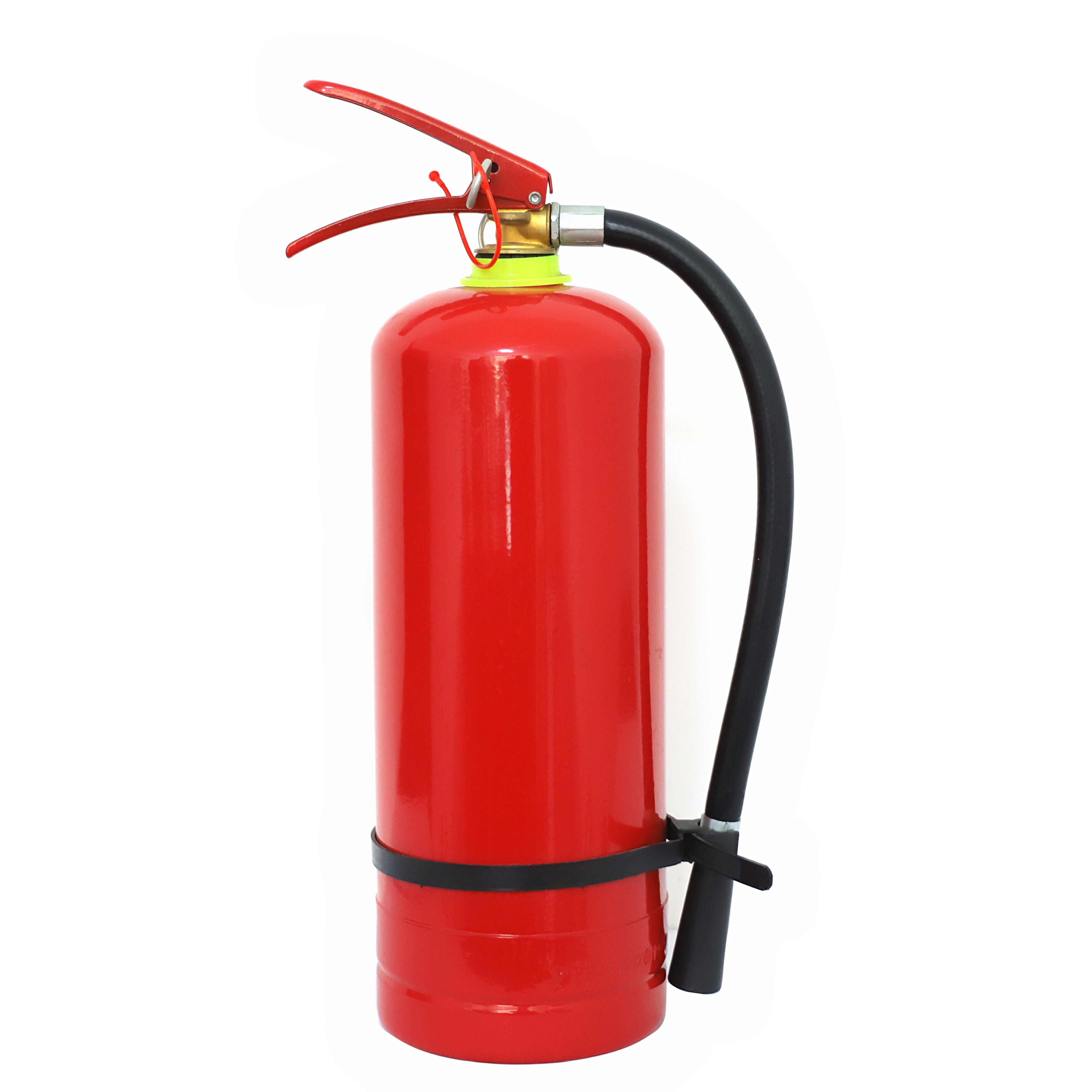
מערכות מדחיסי אש מהוות רכיבי בטיחות קריטיים בסביבות מסחריות, תעשייתיות ודיוריות. יעילותם של ציודים חסיני חיים אלו תלויה במידה רבה במנגנונים הפנימיים שלהם, כאשר השסתום הוא כנראה הרכיב החשוב ביותר ששולט בשחרור סוכני הדחיסה. הבנת סוגי השסתומים השונים במדחיסי אש עוזרת למנהלי מתקנים, מקצוענים בתחום הבטיחות וטכנאיי תחזוקה לקבל החלטות מושכלות בנוגע לבחירת הציוד, ההתקנה ופרוטוקולי התיקון והתחזוקה.
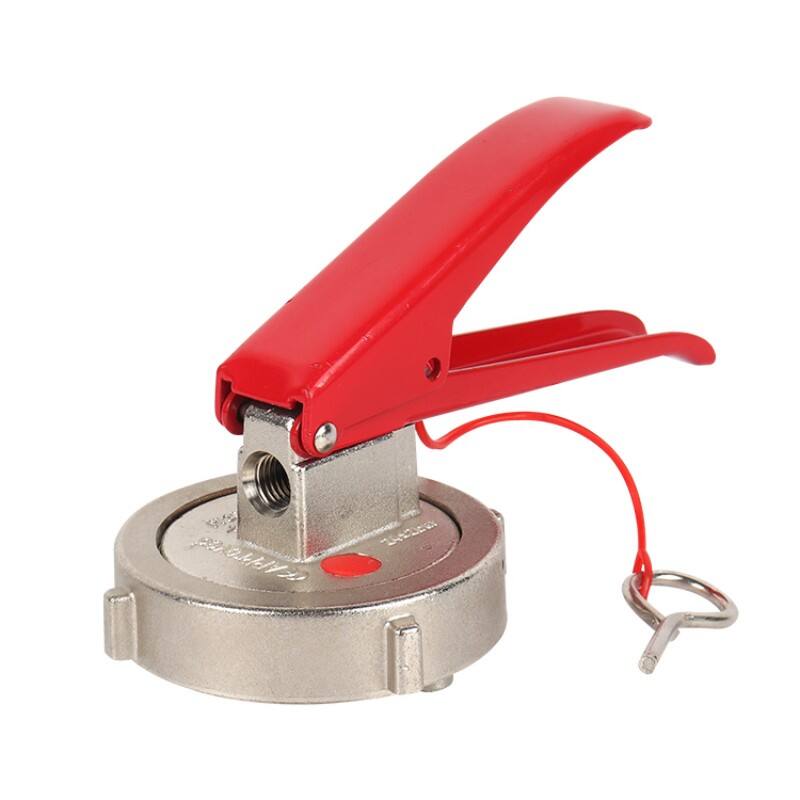
טכנולוגיית כיבוי אש מודרנית מסתמכת על הנדסת דיוק כדי לספק את הכמות הנכונה של חומר כיבוי בלחץ ובקצב זרימה אופטימליים. מנגנון השסתום שולט בכל היבט של תהליך האספקה הזה, מהפעלה ראשונית ועד פירוק מלא. עיצובי שסתומים שונים מציעים רמות שונות של אמינות, נוחות בהפעלה ודרישות תחזוקה שמשפיעות ישירות על הביצוע הכולל של מערכות בטיחות האש.
קטגוריות עיקריות של שסתומי מדחסי אש
מערכות שסתום עם אחיזת לחיצה
מנגנוני שסתום עם אחיזת לחיצה מייצגים את הסוג הנפוץ ביותר שמשתמשים בו במדחסי אש ניידים בתחומים תעשייתיים מגוונים. השסתומים האלה פועלים באמצעות פעולה מכנית פשוטה שבה המשתמש דוחף יחדיו שני רכיבי ידית כדי לפתוח את צירוף השסתום הפנימי. העיצוב כולל מנגנון קפיצי שמתחזק את השסתום במצב סגור עד להפעלה מכוונת.
היתרון הפעולי של שסתומים בעלי אחיזת לחיצה נובע מעיצובם האינטואיטיבי שדורש מינימום הדרכה לשימוש יעיל. מצבים חירום דורשים זמני תגובה מהירים, והתנועה הטבעית של האחיזה הופכת את השסתומים האלה לנגישים לאנשים בעלי רמות שונות של ניסיון טכני. תקני היצרנים מבטיחים פעילות עקבייה בכל גודל וסוג של מדחף.
פרוטוקולי התיקון לשסתומים בעלי אחיזת לחיצה מתמקדים בבדיקה תקופתית של מנגנון הקפיץ, יישור הידית ותפקוד החסימה. טכנאים מקצועיים בוחנים רכיבים אלו במהלך השירות השנתי כדי למנוע כשל בשסתום ברגעים קריטיים. הבנייה החזקה מספקת בדרך כלל שנים רבות של שירות אמין כאשר מתבצע תיקון תקין בהתאם לדרישות היצרן.
מנגנוני שסתום הנוהלים על ידי מנוף
מערכות שסתומים המופעלות על ידי מוט משתמשות במנגנון ידית מסתובבת שמספקת יתרון מכני בעת הפעלה. עיצוב זה מפחית את הכח הנדרש לפתיחת השסתום, מה שהופך את ההפעלה אפשרית גם כאשר לחץ המכביה מגיע לרמה המקסימלית. פעולת המוט יוצרת תנועת פתיחה חיובית שמבטיחה פעולה מלאה של השסתום ללא תלות בכוחו של המשתמש.
בישומים תעשייתיים נוטים להעדיף שסתומים המופעלים על ידי מוט בשל אמינותם בתנאים קיצוניים. היתרון המכני שמספק עיצוב המוט מאפשר פעולה עקבייה גם כאשר המכביות נחשפות לשינויי טמפרטורה או לתקופות אחסון ממושכות. גורם האמינות הזה הופך אותם למתאימים במיוחד לסביבות תעשייתיות קשות שבהן הציוד חייב לפעול ללא כשל.
מכלול השסתום במערכות הפעלה באמצעות מוט כולל רכיבים בעלי עיבוד מדויק שמשמרים סעיפי סבירות צרים לאורך תקופות שירות ארוכות. הליכי בדיקה קבועים מאשרים את יישור המוט הנכון, שימור נקודת הסיבוב והכיול של מתיחות הקפיץ. פעולות תחזוקה אלו מבטאות ביצוע אופטימלי לאורך כל תקופת השירות של מכשיר הכיבוי.
תצורות שסתומים متخصصות
מערכות הפעלה באמצעות לחצן דחיפה
מנגנוני השסתום הניתנים להפעלה על ידי לחצן דחיפה מספקים הפעלה מהירה באמצעות לחיצה פשוטה כלפי מטה על לחצן המודגש בבירור. מערכות אלו מבטלות את הצורך בתפיסת היד או בתנועות לחיצה, מה שהופך אותן ליעילות במיוחד עבור משתמשים בעלי כוח יד מוגבל או מגבלות בתנועתיות. השסתום נפתח באופן מיידי עם לחיצת הלחצן, ומספק גישה מיידית לסוכני הכיבוי.
יכולות האינטגרציה האלקטרונית הופכות את שסתומי הלחיצה למשיכתיים למערכות אוטומטיות לכיבוי אש. אפשרויות ההפעלה מרחוק מאפשרות ללוחות בקרת האש להפעיל את פליטת המכבים ללא התערבות אנושית. יכולת האוטומציה הזו הופכת לחיונית במתקנים לא מאוכלסים או באזורים שבהם הגישה האנושית הופכת מסוכנת במהלך אירועי אש.
מנגנון השסתום הפנימי כולל תכונות בטיחות כפולות למניעת פליטה אקראית, תוך הבטחת פעילות אמינה בעת חירום. כיסויים מגנים או צלחות בטיחות לרוב מלוות את עיצובי שסתומי הלחיצה כדי לצמצם את הסיכון להפעלה לא מכוונת. פרוטוקולי בדיקה קבועים מאשרים כי מסלולי ההפעלה הידניים והאלקטרוניים שומרים על תפקוד תקין.
טכנולוגיית שסתום שחרור מהיר
מערכות שסתומים עם פתרון מהיר מעדיפות triểnת מהירה באמצעות מנגנוני הפעלה מפוענמים. תכנונים מתקדמים אלו ממזערים את הזמן שבין הפעלת השסתום לפליטת חומר כיבוי, גורמים קריטיים במקרי שריפה המתרחשים במהירות. שסתום המכלול כולל הנדסת דיוק כדי להשיג ביצועים עקביים לאורך מחזורי הפעלה מרובים.
שסתומים תעשייתיים עם פתרון מהיר מאפיינים עמידות משופרת בזכות בחירת חומרים עמידים ותהליכי ייצור מתקדמים. מבנה האבץ מספק התנגדות מעולה לקורוזיה תוך שמירה על העוצמה הדרושה ליישומים של לחץ גבוה. העיצוב הקומפקטי מאפשר שילוב בהתקנות עם מגבלות מקום, מבלי לפגוע באפקטיביות הפעולה.
מאפייני הפעולה הגמישים делают את שסתומי השחרור המהיר מתאימים לסביבות יישום מגוונות. מנגנון השסתום מסוגל לקלוט סוגי חומרים כבשי אש שונים תוך שמירה על מאפייני זרימה עקביים. גמישות זו מפחיתה את דרישות המלאי במתקנים המשתמשים בסוגי כבשנים מרובים בדרגות סיכון שונות.
בניה מחומרים וגורמים של קיימנות
רכיבי שסתום מנחושת
מבנה פליז מציע עמידות מעולה בפני קורוזיה בהשוואה לחומרים חלופיים הנפוצים בייצור שסתומים. התכונות הטבעיות של פליז מספקות תאימות מצוינת עם חומרי כיבוי שונים תוך שמירה על שלמות מבנית תחת לחץ מחזורי. בחירת חומר זו מאריכה את חיי השירות באופן משמעותי בסביבות קורוזיביות או במתקנים חופיים בהם מתרחשת חשיפה למלח באופן קבוע.
תהליכי היצור של צירתי שסתומים מנחושת כוללים טכניקות עיבוד מדויק המשיגות סעיפי מדידות צרים. תקני היצור האלה מבטיחים פעילות עקבית לאורך כל סדרות הייצור, תוך מינימיזציה של סיכונים לדליפות פנימיות. הליכי בקרת האיכות מאשרים שהרכב החומר והתכונות המכאניות עומדים בדרישות התעשייה ליישומים של בטיחות מפני אש.
היציבות התרמית של רכיבי הנחושת שומרת על פעולת השסתומים בתחומי הטמפרטורה הרחבים הנפוצים בסביבות תעשייתיות. תנאי חום קיצוניים אינם פוגעים בשלמות השסתומים, מה שמבטיח פעילות אמינה גם במקרי אש מאתגרים. מאפיין הביצוע התרמי הזה הופך את שסתומי הנחושת למתאימים במיוחד בתהליכים תעשייתיים בעלי טמפרטורות גבוהות.
מערכות שסתומים מפלדת אל חלד
מבנה שסתום מפלדת אל חלד מספק עמידות יוצאת דופן בסביבות כימיות אגרסיביות, שבהן חומרים סטנדרטיים עלולים להתדרדר. התנגדות הפלדה לקלקול אינה מוגבלת להגנה פשוטה מפני לחות, אלא משתרעת גם לכוללת התנגדות לערפל כימי ולסוכני ניקוי המשמשים במתקנים תעשייתיים. עמידות משופרת זו מפחיתה את עלויות התיקון והתחזוקה לאורך זמן, וכן את תדירות ההחלפה.
טכניקות ייצור מדויקות לרכיבי שסתומים מפלדת אל חלד מושגות גימור פנים עליון המפחית את הסיכונים של זיהום. המשטחים הפנימיים החלקים מפחיתים את נפילת הלחץ דרך רכיב השסתום, ובו זמנית מונעים הצטברות חלקיקים שעלולים לפגוע בתפקודו. יתרונות הייצור האלה מתורגמים לביצועים משופרים של המערכת ולדרישות תחזוקה מופחתות.
מאפייני החוזק של פלדת אל חלד מאפשרים את פעולת השסתום בתנאי לחץ קיצוניים ללא עיוות או כשל. אמינות מבנית זו הופכת חיונית במערכות כבאות לחץ גבוה או ביישומים שבהם שלמות השסתום משפיעה ישירות על בטיחות האנשים. פרוטוקולי בדיקה רגילים מאשרים את המשך האמינות המבנית לאורך תקופת השירות.
הדברים שצריך לקחת בחשבון בהתקנה והתחזוקה
טכניקות אינטגרציה מתאימות של שסתומים
התקנת שסתומים מוצלחת דורשת תשומת לב מדויקת ל Совместимость השרשראות, לבחירת החתימה והגדרות המומנט. טכניקות התקנה לא נכונות עלולות לפגוע בביצועי השסתום או ליצור סיכונים לביטחון שמתגלים רק במהלך פעולה חירום. התקנה מקצועית בהתאם להנחיות היצרן מבטיחה ביצוע אופטימלי לאורך תקופת שירות הכבאות.
החלת חומר איטום לחריצים חייבת לקחת בחשבון את התאימות לסוכני כיבוי כדי למנוע תגובות כימיות שעלולות לפגוע בשלמות האיטום. לעיצובי שסתומים שונים יש דרישות ספציפיות לסוגי חומרי האיטום ולשיטות ההחלה שלהם כדי להשיג איטום מהימן ללא הפרעה לפעולת השסתום. תיעוד ההתקנה חייב לציין את סוגי חומרי האיטום ואת הליכי ההחלה לצורך התייחסות בעת תחזוקה עתידית.
כיוון השסתום במהלך ההתקנה משפיע הן על נוחות הפעולה והן על גישה לתחזוקה. מיקום נכון מבטיח נוחות למשתמש בעת פעולת חירום, ומספק גישה לטכנאי לצורך בדיקות תקופתיות ופעולות תחזוקה. תכנון ההתקנה חייב לקחת בחשבון הן את דרישות הפעולה והן את צורכי התיקון והתחזוקה לאורך זמן.
פרוטוקולי תחזוקה שגרתיים
הליכי בדיקה רגילים של שסתומים מתמקדים בזיהוי סימנים לבלאי, התדרדרות החתימות והפרעות בתפעול לפני שהן משפיעות על אמינות המערכת. טכניקות בדיקה ויזואלית חושפות קורוזיה חיצונית, נזק לכפתור או דליפת חתימה הדורשות תשומת לב מיידית. הליכי הבדיקה הללו חייבים לעקוב אחר המלצות היצרן והדרישות التنظימיות בנוגע לתדירות להיקף.
הבדיקה התפעולית מאשרת את תפקוד השסתום ללא ניצול מלא של מלאי הסוכן הכובה באמצעות הליכי בדיקה מיוחדים. שיטות הבדיקה הללו מאשרות את כוח ההפעלה הנכון, את פתיחת השסתום בשלמותו ואת פעולת הסגירה האמינה. תיעוד תוצאות הבדיקות מספק נתונים היסטוריים על הביצועים, אשר שימושיים לחיזוי צרכים בשירות ובעת замена.
לוחות תחזוקה מונעים כוללים דרישות ספציפיות לשסתומים בהתבסס על המלצות היצרן והיסטוריית הפעלה. גורמים סביבתיים כגון קיצונים בטמפרטורה, רמות לחות וחשיפה כימית משפיעים על תדירות ותחום התחזוקה. תוכניות תחזוקה מותאמות אישית מתמודדות עם גורמים סביבתיים אלו תוך הבטחת עמידה בדרישות הרגולציה.
אופטימיזציה של הביצועים ופתרון תקלות
שיפור זמן התגובה של השסתום
אופטימיזציה של מאפייני התגובה של השסתום כוללת קליברציה זהירה של הרכיבים הפנימיים כדי להשיג פתיחה מהירה תוך שמירה על שליטה בקצב הפליטה. התאמות מתיחות הקפיץ, רמות הדחיסה של החתימות והריווחים הפנימיים – כל אלה תורמים לביצועי התגובה הכוללים. התאמות אלו דורשות ידע מיוחד וציוד קליברטי להשגת תוצאות אופטימליות.
תנאי הסביבה המותאמים עוזרים לשמור על ביצועי השסתומים באופן עקבי תחת תנאים משתנים של טמפרטורה ורطיבות. המלצות לאחסון מציינות את פרמטרי הסביבה האופטימליים, ובמקביל מגדירות את הטווחים המותרים לסוגי שסתומים שונים. הבנת הגבולות הסביבתיים הללו עוזרת למנהלי המתקנים לאפשר איחסון באיכות מיטבית ולנבא את הבדלים בביצועים.
מערכות ניטור הביצועים עוקבות אחר מאפייני פעולת השסתומים לאורך זמן כדי לזהות מגמות ירידה בביצועים לפני שהן משפיעות על יכולת התגובה החירום. שיטות איסוף הנתונים כוללות מדידות כוח ההפעלה, רישום זמני התגובה, ואימות קצב הזרימה. נתוני הביצועים הללו תומכים בתוכניות תחזוקה חיזויית ובתכנון החלפת השסתומים.
בעיות נפוצות בשסתומים ופתרונותיהן
בעיות של דליפת שסתומים נובעות לעיתים קרובות מהתעכבות זרימה, היווצרות קורוזיה או חוסר שימום מספק של רכיבים נעים. הליכי אבחון מזדהים עם הסיבה הספציפית להתעכבות כדי לכוון את הפעולות התיקוניות המתאימות. טכניקות ניקוי, פרוטוקולי שימום והליכים להחלפת רכיבים מטפלים באופן יעיל בסוגים שונים של בעיות התעכבות.
בעיות דליפת איטמים דורשות אבחון שיטתי כדי לקבוע האם החלפת האיטם, עיבוד מחדש של גוף השסתום או החלפת מלאה של השסתום מספקת את הפתרון היעיל ביותר. בדיקות לחץ מבודדות את מקומות הדליפה תוך כימות שיעורי הדליפה כדי להעריך את דחיפות הטיפול. טכניקות התיקון משתנות בהתאם לחומרת הדליפה ולאפייני העיצוב של השסתום.
בעיות בתפעול לא עקבי עלולות לרמז על בלאי פנימי, סטיית קליברציה או נזק סביבתי שמשפיעים על אמינות השסתום. הליכי האבחון מעריכים באופן שיטתי את הסיבות האפשריות תוך כדי הצגת גישות אבחוניות צעד אחר צעד. אסטרטגיות הפתרון נעו בין התאמות קלות ועד להחלפת מלאה של רכיבי השסתום, בהתאם לחומרת הבעיה.
שאלות נפוצות
אילו גורמים קובעים את סוג השסתום המתאים ליישומים מסוימים של מכונות כיבוי אש
הבחירת סוגי השסתומים המתאימים תלויה בכמה גורמים קריטיים, כולל סביבת היישום הרצויה, רמות ההדרכה של המשתמשים והיכולות לתיקון ותחזוקה. בסביבות תעשייתיות דרושים לעתים קרובות שסתומים עמידים שיכולים לשרוד תנאים קיצוניים, בעוד שבסביבות משרדיות עלול להינתן עדיפות לנוחות הפעלה. גורמים סביבתיים כגון טמפרטורות קיצוניות, אטמוספרות קורוזיביות ורמות רעידה משפיעים על בחירת החומרים ודרישות העיצוב של השסתומים. בנוסף, מאפייני האוכלוסייה המשתמשת, כולל יכולות גופניות ורמות ההדרכה, מדריכים את הבחירה בין מנגנוני הפעלה שונים כדי להבטיח פעילות אמינה בעת חירום.
באיזו תדירות יש לבדוק ולתחזק שסתומי כבשנים מקצועיים?
תדירות בדיקת השסתומים על ידי מומחה עוקבת בדרך כלל המלצות היצרן והדרישות التنظימיות, ומבוצעת לרוב אחת לשנה עבור רוב ההתקנות המסחריות. עם זאת, סביבות קשות או יישומים של שימוש מרובה עלולים לדרוש תקופות בדיקה תכופות יותר כדי לשמור על אמינות המערכת. בדיקות חזותיות חודשיות שמבצעים אנשי המתקן תומכות בשירות המקצועי השנתי על ידי איתור נזקים ברורים, קורוזיה או סימנים של התערבות לא מורשית. תנאי סביבה כגון חשיפה לים, אזורים של עיבוד כימי או תנודות קיצוניות בטמפרטורה עלולים לדרוש בדיקות מקצועיות רבעוניות כדי להבטיח את האמינות המתמשכת ואת ההתאמה לדרישות التنظימיות.
אילו מדדים מרכזיים של ביצועים מצביעים על צורך בהחלפת שסתום
מספר מדדי ביצועים מצביעים על הצורך להחלפת שסתום, כולל דרישה לכוח הפעלה גבוה יותר, קורוזיה או נזק גלוי, תפעול לא עקבי במהלך בדיקות, ודליפת איטום שלא ניתן לתקן באמצעות תחזוקה. בדיקות תפעוליות עלולות לחשוף זמני תגובה מאוחרים, פתיחה חלקית של השסתום, או כשל בהחזקת הסגר הנכון לאחר הפעלה. בדיקה פיזית עלולה לחשוף נזק לחריצים, סחיפה של הידית, או עייפות של הקפיץ, מה שמזיק לאמינות. התדרדרות קשורה לגיל לאחר תקופות שירות ממושכות עלולה לדרוש החלפה גם כאשר בעיות ביצוע מובנות לא נראות עדיין, במיוחד ביישומים קריטיים לבטיחות.
האם ניתן להתקין מחדש סוגי שסתומים שונים על מערכות כבאות קיימות
אפשרויות הרetrofitting של שסתומים תלויים בה Совместимות החוט, בדרישות הלחץ ובמגבלות הממדיות של גוף המכבא הקיים. סוגי שסתומים רבים משתפים مواصفות חוט סטנדרטיות שמאפשרות החלפה ישירה, בעוד שאחרים עשויים לדרוש חיבורים מתאמים או החלפה מלאה של המכבא. התאמות הלחץ מבטיחות שהשסתום החדש יוכל להתמודד עם לחצי הפעולה של המערכת ללא כשל או ירידה בביצועים. הערכה מקצועית קובעת את האפשרות לביצוע retrofitting על ידי בדיקת החיבורים הקיימים, מגבלות השטח והדרישות להיענות לתקנות. בדיקת המסמכים מאשרת כי השינויים המוצעים בשסתומים משמירים על דרישות האישור ועל תקפות הכיסוי הביטוחי למערכת כיבוי האש.

