
Download Catalogue
All Categories

Get a Free Quote

Our representative will contact you soon.
Email
Name
Company Name
Mobile/WhatsApp
Message
0/1000

Dry Powder vs. CO2 Extinguishers: Which Should You Choose?

2026-03-30 09:30:00
Dry Powder vs. CO2 Extinguishers: Which Should You Choose?

Selecting the right fire extinguisher for your facility requires understanding the fundamental differences between dry powder extinguisher systems and CO2 alternatives. This critical safety decision impacts not only your fire protection capabilities but also operational efficiency, maintenance requirements, and compliance with safety regulations across various industrial applications.

Dry Powder Extinguisher

The choice between dry powder extinguisher technology and CO2 systems depends on specific fire risks, environmental conditions, and operational constraints within your workspace. Each extinguisher type offers distinct advantages and limitations that make them more suitable for particular scenarios, requiring careful evaluation of your facility's unique fire protection needs.

Fire Class Coverage and Effectiveness

Multi-Class Fire Protection with Dry Powder Systems

A dry powder extinguisher provides comprehensive protection against Class A, B, and C fires, making it one of the most versatile fire suppression options available. The monoammonium phosphate-based powder effectively interrupts the chemical chain reaction of combustion while forming a barrier between fuel and oxygen sources.

This broad-spectrum capability means that facilities with mixed fire risks can rely on a single extinguisher type rather than maintaining multiple specialized units. The dry powder extinguisher mechanism works by coating burning materials with a fine chemical powder that prevents re-ignition and continues suppressing flames even after initial application.

Industrial environments often benefit from this multi-class protection because workplace fire risks rarely fall into a single category. Manufacturing facilities, warehouses, and commercial buildings typically contain combustible solids, flammable liquids, and electrical equipment within the same space.

Specialized CO2 Protection for Specific Applications

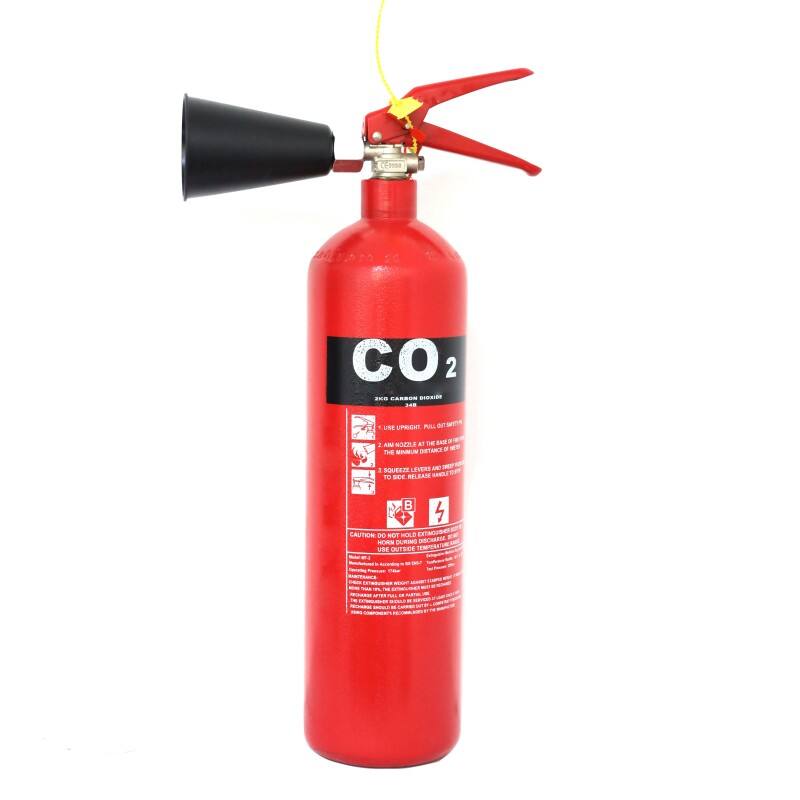
CO2 extinguishers excel in Class B and Class C fire scenarios, particularly where clean suppression is essential. The carbon dioxide displaces oxygen around the fire source, effectively suffocating flames without leaving residue or causing secondary damage to sensitive equipment.

Electronic equipment rooms, laboratories, and precision manufacturing areas often favor CO2 systems because the suppression process leaves no cleanup requirements. The gas dissipates completely after use, allowing immediate resumption of operations without concerns about chemical residue affecting sensitive components.

However, CO2 extinguishers prove ineffective against Class A fires involving ordinary combustibles like paper, wood, or fabric. This limitation requires careful risk assessment to ensure adequate protection coverage across all potential fire scenarios within a facility.

Operational Environment Considerations

Indoor vs. Outdoor Application Suitability

Environmental conditions significantly influence the effectiveness of each extinguisher type. A dry powder extinguisher maintains consistent performance across varying temperatures and atmospheric conditions, making it suitable for both indoor and outdoor applications where weather exposure might be a factor.

The powder formulation remains stable in temperature extremes and wind conditions that might disperse other suppression agents. This reliability makes dry powder extinguisher systems particularly valuable for outdoor industrial operations, construction sites, and facilities with significant outdoor fire risks.

Storage areas, loading docks, and outdoor equipment installations benefit from the environmental resilience of powder-based systems. The extinguishing agent maintains its effectiveness regardless of humidity levels or seasonal temperature variations that might affect other suppression technologies.

Wind conditions can impact the deployment effectiveness of both systems, but dry powder extinguisher units typically provide better coverage in breezy conditions due to the weight and adhesive properties of the suppression medium.

Enclosed Space Safety and Visibility Concerns

CO2 extinguishers present unique safety considerations in enclosed spaces due to the displacement of breathable oxygen during discharge. Personnel evacuation becomes critical when using CO2 systems in confined areas to prevent asphyxiation risks from concentrated carbon dioxide levels.

Visibility during and after discharge also differs significantly between systems. While a dry powder extinguisher creates temporary visibility reduction due to powder suspension, CO2 discharge can create immediate disorientation in enclosed spaces.

Ventilation systems and space volume calculations become essential factors when selecting CO2 systems for indoor applications. Areas with poor ventilation or limited escape routes may require additional safety protocols to protect personnel during suppression system activation.

Maintenance Requirements and Long-Term Costs

Service Intervals and Inspection Protocols

Maintenance schedules differ substantially between dry powder extinguisher units and CO2 systems, affecting long-term operational costs and compliance requirements. Dry powder systems require regular agitation to prevent powder settling and caking, typically involving monthly shaking or rotation procedures.

Annual professional inspections focus on pressure gauge readings, powder condition assessment, and discharge mechanism functionality. The dry powder extinguisher agent may require replacement every five to six years depending on storage conditions and exposure to moisture or temperature extremes.

Refilling procedures after partial discharge can be more complex with powder systems due to contamination concerns and the need to ensure proper powder distribution within the cylinder. Complete discharge often necessitates professional servicing to guarantee optimal performance restoration.

Storage and Environmental Impact Factors

CO2 extinguishers generally require less frequent maintenance due to the stable nature of carbon dioxide under pressure. The gas does not degrade over time, and pressure loss typically indicates seal failure rather than agent deterioration.

Environmental considerations increasingly influence extinguisher selection decisions. While both systems are considered environmentally acceptable, the cleanup requirements after dry powder extinguisher use can create waste disposal considerations in environmentally sensitive areas.

Storage temperature requirements may favor one system over another depending on facility climate control capabilities. Extreme temperature variations can affect pressure vessel integrity and agent performance in both systems, but sensitivity levels differ between powder and gas-based agents.

Application-Specific Selection Criteria

Industrial and Commercial Facility Requirements

Manufacturing environments with diverse fire risks typically benefit from the versatility of dry powder extinguisher systems. Facilities processing both combustible materials and flammable liquids can standardize on powder-based protection while ensuring comprehensive coverage across all fire classifications.

Heavy industrial operations often prioritize the rapid knockdown capability and re-ignition prevention offered by powder suppression systems. The persistent barrier effect of dry powder extinguisher discharge provides continued protection during emergency response and evacuation procedures.

Commercial kitchens and food service operations require careful consideration due to cleanup implications. While dry powder systems provide excellent fire suppression, the residue may require extensive cleaning of food preparation surfaces and equipment.

Specialized Equipment and Clean Room Applications

Data centers, laboratories, and precision manufacturing facilities often specify CO2 systems to protect sensitive electronic equipment from suppression agent damage. The clean discharge characteristics eliminate concerns about powder residue interfering with delicate instrumentation or contaminating sterile environments.

Medical facilities and pharmaceutical operations may require the residue-free characteristics of CO2 systems to maintain sterility standards and prevent contamination of medical equipment or pharmaceutical products during fire suppression events.

However, facilities with mixed-use areas may require hybrid approaches, deploying CO2 systems in sensitive equipment areas while maintaining dry powder extinguisher units in general operational spaces where broader fire class protection is needed.

FAQ

Can dry powder extinguishers be used on electrical fires safely?

Yes, dry powder extinguishers are safe for use on electrical fires when the electrical equipment is de-energized. However, for live electrical equipment, CO2 extinguishers are generally preferred because they do not conduct electricity and leave no residue that could damage sensitive electronic components.

How does cleanup differ between dry powder and CO2 extinguisher discharge?

CO2 extinguishers require no cleanup as the gas dissipates completely after use, allowing immediate resumption of operations. Dry powder extinguishers leave a chemical residue that requires thorough cleaning of all affected surfaces and equipment, which can be time-consuming and may require specialized cleaning procedures for sensitive equipment.

Which extinguisher type is more cost-effective for large facilities?

The cost-effectiveness depends on your specific fire risks and facility requirements. Dry powder extinguishers typically have lower initial costs and provide broader fire class coverage, potentially reducing the total number of units needed. However, CO2 systems may offer lower long-term costs in clean environments where cleanup expenses and equipment downtime are significant concerns.

Are there any restrictions on where each type can be installed?

CO2 extinguishers have restrictions in confined spaces due to asphyxiation risks and require adequate ventilation and personnel safety protocols. Dry powder extinguishers can be installed in most locations but may not be suitable for food service areas or clean rooms due to residue concerns. Local fire codes and insurance requirements may also influence installation decisions.

email goToTop