
 EN
EN
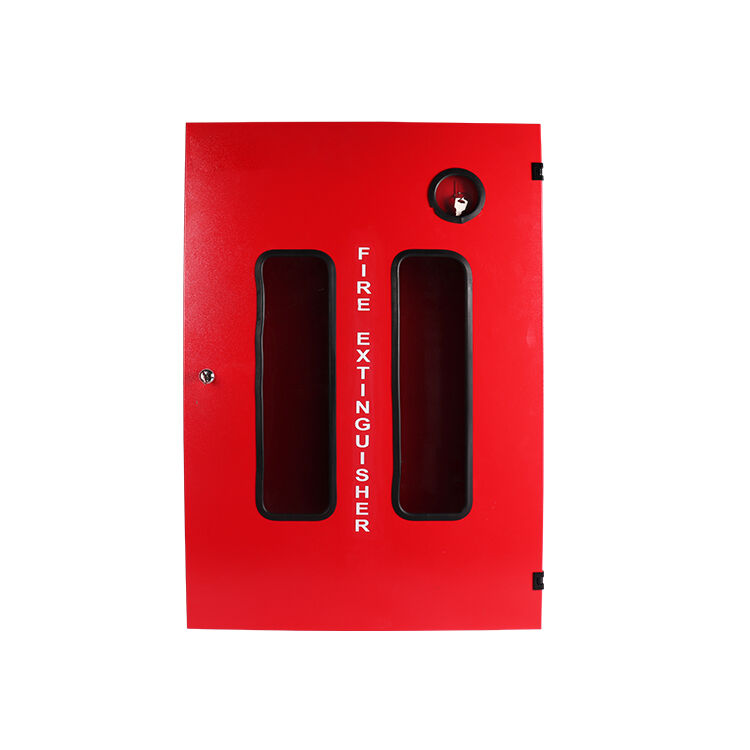
Valvula extinctoris incendii deficiens aut perdens periculum gravissimum praebet quod statim curari et proprie investigari debet. Cum valvula extinctoris incendii recte non fungeretur, totum systema suppressionis incendii laedere potest, quod in casu emergentiae eventus catastrophicos parare potest. Cognitio modi, quo valvulae defectus agnoscantur, diagnostice confirmentur et corrigantur, ad efficiens apparatus incendiorum tutelae in quacumque aedificio retinendum necessaria est.
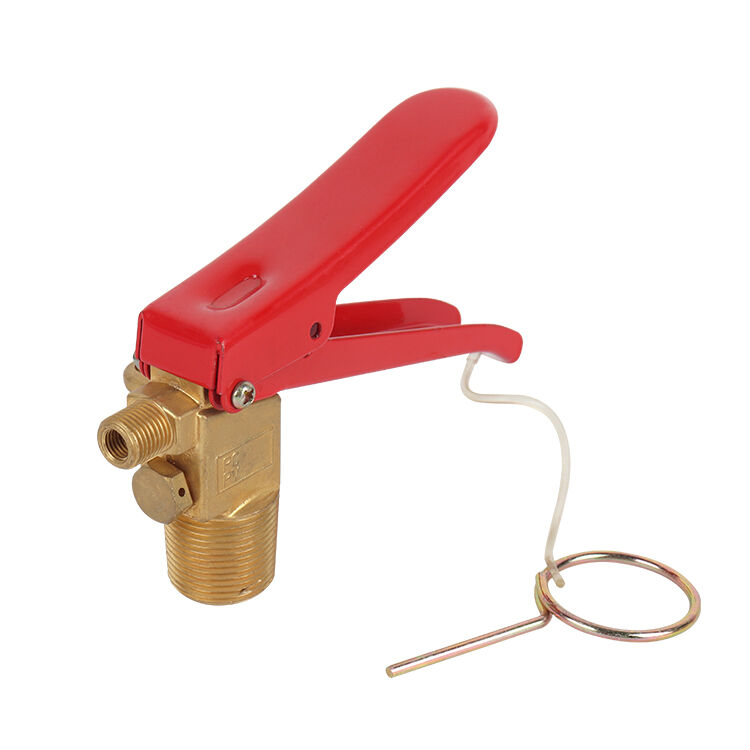
Problema valve extinguitorum ignis per varios symptomata apparent, inter quae amissio pressionis, fuga visibilis, difficultas in activatione, aut completa valve defectio. Haec mala ex variis causis oriuntur, a defectibus fabricae et degeneratione propter usum ad pravas curas et factores ambientales. Agnoscere prima monita et adhibere methodos examinis systematicas efficit ut apparatus pro salute contra incendia fidus maneat et paratus ad usum cum maxime opus est.
Identificatio communium problematum valve et eorum symptomatum
Amissio pressionis et depressurizatio systematis
Amissio pressionis unum ex gravissimis problematibus valve est quod perficiens extinguitorum ignis afficit. Cum valve fugas internas vel defectus sigillorum habet, contenta pressurata paulatim effluunt, extinguitorum inefficacem reddentes. Hoc malum saepe apparet per pressura METIOR lecturae quae constanter infra acceptum intervallum cadunt, saepe indicatae per acus in zonam rubram in indicibus analogis decidere.
Mechanisma valvulae in preciso componentium obsignantium ad tenendam pressionem systematis nititur; quaelibet autem in his obsignationibus laesio ad depressurizationem gradualem vel subitam ducere potest. Causae vulgares includunt deterioratos annulos O, sedes valvularum attritas, aut filetationem laesam quae pressioni per microscopicas interstitia effugere permittit. Monitoratio regularis pressionis ad haec problemata detegenda iuvat antequam facultates de incendiis prohibendis labefactentur.
Variationes temperaturae pressionis amissionem ex causa valvularum aggravare possunt, quia dilatatio et contractio thermica componentia obsignantia premunt. Facilitates magnis variationibus temperaturarum subiectae valvularum integritati peculiarem curam praebere debent, quia cycli thermici repetiti degradationem obsignationum accelerare et vias ad pressionis amissionem creare possunt.
Fuga Visibilis et Damnum Externum
Fuga externa claram evidentiam visualem praebet de problematibus valvularum, saepe ut residuum pulveris, maculae liquidorum, aut emissa gasa circa conformationem valvularum apparent. Haec symptomata indicant valvulam defectus externos in sigillis seu damnum structurale contraxisse, quod permittit agenti extinguendi effluere. Identificatio loci specifici et naturae fugae ad iudicandum aptum modum investigandi adiuvat.
Corrosio magnus est factor qui ad fugam valvularum contribuit, praesertim in ambientibus ubi umiditas alta, exposicio chemicis, aut aer salinus praesens est. Corpus valvulae, filetta, et apparatus connectens corrosionem possunt contrahere quae integritatem sigillorum minuit et novas vias pro fuga creat. Inspectio visualis in identificando rugini, pitting, aut discoloratione, quae damnum corrosionis indicant, versari debet.
Damnum physicum ex ictibus, ex nimia constrictione, aut ex tractatione indebita etiam causare potest perflationem valvulae. Fissurae in corpore valvulae, filetta laesa, aut superficies sigillandi deformata exigunt curationem statim ad impedendum ulteriorem deteriorem et pericula potenzialia ad securitatem.
Praecepta Diagnostica Systematica ad Valvulam Examinandam
Experientia Pressionis et Mensura
Mensura pressionis accurata fundamentum est efficacis inquisitionis de valvulis, quae postulat manometra recte calibrata et procedura experimentorum normalia. Systema valvulae examinandum est tam in condicionibus staticis quam dynamicis ut quaerantur problemata intermitentia quae forsan non apparent in inspectione temeraria. Experientia pressionis adiuvat ut discernantur quaestiones speciales valvularum ab aliis problematibus systematis latioribus quae perficiunt functionem extinctorum ignis.
Lecturae pressionis basalium constitui debent condicionibus normalibus operativis et comparari cum specificatis fabricantis pro typu extinguentis specifico. Deviationes magnae ab his basibus indicant potestatem problematum valvularum quae ulteriorem investigationem postulant. Conformatio valvularis pressiones constantes servare debet per spatia longa, cum variatione minima ob causas ambientales.
Examinatio pressionis dynamica involvit operationem mechanismi valvularis dum mutationes pressionis observantur, quae possunt revelare problemata operationis valvularis quae examinatio statica praeteriret. Haec ratio adiuvat ad identificanda problemata ut adhaesio valvulae, clausura inperfecta, vel conditiones bypass internarum quae integritatem systematis minuunt.
Inspectio Visibilis et Aestimatio Componentium
Inspectio visualis completa conformationis valvularis exiget examinationem methodicam omnium componentium adituum, inter quae corpus valvulae, mechanismus actuantis, functiones tutelares, et apparatus connexi. Haec inspectio secundum formulam normalizatam fieri debet, ut nullae regiones criticae in processu detegendi causas defectuum praetermittantur.
Filamenta valvularum et superficies sigillantes peculiarem attentionem postulant, quoniam in his locis saepissime problemata oriuntur quae in operatione systematis influunt. Filamenta laesa vel exesa impedire possunt aptam conpositionem et vias per quas effluere possit creare, dum superficies sigillantes deterioratae forsan clausuram sufficientem sub pressione non praebent. Quaelibet damna, usura, aut contaminatio visibiles in his locis actionem corrigentem postulant.
Inspectio pernici et sigilli contra manum iniectam confirmat valvulam non esse casu activatam aut corruptam post ultimam inspectionem. Defectus, damnum, vel inproba installatio dispositivorum tutelaris indicare possunt accessum non auctorizatum aut potestiales difficultates valvulae investigandas.
Technicae Detegendi Fugam et Methodi Experientiae
Experientia Solutionis Saponis pro Fugis Gasorum
Experientia solutionis saponis methodum fidam et oeconomicam praebet ad detegendas fugas gasorum in systematibus valvularum extinctorum ignis, praesertim pro extinguitoribus CO2 et puris agentibus. Haec technica consistit in applicatione mixtionis saponis et aquae ad areas suspectas fugae et observatione formationis bullarum quae indicant effluentem gas. valva congregatio tota solutio durante experientia perfundenda est ut integra operatio certificetur.
Ad aptam solutionem saponteam parandam certae concentrationes requiruntur, ut sensibilitas optima adipiscatur, neque tanta spuma generetur quae detegendos effluxus obscurat. Commerciale solutiones ad detegendos effluxus constantes praebent proprietates efficaciae, dum mixturae domi factae fortasse satis sunt ad usus simplices examinandos. Solvendum est per omnes locos ubi effluxus fieri possunt, ut sunt iuncturae filetatae, sedes valvarum, et interfacies signantum.
Conditiones ambientales efficaciam examinis per solutionem saponteam afficere possunt: ventus, temperatus, et humiditas formationem atque durationem bullarum influunt. Examina sub condicionibus regulatis, quotiens fieri potest, instituenda sunt, cum tempore satis dato ad formationem et observationem bullarum.
Methodi ad effluxus ultrasonicos detegendos
Detectio ultrasonica fugarum facultates praestat ad identificandos valvularum defectus qui per methodos vulgares non videntur, praesertim utilem ad detegendos parvos efflusus in systematis pressurizatis. Haec technologia sonos altissimae frequentiae detegit quos gassus emittit per parvas aperturas effluens, praebens informationem de loco fugae exactam etiam in sonoris ambibus industrialibus.
Moderni detectores ultrasonici valvularum fugas ad valde parvum gradum identificare possunt, ut interventus cito fieri possit antequam problemata critica evadant. Apparatus saepe sensoria directiva et sonorum emissio includit quae technicis ad locandum fontes fugae exacte iuvant. Institutio in recta operatione apparatus certitudinem resultatuum praebet et falsas lectiones vitat quae ad actiones superuas manutentionis ducere possunt.
Examinatio ultrasonica efficaciter operatur cum variis agentibus extinguentibus et generibus valvarum, quare instrumentum versatilis est ad programmate integrae curae apparatus pro incendiis. Naturam non-invasivam huius modi examinis permittit observationem consuetam sine perturbatione operationis systematis aut necessitate depressurizationis systematis.
Solutiones ad Reparationem et Curam
Substitutio Sigillorum et Restitutio Valvarum
Substitutio sigillorum est solutio communissima ad corrigendos defectus valvarum extinguentium propter effusionem, quae exigit diligentem electionem materiarum compatibilium et technicas aptas ad installationem. Systema valvae in pluribus sigillis et annulis O innititur, quae integritatem pressionis servant, et haec componentia vitae finitae sunt, quare substitutio periodica eorum necessaria est. Intellectus requisitorum specificorum sigillorum pro diversis generibus extinguentium certum facit ut materiae idoneae ad substitutionem electae sint.
Reconditio valvulae comprehendit disgregationem integram, purgationem, inspectionem et reconstitutionem mechanismi valvularis utendo novis signis et partibus attritis. Hoc opus instrumenta specialia et cognitionem structurae valvularis requirit, ut reconstitutio recte fiant et functio optima obtineatur. Reconditio valvulam ad pristinas specificaciones restituere potest, si recte exequatur cum partibus substitutionis de alta qualitate.
Controlus qualitatis in substitutione signorum certificat ut nova componentia ad originarias specificaciones satisfaciant aut eas superent, praesertim in materia compatibilitatis, gradus pressionis et intervallorum temperaturarum. Usus signorum substandardium ad defectum praecocem et pericula salutis ducere potest, quae facultates protectionis contra incendia minuunt.
Servitium Professionale et Criterialia Substitutionis
Servitium valvarum peritos postulat, cum investigationes problemata detegunt quae ultra facultates curae ordinariae progrediuntur, ut damnum structurale, defectus mechanismorum internorum, aut malfunctiones systematum tutelae. Technici servitii idonei ad instrumenta specialia, partes substituendas, et apparatus examinatorios ad integram reparationem et certificatum valvarum habent aditum.
Criteriorum substitutionis usus ad determinandum censetur quando reparatio valvarum iam non est commoda pretio nec technice factibilis, consideratis factoribus ut aetas, condicio, partium advenientia, et fiducia generalis systematis. Valvae graviter corrodae, quae fissuras in corporibus habent, aut quae designis obsoletis utuntur, totae substituendae sunt potius quam conatu ad reparationem.
Requirimenta documentorum pro servitio professionali certificant ut omne opus normas regulativas et conditiones assicurantiarum adimpleat, cum certificatis idoneis et actis experimentorum pro singulis unitatibus curatis conservatis. Haec documenta probationem praebent rectae custodiae et adiuvant ordinare programmmata custodiae pro futuris intervallis servitii.
Strategiae Praeventionis et Optima Praxis Manutenzionis
Curae periodicae inspectiones
Institutio programmatum inspectionis systematicorum multos problemas valvularum praecedit per detectionem praecocem et custodiam preventivam, minuens probabilitatem defectuum subita in situacionibus criticis. Haec programmmata convenire debent cum normis regulativis, simul considerantes factores ambientales et schemata usus quae in valvularum functionem et diuturnitatem influunt.
Inspectiones visuales mensuales identificare possunt manifesta problemata, ut damna, percolationes, aut componentia desiderata; inspectiones vero annuae minutiis comprehensae testationem et documentionem amplectuntur. Coniunctio valvularis in omnibus inspectionibus includenda est, cum speciali attentione ad lectiones pressionis, ad statum sigillorum, et ad paratum operativum.
Monitorium ambientale adiuvat conditiones detegere quae valvularum degradatio accelerant, ut frequentiones inspectionum in locis asperis adiustentur. Facilitates quae magnum periculum corrosionis, temperaturas extremas, aut expositionem vibrationibus habent, forsan inspectiones valvularum frequentiores requirunt, ut normae securitatis serventur.
Tutela Environmentalis et Repositio
Recta protectio ambientalis valvularum usum prolongat, dum expositionem ad conditiones corrosivas, ad temperaturas extremas, et ad damna physica, quae functionem laedere possunt, minuit. Strategiae protectionis valvularum considerationem debent habere speciales difficultates ambientales, quae in singulis locis installationis occurrunt.
Controlus temperaturae adiuvat ut stressus thermalis in sigillis valvularum et componentibus impediatur, quod probabilitatem defectus praematuri minuit. Loca servandorum extinguitorum reservatorum temperaturas stabiles intra limites a fabricantibus recommendatos servare debent, ut integritas valvularum per longos periodos servandi conservetur.
Preventio contaminationis involvit protectionem confectionum valvularum ab pulvere, substantiis chemicis, et aliis rebus quae operationem rectam impedire aut damnum corrosionis causare possunt. Pulchritudo regularis et cautiones protectivae ad servandam munditiam valvularum et paratum operativum iuvant.
FAQ
Quotiens valvulae extinguitorum ignis inspiciendae sunt ad effugium?
Valvulae extinguentium incendiorum mense singulo visu inspiciendae sunt ad signa manifesta perditionis, laesionis, aut adulterationis ut pars inspectionum rutinarum de salute. Inspectiones annuae amplae a personis idoneis factae valvularum examen minutum, verificatio pressionis, et documentatio eorum quae reperta sunt includere debent. In locis periculosissimis aut in applicationibus criticis intervalla inspectionum frequentiora forte requiruntur ut fiducia continua et observantia normarum de salute servetur.
Quae sunt causae frequentissimae defectus valvularum extinguentium incendiorum?
Causae frequentissimae defectus valvularum sunt: deterioratio sigillorum propter aetatem et expositionem ambientem, corrosio ex umore et contaminatione chimica, et damnum mechanicum ex ictibus aut tractatione iniusta. Etiam cycli temperaturarum, superpressionis, et contaminatio superficierum sigillantium ad valvularum difficultates conferunt. Curatio regularis et protectio opportuna ambientis multos horum modorum defectus praeveneri possunt.
Num valea extinctoris ignis perfluentis temporarie corrigi potest, donec opus peritus adhiberi possit?
Corrigere valeam extinctoris ignis perfluentem tempore non suadetur propter pericula quae ad tutelam pertinent et ob rationes quae ad responsabilitatem pertinent. Valea perfluens indicat integritatem systematis laesam, quae statim opus habet periti curae aut substitutionis totius apparatus. Extinctorem ex usu tollere oportet eumque substituere alio qui recte fungatur, donec emendatio definitiva a technicis idoneis per partes et procedura idonea perficiatur.
Quando valea extinctoris ignis omnino substituenda est potius quam emendanda?
Substitutio valvulae integra necessaria est, cum corpus valvulae damnum structurale ostendit, ut rimae, corrosio gravis, aut damnum filetorum quae satis corrigi non possunt. Etiam designatio valvularum obsoleta, cuius partes substituendae non habentur, unitates quae suam aetatem usus praeterierunt, aut valvulae quae saepius defecerunt, substitutionem postulant. Assessio peritus ad agendum idoneissimum determinandum iuvat, secundum requisita securitatis et considerationes pecuniarias.
Index Contentorum
- Identificatio communium problematum valve et eorum symptomatum
- Praecepta Diagnostica Systematica ad Valvulam Examinandam
- Technicae Detegendi Fugam et Methodi Experientiae
- Solutiones ad Reparationem et Curam
- Strategiae Praeventionis et Optima Praxis Manutenzionis
-
FAQ
- Quotiens valvulae extinguitorum ignis inspiciendae sunt ad effugium?
- Quae sunt causae frequentissimae defectus valvularum extinguentium incendiorum?
- Num valea extinctoris ignis perfluentis temporarie corrigi potest, donec opus peritus adhiberi possit?
- Quando valea extinctoris ignis omnino substituenda est potius quam emendanda?

