
 EN
EN
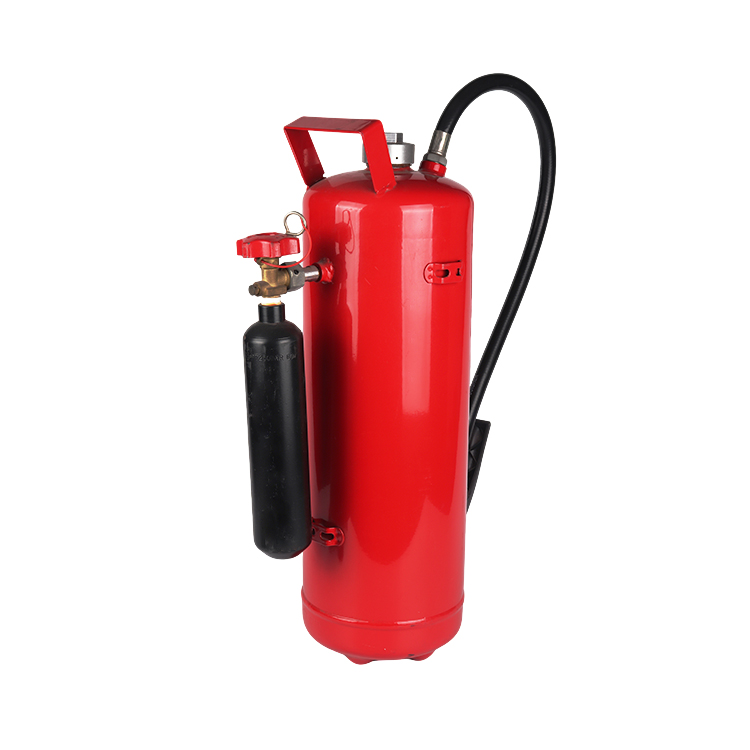
Firefighting accessories are critical components of any fire department's operational capability, yet many organizations overlook the importance of proper maintenance and care routines. Regular upkeep of firefighting accessories directly impacts safety performance, equipment reliability, and team readiness during emergency response. Without consistent maintenance protocols for firefighting accessories, departments risk equipment failure at crucial moments, which can compromise firefighter safety and mission effectiveness. Understanding how to properly maintain firefighting accessories is not merely a procedural requirement—it is a fundamental responsibility that extends the service life of equipment and ensures peak operational performance.
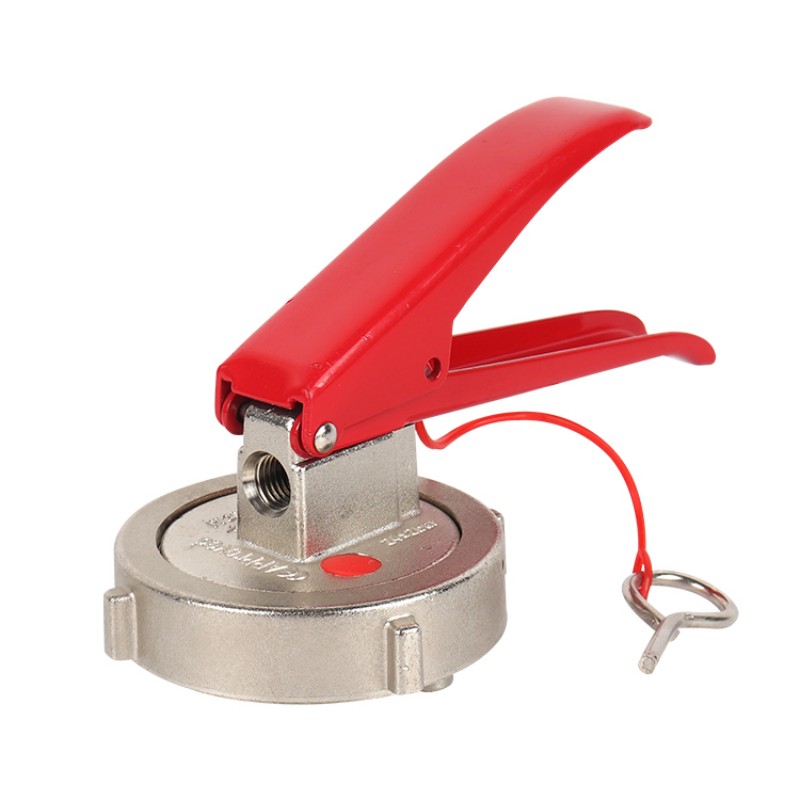
Fire departments operate in demanding environments where firefighting accessories face constant exposure to heat, moisture, chemical residues, and mechanical stress. Proper care and maintenance of firefighting accessories ensures that every piece of equipment performs as designed when lives depend on it. This comprehensive guide explores best practices for maintaining firefighting accessories, covering inspection protocols, cleaning procedures, storage recommendations, and component-specific care strategies that fire teams can implement immediately.
Understanding Inspection and Assessment of Firefighting Accessories
Regular Visual Inspection Protocols
Effective maintenance of firefighting accessories begins with systematic visual inspection routines. Fire teams should establish a scheduled inspection calendar for all firefighting accessories, checking for visible damage, corrosion, wear patterns, and functional degradation. During these inspections, examiners should document condition status, identify components requiring maintenance, and flag items needing replacement. Visual assessment of firefighting accessories takes only minutes but prevents catastrophic failures and ensures that defective equipment is removed from service before deployment.
Functional Testing and Performance Verification
Beyond visual assessment, firefighting accessories require functional testing to confirm operational capability. Pressure gauges, release mechanisms, and attachment systems must be tested regularly to verify that firefighting accessories perform within specification. Testing protocols for firefighting accessories should follow manufacturer guidelines and industry standards, documenting all results for compliance records. Functional verification of firefighting accessories identifies subtle performance degradation that visual inspection alone might miss, ensuring reliable operation under emergency conditions.
Cleaning and Corrosion Prevention for Firefighting Accessories
Safe Cleaning Methodologies
Proper cleaning is essential for maintaining firefighting accessories exposed to smoke residue, chemical compounds, and environmental contaminants. After each use, firefighting accessories should be cleaned with appropriate solutions that remove contaminants without damaging materials or coatings. Water-based cleaning solutions work well for most firefighting accessories, though specific products may be required for specialized equipment. The cleaning process for firefighting accessories should follow manufacturer specifications to avoid corrosion acceleration or material degradation that could compromise functionality.
Corrosion Management and Protective Coatings
Metal components within firefighting accessories are particularly vulnerable to corrosion in moist environments. Protective coatings and rust inhibitors specifically formulated for firefighting accessories help extend equipment lifespan and maintain aesthetic appearance. After cleaning, firefighting accessories should be dried completely and treated with appropriate protective products that prevent moisture infiltration into critical areas. Regular application of protective treatments for firefighting accessories significantly reduces maintenance costs and extends the useful life of expensive equipment.
Storage, Documentation, and Replacement Strategies for Firefighting Accessories
Optimal Storage Conditions and Organization
Storage environment profoundly affects the longevity and reliability of firefighting accessories. Equipment should be stored in climate-controlled facilities that minimize temperature fluctuation and moisture exposure for firefighting accessories. Proper organization systems ensure that firefighting accessories are easily located, tracked, and rotated according to usage patterns. Storage racks and dedicated shelving specifically designed for firefighting accessories protect items from impact damage and contamination while maintaining inventory accessibility for fire teams.
Maintenance Records and Replacement Planning
Comprehensive documentation of maintenance activities creates accountability and identifies trends in equipment performance across your inventory of firefighting accessories. Detailed records for firefighting accessories should include inspection dates, maintenance performed, repairs completed, and any anomalies observed. These records inform replacement planning decisions and help fire departments budget for equipment renewal cycles. Tracking the service history of firefighting accessories enables data-driven decisions about component longevity, failure patterns, and procurement strategies that optimize departmental resources and safety outcomes.
FAQ
How often should firefighting accessories be inspected?
Fire departments should conduct thorough inspections of firefighting accessories at minimum monthly, with additional spot checks following every deployment. High-use equipment and critical firefighting accessories may require weekly inspections to ensure reliability and safety compliance.
What cleaning products are safe for firefighting accessories?
Manufacturer guidelines should always be consulted before using any cleaning product on firefighting accessories. Generally, mild soap solutions and specialized equipment cleaners formulated for firefighting accessories are safe choices that remove contaminants without damaging materials.
When should firefighting accessories be replaced rather than repaired?
Firefighting accessories showing structural damage, material degradation, or performance inconsistencies beyond safe repair should be replaced immediately. Repair costs exceeding 50 percent of replacement value typically justify purchasing new firefighting accessories rather than continued maintenance investment.

