
 EN
EN
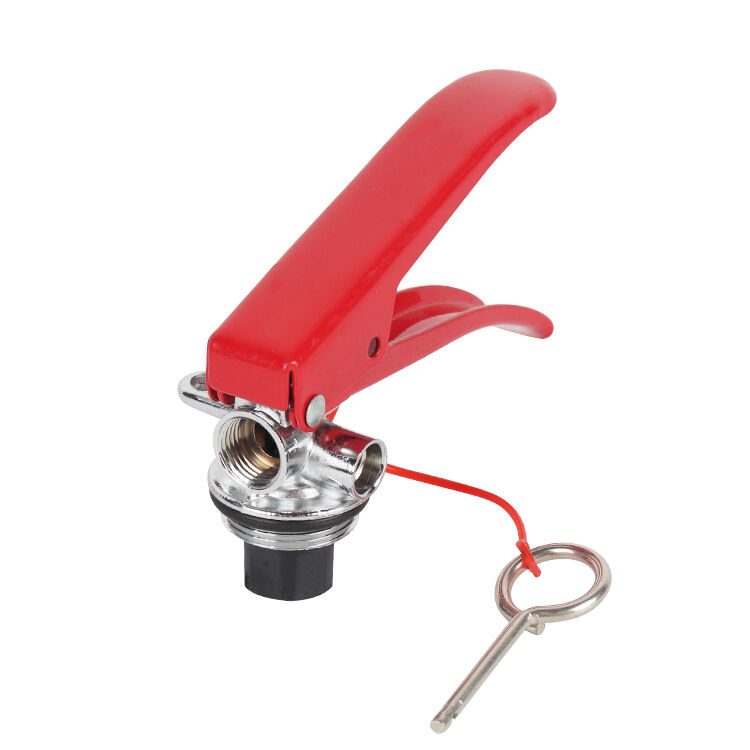
Проверка и техническое обслуживание клапана огнетушителя являются критически важной задачей в области обеспечения безопасности, напрямую влияющей на эффективность действий в чрезвычайных ситуациях. Клапанный механизм служит основной системой управления, определяющей, будет ли ваш огнетушитель функционировать в тот момент, когда он наиболее необходим, поэтому регулярные процедуры проверки и технического обслуживания обязательны для соблюдения требований по безопасности на рабочем месте и обеспечения надёжности оборудования.
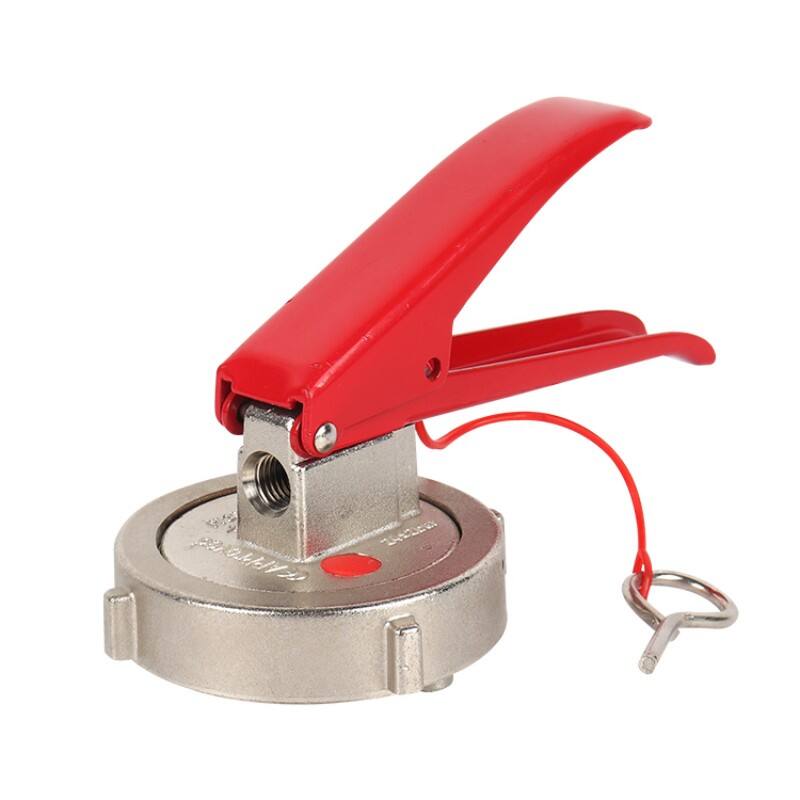
Профессиональный осмотр клапанов требует понимания механических компонентов, эксплуатационных допусков и конкретных интервалов технического обслуживания, обеспечивающих оптимальную производительность. Такой системный подход к обслуживанию клапанов огнетушителей предотвращает дорогостоящие отказы оборудования, обеспечивает соблюдение нормативных требований и даёт уверенность в том, что ваше аварийное оборудование будет эффективно срабатывать в критических ситуациях.
Понимание компонентов клапана огнетушителя
Основная конструкция клапанного механизма
Клапан огнетушителя состоит из нескольких взаимосвязанных компонентов, совместно обеспечивающих контроль подачи огнетушащего вещества. Основной корпус клапана содержит приводной механизм, уплотнительные элементы и компоненты регулирования давления, определяющие характеристики потока. Понимание этих конструктивных элементов помогает персоналу, выполняющему техническое обслуживание, выявлять потенциальные зоны износа и определять приоритеты при проведении осмотра.
Шток клапана соединяет внешнюю рукоятку или спусковой механизм с внутренним уплотнительным механизмом, передавая усилие пользователя для открытия канала выпуска. Этот компонент подвергается многократным циклам нагрузки и требует тщательного осмотра на наличие признаков износа, коррозии или механических повреждений, которые могут нарушить его работоспособность.
Уплотнительные элементы внутри клапанной сборки предотвращают случайный выпуск огнетушащего вещества и обеспечивают герметичность под давлением. Эти резиновые или полимерные компоненты со временем деградируют под воздействием химических веществ и колебаний температуры, поэтому их регулярная замена входит в состав комплексных процедур технического обслуживания.
Компоненты регулирования давления
Клапанные системы огнетушителей включают механизмы сброса и регулирования давления, предотвращающие превышение допустимого давления и одновременно обеспечивающие достаточную силу выпуска. К таким компонентам относятся пружинные предохранительные клапаны, манометры и калиброванные отверстия, поддерживающие оптимальные рабочие параметры.
Сброс давления клапан защищает огнетушитель от чрезмерного повышения давления, которое может привести к катастрофическому отказу. Регулярное тестирование этой функции безопасности обеспечивает её правильное срабатывание при заданных пороговых значениях давления и предотвращает преждевременное срабатывание в нормальных условиях.
Точность манометра становится критически важной для определения необходимости пополнения заряда и готовности к эксплуатации. Указатели давления должны периодически проходить калибровку для поддержания точности измерений и предоставления достоверной информации о состоянии устройства при планировании технического обслуживания.
Процедуры визуального осмотра
Оценка внешнего клапана
Начните осмотр клапана с визуального контроля его внешних поверхностей на наличие признаков коррозии, механических повреждений или загрязнений. Обратите внимание на образование ржавчины, вмятины, царапины или химические пятна, которые могут свидетельствовать о воздействии агрессивных сред или неправильном обращении. Зафиксируйте все видимые отклонения с помощью фотографий и измерений для ведения записей технического обслуживания.
Проверьте положение рукоятки клапана или приводного рычага и убедитесь в их плавной работе. Механизм должен свободно перемещаться без заеданий или чрезмерного люфта, что свидетельствует о сохранении надлежащей смазки и правильной взаимной установки внутренних компонентов. Любая жёсткость или неравномерность движения указывает на необходимость тщательной разборки и очистки.
Проверьте резьбовые соединения и точки крепления на предмет затяжки и целостности уплотнений. Ослабленные соединения могут привести к потере давления или утечке огнетушащего вещества, что снижает эффективность огнетушителя. При затяжке соединений соблюдайте рекомендованные значения крутящего момента, чтобы избежать повреждения клапанных компонентов вследствие чрезмерных механических нагрузок.
Оценка уплотнений и прокладок
Осмотрите все видимые уплотнительные поверхности на наличие трещин, затвердевания или деформации, которые могут вызвать потерю давления. Резиновые уплотнения, подвергавшиеся воздействию экстремальных температур или химических агентов, могут стать хрупкими или набухнуть, что препятствует их правильной посадке. Подозрительные уплотнения следует немедленно заменить — не стоит рисковать отказом оборудования в эксплуатации.
Проверьте сжатие прокладки, осторожно надавливая на уплотнённые соединения, чтобы выявить потерю мягкости или упругости. Отвердевшие прокладки больше не способны эффективно адаптироваться к сопрягаемым поверхностям, создавая пути утечки, которые со временем снижают давление в системе. Запланируйте замену любых уплотнительных элементов, проявляющих признаки деградации.
Проверьте наличие следов прежних утечек в зонах посадки клапанов, включая образование остатков или изменение цвета, указывающие на предыдущий выброс рабочего агента. Эти признаки свидетельствуют об истории отказа уплотнений и требуют немедленного внимания во избежание повторных проблем при аварийном использовании.
Методы функционального тестирования
Процедуры проверки давления
Точное измерение давления является наиболее надёжным показателем целостности клапана и системы. Используйте аттестованные манометры для подтверждения соответствия давления в системе техническим спецификациям производителя в пределах допустимых отклонений. Фиксируйте показания давления при постоянных температурных условиях, чтобы обеспечить точность измерений.
Проводите испытания на падение давления, отслеживая показания манометра в течение продолжительных периодов времени, чтобы выявить постепенную утечку через системы уплотнения клапанов. Значительная потеря давления в течение 24-часового периода указывает на отказ компонентов клапана и требует немедленного ремонта или замены.
Сравнивайте показания давления между несколькими огнетушителями одного типа и возраста, чтобы выявить устройства с аномальными характеристиками давления. Постоянно низкое давление в аналогичных устройствах может свидетельствовать о системных проблемах технического обслуживания или внешних факторах, влияющих на работу клапанов.
Испытания в режиме эксплуатации
Проверяйте требуемое усилие для приведения клапана в действие с помощью калиброванных инструментов измерения силы, чтобы обеспечить соответствие стандартам доступности. Избыточные требования к усилию могут указывать на внутреннюю коррозию, загрязнение или механический износ, препятствующие правильной аварийной эксплуатации устройств всеми потенциальными пользователями.
Убедитесь, что клапанные механизмы возвращаются в полностью закрытое положение после тестового срабатывания, предотвращая постепенную потерю давления через частично герметизированные системы. Неполное закрытие указывает на отказ пружины, загрязнение посторонними частицами или повреждение седла, требующее проведения корректирующего технического обслуживания.
Зарегистрируйте время отклика — от момента начального срабатывания до начала полного сброса давления — и сравните полученные результаты со спецификациями производителя для вашего конкретного типа клапана. Задержка отклика свидетельствует о наличии засоров в проходных каналах клапана или в его приводных механизмах, что может негативно повлиять на работу клапана в аварийных ситуациях.
Расписание профилактического обслуживания
Интервалы плановых проверок
Установите ежемесячные графики визуального осмотра внешнего состояния клапанов, показаний манометров и базовых проверок работоспособности. Такие регулярные осмотры позволяют выявлять возникающие неисправности на ранней стадии, до того как они скажутся на надёжности системы, а также обеспечивают ведение подробной документации по техническому обслуживанию в целях соблюдения нормативных требований.
Планируйте ежеквартальное функциональное тестирование, включающее проверку давления, измерение усилия срабатывания и оценку состояния уплотнений. Этот промежуточный уровень инспекции позволяет своевременно выявлять закономерности износа компонентов и способствует оптимизации управления запасами запасных частей.
Планируйте ежегодное комплексное техническое обслуживание клапанов, включающее полную разборку, очистку, замену уплотнений и верификацию калибровки. Такой тщательный подход к техническому обслуживанию обеспечивает максимальную надёжность и продлевает общий срок службы оборудования за счёт профилактического ухода за компонентами.
Документация и ведение записей
Ведите подробные журналы осмотров, включая серийные номера клапанов, показания давления, результаты испытаний и принятые корректирующие действия. Данная документация поддерживает заявки по гарантии, отчёты о соблюдении нормативных требований и помогает выявлять повторяющиеся проблемы, требующие внесения изменений в конструкцию или корректировки процедур.
Создавайте графики технического обслуживания на основе режимов эксплуатации клапанов, условий окружающей среды и рекомендаций производителя, специфичных для вашей конфигурации оборудования. Корректируйте частоту осмотров на основе исторических данных о работе и эксплуатационных требований.
Отслеживайте закономерности замены компонентов для оптимизации запасов запасных частей и прогнозирования будущих потребностей в техническом обслуживании. Такой основанный на данных подход снижает затраты на аварийный ремонт и одновременно обеспечивает наличие необходимых запасных частей для критически важных компонентов клапанов.
Устранение типовых неисправностей клапанов
Диагностика потери давления
Постепенная потеря давления обычно указывает на деградацию уплотнений или повреждение седла клапана, что приводит к утечке рабочей среды со временем. Локализуйте источник утечки, нанеся мыльный раствор на подозрительные участки и наблюдая за образованием пузырьков, которые позволяют точно определить места неисправности.
Быстрая потеря давления указывает на катастрофический отказ уплотнения или разрушение компонентов клапана, требующий немедленной замены. Такие отказы часто вызваны превышением допустимого давления, механическим повреждением или воздействием несовместимых химических веществ, приводящим к деградации материалов клапана.
Температурные колебания давления могут свидетельствовать о нормальных эффектах теплового расширения либо указывать на проблемы с материалом корпуса клапана. Следует контролировать показания давления в различных температурных диапазонах, чтобы отличить нормальные колебания от реальных утечек, требующих принятия корректирующих мер.
Проблемы с механической работой
Затруднённое или «заклинивающее» перемещение клапана обычно обусловлено образованием коррозии, недостаточной смазкой или загрязнением механизмов привода посторонними частицами. Необходимо демонтировать повреждённые клапаны для тщательной очистки и осмотра компонентов перед повторной сборкой с применением соответствующих смазочных материалов.
Неполное закрытие клапана после срабатывания указывает на отказ пружины, повреждение седла или наличие посторонних частиц, препятствующих герметичному закрытию. Проверьте натяжение пружины в соответствии со спецификациями производителя и замените изношенные компоненты для восстановления необходимого усилия закрытия.
Нестабильная реакция клапана при испытании свидетельствует об износе элементов привода или загрязнении, нарушающем плавность работы. Замените изношенные шарниры и очистите все подвижные поверхности для восстановления стабильных эксплуатационных характеристик, критически важных для надёжности в чрезвычайных ситуациях.
Часто задаваемые вопросы
Как часто следует проводить профессиональное техническое обслуживание клапанов огнетушителей?
Профессиональное техническое обслуживание клапанов должно проводиться ежегодно в рамках комплексного технического обслуживания огнетушителей; дополнительное обслуживание требуется при выявлении потери давления, нарушений в работе или видимых повреждений в ходе осмотра. В условиях интенсивного использования или агрессивной окружающей среды может потребоваться более частое профессиональное обслуживание для поддержания оптимальной работоспособности клапанов и соблюдения нормативных требований.
Какие признаки указывают на необходимость немедленной замены клапана огнетушителя?
Немедленная замена клапана необходима при обнаружении значительной потери давления за короткие промежутки времени, видимых трещин в корпусе клапана или на уплотнительных поверхностях, чрезмерных усилий при приведении в действие или неполного закрытия после испытания. Любой клапан, на котором имеются признаки сквозной коррозии, повреждения вследствие удара или химического загрязнения, должен быть немедленно заменён для предотвращения отказа в чрезвычайной ситуации.
Можно ли выполнять техническое обслуживание клапана без специальных инструментов или подготовки?
Базовый визуальный осмотр и контроль давления могут выполняться обученным персоналом объекта с использованием стандартных инструментов, однако детальное обслуживание клапана требует специализированного оборудования и подготовки для обеспечения правильной разборки, очистки и сборки. Профессиональное техническое обслуживание гарантирует соблюдение требований безопасности и сохраняет действие гарантии производителя на критически важное оборудование противопожарной защиты.
Какая документация требуется для ведения записей о техническом обслуживании клапанов огнетушителей?
Документация по техническому обслуживанию должна включать даты осмотров, показания давления, результаты испытаний, принятые корректирующие меры и данные об ответственном технике для каждого случая обслуживания клапана. В записях следует отслеживать историю замены компонентов, интервалы технического обслуживания, а также любые повторяющиеся неисправности для подтверждения соответствия нормативным требованиям и обеспечения возможности предъявления претензий по гарантии или выполнения требований страховых компаний.
Содержание
- Понимание компонентов клапана огнетушителя
- Процедуры визуального осмотра
- Методы функционального тестирования
- Расписание профилактического обслуживания
- Устранение типовых неисправностей клапанов
-
Часто задаваемые вопросы
- Как часто следует проводить профессиональное техническое обслуживание клапанов огнетушителей?
- Какие признаки указывают на необходимость немедленной замены клапана огнетушителя?
- Можно ли выполнять техническое обслуживание клапана без специальных инструментов или подготовки?
- Какая документация требуется для ведения записей о техническом обслуживании клапанов огнетушителей?

