
 EN
EN
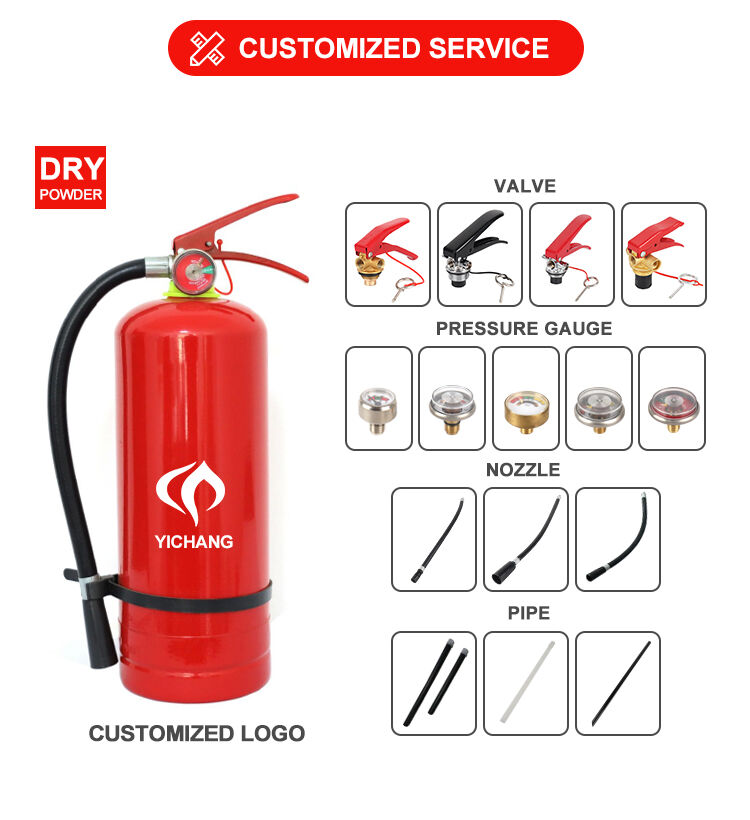
เหตุเพลิงไหม้ยานพาหนะถือเป็นหนึ่งในเหตุฉุกเฉินบนถนนที่อันตรายที่สุด ซึ่งสามารถทำลายทรัพย์สินและคุกคามชีวิตได้ภายในไม่กี่นาที ท่ามกลางโซลูชันการดับเพลิงทั้งหมดที่มีให้สำหรับความปลอดภัยของยานยนต์ ชนิดผงแห้ง จัดเป็นทางเลือกที่หลากหลายและมีประสิทธิภาพมากที่สุดสำหรับการใช้งานกับยานพาหนะ อุปกรณ์ขนาดกะทัดรัดแต่มีพลังเหล่านี้ให้ความสามารถในการดับเพลิงอย่างรวดเร็ว ซึ่งอาจเป็นตัวแปรสำคัญที่ทำให้เกิดเพียงเหตุการณ์เล็กน้อย หรือกลายเป็นความสูญเสียอย่างร้ายแรง
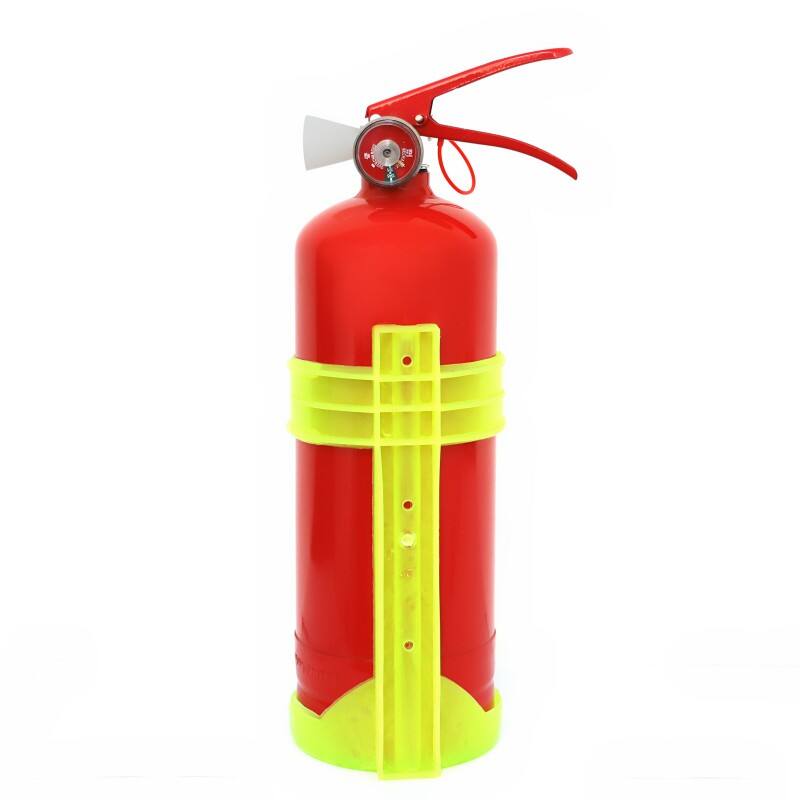
สภาพแวดล้อมในอุตสาหกรรมยานยนต์มีความเสี่ยงจากเพลิงไหม้ที่ไม่เหมือนใคร ซึ่งจำเป็นต้องใช้วิธีการดับเพลิงแบบพิเศษ โดยแหล่งจุดระเบิดและวัสดุที่ติดไฟได้ในยานพาหนะมีหลายประเภท ตั้งแต่ความผิดปกติของระบบไฟฟ้า รั่วของเชื้อเพลิง ไปจนถึงเครื่องยนต์ร้อนจัด เครื่องดับเพลิงชนิดผงแห้งที่เลือกใช้อย่างเหมาะสมสามารถจัดการกับความเสี่ยงจากเพลิงไหม้ที่หลากหลายเหล่านี้ได้ ในขณะเดียวกันก็มีขนาดกะทัดรัดพอที่จะจัดเก็บไว้ในยานพาหนะได้อย่างสะดวก การเข้าใจเหตุผลที่อุปกรณ์เหล่านี้ถือเป็นอุปกรณ์ความปลอดภัยที่จำเป็นยิ่ง จะช่วยให้ผู้ขับขี่สามารถตัดสินใจอย่างมีข้อมูลในการปกป้องตนเอง ผู้โดยสาร และทรัพย์สินของตน
การเข้าใจเทคโนโลยีเครื่องดับเพลิงชนิดผงแห้งสำหรับการใช้งานในยานยนต์
องค์ประกอบทางเคมีและกลไกการดับเพลิง
ถังดับเพลิงผงแห้งใช้สารเคมีพิเศษเป็นหลัก ได้แก่ โมโนแอมโมเนียม ฟอสเฟต หรือโซเดียมไบคาร์บอเนต เพื่อดับไฟผ่านกลไกการยับยั้งหลายประการ เมื่อปล่อยสารออกมา ผงจะสร้างชั้นป้องกันระหว่างเชื้อเพลิงกับออกซิเจน พร้อมทั้งลดอุณหภูมิของวัสดุที่กำลังลุกไหม้ไปพร้อมกัน แนวทางแบบสองประสิทธิภาพนี้ทำให้ถังดับเพลิงผงแห้งมีประสิทธิภาพสูงโดยเฉพาะในการจัดการกับชนิดของไฟที่หลากหลาย ซึ่งมักเกิดขึ้นในสถานการณ์ฉุกเฉินของยานพาหนะ
อนุภาคผงทำงานโดยการหยุดปฏิกิริยาเคมีแบบลูกโซ่ที่รักษาการเผาไหม้ไว้ เมื่อสัมผัสกับเปลวไฟ สารเคมีจะสลายตัวและปล่อยสารประกอบที่ทำให้รากอิสระ (free radicals) ซึ่งจำเป็นต่อการลุกลามของไฟเป็นกลาง กระบวนการแทรกแซงทางเคมีนี้เกิดขึ้นอย่างรวดเร็ว จึงสามารถควบคุมและดับไฟได้ทันที แม้ในสภาพแวดล้อมยานยนต์ที่ท้าทาย เช่น พื้นที่จำกัดหรือมีลมพัดซึ่งอาจทำให้การดับไฟซับซ้อนยิ่งขึ้น
สูตรผงแห้งแบบทันสมัยรวมสารช่วยไหล (flow additives) ที่ป้องกันการจับตัวเป็นก้อน และรับประกันประสิทธิภาพในการปล่อยสารอย่างสม่ำเสมอในช่วงอุณหภูมิที่แตกต่างกัน ความน่าเชื่อถือดังกล่าวมีความสำคัญยิ่งสำหรับการใช้งานในยานพาหนะ เนื่องจากถังดับเพลิงอาจต้องเผชิญกับอุณหภูมิสุดขั้ว การสั่นสะเทือน และระยะเวลาการเก็บรักษานานระหว่างการใช้งาน
ความสามารถในการป้องกันเพลิงหลายประเภท
ไฟไหม้ในยานพาหนะมักเกี่ยวข้องกับวัสดุที่ติดไฟได้หลายชนิดพร้อมกัน ซึ่งผู้เชี่ยวชาญด้านความปลอดภัยจากอัคคีภัยเรียกว่า สถานการณ์เพลิงหลายประเภท (multi-class fire scenarios) ถังดับเพลิงแบบผงแห้งมีประสิทธิภาพโดดเด่นในสถานการณ์ดังกล่าว เนื่องจากสามารถดับเพลิงประเภท A ได้อย่างมีประสิทธิภาพ ซึ่งเกิดจากวัสดุทั่วไปที่ติดไฟได้ เช่น วัสดุบุเบาะและชิ้นส่วนพลาสติก เพลิงประเภท B ที่เกิดจากของเหลวไวไฟ เช่น น้ำมันเบนซินและน้ำมันหล่อลื่น และเพลิงประเภท C ที่เกี่ยวข้องกับอุปกรณ์ไฟฟ้า
ประสิทธิภาพแบบกว้างสเปกตรัมนี้ช่วยขจัดความไม่แน่นอนที่มักเกิดขึ้นในการดับเพลิงในสถานการณ์ฉุกเฉินที่ต้องเผชิญกับความเครียดสูง แทนที่จะต้องระบุประเภทของเพลิงให้ชัดเจนก่อนเลือกใช้ถังดับเพลิงที่เหมาะสม ผู้ขับขี่ยานพาหนะสามารถใช้ถังดับเพลิงแบบผงแห้งได้อย่างมั่นใจในทุกสถานการณ์เพลิงไหม้ที่เกิดกับยานยนต์ ความอเนกประสงค์นี้มีคุณค่าอย่างยิ่งโดยเฉพาะเมื่อเพลิงไหม้เกี่ยวข้องกับแหล่งเชื้อเพลิงหลายชนิด หรือเมื่อจุดกำเนิดของเพลิงยังไม่สามารถระบุได้ชัดเจน
ความสามารถในการดับเพลิงที่เกี่ยวข้องกับระบบไฟฟ้าได้อย่างปลอดภัย ทำให้ถังดับเพลิงแบบผงแห้งมีความสำคัญอย่างยิ่งสำหรับยานพาหนะรุ่นใหม่ที่ติดตั้งระบบไฟฟ้าซับซ้อน ระบบขับเคลื่อนไฮบริด และชิ้นส่วนอิเล็กทรอนิกส์จำนวนมาก ต่างจากสารดับเพลิงที่มีส่วนผสมของน้ำซึ่งอาจก่อให้เกิดความเสี่ยงต่อการช็อตไฟฟ้า สารดับเพลิงแบบผงแห้งไม่นำไฟฟ้า จึงสามารถใช้งานได้อย่างปลอดภัยกับอุปกรณ์ไฟฟ้าที่ยังมีกระแสไฟฟ้าไหลผ่าน
ข้อได้เปรียบด้านความปลอดภัยที่สำคัญสำหรับการตอบสนองต่อเหตุฉุกเฉินบนยานพาหนะ
ประสิทธิภาพในการดับเพลิงอย่างรวดเร็ว
เวลาเป็นปัจจัยที่สำคัญที่สุดในเหตุเพลิงไหม้ยานพาหนะ เนื่องจากไฟไหม้รถยนต์สามารถลุกลามจากจุดเริ่มต้นไปสู่การลุกลามอย่างรุนแรงภายในระยะเวลาสามถึงห้านาที เครื่องดับเพลิงแบบผงแห้งให้ความสามารถในการดับเพลิงทันทีทันใดผ่านการปล่อยสารดับเพลิงด้วยความเร็วสูง ซึ่งช่วยปกคลุมพื้นที่เกิดเพลิงได้อย่างรวดเร็ว คุณลักษณะการปล่อยสารดับเพลิงอย่างรวดเร็วนี้ทำให้ผู้ใช้งานสามารถเข้าควบคุมเพลิงในระยะที่ยังควบคุมได้ง่ายที่สุด ก่อนที่เปลวเพลิงจะลุกลามไปยังถังเชื้อเพลิงหรือห้องโดยสาร
ระบบจ่ายสารดับเพลิงภายใต้ความดันในเครื่องดับเพลิงแบบผงแห้งคุณภาพสูงให้ระยะการฉีดพ่นที่มีประสิทธิภาพและพลังการเจาะทะลุที่ดี ทำให้ผู้ใช้งานสามารถรักษาระยะห่างที่ปลอดภัยไว้ขณะฉีดพ่นสารดับเพลิงไปยังแหล่งกำเนิดเพลิง ความสามารถในการฉีดพ่นจากระยะไกลนี้มีความสำคัญอย่างยิ่งโดยเฉพาะเมื่อเผชิญกับเพลิงที่ลุกลามจากเชื้อเพลิง หรือเมื่อการเข้าถึงตัวรถถูกจำกัดเนื่องจากความเสียหายจากอุบัติเหตุหรือตำแหน่งของรถบนถนน
การทดสอบโดยผู้เชี่ยวชาญแสดงให้เห็นว่าถังดับเพลิงแบบผงแห้งที่ได้รับการบำรุงรักษาอย่างเหมาะสมสามารถควบคุมเพลิงในยานยนต์ทั่วไปได้ภายใน 10 ถึง 15 วินาที หลังจากใช้งานอย่างถูกต้อง ความสามารถในการตอบสนองอย่างรวดเร็วนี้มักช่วยป้องกันไม่ให้เปลวเพลิงลุกลามไปยังระบบสำคัญของยานยนต์ และลดความเสี่ยงของการระเบิดซ้ำหรือการเกิดควันพิษ
ความเสถียรของอุณหภูมิและความทนทานต่อสิ่งแวดล้อม
สภาพแวดล้อมในการจัดเก็บยานยนต์ทำให้ถังดับเพลิงต้องเผชิญกับการเปลี่ยนแปลงอุณหภูมิสุดขั้ว ตั้งแต่อุณหภูมิต่ำกว่าศูนย์องศาเซลเซียสในฤดูหนาว ไปจนถึงความร้อนจัดในฤดูร้อนภายในห้องโดยสารหรือพื้นที่บรรทุกสินค้า ซึ่ง ชนิดผงแห้ง รักษาประสิทธิภาพในการทำงานได้ตลอดช่วงอุณหภูมิ -40°F ถึง 120°F ทำให้มั่นใจได้ถึงประสิทธิภาพที่เชื่อถือได้ ไม่ว่าจะอยู่ภายใต้เงื่อนไขตามฤดูกาลหรือสถานที่ตั้งทางภูมิศาสตร์ใดๆ
ความเสถียรของอุณหภูมินี้เกิดจากคุณสมบัติทางเคมีของสารดับเพลิงแบบผงแห้ง และโครงสร้างที่แข็งแรงของถังบรรจุความดันซึ่งออกแบบมาสำหรับการใช้งานในยานยนต์ ต่างจากสารดับเพลิงแบบของเหลวที่อาจแข็งตัวในสภาพอากาศหนาวเย็น หรือสูญเสียความดันเมื่ออยู่ในสภาพอุณหภูมิสูง ระบบดับเพลิงแบบผงแห้งจึงยังคงพร้อมใช้งานทันทีตลอดอายุการใช้งาน
สูตรผงมีคุณสมบัติต้านทานการดูดซับความชื้นและการจับตัวเป็นก้อน ทำให้รักษาคุณสมบัติในการไหลได้อย่างอิสระ ซึ่งจำเป็นต่อการปล่อยสารออกอย่างเหมาะสม แม้หลังการเก็บรักษานานๆ ในสภาพแวดล้อมที่มีความชื้นสูง ความน่าเชื่อถือของคุณสมบัตินี้มีความสำคัญอย่างยิ่งในสถานการณ์ฉุกเฉินที่การล้มเหลวของอุปกรณ์ไม่สามารถยอมรับได้
เกณฑ์การเลือกที่เหมาะสมสำหรับการใช้งานในยานยนต์
การพิจารณาเรื่องขนาดและกำลังบรรทุก
การเลือกขนาดของถังดับเพลิงผงแห้งที่เหมาะสมนั้นเกี่ยวข้องกับการสมดุลระหว่างความสามารถในการดับเพลิงกับข้อจำกัดด้านพื้นที่จัดเก็บในสภาพแวดล้อมยานยนต์ รถยนต์นั่งส่วนบุคคลแบบกะทัดรัดมักสามารถรองรับถังขนาด 2–3 กิโลกรัม ซึ่งให้ปริมาณสารดับเพลิงเพียงพอสำหรับการโจมตีเพลิงในระยะเริ่มต้น และยังสามารถจัดวางได้อย่างสะดวกใต้ที่นั่งหรือในช่องเก็บสัมภาระ (trunk compartments) ยานพาหนะขนาดใหญ่กว่า เช่น รถบรรทุก รถบ้าน (RVs) และยานพาหนะเชิงพาณิชย์ในฝูงยาน ได้รับประโยชน์จากถังขนาด 5–6 กิโลกรัม ซึ่งให้ความสามารถในการดับเพลิงที่ยาวนานขึ้น เพื่อรับมือกับความเสี่ยงจากไฟไหม้ที่อาจมีขนาดใหญ่กว่า
ระยะเวลาการปล่อยสาร (discharge duration) ถือเป็นอีกปัจจัยสำคัญหนึ่งในการกำหนดขนาดของถัง เนื่องจากถังขนาดใหญ่จะให้ระยะเวลาการใช้งานที่ยาวนานขึ้น ทำให้สามารถดับเพลิงได้อย่างทั่วถึงมากยิ่งขึ้น และสามารถรับมือกับเหตุการณ์เพลิงลุกลามซ้ำ (reflash incidents) ได้ แนวทางปฏิบัติด้านความปลอดภัยจากอัคคีภัยระดับมืออาชีพแนะนำให้ใช้ถังที่มีระยะเวลาการปล่อยสารอย่างน้อย 15 วินาทีสำหรับการใช้งานในยานยนต์ ซึ่งโดยทั่วไปแล้วจำเป็นต้องใช้ถังที่มีความจุไม่น้อยกว่า 2 กิโลกรัม
การพิจารณาน้ำหนักมีความสำคัญสำหรับการใช้งานในยานพาหนะ เนื่องจากถังดับเพลิงต้องสามารถพกพาได้อย่างสะดวกเพื่อใช้ในสถานการณ์ฉุกเฉิน รุ่นถังดับเพลิงแบบผงแห้งสมัยใหม่ได้รับการออกแบบให้เพิ่มประสิทธิภาพอัตราส่วนของสารดับเพลิงต่อน้ำหนัก ซึ่งช่วยให้มีความสามารถในการดับเพลิงสูงสุด ขณะเดียวกันก็ยังคงคุณสมบัติในการจัดการที่เหมาะสมสำหรับผู้ใช้งานทั่วไป
ข้อกำหนดเกี่ยวกับการติดตั้งและการเข้าถึง
การป้องกันเพลิงไหม้ในยานพาหนะอย่างมีประสิทธิภาพขึ้นอยู่กับความพร้อมใช้งานของถังดับเพลิงในสถานการณ์ฉุกเฉิน ซึ่งอาจมีทัศนวิสัยลดลงและแรงกดดันจากเวลาสูงมาก ถังดับเพลิงแบบผงแห้งควรติดตั้งในตำแหน่งที่เข้าถึงได้ง่ายแม้ทางออกหลักของยานพาหนะจะถูกปิดกั้น ซึ่งโดยทั่วไปจำเป็นต้องติดตั้งใกล้ตำแหน่งผู้ขับขี่ หรือในช่องเก็บของที่สามารถเข้าถึงได้ง่าย
ระบบติดตั้งที่เหมาะสมต้องยึดถังดับเพลิงให้มั่นคงไว้กับตัวรถ เพื่อป้องกันการเคลื่อนไหวของถังขณะขับขี่และแรงจากอุบัติเหตุที่อาจเกิดขึ้น พร้อมทั้งยังต้องสามารถปลดปล่อยถังออกได้อย่างรวดเร็วในภาวะฉุกเฉิน โครงยึดคุณภาพสูงมักมีกลไกปลดปล่อยอย่างรวดเร็ว (quick-release mechanisms) ซึ่งทำงานได้เชื่อถือได้แม้ผู้ใช้งานจะสวมถุงมือหรือมีความสามารถในการควบคุมกล้ามเนื้อเสื่อมลงจากความเครียด
ความมองเห็นและการระบุตำแหน่งถังดับเพลิงเป็นปัจจัยสำคัญเพิ่มเติมในการติดตั้ง เนื่องจากสถานการณ์ฉุกเฉินมักเกิดขึ้นในสภาพแสงน้อย หรือเมื่อผู้โดยสารในรถไม่คุ้นเคยกับตำแหน่งที่ติดตั้งถังดับเพลิง การใช้เครื่องหมายสะท้อนแสง (reflective marking) และการติดตั้งในตำแหน่งมาตรฐานช่วยให้มั่นใจได้ว่าจะสามารถค้นหาและนำถังดับเพลิงมาใช้งานได้อย่างรวดเร็วเมื่อเวลาเป็นสิ่งสำคัญที่สุด
ข้อกำหนดด้านการบำรุงรักษาและการให้บริการ
ข้อกำหนดในการตรวจสอบเป็นประจำ
การรักษาความน่าเชื่อถือของถังดับเพลิงแบบผงแห้ง (dry powder extinguisher) จำเป็นต้องอาศัยขั้นตอนการตรวจสอบอย่างเป็นระบบ เพื่อยืนยันทั้งสภาพทางกลไกและความพร้อมของสารดับเพลิง การตรวจสอบด้วยสายตาทุกเดือนควรยืนยันว่า มาตรวัดความดัน การอ่านค่าต่างๆ ตรวจสอบส่วนประกอบภายนอกเพื่อหาความเสียหายหรือการกัดกร่อน และยืนยันว่าระบบยึดติดยังคงมั่นคงแข็งแรง ขั้นตอนการตรวจสอบทั่วไปเหล่านี้ใช้เวลาเพียงไม่กี่นาที แต่ให้สัญญาณเตือนล่วงหน้าที่สำคัญเกี่ยวกับปัญหาที่อาจเกิดขึ้นกับอุปกรณ์
การบำรุงรักษาโดยผู้เชี่ยวชาญอย่างเป็นทางการทุกปีจะช่วยให้มั่นใจว่าส่วนประกอบภายในทำงานได้อย่างถูกต้อง และสารดับเพลิงแบบผงแห้งยังคงมีองค์ประกอบทางเคมีและคุณสมบัติการไหลที่เหมาะสม ช่างเทคนิคที่ผ่านการรับรองจะถอดอุปกรณ์ออกเพื่อตรวจสอบกลไกของวาล์ว เปลี่ยนซีลที่เสื่อมสภาพ และยืนยันว่าสูตรผงดับเพลิงสอดคล้องตามข้อกำหนดของผู้ผลิตในด้านประสิทธิภาพในการดับเพลิง
การจัดทำเอกสารบันทึกการตรวจสอบและการให้บริการสร้างบันทึกการบำรุงรักษาที่สำคัญ ซึ่งใช้ติดตามสภาพของถังดับเพลิงตลอดระยะเวลาการใช้งาน และรับรองว่าสอดคล้องตามข้อบังคับด้านความปลอดภัย การจัดเก็บบันทึกอย่างเหมาะสมยังสนับสนุนการเรียกร้องสิทธิภายใต้การรับประกัน และให้ข้อมูลที่มีค่าสำหรับการวางแผนเปลี่ยนถังดับเพลิงเมื่อใกล้ถึงอายุการใช้งานสูงสุด
การเพิ่มประสิทธิภาพสภาพแวดล้อมในการจัดเก็บ
การเพิ่มอายุการใช้งานของถังดับเพลิงแบบผงแห้งสูงสุดนั้นต้องให้ความสำคัญกับสภาพแวดล้อมในการจัดเก็บภายในยานพาหนะ แม้ว่าอุปกรณ์เหล่านี้จะทนต่ออุณหภูมิสุดขั้วได้ดี แต่การลดการสัมผัสโดยตรงกับแสงแดดและความร้อนสูงเกินไปจะช่วยยืดอายุของชิ้นส่วนและรักษาประสิทธิภาพการทำงานสูงสุดไว้ได้ การเลือกตำแหน่งติดตั้งอย่างชาญฉลาดที่ให้การป้องกันจากแสง UV และการเปลี่ยนแปลงอุณหภูมิอย่างรุนแรง จะส่งผลต่อความน่าเชื่อถือในระยะยาว
การลดการสั่นสะเทือนมีความสำคัญสำหรับยานพาหนะที่ใช้งานในสภาวะที่รุนแรงหรือเดินทางเป็นระยะเวลานานบนพื้นผิวที่ไม่เรียบ ระบบการติดตั้งคุณภาพสูงจะมีคุณสมบัติในการดูดซับการสั่นสะเทือน ซึ่งช่วยปกป้องชิ้นส่วนภายในจากการเสียหายเนื่องจากความล้า และยังคงรักษาตำแหน่งที่มั่นคงระหว่างการใช้งานยานพาหนะตามปกติ
การป้องกันความชื้นต้องได้รับการใส่ใจเป็นพิเศษในยานพาหนะที่ใช้งานในสภาพแวดล้อมทางทะเลหรือพื้นที่ที่มีระดับความชื้นสูง การปิดผนึกอย่างเหมาะสมและการตรวจสอบความสมบูรณ์ของภาชนะรับแรงดันเป็นระยะๆ จะช่วยป้องกันไม่ให้ความชื้นแทรกซึมเข้าไป ซึ่งอาจส่งผลต่อคุณสมบัติการไหลของผงหรือก่อให้เกิดการกัดกร่อนภายใน
การผสานรวมกับระบบความปลอดภัยของรถยนต์
กลยุทธ์การป้องกันอัคคีภัยแบบเสริม
ถังดับเพลิงแบบผงแห้งจะทำงานได้มีประสิทธิภาพสูงสุดเมื่อเป็นส่วนหนึ่งของกลยุทธ์ความปลอดภัยจากอัคคีภัยสำหรับยานพาหนะโดยรวม ซึ่งรวมถึงมาตรการป้องกันและแผนการตอบสนองฉุกเฉิน การบำรุงรักษาระบบเชื้อเพลิง การเชื่อมต่อระบบไฟฟ้า และชิ้นส่วนระบบระบายความร้อนอย่างสม่ำเสมอจะช่วยลดความน่าจะเป็นของการเกิดเพลิงไหม้ ขณะเดียวกันก็รับประกันว่าอุปกรณ์ดับเพลิงจะทำหน้าที่เป็นแนวป้องกันขั้นสุดท้าย แทนที่จะเป็นมาตรการความปลอดภัยหลัก
การฝึกอบรมผู้ขับขี่และการฝึกซ้อมเป็นระยะเกี่ยวกับการใช้ถังดับเพลิงอย่างถูกต้อง ช่วยยกระดับประสิทธิภาพของการตอบสนองฉุกเฉินได้อย่างมาก การเข้าใจว่าเมื่อใดควรพยายามดับไฟและเมื่อใดควรอพยพทันทีนั้น ต้องอาศัยการตัดสินใจซึ่งเกิดจากความรู้และความพร้อมล่วงหน้า หลักสูตรการฝึกอบรมถังดับเพลิงแบบผงแห้งคุณภาพสูงจะสอนทั้งการปฏิบัติการเชิงเทคนิคและการตัดสินใจเชิงยุทธศาสตร์สำหรับสถานการณ์เพลิงไหม้ที่หลากหลาย
ระบบสื่อสารฉุกเฉินควรผสานรวมเข้ากับแผนการระงับเพลิง เพื่อให้มั่นใจว่าจะมีการตอบสนองจากหน่วยงานดับเพลิงมืออาชีพอย่างรวดเร็วเมื่อสถานการณ์เกินขีดความสามารถในการควบคุมของบุคคล ถังดับเพลิงแบบพกพาให้ศักยภาพในการตอบสนองเบื้องต้นที่มีคุณค่า แต่อาจจำเป็นต้องได้รับการสนับสนุนเพิ่มเติมจากหน่วยงานดับเพลิงมืออาชีพเพื่อให้สามารถแก้ไขเหตุการณ์ได้อย่างสมบูรณ์
ความคิดทางกฎหมายและกฎหมาย
การดำเนินงานยานพาหนะเชิงพาณิชย์มักเผชิญกับข้อกำหนดด้านกฎระเบียบเฉพาะสำหรับอุปกรณ์ดับเพลิง ซึ่งส่งผลต่อการเลือกใช้ถังดับเพลิงผงแห้งและการปฏิบัติงานด้านการบำรุงรักษา ความเข้าใจในข้อบังคับที่เกี่ยวข้องจะช่วยให้มั่นใจว่าสอดคล้องตามกฎหมาย ขณะเดียวกันก็สามารถปรับระดับการป้องกันให้เหมาะสมกับความต้องการในการปฏิบัติงานเฉพาะและระดับความเสี่ยงที่เกิดขึ้น
ปัจจัยด้านประกันภัยอาจเป็นแรงจูงใจในการติดตั้งและบำรุงรักษาอุปกรณ์ดับเพลิงอย่างเหมาะสม นโยบายประกันภัยยานพาหนะเชิงพาณิชย์หลายฉบับเสนอส่วนลดเบี้ยประกันสำหรับกองยานพาหนะที่แสดงให้เห็นถึงมาตรการป้องกันอัคคีภัยอย่างรอบด้าน รวมถึงการเลือกใช้ถังดับเพลิงที่เหมาะสมและการดำเนินโครงการบำรุงรักษาอย่างสม่ำเสมอ
การคุ้มครองความรับผิดทางกฎหมายผ่านอุปกรณ์ดับเพลิงที่เหมาะสมนั้นไม่เพียงแต่ครอบคลุมการปฏิบัติตามข้อบังคับเท่านั้น แต่ยังแสดงให้เห็นถึงการปฏิบัติด้วยความระมัดระวังอย่างสมเหตุสมผลในการคุ้มครองทั้งผู้โดยสารภายในยานพาหนะและสาธารณชนด้วย ระบบถังดับเพลิงผงแห้งที่ได้รับการบำรุงรักษาอย่างดีจะสนับสนุนการป้องกันทางกฎหมายในกรณีที่เหตุเพลิงไหม้ส่งผลให้เกิดความเสียหายต่อทรัพย์สินหรือมีการเรียกร้องค่าเสียหายจากการบาดเจ็บส่วนบุคคล
คำถามที่พบบ่อย
ฉันควรเปลี่ยนผงดับเพลิงแห้งในถังดับเพลิงสำหรับยานพาหนะของฉันบ่อยแค่ไหน
โดยทั่วไปแล้ว ถังดับเพลิงแบบผงแห้งส่วนใหญ่ต้องเปลี่ยนสารดับเพลิงทั้งหมดทุกๆ 6 ปี อย่างไรก็ตาม การตรวจสอบโดยผู้เชี่ยวชาญเป็นประจำทุกปีอาจระบุความจำเป็นในการเปลี่ยนก่อนกำหนดได้ ผงดับเพลิงอาจจับตัวเป็นก้อนหรือตกตะกอนเมื่อเวลาผ่านไป โดยเฉพาะในสภาพแวดล้อมยานพาหนะที่มีการสั่นสะเทือนสูง ซึ่งอาจส่งผลต่อประสิทธิภาพในการปล่อยสารดับเพลิง การตรวจสอบมาตรวัดแรงดันอย่างสม่ำเสมอและการให้บริการโดยผู้เชี่ยวชาญทุกปีจะช่วยกำหนดช่วงเวลาที่เหมาะสมที่สุดสำหรับการเปลี่ยนถังดับเพลิง โดยพิจารณาจากสภาพจริง แทนที่จะยึดตามตารางเวลาที่กำหนดไว้แบบตายตัว
ถังดับเพลิงแบบผงแห้งสามารถทำให้เครื่องยนต์หรือระบบไฟฟ้าของยานพาหนะของฉันเสียหายได้หรือไม่
สารดับเพลิงแบบผงแห้งไม่นำไฟฟ้าและโดยทั่วไปปลอดภัยต่อการใช้งานใกล้ชิ้นส่วนอุปกรณ์ไฟฟ้า แต่อาจมีฤทธิ์กัดกร่อนเล็กน้อยหากไม่ทำความสะอาดออกทันทีหลังจากการปล่อยสาร ผงดังกล่าวอาจจำเป็นต้องให้ผู้เชี่ยวชาญทำความสะอาดออกจากห้องเครื่องยนต์และระบบอิเล็กทรอนิกส์ อย่างไรก็ตาม ค่าใช้จ่ายในการทำความสะอาดนี้ถือว่าน้อยมากเมื่อเทียบกับความเสียหายจากเพลิงไหม้ สารดับเพลิงแบบผงแห้งรุ่นใหม่ในปัจจุบันได้รับการออกแบบมาเพื่อลดปัญหาคราบตกค้างให้น้อยที่สุด ขณะเดียวกันก็ยังคงประสิทธิภาพในการดับเพลิงไว้อย่างเต็มที่
ฉันควรใช้ถังดับเพลิงแบบผงแห้งขนาดเท่าใดสำหรับรถยนต์ส่วนบุคคลของฉัน?
ถังดับเพลิงแบบผงแห้งขนาด 2–3 กิโลกรัมให้การป้องกันที่เพียงพอสำหรับรถยนต์นั่งส่วนบุคคลส่วนใหญ่ และยังคงมีน้ำหนักที่ผู้ใช้ทั่วไปสามารถจัดการได้อย่างสะดวก สำหรับยานพาหนะขนาดใหญ่กว่า เช่น SUV รถบรรทุก หรือรถบ้าน (RV) จะได้รับประโยชน์มากขึ้นจากถังดับเพลิงขนาด 4–5 กิโลกรัม เพื่อให้มีความสามารถในการดับเพลิงอย่างต่อเนื่องนานขึ้น ประเด็นสำคัญคือการเลือกขนาดที่สมดุลระหว่างความสามารถในการดับเพลิงกับความสามารถของคุณในการนำถังดับเพลิงออกมาใช้งานได้อย่างรวดเร็วและมีประสิทธิภาพในสถานการณ์ฉุกเฉิน
การเก็บถังดับเพลิงแบบผงแห้งในที่เก็บสัมภาระของรถยนต์ของฉันในช่วงสภาพอากาศสุดขั้วปลอดภัยหรือไม่
ถังดับเพลิงแบบผงแห้งคุณภาพสูงได้รับการออกแบบให้ทนต่ออุณหภูมิสุดขั้วในยานยนต์ได้ตั้งแต่ -40°F ถึง 120°F โดยไม่ส่งผลต่อประสิทธิภาพในการทำงาน อย่างไรก็ตาม ตำแหน่งที่ติดตั้งควรหลีกเลี่ยงการสัมผัสแสงแดดโดยตรง และต้องมีการป้องกันความเสียหายจากแรงกระแทกทางกายภาพ การเก็บไว้ในที่เก็บสัมภาระถือว่าเหมาะสม ทั้งนี้หากมีการยึดตรึงอุปกรณ์อย่างเหมาะสมและป้องกันไม่ให้สัมภาระเคลื่อนตัวจนกระทบต่อภาชนะบรรจุแรงดันหรือกลไกการปล่อยสารดับเพลิง
สารบัญ
- การเข้าใจเทคโนโลยีเครื่องดับเพลิงชนิดผงแห้งสำหรับการใช้งานในยานยนต์
- ข้อได้เปรียบด้านความปลอดภัยที่สำคัญสำหรับการตอบสนองต่อเหตุฉุกเฉินบนยานพาหนะ
- เกณฑ์การเลือกที่เหมาะสมสำหรับการใช้งานในยานยนต์
- ข้อกำหนดด้านการบำรุงรักษาและการให้บริการ
- การผสานรวมกับระบบความปลอดภัยของรถยนต์
-
คำถามที่พบบ่อย
- ฉันควรเปลี่ยนผงดับเพลิงแห้งในถังดับเพลิงสำหรับยานพาหนะของฉันบ่อยแค่ไหน
- ถังดับเพลิงแบบผงแห้งสามารถทำให้เครื่องยนต์หรือระบบไฟฟ้าของยานพาหนะของฉันเสียหายได้หรือไม่
- ฉันควรใช้ถังดับเพลิงแบบผงแห้งขนาดเท่าใดสำหรับรถยนต์ส่วนบุคคลของฉัน?
- การเก็บถังดับเพลิงแบบผงแห้งในที่เก็บสัมภาระของรถยนต์ของฉันในช่วงสภาพอากาศสุดขั้วปลอดภัยหรือไม่

