
 EN
EN
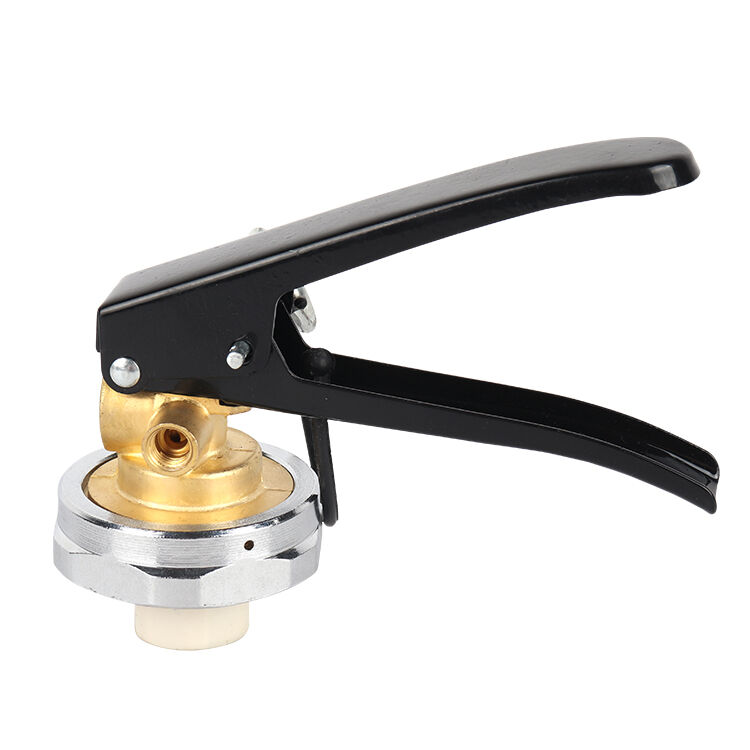
Bir kuru tozlu söndürücü endüstriyel, ticari ve konut uygulamaları boyunca en çok yönlü ve yaygın olarak kullanılan yangın söndürme sistemlerinden birini temsil eder. Bu yangın güvenliği ekipmanının etkinliği, basınçlı silindirinin içinde bulunan özel kimyasal bileşime tamamen bağlıdır; bu bileşim, yanma sürecini kesme ve farklı yangın sınıflarını bastırma yeteneğini belirler.
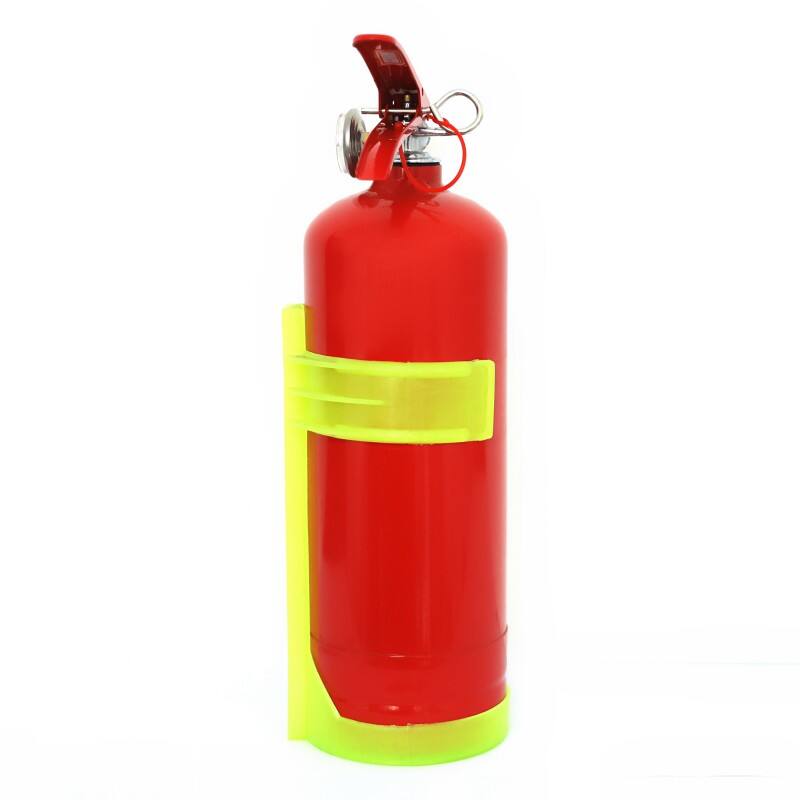
Kuru toz yangın söndürücülerinin iç yapısındaki kimyasal bileşimin anlaşılması, bu yangın söndürme cihazlarının nasıl çalıştığını, sınırlılıklarını ve neden farklı yangın senaryoları için farklı formülasyonların geliştirildiğini anlamak açısından kritik bir içgörü sağlar. Bu söndürücülerin içindeki kimyasal maddeler, yangın üçgenini bozarak ve yeniden tutuşmayı önleyerek çoklu mekanizmalarla çalışan, dikkatle tasarlanmış bileşiklerdir; bu nedenle kapsamlı yangın güvenliği stratejilerinin temel bileşenleridir.
Kuru Toz Yangın Söndürücülerindeki Birincil Kimyasal Maddeler
Monoamonyum Fosfat Tabanlı Sistemler
Monoamonyum fosfat, çoğunlukla sınıf A, B ve C yangınları için kullanılan çok amaçlı kuru toz söndürücü formülasyonlarının temel kimyasal maddesidir ve genellikle toplam toz kompozisyonunun %85-95’ini oluşturur. Kimyasal formülü NH4H2PO4 olan bu kristal bileşik, sınıf A, B ve C yangınlarında üstün yangın söndürme yeteneği sağlar. Yangın söndürme işlemleri sırasında ısıya maruz kaldığında monoamonyum fosfat, amonyak ve fosforik asit açığa çıkararak yanıcı malzemelere oksijenin ulaşmasını engelleyen koruyucu bir kaplama oluşturur.
Monoamonyum fosfatın kuru toz söndürücülerdeki etkinliği, çift eylemli mekanizmasından kaynaklanır. Bu kimyasal madde, yanmakta olan malzemeyi endotermik ayrışma yoluyla soğuturken aynı zamanda yeniden tutuşmayı önleyen bir bariyer görevi gören camımsı bir kaplama da oluşturur. Endüstriyel sınıf formülasyonlarda, kimyasalın kararlılığını artırmak ve boşaltım işlemlerinde akış özelliklerini iyileştirmek amacıyla ek fosfat bileşikleri de sıklıkla kullanılır.
Yangın söndürme uygulamalarında monoamonyum fosfat için üretim spesifikasyonları, tıkanmayı önlemek ve tutarlı performans sağlamak amacıyla genellikle nem içeriğinin %0,25’in altında tutulmasını gerektiren katı saflık standartları içerir. Partikül boyutu dağılımı, kurutulmuş toz söndürücünün basınç altında çalışırken hem depolama kararlılığını hem de boşaltım etkinliğini optimize edebilmesi için genellikle 10-75 mikron aralığında olmalıdır.
Sodyum Bikarbonat Formülasyonları
Sodyum bikarbonat, özellikle B ve C sınıfı yangınlar için tasarlanmış özel kurutulmuş toz söndürücü sistemlerinde bulunan başka bir temel kimyasal bileşendir. Kimyasal olarak NaHCO3 olarak bilinen bu bileşik, hızlı ayrışma özellikleri ve etkili buhar bastırma özellikleri sayesinde yanıcı sıvı yangınlarına karşı üstün performans gösterir. Isındığında sodyum bikarbonat karbon dioksit gazı açığa çıkarır; bu gaz, yangın ortamındaki oksijeni yerinden eder.
Sodyum bikarbonatın yangın söndürmedeki kimyasal mekanizması, yaklaşık 270°C sıcaklıkta termal bozunmayı içerir; bu süreçte su buharı, karbon dioksit ve sodyum karbonat kalıntısı oluşur. Bu bozunma süreci önemli miktarda ısı enerjisi emer ve yangınları söndürmeye yardımcı olan soğutma etkisine katkı sağlar. Oluşan sodyum karbonat, belirli asidik yanma ürünlerini nötralize etmeye yardımcı olabilen hafifçe alkali bir ortam yaratır.
Kuru toz söndürücü uygulamaları için profesyonel sınıf sodyum bikarbonat formülasyonları, en uygun partikül morfolojisi ve yüzey özelliklerini sağlamak amacıyla özel işlem görmüştür. Kimyasal madde, çeşitli sıcaklık ve nem koşulları altında serbest akış özelliğini korumalı ve söndürücü silindirinden basınçla dışarı atıldığında tutarlı boşaltım desenleri sağlamalıdır.
Kimyasal Katkı Maddeleri ve Performans Artırıcılar
Akış Koşullandırma Ajanları
Modern kuru toz söndürücü formülasyonları, tozun akış özelliklerini iyileştirmek ve depolama sırasında nem emilimini önlemek amacıyla çeşitli kimyasal katkı maddeleri içerir. Silikon bileşikleri, özellikle hidrofob silika, bireysel toz partiküllerini kaplayarak partikül arasındaki çekimi azaltan ve serbest akış özelliklerini koruyan yaygın akış koşullandırma ajanlarıdır. Bu katkı maddeleri genellikle toplam toz kompozisyonunun %1–3'ünü oluşturur; ancak güvenilir söndürücü performansının sağlanmasında kritik roller oynar.
Magnesyum stearat veya çinko stearat gibi metalik stearatlar, birçok kuru tozlu söndürücü formülasyonda ek akış koşullandırma ajanı olarak işlev görür. Bu mumumsu bileşikler, toz partikülleri arasında kayganlık sağlarken nem emilimine direnç gösteren hidrofob yüzey bariyerleri oluşturur. Bu stearatların kimyasal yapısı, ana söndürücü ajan partiküllerinin etrafında ince, koruyucu filmler oluşturmasını sağlar; ancak yangın söndürme özelliklerini önemli ölçüde değiştirmez.
Sıcaklık dayanımlı polimerik katkı maddeleri, aşırı çevre koşullarında performansı artırmak amacıyla özel kuru toz söndürücü kimyasallarına da dahil edilebilir. Bu sentetik bileşikler, geniş sıcaklık aralıkları boyunca etkinliklerini korur ve böylece söndürücünün hem yüksek ısıya maruz kalan endüstriyel ortamlarda hem de geleneksel formülasyonların performans kaybı yaşayabileceği soğuk depolama tesislerinde işlevsel kalmasını sağlar.
Kömürleme ve Kararlılık Bileşikleri
Kimyasal kömürleme önleyici maddeler, kuru toz söndürücü silindirlerinde uzun süreli depolama sırasında katı kütle oluşumunu engeller. Yaygın kömürleme önleyici bileşikler arasında tricalciyum fosfat, demir oksit ve iz miktarlardaki nemi emerek toz partiküllerinin birbirinden ayrılmasını sağlayan çeşitli kil mineralleri yer alır. Bu kimyasallar, kuru toz söndürücünün kullanım ömrü boyunca tutarlı boşaltım özelliklerini korumasını sağlar.
Korozyon inhibitörleri, iç silindir yüzeylerini ve boşaltım mekanizmalarını kimyasal bozulmaya karşı korumak amacıyla kuru toz yangın söndürücü formülasyonlarına katılan başka bir kimyasal katkı maddesi sınıfını temsil eder. Benzo-triazol gibi organik bileşikler ya da sodyum nitrit gibi inorganik katkı maddeleri, ana söndürücü maddelerle uyumlu kalırken metal oksidasyonuna karşı koruyucu bariyerler oluşturur.
pH tamponlayıcı maddeler, kuru toz yangın söndürücü sistemi içinde kimyasal kararlılığı sağlamak amacıyla toz karışımının asitliğini veya alkaliliğini kontrol eder. Bu bileşikler, farklı bileşenler arasında istenmeyen kimyasal reaksiyonların oluşmasını önlerken aynı zamanda söndürücü maddelerin kimyasal olarak aktif kalmasını ve acil durumlar sırasında kullanıma hazır olmasını sağlar.
Yangın Bastırma Kimyası ve Mekanizmaları
Yanmayı Durdurma Süreçleri
Kuru toz yangın söndürücülerinin kimyasal etkinliği, yanma sürecini çeşitli aşamalarda bozan birden fazla eşzamanlı mekanizmaya dayanır. Birincil bastırma mekanizması, ateşi sürdüren serbest radikal zincir reaksiyonlarına kimyasal müdahaleyi içerir; özellikle alev yayılmasını sağlayan hidroksil (OH) ve hidrojen (H) radikalleriyle ilgilidir. Kuru toz kimyasalları bu radikallerle temas ettiğinde, devam eden yanmayı destekleyemeyen daha kararlı bileşikler oluştururlar.
Isı emimi, kuru toz yangın söndürücü kimyasallarının yangınları bastırmadaki başka bir kritik mekanizmadır. Monoamonyum fosfat gibi bileşiklerin endotermik ayrışması, yangın ortamından büyük miktarda ısı enerjisi emerek yanıcı malzemelerin tutuşma noktasının altındaki sıcaklıklara düşmesine neden olur. Bu soğutma etkisi, kimyasal radikal süpürme ile sinerjik olarak çalışarak kapsamlı bir yangın bastırma sağlar.
Oksijen yer değiştirmesi, belirli kuru toz söndürücü kimyasallarının karbon dioksit ve su buharı gibi inert gazlar açığa çıkararak bozunması durumunda gerçekleşir. Bu gazlar, yangın bölgesinin hemen yakınındaki oksijen derişimini seyreltir ve devam eden yanmayı destekleyemeyecek bir atmosfer oluşturur. Oksijen yer değiştirmesi ile radikal süpürme birlikte, yangın söndürmenin çoklu yollarını sağlar ve kuru toz sistemlerini çeşitli yangın senaryolarında son derece etkili kılar.
Yüzey Kaplaması ve Engel Oluşumu
Kuru toz söndürücü sistemlerindeki birçok kimyasal, söndürülen malzemelerin yeniden tutuşmasını önlemek için koruyucu yüzey engelleri oluşturur. Fosfat bazlı bileşikler, ısıtıldıklarında yanmaz, cammsı kaplamalar oluşturarak yanabilir yüzeyleri oksijenle temasından etkili bir şekilde izole eder. Bu engel oluşumu mekanizması, odun, kağıt ve tekstil gibi katı yanabilir malzemelerle ilgili Sınıf A yangınlarını söndürmede özellikle değerlidir.
Bu koruyucu bariyerlerin kimyasal bileşimi, kullanılan özel kuru toz söndürücü formülasyonuna bağlı olarak değişir. Monoamonyum fosfat, yüksek sıcaklıklarda stabil kalabilen fosforik asit tabanlı camlar oluştururken, sodyum bikarbonat farklı koruyucu özelliklere sahip karbonat kalıntıları üretir. Bu bariyer özelliklerini anlamak, belirli kuru toz formülasyonlarının belirli yangın türlerine karşı neden daha iyi performans gösterdiğini açıklamaya yardımcı olur.
Buhar bastırma, özellikle yanıcı sıvılarla ilgili B sınıfı yangın uygulamalarında kuru toz söndürücü kimyasalları tarafından kullanılan ek bir bariyer mekanizmasıdır. Toz kimyasalları, sürdürülen yanmayı sağlamak için gerekli olan buhar-hava karışım süreçlerine müdahale eden yoğun parçacık bulutları oluşturur. Bu bastırma etkisi, sıvı yakıt senaryolarında kapsamlı yangın kontrolü sağlamak amacıyla diğer kimyasal mekanizmalarla birlikte çalışır.
Kimyasal Uyumluluk ve Güvenlik Hususları
Malzeme Uyumluluk Faktörleri
Kuru toz söndürücü maddelerin kimyasal bileşimi, korunan alandaki çeşitli malzemeler ve ekipmanlarla uyumluluklarını belirler. Monoamonyum fosfat bazlı formülasyonlar, hassas elektronik ekipmanlar, metal yüzeyler ve belirli sentetik malzemeler üzerinde uzun süreli maruziyet dönemleri boyunca hafif aşındırıcı özellikler gösterir. Bu uyumluluk sınırlamalarını anlamak, tesis yöneticilerinin kuru toz söndürücülerin yerleştirilmesi ve deşarj sonrası temizlik gereksinimleri konusunda bilinçli kararlar vermesine yardımcı olur.
Sodyum bikarbonat formülasyonları, genellikle fosfat bazlı kuru toz söndürücü kimyasallarına kıyasla daha iyi malzeme uyumluluğu gösterir ve bu nedenle hassas ekipman alanlarının korunması için tercih edilir. Ancak sodyum bikarbonattan kaynaklanan alkali kalıntısı, özellikle pH değişimlerine duyarlı olan bazı malzemelere hâlâ zarar verebilir. Tesis özelinde malzeme uyumluluğu değerlendirmeleri, söndürücü maddenin ve korunan ekipmanın kimyasal özelliklerini dikkate almalıdır.
Kimyasal kalıntı temizliği gereksinimleri, yangın söndürme operasyonları sırasında kullanılan belirli kuru toz söndürücü formülasyonuna bağlı olarak önemli ölçüde değişir. Bazı katkı maddeleri ve akış koşullandırıcılar, ekipmanlara ve yüzeylere uzun vadeli hasar verilmesini önlemek için özel temizlik prosedürleri gerektirebilir. Acil durum müdahale planlarında, kurulu kuru toz sistemlerinin belirli kimyasal özelliklerini ele alan ayrıntılı temizlik protokolleri yer almalıdır.
Sağlık ve Çevresel Etki Değerlendirmesi
Kuru toz söndürme sistemlerindeki kimyasal bileşenler, normal işletme koşullarında genellikle düşük toksisite riski oluşturur; ancak deşarj işlemleri sırasında maruziyet, uygun güvenlik önlemlerini gerektirir. Toz partiküllerinin solunması solunum yollarında tahrişe neden olabilirken, bazı formülasyonlarla doğrudan cilt teması hafif tahriş etkilerine yol açabilir. Belirli kuru toz söndürücü kimyasalları için güvenlik veri formları, maruziyetle ilgili ayrıntılı rehberlik ve acil tıbbi tedavi prosedürlerini içerir.
Çevresel etki değerlendirmeleri, kuru toz söndürücü deşarj işlemlerinden sonra kimyasal kalıntıların yönetimi üzerine odaklanır. Çoğu formülasyon, doğru şekilde yönetildiğinde minimum ekolojik risk oluşturan çevreye dost bileşenler içerir; ancak yoğunlaşmış kalıntılar, düzenleyici gerekliliklere uygun olarak uygun şekilde sınırlandırılmayıp bertaraf edilmediği takdirde toprak pH’sını veya sucul sistemleri etkileyebilir.
Kuru toz yangın söndürücü kimyasallarının uzun vadeli depolama kararlılığı, bu sistemlerin hizmet ömürleri boyunca etkinliklerini korumalarını ve sağlık veya çevreyle ilgili endişe yaratabilecek bozulma ürünlerinin oluşumunu en aza indirmelerini sağlar. Düzenli muayene ve test protokolleri, sistemin performansını veya güvenlik özelliklerini etkileyebilecek herhangi bir kimyasal değişikliği tespit etmeye yardımcı olur ve acil müdahale durumunda sürekli güvenilir çalışmayı sağlar.
SSS
Çoğu kuru toz yangın söndürücüsünde ana kimyasal bileşen nedir?
Monoamonyum fosfat (NH4H2PO4), çoğunlukla %85–%95 oranında kuru tozun bileşimini oluşturarak çoğu çok amaçlı kuru toz yangın söndürücüsünde ana kimyasal bileşen olarak görev yapar. Bu bileşik, termal bozunma ve bariyer oluşumu mekanizmaları aracılığıyla A, B ve C sınıfı yangınlara karşı etkili yangın söndürme sağlar.
Kuru toz yangın söndürücülerindeki kimyasallar insanlar için zararlı mıdır?
Kuru toz yangın söndürücülerindeki kimyasallar, normal koşullarda genellikle düşük toksisite riski oluşturur. Ancak boşaltma sırasında solunum yoluyla alınmaları solunum yollarında tahrişe neden olabilir ve cilt ile teması hafif tahrişe yol açabilir. Boşaltma işlemleri sırasında ve sonrasında uygun havalandırma ile temel koruyucu önlemler alınmalıdır.
Farklı yangın türleri, kuru toz yangın söndürücülerinde farklı kimyasal formüller gerektirir mi?
Evet, farklı yangın sınıfları özel kimyasal formüllerden yararlanır. Monoamonyum fosfat, A, B ve C sınıfı yangınlar için etkilidir; sodyum bikarbonat bazlı formüller ise özellikle B ve C sınıfı yangınlarla mücadelede üstün performans gösterir. Bazı özel uygulamalarda, belirli yangın türlerine karşı artırılmış performans sağlamak amacıyla potasyum bazlı bileşikler kullanılabilir.
Kuru toz yangın söndürücülerindeki kimyasallar yangınları nasıl söndürür?
Kuru toz söndürücü kimyasalları, yanma zincir reaksiyonlarını kesen serbest radikal yakalama, ısı enerjisi yutan endotermik ayrışma, gaz salınımı yoluyla oksijen yer değiştirmesi ve yeniden tutuşmayı önleyen bir bariyer oluşturması gibi çoklu mekanizmalarla çalışır. Bu birleşik etkiler, çeşitli yangın senaryolarında kapsamlı yangın söndürme sağlar.
İçindekiler Tablosu
- Kuru Toz Yangın Söndürücülerindeki Birincil Kimyasal Maddeler
- Kimyasal Katkı Maddeleri ve Performans Artırıcılar
- Yangın Bastırma Kimyası ve Mekanizmaları
- Kimyasal Uyumluluk ve Güvenlik Hususları
-
SSS
- Çoğu kuru toz yangın söndürücüsünde ana kimyasal bileşen nedir?
- Kuru toz yangın söndürücülerindeki kimyasallar insanlar için zararlı mıdır?
- Farklı yangın türleri, kuru toz yangın söndürücülerinde farklı kimyasal formüller gerektirir mi?
- Kuru toz yangın söndürücülerindeki kimyasallar yangınları nasıl söndürür?

