
 EN
EN
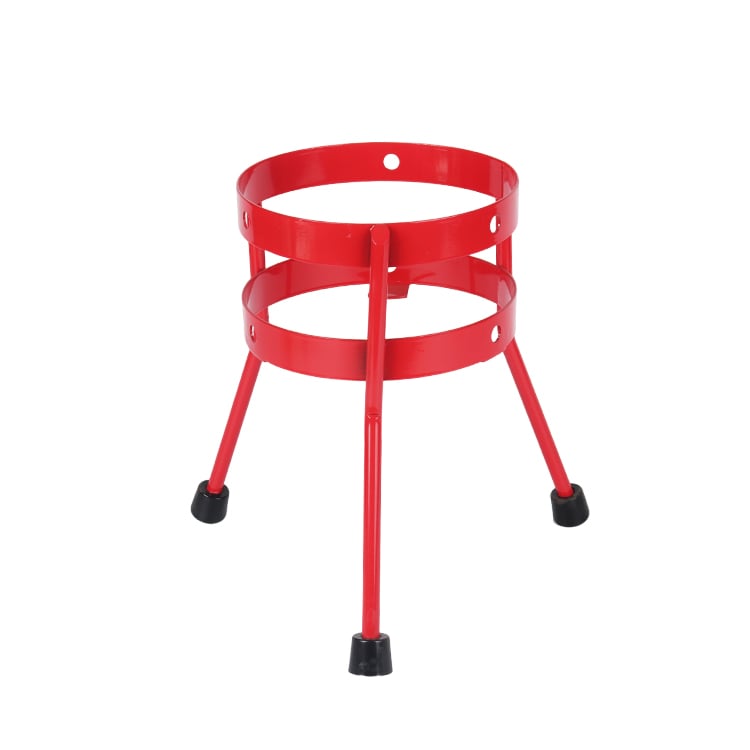
Small businesses face unique fire safety challenges that require practical, cost-effective solutions. Budget constraints often prevent facilities from investing in comprehensive fire protection systems, yet maintaining adequate firefighting accessories remains essential for workplace safety and legal compliance. Understanding how to source affordable firefighting accessories without compromising quality or reliability is critical for business owners who need to protect employees, assets, and customer safety within realistic financial limitations.
The market for firefighting accessories has expanded significantly, offering small businesses more options than ever before to build effective fire safety programs at lower price points. Modern firefighting accessories include portable extinguishers, detection equipment, emergency response kits, and protective gear that can be assembled strategically to maximize safety impact while minimizing expenditure. By focusing on essential items and leveraging bulk purchasing, maintenance partnerships, and preventive strategies, small business owners can establish robust fire safety frameworks that meet regulatory requirements and protect their operations.
Essential Firefighting Accessories for Small Workplaces
Core Fire Suppression Equipment
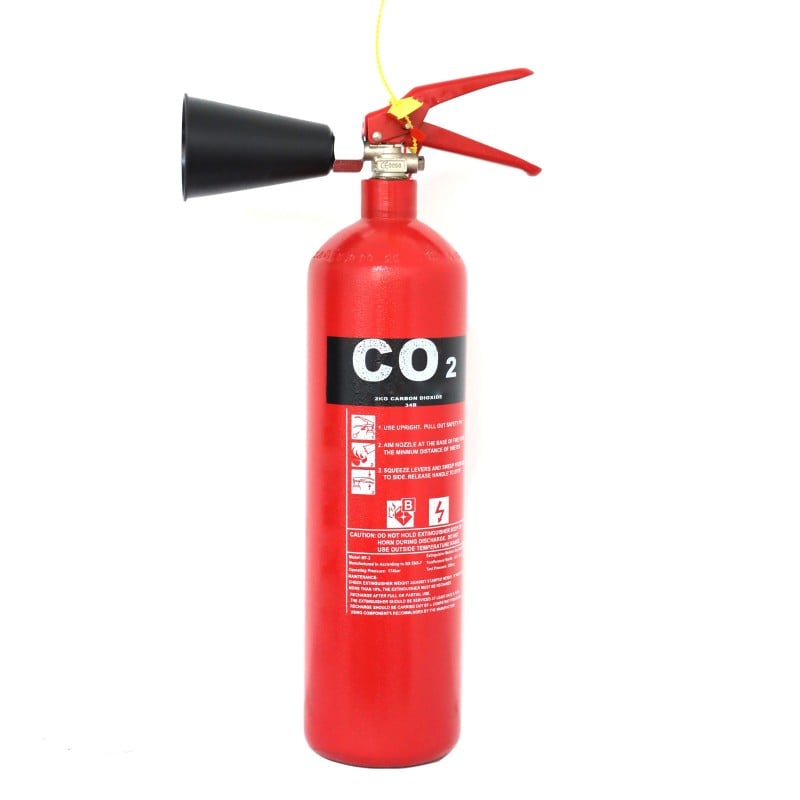
Fire extinguishers remain the cornerstone of any small business fire safety program, making them the most important category of firefighting accessories to prioritize. Portable fire extinguishers rated for common workplace fire classes—including Class A combustibles, Class B flammable liquids, and Class C electrical fires—provide immediate response capability for small fires before they escalate. Multipurpose ABC-rated extinguishers offer versatile coverage for general business environments, while specialized dry powder or CO2 firefighting accessories serve specific operational needs in kitchens, server rooms, or manufacturing areas. Purchasing multiple smaller capacity units rather than single large units distributes coverage throughout the facility and proves more budget-friendly for small operations.
Detection and Alert Systems
Early detection significantly improves outcomes in fire emergencies, making smoke detectors and fire alarm components essential firefighting accessories for small businesses. Battery-operated smoke detectors offer affordable installation without requiring complex wiring, while interconnected models enhance communication across larger spaces. Heat detectors in kitchens or high-temperature areas complement standard smoke detection, creating layered protection. Carbon monoxide detectors represent additional safety-critical firefighting accessories that many small business owners overlook despite their importance in preventing silent hazards. These detection-based firefighting accessories typically cost far less than damage repair and liability exposure from undetected fires.
Cost-Effective Sourcing Strategies for Firefighting Accessories
Bulk Purchasing and Supplier Relationships
Establishing relationships with fire safety suppliers who serve small business markets can unlock significant savings on firefighting accessories through volume discounts and package deals. Many suppliers offer seasonal promotions or bundle pricing that combines multiple types of firefighting accessories at reduced rates, enabling small businesses to expand their fire safety infrastructure without budget overruns. Joining small business associations or chamber of commerce organizations sometimes provides access to preferred vendor programs featuring negotiated pricing on firefighting accessories and related safety equipment. Direct purchasing from manufacturers of firefighting accessories rather than through retail channels occasionally yields better pricing, particularly for standard multipurpose items purchased in modest quantities.
Preventive Maintenance and Lifecycle Planning
Strategic maintenance of firefighting accessories extends equipment life and prevents costly premature replacement cycles. Regular inspection of fire extinguishers, cleaning of detector lenses, and battery replacement in backup systems represent inexpensive preventive measures that maximize the operational value of existing firefighting accessories. Creating a maintenance calendar and conducting periodic inspections internally reduces service contractor costs while ensuring firefighting accessories remain inspection-ready and compliant. Planning replacement schedules based on expiration dates and maintenance records allows small businesses to budget for firefighting accessories systematically rather than facing emergency purchases at premium prices.
Implementing a Practical Fire Safety Plan with Limited Resources
Prioritization Framework for Firefighting Accessories
Small businesses should prioritize firefighting accessories based on facility-specific fire hazards, occupancy levels, and operational characteristics. Facilities with limited electrical equipment or chemical storage can often meet safety requirements with basic portable fire extinguishers and smoke detectors, minimizing spending on specialized firefighting accessories. High-occupancy areas such as lobbies, hallways, or break rooms warrant more comprehensive firefighting accessories placement, while storage areas with flammable materials demand additional suppression capacity. Risk assessment guides intelligent allocation of limited firefighting accessories budgets toward areas where fire potential and consequences justify investment.
Training and Employee Engagement
Maximizing the effectiveness of firefighting accessories requires that employees understand basic operation and safety protocols. Budgetary allocations for firefighting accessories should include modest investment in staff training, ensuring employees know extinguisher locations, can operate equipment confidently, and understand evacuation procedures. This knowledge converts firefighting accessories from passive safety infrastructure into active protection components through informed human response. Regular safety briefings, posted instructions near firefighting accessories, and periodic refresher training reinforce preparedness while costing minimal resources compared to facility damage or liability exposure.
FAQ
What types of firefighting accessories should every small business stock?
Every small business should maintain at minimum portable fire extinguishers appropriate for their facility's fire classes, functional smoke detectors, clear emergency exit signage, and an easily accessible fire safety plan. Additional firefighting accessories such as emergency flashlights, first aid kits, and personal protective equipment enhance response capability. The specific mix of firefighting accessories depends on facility size, occupancy, stored materials, and local fire codes, but these foundational items provide cost-effective baseline protection for any small operation.
How often should firefighting accessories be inspected or replaced?
Portable fire extinguishers and firefighting accessories require annual professional inspection to verify pressure levels, seal integrity, and label readiness. Many insurance policies require documented annual inspection records for firefighting accessories. Smoke detectors need battery replacement annually and complete unit replacement every seven to ten years. After any fire incident where firefighting accessories are deployed, affected units must be recharged or replaced immediately. Establishing a maintenance calendar ensures small businesses remain compliant while avoiding gaps in fire protection from expired firefighting accessories.
Can small businesses reduce firefighting accessories costs through shared services?
Small businesses in shared commercial spaces can sometimes negotiate collective purchasing agreements for firefighting accessories, spreading costs across tenants. Co-tenants may share emergency response equipment and detection systems when building management coordinates installation of firefighting accessories. However, individual suite occupancy typically requires independent extinguisher placement and alarm systems, limiting cost-sharing opportunities for most firefighting accessories. Consulting with building management and local fire authorities clarifies which firefighting accessories can be shared and which require duplicate installation, guiding cost-effective procurement strategies.

