
 EN
EN
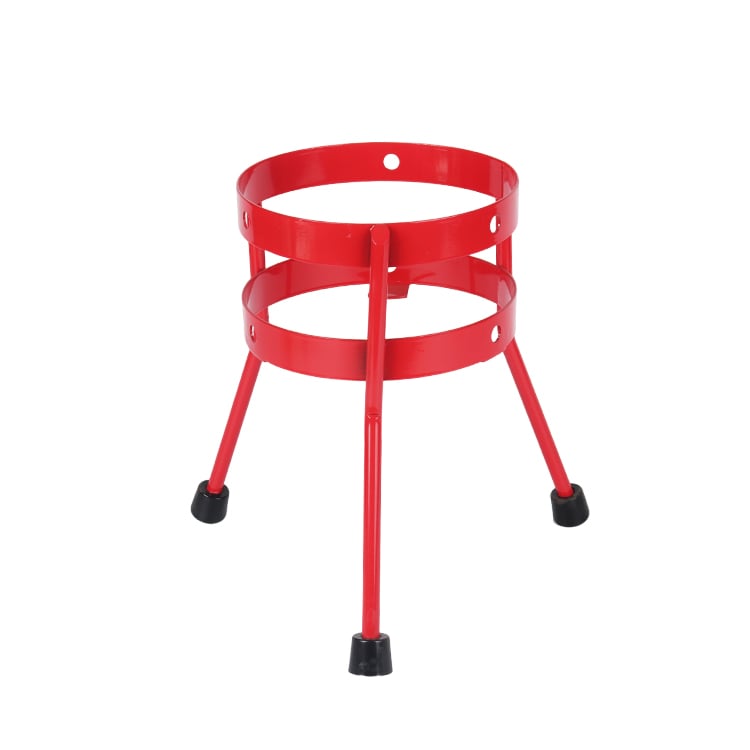
Proper storage and organization of firefighting accessories is critical for operational readiness and fire station efficiency. When firefighting accessories are disorganized or stored improperly, response times increase, equipment deteriorates faster, and crews face unnecessary safety risks. Strategic organization of firefighting accessories ensures that personnel can locate gear instantly during emergencies, reducing precious seconds lost to searching. Effective firefighting accessories management also extends equipment lifespan by protecting items from environmental damage and physical wear. This comprehensive guide explores the best practices for storing and organizing firefighting accessories so your team can operate at peak efficiency.
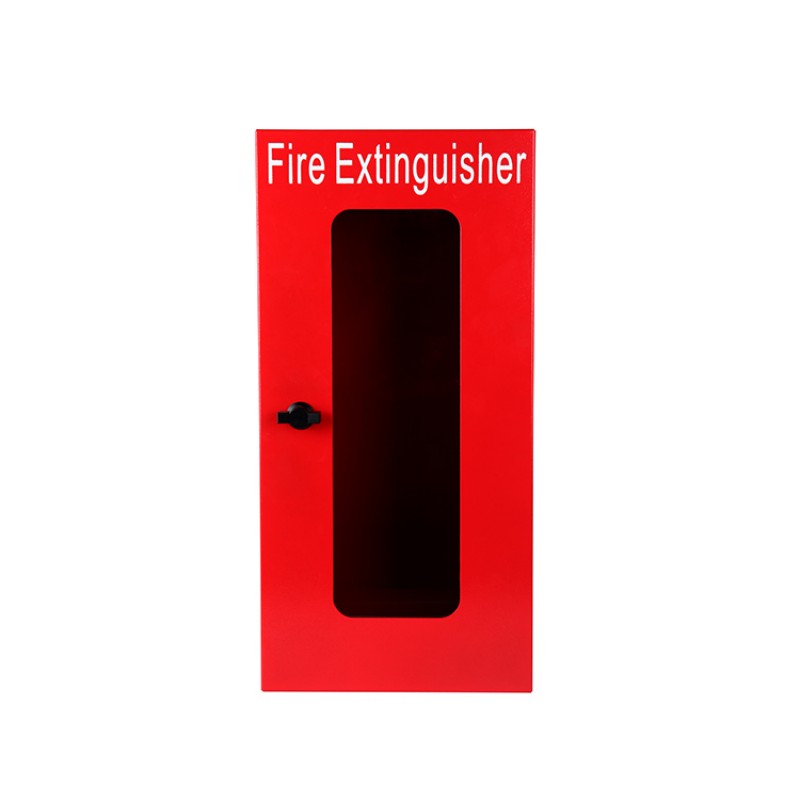
Fire stations must balance limited storage space with large quantities of firefighting accessories that need immediate access. Organizing firefighting accessories requires a methodical approach that accounts for item frequency of use, size, weight, and environmental factors. When your firefighting accessories are logically arranged and properly housed, maintenance becomes simpler, inventory tracking improves, and staff morale increases because equipment is always ready. The physical condition of stored firefighting accessories directly impacts their performance when needed most, making storage quality an essential element of fire department operations.
Assessing Your Firefighting Accessories Storage Needs
Evaluating Current Equipment Volume
Before designing a storage system for firefighting accessories, conduct a complete inventory of all items your station maintains. Document each type of firefighting accessories, quantity, dimensions, and weight to understand total storage demand. This assessment reveals which firefighting accessories are used daily versus those needed for specialized responses, helping you prioritize storage accessibility. Many fire stations underestimate how much firefighting accessories they actually store until completing a physical count. Understanding your complete firefighting accessories inventory prevents purchasing storage solutions that prove too small or inefficiently configured for your actual needs.
Planning for Growth and Flexibility
Fire departments often acquire new firefighting accessories over time as protocols evolve and equipment technology improves. Design your storage system for firefighting accessories with expansion capacity built in, allowing integration of additional items without complete reorganization. Flexible firefighting accessories storage means using modular shelving, adjustable racks, and multipurpose cabinets that accommodate changing configurations. Consider anticipated growth in your firefighting accessories collection over the next three to five years when selecting storage furniture and layout. This forward-thinking approach to firefighting accessories organization saves significant time and expense compared to replacing inadequate systems prematurely.
Creating an Organized Classification System for Firefighting Accessories
Categorizing by Function and Use Frequency
Organize firefighting accessories into logical categories based on their primary function: respiratory protection, thermal protection, rescue tools, communication equipment, and specialized hazmat gear. Within each category of firefighting accessories, arrange items by frequency of use, placing most-used firefighting accessories at eye level and within arm's reach. High-frequency firefighting accessories should occupy prime storage locations near equipment exits or staging areas. Less frequently accessed firefighting accessories can occupy upper shelves or rear storage zones. This functional classification system for firefighting accessories dramatically improves response efficiency because personnel intuitively know where to find specific equipment types.
Implementing Color Coding and Labeling
Color-coded storage systems for firefighting accessories improve organization and reduce retrieval errors, especially during high-stress emergency situations. Assign specific colors to different firefighting accessories categories: red for thermal protection, blue for respiratory equipment, yellow for rescue tools, and green for communication devices. Clear, weather-resistant labels on all firefighting accessories containers and shelves prevent mislocation and support team members new to your station's system. Laminated identification cards attached to firefighting accessories storage units should include item descriptions, quantities, maintenance schedules, and replacement contacts. Visible labeling of firefighting accessories storage locations transforms new personnel into productive team members faster and maintains consistency across all shifts.
Environmental Protection and Maintenance Considerations
Managing Temperature, Humidity, and Exposure
Firefighting accessories require storage environments that protect against temperature fluctuations, excessive moisture, and direct sunlight. Rubber components of firefighting accessories degrade when exposed to extreme heat or cold, while metal parts corrode in humid conditions. Store firefighting accessories in climate-controlled areas whenever possible, maintaining temperatures between 50 to 85 degrees Fahrenheit and relative humidity below 60 percent. Elevated temperatures significantly reduce the lifespan of firefighting accessories containing batteries, electronics, or specialized polymers. Rotating firefighting accessories storage locations seasonally can also help minimize environmental stress on sensitive equipment when dedicated climate control is unavailable.
Implementing Regular Inspection Protocols
Systematic inspection of firefighting accessories stored in your facility catches deterioration early and prevents equipment failure during critical moments. Establish a monthly inspection schedule for firefighting accessories that documents condition, damage, missing components, and maintenance needs. Create inspection checklists specific to different firefighting accessories types, noting manufacturer requirements for maintenance intervals. Store inspection records together with corresponding firefighting accessories to maintain accountability and support compliance documentation. Regular monitoring of firefighting accessories condition extends equipment life by years and ensures that every piece of gear functions reliably when deployed. Documentation also identifies firefighting accessories requiring replacement before they reach critical failure points.
FAQ
What is the best way to store firefighting accessories to prevent damage?
Store firefighting accessories in climate-controlled environments with temperatures between 50 to 85 degrees Fahrenheit and humidity below 60 percent. Use dedicated shelving or cabinets designed to accommodate the specific weight and dimensions of your firefighting accessories. Keep firefighting accessories away from direct sunlight, chemical vapors, and extreme temperature zones. Assign each type of firefighting accessories to designated storage locations with protective covers or containers to minimize exposure to dust and moisture. Regular cleaning and inspection of firefighting accessories storage areas prevents environmental degradation that compromises equipment reliability.
How should firefighting accessories be organized for quick access during emergencies?
Organize firefighting accessories by frequency of use, positioning most-accessed items at eye level and within immediate reach of equipment staging areas. Create clear pathways between firefighting accessories storage locations and exit doors so personnel can retrieve needed items without navigating obstacles. Use color-coded labels and clear signage for firefighting accessories categories to accelerate identification. Train all personnel on the organization system for firefighting accessories and conduct monthly refresher training to reinforce proper placement procedures. Quick-access organization of firefighting accessories reduces response delays and ensures crews deploy fully equipped for mission success.
How often should firefighting accessories be inspected and rotated?
Implement monthly inspections of firefighting accessories to identify damage, wear, or maintenance needs before equipment reaches operational status. Rotate firefighting accessories stock quarterly to prevent extended storage of specific items that may degrade over time. Document all inspections and maintenance of firefighting accessories in a centralized system accessible to all shifts. Seasonal rotation of firefighting accessories storage locations can help minimize exposure to temperature extremes. Follow manufacturer recommendations for maintenance intervals specific to your firefighting accessories types, adjusting inspection frequency based on equipment complexity and environmental storage conditions.

