
 EN
EN
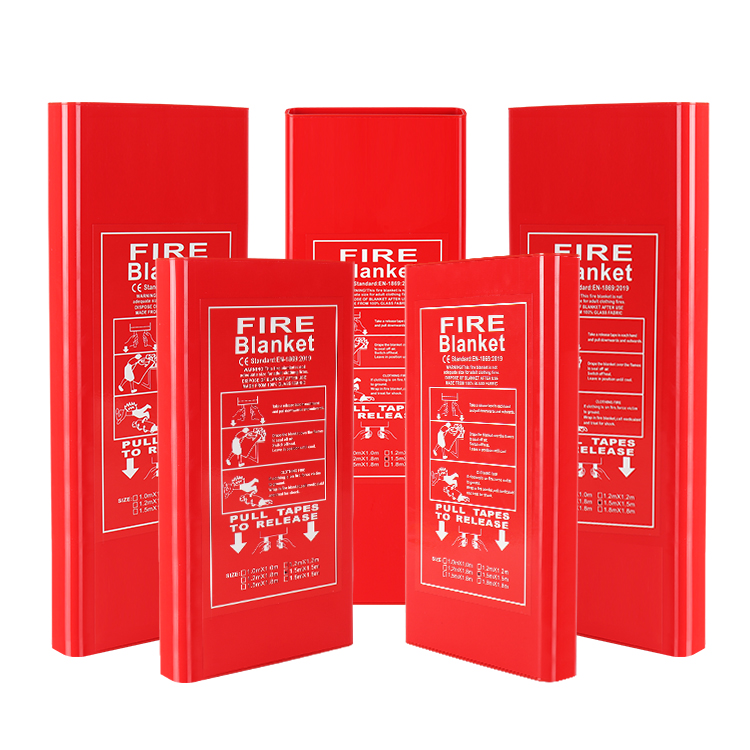
Selecting the right Fire Cabinet is one of the most consequential decisions a facility manager, safety officer, or procurement specialist can make. A fire cabinet is not simply a storage box — it is a critical piece of emergency infrastructure that must be accessible, compliant, durable, and correctly sized for the specific environment it serves. Getting this decision wrong can mean the difference between a contained incident and a catastrophic loss, both in terms of property and human safety.
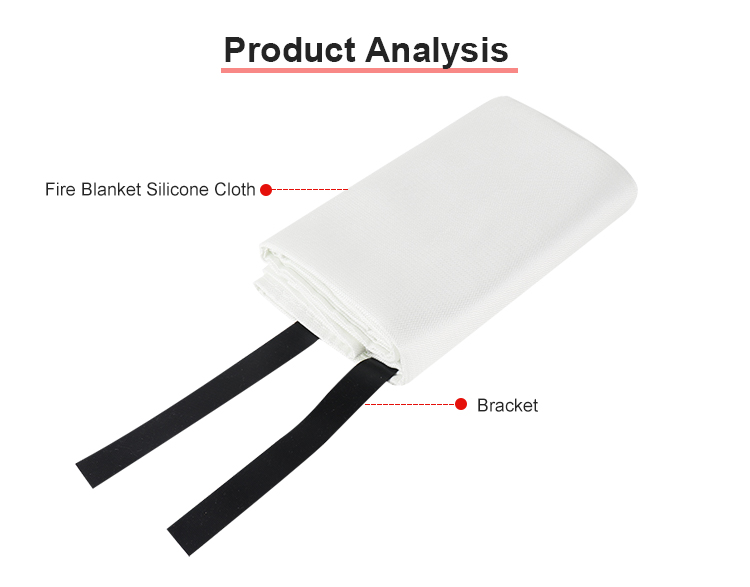
This buying guide is designed to walk you through every major consideration involved in selecting a fire cabinet that genuinely fits your operational needs. From understanding the different types and construction standards to evaluating placement logic, door configurations, and compliance requirements, each section of this guide addresses a real decision point you will face during the procurement process. Whether you are outfitting a single commercial unit or specifying fire cabinets across a multi-site industrial facility, the principles covered here will help you make a well-informed, defensible choice.
Understanding What a Fire Cabinet Is and What It Must Do
The Core Function of a Fire Cabinet
A fire cabinet is a purpose-built enclosure designed to store fire suppression equipment — most commonly fire extinguishers, fire hoses, or both — in a way that keeps them protected, visible, and immediately accessible during an emergency. The cabinet must balance two competing demands: it must protect the equipment inside from environmental damage, tampering, and accidental displacement, while simultaneously allowing any person to access that equipment within seconds under high-stress conditions.
This dual requirement shapes every design decision in a quality fire cabinet, from the door mechanism and locking system to the material thickness and mounting configuration. A fire cabinet that is difficult to open, poorly labeled, or installed in an obscure location fails its primary mission regardless of how well it is constructed. Understanding this functional core helps buyers avoid the common mistake of treating a fire cabinet as a commodity purchase rather than a safety-critical asset.
In industrial and commercial settings, fire cabinets are also subject to regulatory inspection. Authorities having jurisdiction (AHJ) will evaluate not only whether a fire cabinet is present but whether it meets applicable standards for visibility, accessibility, and equipment compatibility. This means the selection process must account for compliance from the very beginning, not as an afterthought.
Types of Fire Cabinets and Their Intended Applications
Fire cabinets are broadly categorized by the type of equipment they house. Extinguisher cabinets are the most common type and are designed specifically to hold one or more portable fire extinguishers in a secure, upright position. Hose cabinets, sometimes called fire hose reels or standpipe cabinets, are larger enclosures that house a coiled fire hose connected to a water supply. Combination cabinets integrate both extinguisher and hose storage in a single unit, which is common in larger commercial and industrial facilities where space efficiency and unified access points are priorities.
Within each category, fire cabinets are further differentiated by mounting style — surface-mounted units attach directly to a wall face, semi-recessed units are partially embedded into the wall, and fully recessed units sit flush with the wall surface. The choice between these mounting styles depends on wall construction, available depth, aesthetic requirements, and the specific fire cabinet dimensions needed to accommodate the equipment inside.
Understanding which type of fire cabinet applies to your environment is the essential first step. A light commercial office building has very different requirements from a chemical processing plant, a hospital corridor, or an outdoor industrial yard. Matching the fire cabinet type to the application context prevents costly misspecification and ensures the unit will perform as intended when it matters most.
Key Selection Criteria: What to Evaluate Before You Buy
Material and Construction Quality
The material from which a fire cabinet is constructed directly determines its durability, corrosion resistance, and long-term reliability. Steel is the most widely used material for fire cabinets in commercial and industrial environments because it offers high structural integrity, resistance to impact, and compatibility with standard paint and powder-coat finishes that provide corrosion protection. Cold-rolled steel with a powder-coated finish is a common specification for indoor fire cabinets, offering a balance of strength and surface protection.
For environments with elevated humidity, chemical exposure, or outdoor installation, stainless steel or aluminum fire cabinets offer superior corrosion resistance. These materials cost more but significantly extend service life in harsh conditions. A fire cabinet installed in a coastal facility, a food processing plant, or an outdoor equipment yard will degrade rapidly if constructed from standard mild steel without adequate surface treatment.
The door construction of a fire cabinet deserves particular attention. Fire-rated glass door panels, as seen in many modern fire cabinets, offer the advantage of visual confirmation — personnel can see at a glance whether the extinguisher is present and in position without opening the cabinet. This is a meaningful operational benefit in high-traffic facilities where quick visual checks are part of routine safety audits. The glass must be fire-rated to ensure it does not compromise the cabinet's structural integrity in the event of a nearby fire.
Dimensions, Capacity, and Equipment Compatibility
One of the most common specification errors in fire cabinet procurement is selecting a unit without verifying that it will physically accommodate the intended equipment. Fire extinguishers vary significantly in height, diameter, and weight depending on their type and capacity. A fire cabinet specified for a 5 kg dry powder extinguisher will not correctly house a 9 kg CO2 unit, and forcing an incompatible extinguisher into an undersized fire cabinet creates both a safety hazard and a compliance issue.
Before finalizing any fire cabinet selection, confirm the internal dimensions against the actual equipment that will be stored inside. Pay attention not only to height and width but also to the bracket or mounting system inside the fire cabinet. A well-designed fire cabinet will include an adjustable or equipment-specific bracket that holds the extinguisher securely in the correct orientation, preventing it from shifting or falling during normal building operations.
For combination fire cabinets that house both extinguishers and hose reels, the internal layout must be carefully evaluated. The hose reel mechanism requires sufficient clearance to deploy smoothly, and the extinguisher must remain accessible without being obstructed by the hose assembly. Poorly designed combination fire cabinets can create access delays in an emergency, which defeats the purpose of the combined unit entirely.
Compliance, Standards, and Regulatory Alignment
Applicable Standards for Fire Cabinet Specification
A fire cabinet used in a regulated commercial or industrial environment must conform to applicable national and international standards. These standards govern everything from the minimum internal dimensions and door opening force to the visibility requirements for signage and the fire-resistance rating of the cabinet materials. Buyers who overlook compliance requirements during the selection process often face costly retrofits, failed inspections, or liability exposure following an incident.
In many jurisdictions, fire cabinets must meet standards set by bodies such as the National Fire Protection Association (NFPA), the International Organization for Standardization (ISO), or local building and fire codes. The specific standard applicable to your fire cabinet will depend on the country of installation, the occupancy type of the building, and the class of fire hazard present. Engaging with your local authority having jurisdiction early in the procurement process is the most reliable way to confirm which standards apply.
Beyond the cabinet itself, compliance also extends to installation. A fire cabinet must be mounted at the correct height — typically with the handle or operating mechanism no higher than 1.5 meters from the floor — and must be clearly identified with standardized signage. The area in front of a fire cabinet must remain unobstructed at all times. These installation requirements are as important as the product specifications themselves, and they should be factored into site planning before the fire cabinet is ordered.
Fire Rating and Door Specifications
Not all fire cabinets carry a fire-resistance rating, and it is important to understand when a rated fire cabinet is required versus when a standard enclosure is sufficient. A fire-rated fire cabinet is constructed to maintain its structural integrity and protect its contents for a specified duration when exposed to fire — typically 30, 60, or 90 minutes depending on the rating. This type of fire cabinet is required in locations where the cabinet itself may be exposed to fire before personnel can access it, or where the equipment inside must remain functional after a fire event has begun.
Fire-rated glass door panels are a particularly important feature in modern fire cabinet design. They allow visual inspection of the cabinet contents without compromising the fire-resistance rating of the enclosure. When specifying a fire cabinet with a glass door, confirm that the glass carries an appropriate fire rating and that the door frame and sealing system are tested as a complete assembly, not just the glass panel in isolation.
For standard commercial applications where the fire cabinet is located in a protected corridor or lobby, a non-rated fire cabinet may be acceptable under local codes. However, in high-hazard industrial environments, server rooms, chemical storage areas, or locations adjacent to high-value assets, a fire-rated fire cabinet provides an additional layer of protection that is well worth the incremental cost.
Placement Strategy and Installation Considerations
Determining the Right Location for Each Fire Cabinet
The placement of a fire cabinet is governed by both regulatory requirements and practical emergency response logic. Regulations typically specify maximum travel distances to the nearest fire cabinet — commonly 30 meters or less for most occupancy types — but effective placement goes beyond simply meeting the minimum distance requirement. A fire cabinet should be positioned at natural decision points in a building's circulation pattern: near exits, at corridor intersections, adjacent to high-risk equipment, and in locations that are visible from multiple directions.
Visibility is a non-negotiable placement criterion. A fire cabinet that is obscured by furniture, equipment, or signage will not be found quickly in an emergency. The standard red color used for most fire cabinets is specifically chosen for high visibility, and this visual signal must not be compromised by placement in low-light areas or behind obstructions. Where architectural constraints limit visibility, supplementary directional signage pointing to the fire cabinet location is a required mitigation.
In multi-story buildings, fire cabinets should be positioned consistently on each floor — ideally in the same relative location — so that occupants who are familiar with one floor can locate the fire cabinet on an unfamiliar floor without hesitation. This consistency principle is often overlooked in phased construction or renovation projects, where fire cabinets are added incrementally without reference to a building-wide placement strategy.
Mounting, Installation Depth, and Structural Requirements
The mounting method for a fire cabinet must be matched to the wall construction at the installation point. Surface-mounted fire cabinets require only that the wall can support the combined weight of the cabinet and its contents, which for a standard extinguisher cabinet can range from 15 to 40 kilograms depending on the extinguisher size. The mounting hardware must be appropriate for the wall material — masonry anchors for concrete or brick, structural screws for stud walls — and the cabinet must be level and firmly secured to prevent movement.
Recessed and semi-recessed fire cabinets require a wall opening of sufficient depth to accommodate the cabinet body. Standard recessed fire cabinets require a wall depth of approximately 100 to 150 millimeters, which is compatible with most standard stud wall constructions but may require structural modification in solid masonry walls. Before specifying a recessed fire cabinet, confirm the available wall depth and verify that no structural elements, electrical conduits, or plumbing runs occupy the intended installation space.
The door swing direction of a fire cabinet is another installation detail that is frequently overlooked. In narrow corridors or tight spaces, a door that swings outward into the traffic path can create a hazard or obstruction. Many fire cabinet models offer reversible door hinges or sliding door options specifically to address this constraint. Confirming the door configuration before installation avoids the need for costly rework after the unit is in place.
Maintenance, Inspection, and Long-Term Ownership
Routine Inspection Requirements for a Fire Cabinet
A fire cabinet requires regular inspection to ensure it remains functional and compliant throughout its service life. Most regulatory frameworks require monthly visual inspections of fire cabinets to confirm that the equipment inside is present, undamaged, and correctly positioned, that the cabinet door opens freely, that the cabinet is unobstructed, and that all signage is legible. These inspections should be documented and retained as part of the facility's fire safety records.
Annual professional inspections of the fire cabinet and its contents are typically required in addition to monthly visual checks. During an annual inspection, a qualified technician will verify the condition of the cabinet structure, the integrity of the door and locking mechanism, the serviceability of the extinguisher or hose inside, and the compliance of the installation with current applicable standards. Any deficiencies identified during inspection must be corrected promptly to maintain compliance and operational readiness.
The inspection record for each fire cabinet should include the date of inspection, the name of the inspector, the condition of the cabinet and its contents, and any corrective actions taken. This documentation is essential for demonstrating due diligence in the event of a fire incident and for satisfying the requirements of insurance providers and regulatory authorities.
Longevity, Replacement Cycles, and Total Cost of Ownership
A well-specified and properly maintained fire cabinet should provide a service life of 10 to 20 years in most commercial environments. The primary factors that shorten fire cabinet service life are corrosion, physical damage, and UV degradation in outdoor installations. Selecting a fire cabinet with appropriate material and finish specifications for the installation environment is the single most effective way to maximize service life and minimize total cost of ownership.
When evaluating fire cabinet options on a cost basis, buyers should consider not only the purchase price but also the cost of installation, the expected maintenance burden, the availability of replacement parts, and the likelihood of needing to replace the unit before the end of its intended service life. A lower-cost fire cabinet that corrodes within five years in a humid environment is significantly more expensive over a ten-year horizon than a higher-cost unit with appropriate corrosion protection.
Standardizing on a single fire cabinet model or product family across a facility or portfolio of facilities also reduces long-term ownership costs by simplifying spare parts management, streamlining inspection procedures, and enabling staff to become familiar with a consistent product. This standardization benefit is often undervalued during initial procurement but becomes significant at scale.
FAQ
What is the standard size for a fire cabinet used in commercial buildings?
There is no single universal standard size for a fire cabinet, as dimensions vary based on the equipment the cabinet is designed to house and the applicable local standards. A common size for a single-extinguisher fire cabinet is approximately 600 mm high by 450 mm wide by 180 mm deep, which accommodates most standard portable extinguishers. However, buyers should always verify internal dimensions against the specific extinguisher model being stored, and confirm that the fire cabinet dimensions comply with local fire code requirements for the intended occupancy type.
Does a fire cabinet need to be locked, and how should access be controlled?
Whether a fire cabinet requires a lock depends on the installation environment and applicable regulations. In most public and commercial settings, fire cabinets are required to be accessible without a key — breakable glass panels, push-to-open latches, or unlocked doors are standard configurations that allow immediate access in an emergency. In environments where tampering or unauthorized access is a concern, a fire cabinet may use a breakable seal or a simple latch that can be opened quickly without tools. Keyed locks are generally not appropriate for fire cabinets in occupied buildings because they create an access barrier during emergencies.
Can a fire cabinet be installed outdoors, and what specifications are needed?
Yes, a fire cabinet can be installed outdoors, but the specification requirements are significantly more demanding than for indoor units. An outdoor fire cabinet must be constructed from corrosion-resistant materials such as stainless steel or powder-coated aluminum, and must include weatherproof sealing to prevent moisture ingress that could damage the extinguisher inside. UV-resistant finishes are also important for outdoor fire cabinets in high-sunlight environments. The cabinet should be mounted on a stable surface and positioned to remain accessible regardless of weather conditions, including snow accumulation in cold climates.
How do I know if a fire cabinet meets the required fire safety standards in my region?
The most reliable way to confirm that a fire cabinet meets regional requirements is to consult your local authority having jurisdiction (AHJ) — typically the local fire marshal, building inspector, or fire safety authority — before making a purchase. Reputable fire cabinet suppliers will provide documentation of the standards their products comply with, including test certifications and material specifications. When reviewing this documentation, confirm that the certification applies to the complete fire cabinet assembly, not just individual components, and that the certification body is recognized by your local regulatory authority.
Table of Contents
- Understanding What a Fire Cabinet Is and What It Must Do
- Key Selection Criteria: What to Evaluate Before You Buy
- Compliance, Standards, and Regulatory Alignment
- Placement Strategy and Installation Considerations
- Maintenance, Inspection, and Long-Term Ownership
-
FAQ
- What is the standard size for a fire cabinet used in commercial buildings?
- Does a fire cabinet need to be locked, and how should access be controlled?
- Can a fire cabinet be installed outdoors, and what specifications are needed?
- How do I know if a fire cabinet meets the required fire safety standards in my region?

