
 EN
EN
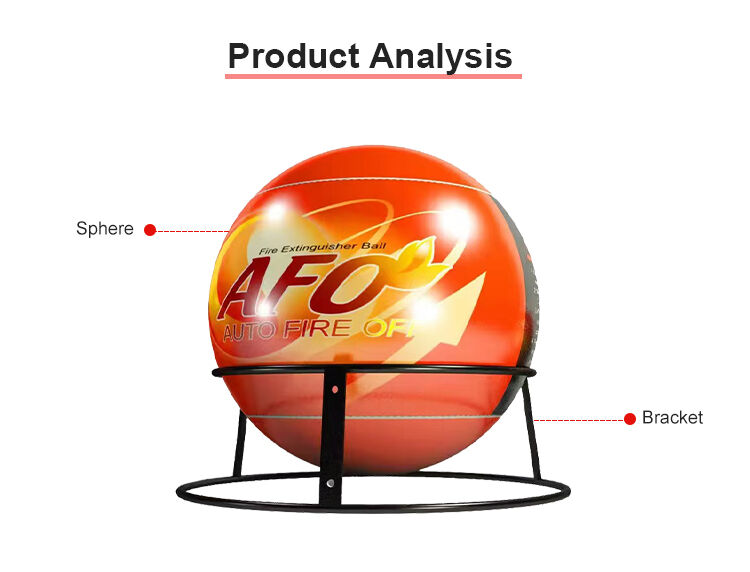
Fire safety technology has evolved significantly over the past decade, introducing innovative solutions that simplify fire suppression for individuals without specialized training. Among these innovations, the Fire Extinguishing Ball stands out as a revolutionary device that transforms fire safety from a skill-dependent activity into an accessible, automated response mechanism. This self-activating sphere represents a paradigm shift in how we approach fire emergencies, particularly in environments where traditional extinguishers may be impractical or where human response time becomes a critical factor in preventing catastrophic property damage and loss of life.
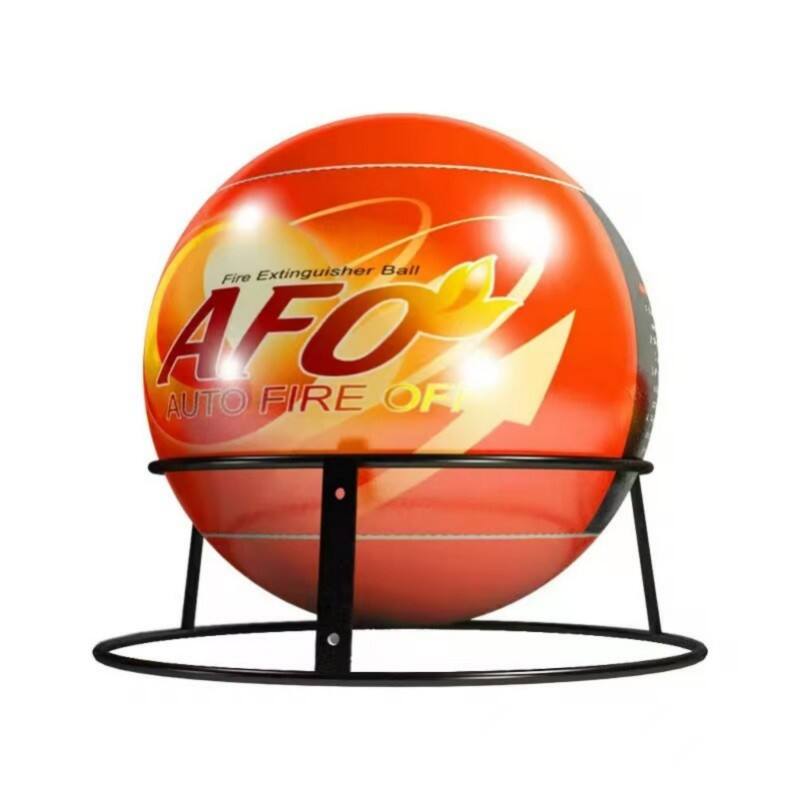
Understanding how the Fire Extinguishing Ball operates requires examining its unique activation mechanism, chemical composition, and deployment physics. Unlike conventional extinguishers that demand user intervention, proper aim, and sustained operation, this spherical device activates automatically when exposed to flame, dispensing fire-suppressing agents in a rapid, omnidirectional pattern. The simplicity of its operation addresses a fundamental challenge in fire safety: the fact that many fires spread rapidly while occupants struggle with traditional equipment or fail to respond quickly enough. This article provides a comprehensive explanation of the working principles behind the Fire Extinguishing Ball, detailing each phase of its operation from dormant state through activation, chemical dispersion, and fire suppression completion.
The Fundamental Operating Principle of Fire Extinguishing Balls
Thermal Activation Mechanism
The Fire Extinguishing Ball employs a thermal fuse system as its primary activation trigger, designed to respond automatically when exposed to flames reaching temperatures between 70 and 100 degrees Celsius. This temperature range represents the critical threshold where most combustible materials have already ignited and fire is actively spreading. The thermal fuse consists of specialized materials that rapidly deteriorate under heat exposure, creating a chain reaction that initiates the device's primary function. This passive activation system eliminates the need for human detection, decision-making, or manual operation, making it particularly valuable in scenarios where occupants may be asleep, absent, or unable to respond effectively to fire emergencies.
The activation timeline typically ranges from three to five seconds after flame contact, providing a rapid response that significantly outpaces human reaction times in most emergency situations. During this brief window, the thermal fuse material undergoes structural breakdown, weakening the containment seal that holds the pressurized extinguishing agent within the spherical shell. This engineered delay ensures the device activates only in genuine fire conditions rather than responding to ambient heat fluctuations or non-emergency temperature increases. The reliability of this mechanism has been validated through extensive testing across various fire scenarios, demonstrating consistent performance regardless of fire type, ambient conditions, or positioning within the protected space.
Internal Pressure Dynamics and Shell Design
Inside every Fire Extinguishing Ball, a pressurized chamber contains dry chemical extinguishing agents maintained at carefully calibrated pressure levels that balance storage stability with deployment effectiveness. The outer shell, typically constructed from durable thermoplastic or composite materials, serves dual purposes: protecting the internal components during normal handling and storage while being engineered to fragment in a controlled manner during activation. This fragmentation pattern is not random but follows predetermined stress lines molded into the shell structure, ensuring the device breaks into multiple segments that project outward rather than creating dangerous shrapnel that could cause injury to nearby individuals.
The pressure differential between the internal chamber and external atmosphere drives the rapid dispersion process once the thermal fuse fails and shell integrity is compromised. As the containment breaches, the compressed extinguishing agent expands explosively outward, carrying the dry chemical powder in all directions simultaneously. This omnidirectional dispersal pattern represents a significant advantage over traditional extinguishers, which require proper aim and coverage technique. The shell fragments themselves play a minimal role in fire suppression, with the primary extinguishing effect coming from the chemical agent cloud that forms within milliseconds of activation. The engineering challenge in Fire Extinguishing Ball design centers on optimizing this pressure-to-dispersion relationship to maximize coverage area while maintaining sufficient agent concentration to effectively suppress flames.
Chemical Composition and Fire Suppression Science
Dry Chemical Agent Properties
The extinguishing agent contained within a Fire Extinguishing Ball typically consists of monoammonium phosphate or sodium bicarbonate-based dry chemical compounds, selected for their proven effectiveness across multiple fire classifications. These agents work through several complementary mechanisms: interrupting the chemical chain reaction of combustion, creating a thermal barrier between fuel and oxygen, and generating endothermic reactions that absorb heat energy from the fire zone. The specific formulation varies by manufacturer and intended application, with ABC-rated agents capable of addressing ordinary combustibles, flammable liquids, and electrical fires representing the most common configuration for general-purpose Fire Extinguishing Ball products.
When dispersed into the fire environment, these chemical particles create a dense cloud that rapidly coats burning surfaces and saturates the combustion zone. The particle size distribution is engineered to optimize both travel distance and surface adhesion, with finer particles remaining airborne longer to address three-dimensional fire spaces while larger particles provide concentrated coverage on horizontal surfaces. The chemical interaction with flame occurs at the molecular level, where the dry agent interferes with the free radical chain reaction that sustains combustion. This mechanism proves particularly effective for Class B fires involving flammable liquids, where traditional water-based suppression would be ineffective or even dangerous, and for Class C electrical fires where non-conductive agents are essential for safety.
Coverage Area and Concentration Effectiveness
The effective suppression radius of a Fire Extinguishing Ball depends on multiple variables including device size, internal pressure, agent quantity, and environmental factors such as ventilation and fire intensity. Standard residential-grade units typically provide effective coverage across a three to five cubic meter volume, sufficient for engine compartments, electrical panels, kitchen spaces, and small room fires. The dispersion creates varying concentration zones, with highest density at the immediate deployment location and gradually decreasing concentration toward the periphery of the coverage area. Fire suppression effectiveness requires achieving minimum agent concentration thresholds that vary by fire classification, with the device sized to deliver sufficient quantity for its rated protection area.
Environmental conditions significantly influence actual coverage performance, as drafts, ventilation systems, and outdoor settings can reduce effective concentration by dispersing the chemical cloud before adequate suppression occurs. This reality necessitates strategic placement considerations, with Fire Extinguishing Ball installations positioned to account for airflow patterns and potential fire locations. In enclosed spaces with minimal ventilation, a single device often provides superior coverage compared to specifications, as the chemical agent remains concentrated within the protection zone. Conversely, open or highly ventilated environments may require multiple units or supplementary fire suppression measures to ensure adequate protection. Understanding these dynamics enables more effective deployment planning and realistic expectations about Fire Extinguishing Ball capabilities in specific application contexts.
Activation Sequence and Deployment Physics
From Thermal Contact to Full Dispersion
The complete activation sequence of a Fire Extinguishing Ball unfolds in distinct phases, beginning with initial flame contact and thermal energy transfer to the fuse mechanism. During the first one to two seconds, heat conducts through the outer shell to the thermal fuse material, raising its temperature toward the critical failure point. This thermal lag provides essential protection against false activation from transient heat sources while ensuring reliable operation in genuine fire conditions. As the fuse material reaches its decomposition temperature, structural integrity rapidly deteriorates, transitioning from solid containment to mechanical failure within approximately one second, demonstrating the precise engineering that enables consistent activation timing across varied conditions.
The moment of shell breach marks the transition to active suppression, as internal pressure drives explosive dispersion of the extinguishing agent. The Fire Extinguishing Ball produces a distinctive loud report during activation, typically ranging from 120 to 140 decibels, serving dual purposes as both a fire suppression device and an alarm system that alerts occupants to the fire emergency. This acoustic signature results from the rapid pressure equalization and shell fragmentation, comparable to a large firecracker or small explosive charge. The sound can startle nearby individuals but plays a valuable role in fire safety by providing unmistakable notification that a fire event has occurred and automated suppression has initiated, prompting appropriate evacuation and emergency response actions.
Chemical Cloud Formation and Fire Interaction
Following initial dispersion, the dry chemical agent forms a rapidly expanding cloud that engulfs the fire zone, with maximum cloud diameter typically achieved within two to three seconds of activation. The cloud expansion follows ballistic trajectories influenced by the initial pressure-driven velocity, gravitational settling, and air resistance, creating a roughly spherical coverage pattern centered on the activation point. This geometric distribution ensures that fires directly beneath, adjacent to, or even above the Fire Extinguishing Ball receive substantial agent application, addressing fire scenarios where traditional extinguisher operation would require multiple approach angles or extended application time to achieve equivalent coverage.
As the chemical particles contact flame and heated surfaces, the suppression chemistry immediately engages, interrupting combustion reactions and extracting thermal energy from the fire environment. Visible flame knockdown typically occurs within five to ten seconds of activation, depending on fire size, fuel type, and ventilation conditions. The Fire Extinguishing Ball effect continues beyond initial knockdown, as residual agent coating surfaces provides temporary protection against re-ignition while the fire zone cools below sustainable combustion temperatures. This extended protection window, lasting several minutes after initial activation, distinguishes automatic devices from brief manual extinguisher applications that may leave insufficient residual protection. However, the Fire Extinguishing Ball does not eliminate the need for professional fire service response, as concealed fire extension, structural damage, and re-ignition risks require expert assessment and may necessitate additional suppression measures.
Practical Applications and Installation Considerations
Optimal Placement Strategies for Maximum Effectiveness
Strategic positioning of Fire Extinguishing Ball units determines whether they provide meaningful protection or merely serve as passive safety theater. Effective placement requires analyzing the protected space for probable fire origins, considering both statistical fire data and specific risk factors unique to the environment. In residential applications, kitchens represent the highest statistical fire risk, making placement near cooking appliances a priority, while electrical panels, furnace rooms, and garage spaces present secondary risk zones warranting consideration. The Fire Extinguishing Ball should be positioned where it will contact flames early in fire development rather than only after significant growth, typically achieved through mounting directly above or immediately adjacent to high-risk equipment and materials.
Mounting height and orientation significantly affect activation probability and dispersion effectiveness. Ceiling-mounted installations maximize coverage area and leverage the natural tendency of fire and heat to rise, ensuring rapid thermal contact with ascending flames and hot gases. However, this positioning may delay activation in smoldering fires that generate minimal flame until substantial development occurs. Wall-mounted or shelf-based placement at intermediate heights provides faster activation for equipment-level fires while potentially reducing overall coverage effectiveness. The Fire Extinguishing Ball installations must also account for clearance requirements, ensuring that furnishings, stored materials, or operational equipment do not obstruct the device or interfere with dispersion patterns following activation. Regular evaluation of protected spaces for layout changes, new equipment introduction, or altered use patterns ensures continued placement effectiveness throughout the device's service life.
Integration with Comprehensive Fire Safety Systems
The Fire Extinguishing Ball functions most effectively as one component within a layered fire safety approach rather than as a standalone solution expected to address all fire scenarios. In commercial and industrial settings, these devices complement rather than replace traditional fire detection systems, sprinkler installations, and portable extinguishers, providing localized automatic suppression for high-risk equipment that may ignite when facilities are unoccupied or in areas where water-based suppression poses secondary damage concerns. The device's automatic nature makes it particularly valuable for protecting unmanned spaces, after-hours periods, and locations where human detection and response cannot be guaranteed.
Residential applications benefit from combining Fire Extinguishing Ball installations with properly maintained smoke detectors, carbon monoxide alarms, and readily accessible manual extinguishers, creating multiple defensive layers that address different aspects of fire safety. The automatic device protects specific high-risk locations while occupants sleep or are away, while detection systems provide early warning, and manual extinguishers enable trained response to incipient fires discovered early. This integrated approach recognizes that no single technology addresses all fire scenarios optimally, with the Fire Extinguishing Ball filling a specific niche where automatic, localized suppression without human intervention provides maximum value. Property owners should view these devices as enhancing rather than replacing existing fire safety infrastructure, with each component contributing distinct capabilities to overall protection effectiveness.
Performance Limitations and Realistic Expectations
Conditions That Challenge Fire Extinguishing Ball Effectiveness
Despite their innovative design and valuable capabilities, Fire Extinguishing Ball devices face meaningful limitations that users must understand to maintain realistic expectations and avoid dangerous overreliance. Large-scale fires that have progressed beyond incipient stages before device activation may exceed the suppression capacity of a single unit, particularly in spaces larger than the device's rated coverage area. The fixed quantity of extinguishing agent contained within each Fire Extinguishing Ball provides one-time suppression capability without the sustained application possible with manual extinguishers or engineered suppression systems, potentially leaving fast-developing fires inadequately addressed if initial knockdown proves insufficient.
Environmental factors can substantially degrade performance, with high ventilation rates dispersing the chemical cloud before achieving adequate concentration, outdoor installations facing weather exposure that may affect reliability, and obstructed placement preventing proper activation or dispersion. The Fire Extinguishing Ball cannot address fires in concealed spaces such as wall cavities, beneath flooring, or within closed equipment enclosures unless the device itself is positioned within those spaces where flames can contact it. Deep-seated fires in porous materials may experience surface suppression while combustion continues internally, leading to re-ignition after the initial suppression effect dissipates. Users must recognize these limitations and maintain appropriate supplementary fire safety measures rather than viewing the Fire Extinguishing Ball as a comprehensive solution for all fire scenarios.
Maintenance, Replacement, and Service Life Considerations
Fire Extinguishing Ball devices typically carry manufacturer-specified service lives ranging from three to five years, after which replacement is recommended regardless of whether activation has occurred. This replacement interval accounts for potential degradation of the thermal fuse mechanism, chemical agent settling or caking, pressure loss from microscopic seal deterioration, and material fatigue in the containment shell. Unlike traditional extinguishers that undergo periodic inspection and recharging, the Fire Extinguishing Ball operates as a sealed, single-use device without field serviceable components or maintenance requirements beyond visual inspection for physical damage and verification that mounting security remains intact.
The lack of maintenance requirements represents both an advantage and a limitation, simplifying long-term ownership while eliminating the ability to verify operational readiness through functional testing. Property owners must establish replacement tracking systems to ensure expired devices are promptly replaced, as visual inspection cannot determine whether internal components remain within specification. The Fire Extinguishing Ball that has experienced significant temperature cycling, mechanical shock, or extended storage under adverse conditions may have compromised reliability despite appearing externally intact. Responsible deployment therefore includes maintaining purchase and installation records, implementing calendar-based replacement protocols, and educating occupants about the device's presence, purpose, and limitations to ensure it contributes effectively to overall fire safety rather than creating false confidence that could delay appropriate emergency response.
FAQ
How long does a Fire Extinguishing Ball take to activate after contact with flames?
A Fire Extinguishing Ball typically activates within three to five seconds after direct flame contact, with the thermal fuse mechanism requiring this brief period to reach its failure temperature and initiate the dispersion sequence. This activation time is engineered to balance rapid response against false activation from transient heat sources, providing reliable operation in genuine fire conditions while maintaining stability during normal temperature fluctuations. Once the fuse fails, the complete dispersion of extinguishing agent occurs almost instantaneously, creating a chemical cloud within one to two additional seconds that begins immediate fire suppression action.
Can a Fire Extinguishing Ball be reused after activation?
No, Fire Extinguishing Ball devices are single-use suppression tools that cannot be recharged or reused after activation. The device's operation depends on shell fragmentation and complete discharge of the pressurized extinguishing agent, both of which render it inoperable after a single deployment. Following activation, the device must be replaced with a new unit to restore fire protection capability. This single-use nature is inherent to the design, as the shell integrity and pressure containment cannot be restored once compromised, and the thermal fuse mechanism cannot be reset after temperature-induced failure.
What types of fires can a Fire Extinguishing Ball effectively suppress?
Most Fire Extinguishing Ball products are rated for ABC fire classifications, making them effective against ordinary combustibles like wood and paper, flammable liquids such as gasoline and oil, and energized electrical equipment fires. The dry chemical agents used in these devices work through multiple suppression mechanisms that address the specific combustion characteristics of different fuel types. However, effectiveness varies by fire size, development stage, and environmental conditions, with best results achieved on incipient-stage fires in enclosed spaces. The devices are not suitable for metal fires or cooking oil fires in commercial deep fryers, which require specialized suppression agents not typically found in general-purpose Fire Extinguishing Ball units.
Where should Fire Extinguishing Balls be installed for maximum protection?
Optimal Fire Extinguishing Ball placement focuses on locations with elevated fire risk and where early flame contact is probable, including directly above or adjacent to cooking appliances, electrical panels, vehicle engine compartments, furnace equipment, and spaces containing flammable material storage. Ceiling mounting generally provides maximum coverage area and leverages heat rise to ensure rapid activation, while lower mounting near specific equipment offers faster response for localized fire origins. The installation must ensure the device remains unobstructed, with clear space around the unit to allow proper dispersion following activation, and should account for ventilation patterns that might disperse the extinguishing agent before achieving adequate concentration for effective fire suppression.

