
 EN
EN
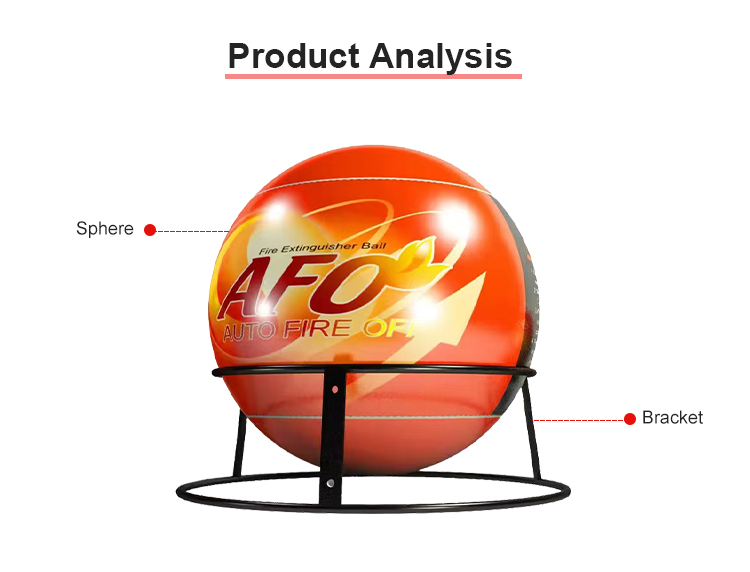
A fire extinguishing ball is a compact, self-activating fire suppression device designed to deploy rapidly when it makes contact with flames. Unlike traditional extinguishers that require manual operation under stress, the fire extinguishing ball is built to activate on its own when placed near or thrown into a fire. Understanding how to use it correctly is essential to maximizing its effectiveness and ensuring personal safety during a fire emergency.
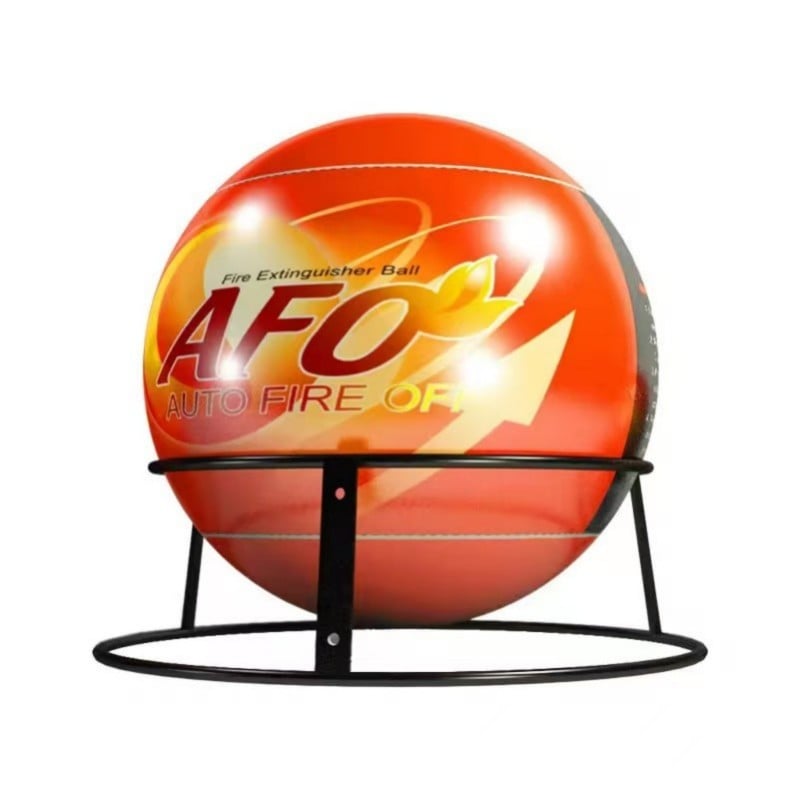
Whether you are installing a fire extinguishing ball in a vehicle, a storage room, or a commercial space, the principles of safe activation and deployment remain consistent. This guide walks you through the proper steps to prepare, position, and deploy a fire extinguishing ball so that it functions as intended when a fire breaks out. By following these practical steps, you can integrate the fire extinguishing ball into your broader fire safety plan with confidence.
Understanding How the Fire Extinguishing Ball Works
The Self-Activation Mechanism
The fire extinguishing ball operates through a heat-sensitive trigger mechanism. When the fire extinguishing ball comes into direct contact with flames or reaches a critical heat threshold, it activates automatically and disperses a dry chemical agent or powder over the fire source. This agent suppresses combustion by interrupting the chemical reaction that sustains the fire. Because the fire extinguishing ball does not require a person to pull a pin or press a lever, it reduces the risk of human error during a high-stress situation.
The fire extinguishing ball is typically rated for Class A, B, and C fires, meaning it works on ordinary combustibles, flammable liquids, and electrical fires. Understanding the activation range of your specific fire extinguishing ball model is important. Most fire extinguishing ball products activate within three to five seconds of contact with an open flame, making rapid response a core advantage of this device.
Components of the Fire Extinguishing Ball
A standard fire extinguishing ball consists of an outer shell, a chemical powder charge, and an internal activation fuse. The outer shell of the fire extinguishing ball is designed to crack or burst upon activation, releasing the suppression agent in all directions. This omnidirectional dispersal is what makes the fire extinguishing ball particularly effective in enclosed or semi-enclosed spaces such as car cabins, electrical panels, and small utility rooms. Knowing these components helps you handle the fire extinguishing ball correctly before and during deployment.
Step-by-Step Deployment of the Fire Extinguishing Ball
Pre-Deployment Safety Preparations
Before deploying a fire extinguishing ball, inspect the device for any physical damage, cracks, or chemical leakage. A compromised fire extinguishing ball may not activate correctly or could release agents prematurely. Always store the fire extinguishing ball in a cool, dry location away from direct sunlight and heat sources to preserve its integrity. Check the manufacturing date and replace the fire extinguishing ball if it has exceeded its recommended service life, which most manufacturers set at five years.
When deploying a fire extinguishing ball manually, wear gloves if available and keep the device at arm's length. The fire extinguishing ball is designed to be safe to handle, but keeping a controlled grip ensures accurate placement. Never drop the fire extinguishing ball carelessly on hard surfaces, as physical impact can sometimes trigger unexpected activation depending on the model design.
Manual Throw and Placement Techniques
The most common manual method for deploying a fire extinguishing ball is to roll or toss it gently into the base of the fire. Aim for the center of the flame source, since the fire extinguishing ball achieves maximum suppression when it lands in direct contact with the burning area. Avoid throwing the fire extinguishing ball from a great height, as excessive impact force could cause irregular dispersal. A controlled underhand toss typically gives the best accuracy and coverage.
For automatic placement scenarios, the fire extinguishing ball can be mounted using a bracket or holder directly above fire-prone equipment. In this configuration, the fire extinguishing ball will drop and activate automatically when flames reach the mounting area. This approach is especially useful in engine compartments, server rooms, and electrical cabinets where a human operator may not be present when a fire starts. Always position the fire extinguishing ball so that it faces downward or is oriented to fall into the fire zone.
Post-Deployment Actions
After the fire extinguishing ball has deployed, do not re-enter the area immediately. Allow the dispersed chemical agent to settle before approaching, as inhaling the powder can cause respiratory irritation. Ventilate the space by opening doors and windows before cleanup begins. Document the deployment and replace the used fire extinguishing ball as soon as possible, since a deployed unit cannot be recharged or reused. Maintaining a backup fire extinguishing ball at all times is a sound safety practice for any high-risk environment.
Placement and Maintenance Best Practices
Choosing the Right Location for Your Fire Extinguishing Ball
Effective deployment of a fire extinguishing ball starts long before a fire occurs. Selecting the correct installation location is one of the most critical decisions you will make. Place the fire extinguishing ball in areas with the highest ignition risk, such as near electrical panels, fuel storage areas, kitchen equipment, or inside vehicles. The fire extinguishing ball should be accessible within seconds, either by mounting it visibly in an open bracket or by positioning it at waist height in the target area.
Avoid placing the fire extinguishing ball in locations where it might be accidentally knocked over or exposed to excessive moisture. Moisture exposure can degrade the outer shell of the fire extinguishing ball over time, reducing its ability to activate reliably. In outdoor settings, use a protective casing or covered mounting bracket to shield the fire extinguishing ball from weathering.
Regular Inspection and Replacement Schedule
A fire extinguishing ball requires periodic inspection to remain effective. Check the fire extinguishing ball every six months for signs of physical damage, discoloration, or seal degradation. Confirm that the mounting bracket is secure and that the fire extinguishing ball has not been moved from its designated location. If the fire extinguishing ball shows any signs of deterioration, replace it immediately rather than waiting for the next scheduled inspection cycle.
Keeping a maintenance log for each fire extinguishing ball in your facility helps track inspection dates, deployment history, and replacement needs. This practice is especially important in commercial or industrial environments where multiple units of the fire extinguishing ball may be installed. A well-maintained fire extinguishing ball is a reliable first line of defense when a fire emergency occurs.
FAQ
Can a fire extinguishing ball be used on all types of fires?
Most fire extinguishing ball products are rated for Class A, B, and C fires, which cover ordinary combustibles, flammable liquids, and electrical fires. However, not every fire extinguishing ball is rated for Class K fires involving cooking oils. Always check the classification label on your specific fire extinguishing ball before relying on it for a particular fire risk environment.
Is it safe to handle a fire extinguishing ball without protective gear?
A fire extinguishing ball is generally safe to handle with bare hands under normal conditions. The outer shell is non-toxic and designed for easy manual use. However, wearing gloves is recommended when deploying a fire extinguishing ball near an active fire to protect your hands from radiant heat. Avoid shaking or striking the fire extinguishing ball against hard surfaces unnecessarily.
How often should a fire extinguishing ball be replaced?
A fire extinguishing ball typically has a service life of five years from the date of manufacture. After that period, the internal chemical charge and activation mechanism of the fire extinguishing ball may degrade, reducing reliability. Inspect the fire extinguishing ball every six months and replace it promptly if it shows physical damage or has exceeded its rated service life.

