
 EN
EN
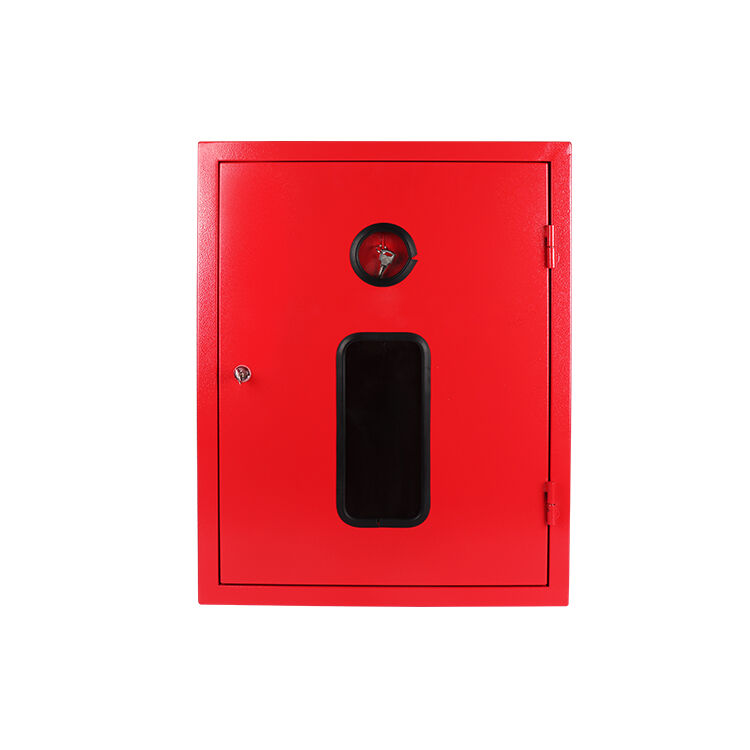
Using a dry powder extinguisher during a fire emergency is an effective way to suppress flames quickly, but the aftermath presents unique cleanup challenges that require careful attention. The fine chemical powder discharged from these extinguishers can spread extensively throughout the affected area, coating surfaces, equipment, and personal belongings with a persistent residue that demands systematic removal techniques.
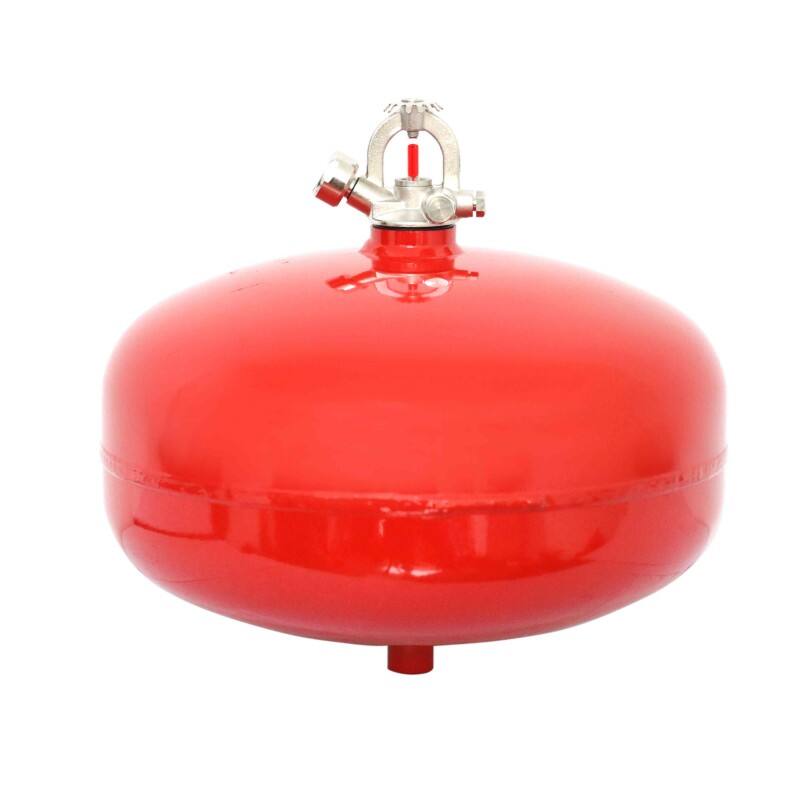
The cleanup process after deploying a dry powder extinguisher involves more than simple sweeping or wiping down surfaces. The chemical composition of the powder agent, typically monoammonium phosphate or sodium bicarbonate, creates specific cleaning requirements that protect both the environment and the people performing the cleanup. Understanding the proper methods and safety precautions ensures thorough decontamination while preventing potential health risks or property damage from improper cleaning techniques.
Understanding Dry Powder Extinguisher Residue Composition
Chemical Properties of Dry Powder Agents
The residue left behind by a dry powder extinguisher consists primarily of finely ground chemical compounds designed to interrupt the combustion process. ABC-type dry powder extinguishers commonly use monoammonium phosphate as the active agent, which appears as a yellow powder that can be mildly corrosive to certain metals over time. This chemical composition means that prompt cleanup becomes essential to prevent long-term damage to affected surfaces and equipment.
BC-type dry powder extinguisher formulations typically contain sodium bicarbonate or potassium bicarbonate, producing a white powder residue that is generally less corrosive than monoammonium phosphate but equally persistent in adhering to surfaces. The particle size of these agents is deliberately kept very fine to maximize coverage area and fire suppression effectiveness, but this same characteristic makes thorough cleanup more challenging.
Surface Adhesion and Contamination Patterns
When a dry powder extinguisher discharges, the pressurized release creates a cloud effect that allows the powder to settle into crevices, behind equipment, and on vertical surfaces throughout the immediate area. The electrostatic properties of the fine powder particles help them adhere to various materials, including plastics, metals, fabrics, and electronic equipment, requiring different cleaning approaches for each surface type.
The contamination pattern extends well beyond the direct discharge area, as air circulation systems can distribute the powder throughout connected spaces. Understanding this widespread distribution helps cleanup crews develop comprehensive cleaning strategies that address all affected areas rather than focusing solely on the obvious powder accumulation zones.
Essential Safety Preparations Before Cleanup
Personal Protective Equipment Requirements
Before beginning cleanup operations after using a Dry Powder Extinguisher, proper personal protective equipment becomes absolutely critical for worker safety. Respiratory protection through N95 masks or higher-grade respirators prevents inhalation of fine powder particles that can irritate lung tissues and cause breathing difficulties, especially in enclosed spaces where powder concentration remains high.
Eye protection using safety goggles prevents powder particles from causing irritation or injury to the eyes during the cleanup process. Protective clothing including long sleeves, long pants, and gloves creates a barrier between the chemical residue and exposed skin, reducing the risk of skin irritation or chemical burns from prolonged contact with certain powder formulations.
Area Ventilation and Containment
Establishing proper ventilation before starting cleanup helps remove airborne powder particles and prevents their redistribution to clean areas. Opening windows and doors when weather conditions permit, or using fans to direct airflow toward the outside, creates positive air movement that carries suspended particles away from the work area rather than allowing them to resettle on cleaned surfaces.
Containing the cleanup area using plastic sheeting or barriers prevents powder from spreading to adjacent clean spaces during the removal process. This containment strategy proves particularly important in commercial or industrial settings where business operations continue in nearby areas, ensuring that cleanup activities do not disrupt normal operations or create additional contamination zones.
Step-by-Step Cleanup Methodology
Initial Assessment and Documentation
The cleanup process begins with a thorough assessment of the contaminated area to identify all surfaces, equipment, and materials affected by dry powder extinguisher discharge. Photographing the extent of powder distribution provides documentation for insurance purposes and helps ensure that no contaminated areas are overlooked during the cleaning process. This initial survey also helps determine the appropriate cleaning methods and supplies needed for different surface types.
Creating a systematic cleaning plan prevents cross-contamination and ensures efficient use of cleanup resources. Working from top to bottom and from least contaminated to most contaminated areas prevents redistribution of powder residue and reduces the total time required for complete decontamination. This methodical approach also helps track progress and ensures consistent cleaning standards throughout the affected space.
Dry Removal Techniques
Beginning the cleanup with dry removal methods prevents the powder from becoming paste-like when exposed to moisture, which would significantly complicate the cleaning process. Using a shop vacuum with HEPA filtration capabilities effectively removes loose powder from hard surfaces without spreading particles into the air. Regular emptying of the vacuum bag or canister prevents powder from clogging the filtration system and maintains optimal suction performance.
For delicate surfaces or electronic equipment, using compressed air in short bursts can dislodge powder particles without the aggressive suction that might damage sensitive components. This technique requires careful attention to air pressure settings and direction to avoid forcing powder deeper into equipment crevices or spreading contamination to previously clean areas.
Specialized Cleaning Procedures for Different Materials
Electronic Equipment and Sensitive Devices
Electronic equipment contaminated by dry powder extinguisher discharge requires specialized cleaning procedures to prevent permanent damage from corrosive chemical residue. Disconnecting all power sources before beginning cleanup prevents electrical shorts or component damage during the cleaning process. Using isopropyl alcohol on cotton swabs allows precise cleaning of circuit boards, connectors, and other sensitive components without introducing excessive moisture that could cause additional problems.
For larger electronic devices, disassembly may be necessary to access all contaminated surfaces and ensure complete powder removal. Professional electronics restoration services should be considered for valuable or complex equipment, as improper cleaning techniques can cause more damage than the original powder contamination. Documentation of cleaning procedures helps support warranty claims and insurance coverage for affected equipment.
Fabric and Upholstered Surfaces
Fabric surfaces present unique challenges when cleaning up after dry powder extinguisher use, as the fine particles can become deeply embedded in textile fibers. Initial treatment involves gentle vacuuming with upholstery attachments to remove surface powder without forcing particles deeper into the fabric. Multiple vacuum passes from different angles help ensure thorough powder extraction from fabric surfaces.
Professional steam cleaning or dry cleaning services may be required for valuable upholstered furniture, carpets, or draperies that have absorbed significant powder contamination. Some fabrics may retain odors or discoloration even after thorough cleaning, requiring replacement in cases where restoration proves ineffective or cost-prohibitive compared to replacement costs.
Final Decontamination and Quality Assurance
Surface Treatment and Neutralization
After removing visible powder residue, treating cleaned surfaces with appropriate neutralizing agents helps eliminate any remaining chemical traces that could cause long-term corrosion or damage. For surfaces that contacted monoammonium phosphate from ABC-type dry powder extinguisher systems, mild alkaline solutions can help neutralize acidic residues, while sodium bicarbonate residues typically require only thorough rinsing with clean water.
Metal surfaces require particular attention during the final treatment phase, as even small amounts of residual powder can initiate corrosion processes over time. Applying appropriate protective coatings or corrosion inhibitors after cleaning and neutralization helps restore the original protective properties of painted or treated metal surfaces affected by powder contamination.
Air Quality Restoration and Testing
Complete cleanup includes addressing airborne particles that may remain suspended in the indoor environment after dry powder extinguisher discharge. Running air filtration systems or portable air scrubbers helps capture remaining particles and restore normal air quality in the affected space. Changing HVAC filters after cleanup prevents contaminated filters from recirculating powder particles throughout the building ventilation system.
Professional air quality testing may be warranted in sensitive environments such as healthcare facilities, food processing areas, or clean manufacturing spaces where even trace contamination could affect operations or product quality. These tests verify that airborne particle levels have returned to acceptable standards before resuming normal activities in the cleaned space.
FAQ
How long should I wait before starting cleanup after using a dry powder extinguisher?
You should begin cleanup as soon as the fire is completely extinguished and the area is safe to enter, typically within a few hours. Delaying cleanup allows the chemical powder to settle deeper into surfaces and potentially cause corrosion damage to metals. However, ensure the area has cooled completely and there is no risk of fire rekindling before starting any cleanup activities.
Can I use regular household cleaning products to remove dry powder extinguisher residue?
While some household cleaning products can help remove powder residue, specialized cleaning agents designed for fire extinguisher cleanup are more effective and safer. Avoid using strong acids or bases that could react with the powder chemicals. Water-based cleaners work well for final surface treatment after mechanical powder removal, but always test cleaning products on a small, inconspicuous area first.
Is it safe to clean up dry powder extinguisher residue myself, or should I hire professionals?
Small-scale cleanup can be performed safely with proper protective equipment and techniques, but extensive contamination or sensitive equipment damage typically requires professional restoration services. If you experience respiratory irritation, have valuable electronics affected, or face cleanup areas larger than a single room, professional cleanup services have specialized equipment and expertise to ensure thorough decontamination without causing additional damage.
What should I do if powder residue has gotten into my HVAC system?
HVAC systems contaminated by dry powder extinguisher discharge require professional cleaning to prevent ongoing air quality problems and equipment damage. Turn off the system immediately to prevent further powder circulation, and contact HVAC cleaning specialists who can properly clean ductwork, replace filters, and inspect system components for damage. Operating a contaminated HVAC system can spread powder throughout the entire building and cause expensive equipment damage.
Table of Contents
- Understanding Dry Powder Extinguisher Residue Composition
- Essential Safety Preparations Before Cleanup
- Step-by-Step Cleanup Methodology
- Specialized Cleaning Procedures for Different Materials
- Final Decontamination and Quality Assurance
-
FAQ
- How long should I wait before starting cleanup after using a dry powder extinguisher?
- Can I use regular household cleaning products to remove dry powder extinguisher residue?
- Is it safe to clean up dry powder extinguisher residue myself, or should I hire professionals?
- What should I do if powder residue has gotten into my HVAC system?

