 EN
EN
A fire blanket operates through a fundamental principle of fire suppression that cuts off oxygen supply to burning materials, creating an effective barrier that suffocates flames within seconds. Understanding how fire blankets work reveals why these simple yet sophisticated fire safety tools have become essential equipment across industrial facilities, commercial kitchens, laboratories, and residential environments where quick fire response capabilities can prevent catastrophic damage.
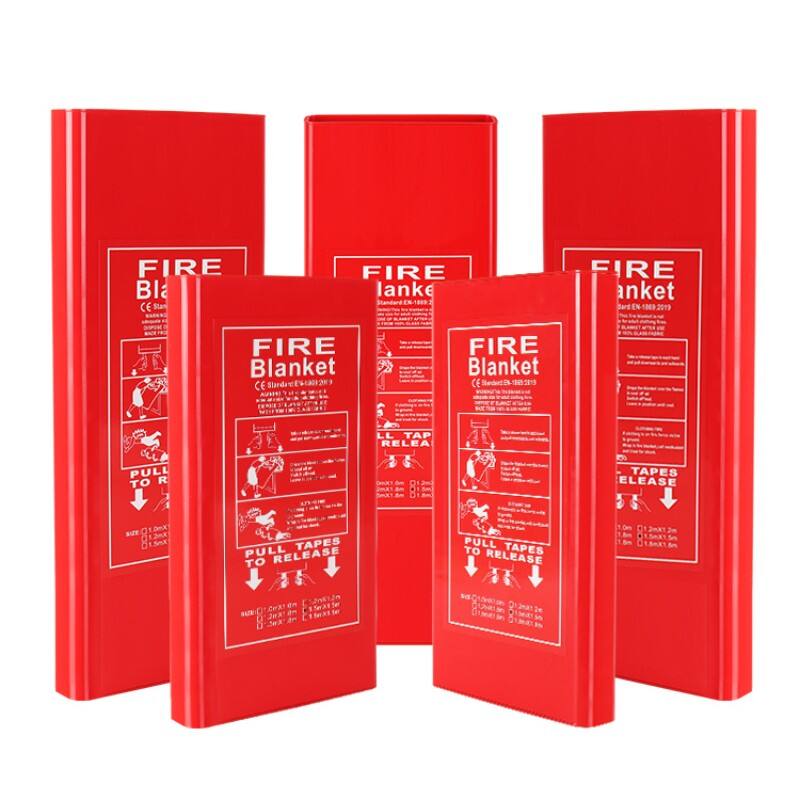
The mechanical process behind fire blanket operation involves disrupting the fire triangle—heat, fuel, and oxygen—by eliminating the oxygen component through complete encasement of burning materials. When deployed correctly, a fire blanket creates an airtight seal around fires, causing immediate flame extinction through oxygen deprivation while simultaneously containing heat and preventing fire spread to adjacent combustible materials.
Oxygen Deprivation Mechanism in Fire Suppression
Creating the Airtight Seal
The primary mechanism through which a fire blanket achieves fire suppression involves creating a complete oxygen barrier around burning materials. When the blanket material makes contact with flames, it immediately begins forming a protective envelope that prevents fresh oxygen from reaching the combustion zone. This process works because fires require a continuous supply of oxygen to maintain the chemical reaction of combustion, and removing this essential element causes immediate flame extinction.
The effectiveness of oxygen deprivation depends on the fire blanket's ability to conform closely to the shape of burning objects while maintaining structural integrity under heat exposure. Modern fire blanket materials are engineered to remain flexible at high temperatures, allowing them to wrap around irregular surfaces and create tight seals that prevent oxygen infiltration through gaps or openings.
Temperature resistance plays a crucial role in maintaining the oxygen barrier, as fire blanket materials must withstand direct flame contact without degrading or creating openings that would allow oxygen to reach the fire. High-quality fire blankets maintain their sealing properties even when exposed to temperatures exceeding 1000°F, ensuring reliable suppression performance across various fire scenarios.
Speed of Suppression Action
Fire blanket suppression occurs rapidly because oxygen depletion begins immediately upon deployment, with most fires becoming extinguished within 10 to 30 seconds of proper application. This rapid response time makes fire blankets particularly valuable for situations where quick action prevents fire escalation, such as clothing fires on personnel or small fires involving flammable liquids in confined spaces.
The suppression speed varies based on fire size, fuel type, and environmental conditions, but the fundamental oxygen deprivation mechanism remains consistent across different scenarios. Larger fires require more time for complete oxygen depletion, while smaller fires respond almost instantaneously to fire blanket deployment when proper covering techniques are applied.
Environmental factors such as wind or ventilation systems can affect suppression speed by introducing additional oxygen sources, but properly sized fire blankets compensate for these conditions by extending beyond the immediate fire area to create larger oxygen-free zones that prevent re-ignition attempts.
Material Science Behind Fire Blanket Construction
Fiberglass Fiber Technology
Modern fire blanket construction relies primarily on woven fiberglass materials that provide exceptional heat resistance while maintaining flexibility necessary for effective deployment. Fiberglass fibers can withstand temperatures up to 1800°F without structural failure, making them ideal for creating reliable oxygen barriers during fire suppression operations. The weaving pattern of these fibers creates a tight matrix that prevents oxygen passage while allowing the blanket to conform to irregular surfaces.
The manufacturing process involves treating fiberglass fibers with specialized coatings that enhance their fire-resistant properties and improve handling characteristics. These treatments prevent fiber degradation under extreme heat while maintaining the material's ability to form effective seals around burning objects. Quality fire blanket manufacturers carefully control fiber density and weaving patterns to optimize both suppression effectiveness and durability.
Advanced fiberglass fire blanket designs incorporate multiple fiber layers with different characteristics, combining fine-weave surface layers for tight oxygen sealing with coarser backing layers for structural strength. This layered construction approach ensures that fire blanket performance remains consistent across various fire scenarios while providing adequate protection for users during deployment.
Heat Absorption and Dissipation
Fire blanket materials function not only as oxygen barriers but also as heat sinks that absorb thermal energy from burning materials, contributing to overall fire suppression effectiveness. The thermal mass of fire blanket materials helps reduce fire temperature while simultaneously preventing heat transfer to surrounding combustible materials, creating a dual-action suppression mechanism.
Heat absorption occurs through the physical properties of fire blanket materials, which have high specific heat capacities that allow them to absorb significant amounts of thermal energy without reaching dangerous temperatures on the exterior surface. This characteristic protects users from burn injuries during deployment while maintaining effective fire suppression capabilities.
Thermal dissipation properties ensure that absorbed heat spreads evenly throughout the fire blanket material rather than concentrating in contact areas, preventing localized overheating that could compromise material integrity. This heat distribution mechanism maintains blanket effectiveness throughout the suppression process while providing thermal protection for nearby personnel and equipment.
Fire Type Classification and Suppression Effectiveness
Class A Fire Suppression Mechanics
Fire blankets demonstrate exceptional effectiveness against Class A fires involving ordinary combustible materials such as wood, paper, fabric, and plastic by completely enveloping burning materials and eliminating oxygen access. The suppression mechanism for Class A fires relies on the fire blanket's ability to conform to irregular surfaces and create complete coverage that prevents oxygen from reaching any part of the burning material.
Class A fire suppression occurs rapidly because these materials typically burn with relatively low heat output compared to liquid or gas fires, allowing fire blanket materials to maintain structural integrity throughout the suppression process. The cooling effect provided by fire blanket thermal absorption helps prevent re-ignition once oxygen supply is eliminated, ensuring complete fire extinction.
Deployment techniques for Class A fires focus on ensuring complete coverage of all burning surfaces while maintaining safe distances during application. Fire blanket effectiveness against Class A fires makes them ideal for office environments, residential applications, and industrial areas where ordinary combustible materials present the primary fire risk.
Class B Liquid Fire Control
Class B fires involving flammable liquids present unique challenges for fire blanket suppression because liquid fires can spread rapidly and generate intense heat that tests material limits. Fire blankets work against liquid fires by creating vapor barriers that prevent flammable vapors from reaching ignition sources while simultaneously smothering existing flames through oxygen deprivation.
The suppression mechanism for liquid fires requires fire blankets to maintain effectiveness despite higher temperatures and potential liquid penetration. Quality fire blanket materials resist liquid absorption while maintaining their oxygen barrier properties, ensuring that suppression remains effective even when dealing with penetrating liquids or vapors.
Liquid fire suppression effectiveness depends on proper fire blanket sizing and deployment techniques that account for potential fire spread during application. Larger fire blankets provide better coverage margins for liquid fires, ensuring that suppression remains effective even if the fire area expands during the initial deployment phase.
Electrical Fire Safety Considerations
Fire blankets provide safe suppression options for electrical fires when properly applied, as their non-conductive properties eliminate electrocution risks associated with water-based suppression methods. The suppression mechanism remains consistent with other fire types—oxygen deprivation through complete coverage—but electrical fires require additional safety considerations during deployment.
Electrical equipment fires often generate intense heat in confined spaces, testing fire blanket thermal resistance capabilities. Modern fire blanket designs specifically address electrical fire scenarios by incorporating materials that maintain insulating properties at high temperatures while providing reliable oxygen barrier performance.
Safety protocols for electrical fire blanket deployment emphasize power disconnection when possible, but fire blankets remain effective even on energized equipment due to their non-conductive construction. This capability makes fire blankets valuable safety tools in electrical facilities, data centers, and industrial environments where electrical fire risks are elevated.
Deployment Techniques and Suppression Optimization
Proper Coverage Methods
Effective fire blanket deployment requires specific techniques that ensure complete oxygen barrier formation while maintaining user safety during application. The fundamental principle involves approaching fires from upwind positions when possible, allowing fire blanket materials to naturally drape over burning materials without exposing users to direct flame contact or toxic smoke inhalation.
Coverage techniques emphasize creating overlapping margins around fire perimeters to prevent oxygen infiltration through gaps or incomplete sealing. Professional fire safety protocols recommend extending fire blanket coverage at least 12 inches beyond visible fire boundaries to account for potential fire spread and ensure complete suppression effectiveness.
User positioning during deployment affects both safety and suppression effectiveness, with proper techniques involving systematic approaches that minimize exposure time while maximizing coverage quality. Training programs for fire blanket deployment focus on these positioning strategies to ensure reliable suppression results across various fire scenarios and environmental conditions.
Size Selection for Maximum Effectiveness
Fire blanket size selection directly impacts suppression effectiveness because inadequate coverage areas compromise oxygen barrier formation and allow fire persistence or re-ignition. Standard fire blanket sizes range from small personal protection models designed for clothing fires to large industrial versions capable of suppressing significant fire areas in commercial and industrial settings.
Sizing calculations must account for fire type, potential spread patterns, and deployment limitations to ensure adequate coverage margins. Industrial fire blanket applications typically require larger sizes to accommodate equipment configurations and provide sufficient coverage for complex fire scenarios involving multiple ignition sources or irregular burning patterns.
Professional fire blanket sizing follows established guidelines that correlate blanket dimensions with expected fire scenarios, ensuring that suppression capabilities match actual fire risks present in specific environments. These sizing standards help facility managers select appropriate fire blanket specifications that provide reliable protection without excessive cost or storage requirements.
FAQ
How long does it take for a fire blanket to extinguish different types of fires?
Fire blankets typically extinguish small fires within 10 to 30 seconds through oxygen deprivation, with Class A fires involving ordinary combustibles responding fastest due to lower heat output. Larger fires or those involving flammable liquids may require 30 to 60 seconds for complete suppression, depending on fire size and fuel type. The suppression time depends on creating an effective oxygen barrier rather than fire intensity, making proper deployment technique more important than waiting extended periods.
Can fire blankets be reused after suppressing a fire?
Fire blankets should not be reused after fire suppression because exposure to flames and high temperatures can compromise material integrity and reduce future effectiveness. Even if the blanket appears undamaged, heat exposure may weaken fibers or alter material properties that are essential for reliable oxygen barrier formation. Professional fire safety protocols require replacing fire blankets after any fire exposure to maintain reliable protection capabilities for future emergency situations.
What makes fire blankets more effective than water for certain fire types?
Fire blankets provide superior effectiveness for electrical fires and flammable liquid fires because they eliminate electrocution risks and prevent liquid fire spread that water suppression can cause. Unlike water, fire blankets work through oxygen deprivation rather than cooling, making them effective against fires that water cannot reach or might spread. Additionally, fire blankets create no water damage and leave no residue, making them ideal for protecting sensitive equipment and materials during fire suppression operations.
How do environmental conditions affect fire blanket suppression performance?
Wind and ventilation systems can reduce fire blanket effectiveness by introducing additional oxygen sources that compromise the oxygen barrier necessary for suppression. High-temperature environments may challenge fire blanket material limits, though quality blankets maintain effectiveness at temperatures up to 1800°F. Humid conditions generally do not affect suppression performance, but proper deployment techniques must account for environmental factors by using larger coverage areas and ensuring complete sealing around fire perimeters to maintain effective oxygen deprivation regardless of conditions.

