
 EN
EN
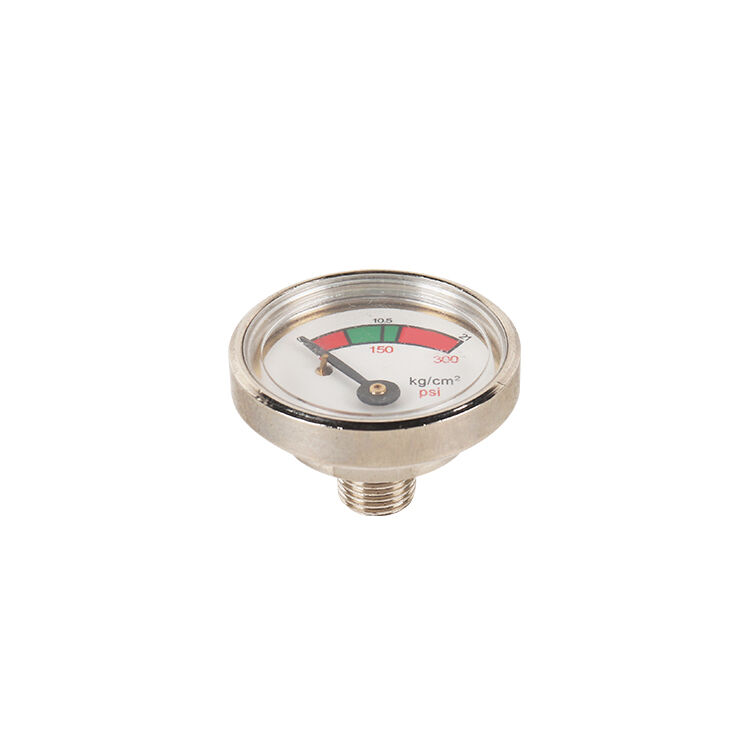
Fire extinguishers are essential safety devices found in homes, offices, industrial facilities, and public spaces. A critical component of every fire extinguisher is the pressure gauge, which provides a visual indication of whether the device is properly charged and ready for use. Many people assume that when the pressure gauge needle rests in the green zone, the fire extinguisher is automatically safe and functional for emergency deployment. However, understanding the relationship between gauge readings and actual operational readiness requires more nuanced knowledge of fire safety equipment mechanics, maintenance protocols, and the limitations of pressure gauge technology itself.
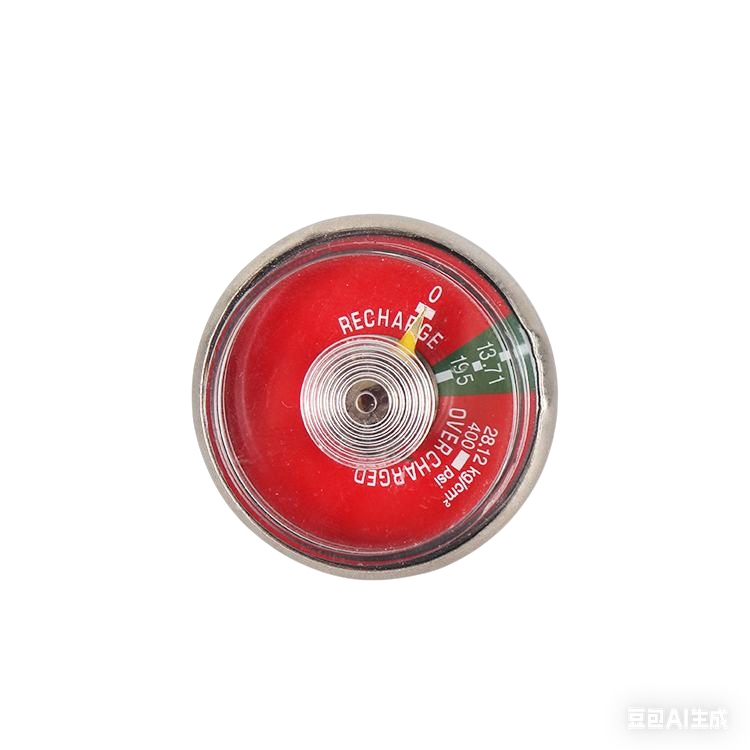
While a green reading on the pressure gauge generally indicates that the internal pressure falls within the manufacturer's specified operating range, this single indicator does not guarantee complete functionality or reliability during an actual fire emergency. The pressure gauge serves as a preliminary checkpoint rather than a comprehensive diagnostic tool. Fire extinguisher effectiveness depends on multiple factors beyond internal pressure, including the condition of discharge components, the integrity of seals, the age and quality of the extinguishing agent, and the overall structural soundness of the cylinder. This article examines the precise relationship between pressure gauge readings and fire extinguisher usability, exploring what the green zone truly signifies, the limitations of relying solely on gauge indicators, and the additional verification steps required to ensure genuine emergency readiness.
Understanding the Role and Function of the Pressure Gauge in Fire Extinguishers
What the Pressure Gauge Actually Measures
The pressure gauge installed on most portable fire extinguishers measures the internal pressure of the propellant that drives the extinguishing agent out of the cylinder during discharge. This propellant is typically either compressed air, nitrogen gas, or carbon dioxide, depending on the extinguisher type. The gauge provides a real-time reading of this internal pressure, displayed through a color-coded dial with zones typically marked as red (undercharged), green (operational range), and red again (overcharged). The green zone represents the manufacturer's designated pressure range within which the extinguisher should function as designed when the operating mechanism is activated.
For stored-pressure fire extinguishers, which constitute the majority of portable units in commercial and residential use, the Pressure Gauge continuously monitors the pressure that will expel the extinguishing agent when needed. The green zone typically ranges from approximately 100 to 195 psi for dry chemical extinguishers, though specifications vary by manufacturer and extinguisher model. This pressure range is engineered to provide sufficient force to atomize the extinguishing agent and project it effectively across the rated discharge distance, usually between 10 and 20 feet depending on extinguisher size and type.
How Pressure Gauge Technology Works
Traditional mechanical pressure gauges operate through a Bourdon tube mechanism, where internal pressure causes a curved metal tube to straighten slightly, mechanically moving a needle across a calibrated dial face. This simple mechanical linkage means the gauge responds directly to pressure changes without requiring batteries or electronic components. However, the mechanical nature of these gauges also introduces potential failure modes, including calibration drift over time, mechanical wear of the linkage system, and susceptibility to damage from impacts or environmental conditions such as extreme temperatures or corrosive atmospheres.
Modern digital pressure gauge variants, increasingly adopted in industrial and high-value applications, use electronic pressure transducers to provide more precise readings and can incorporate additional diagnostic capabilities such as data logging and wireless monitoring. These advanced gauges offer improved accuracy and can alert maintenance personnel to gradual pressure loss that might not be immediately apparent on analog dials. Regardless of technology type, the pressure gauge functions as a monitoring instrument that reflects current internal conditions but cannot independently verify the operational status of valves, hoses, nozzles, or the chemical composition of the extinguishing agent itself.
Limitations of Pressure Gauge Readings as Sole Indicators
Relying exclusively on the pressure gauge reading presents significant limitations in assessing fire extinguisher readiness. The gauge only measures one parameter among many that determine whether an extinguisher will function properly during an emergency. A green reading confirms adequate internal pressure but provides no information about whether the discharge valve operates smoothly, whether the carrying handle and operating lever are intact and functional, whether the hose and nozzle are clear of obstructions, or whether the extinguishing agent has settled, caked, or chemically degraded over time.
Furthermore, pressure gauges themselves can fail or provide misleading information. Gauges may stick in the green position even after pressure has dropped due to slow leakage through compromised seals or microscopic cylinder perforations. Conversely, gauges exposed to temperature fluctuations may temporarily show readings outside the green zone when the extinguisher is actually functional, since pressure naturally varies with ambient temperature. Professional fire safety standards therefore mandate comprehensive inspection protocols that go well beyond simple gauge observation, incorporating physical examination, weight verification, and periodic internal inspection or hydrostatic testing depending on extinguisher type and age.
Conditions Under Which a Green Gauge Reading Indicates Safe Usage
When Green Zone Readings Are Reliable Indicators
A pressure gauge reading within the green zone can be considered a reliable indicator of operational readiness when several complementary conditions are simultaneously met. First, the fire extinguisher must have undergone recent professional inspection within the timeframe specified by local fire codes and manufacturer recommendations, typically annually for most commercial applications. During this inspection, a qualified technician verifies not only the pressure gauge reading but also conducts a comprehensive examination of all extinguisher components, including the cylinder exterior for corrosion or damage, the operating mechanism for smooth function, the safety pin and tamper seal for integrity, and the discharge nozzle for blockages.
Second, the extinguisher should show no visible signs of physical damage, tampering, or environmental exposure that could compromise its functionality. Dents in the cylinder body, especially near welds or the base, can create weak points that might fail under pressure during discharge. Corrosion from chemical exposure or moisture infiltration can degrade both the cylinder integrity and internal components. When the pressure gauge shows green and the extinguisher passes these visual checks, along with verification that the unit weight matches the expected charged weight indicated on the label, the likelihood of successful operation during an emergency is substantially higher.
Verification Steps Beyond the Pressure Gauge Check
Proper verification of fire extinguisher readiness extends considerably beyond observing that the pressure gauge needle sits within the green zone. Monthly user inspections, recommended by fire safety standards, should include confirming that the extinguisher is accessible and unobstructed, that the operating instructions on the label remain legible, that the pressure gauge reads in the operational range, that there are no obvious physical damages or leakage signs, and that the discharge nozzle appears clear. The inspection tag should be checked to ensure the last professional service date falls within acceptable limits.
Annual professional maintenance goes deeper, involving removal of the discharge hose to check for internal blockages, examination of internal agent condition where possible, verification of cylinder weight to detect slow agent leakage, and functional testing of the operating mechanism without full discharge. For extinguishers reaching specific age milestones, typically six years for most stored-pressure units, internal examination becomes mandatory regardless of external appearance or pressure gauge readings. This involves complete depressurization, disassembly, internal inspection for corrosion or contamination, and replacement of specified components before recharging and returning the unit to service.
Temperature Effects on Pressure Gauge Accuracy
Ambient temperature significantly affects the pressure reading displayed on the pressure gauge, even when the fire extinguisher remains fully functional and properly charged. Gas pressure inside the cylinder varies directly with temperature according to fundamental thermodynamic principles. An extinguisher stored in a cold environment such as an unheated warehouse during winter may show a pressure gauge reading at the low end of the green zone or even slightly into the recharge zone, while the same unit in summer heat might read at the high end of green or approach the overcharged zone.
These temperature-induced variations are normal and expected within reasonable environmental ranges. Fire extinguisher manufacturers design their products and calibrate their pressure gauges to account for typical temperature swings encountered in standard building environments. However, extreme temperature exposure, whether prolonged storage in direct sunlight, proximity to heating equipment, or subjection to freezing conditions, can push readings outside normal parameters and may also affect the physical properties of the extinguishing agent or compromise seal integrity. For this reason, fire extinguishers should be installed in locations with relatively stable temperatures away from heat sources, and any unit showing persistent pressure readings outside the green zone should be professionally evaluated regardless of whether temperature fluctuations might explain the deviation.
Scenarios Where Green Gauge Readings May Be Misleading
Mechanical Gauge Failures and Calibration Drift
Mechanical pressure gauges, despite their simplicity and reliability under normal conditions, can fail in ways that produce misleading readings while the actual internal pressure has changed significantly. The most common failure mode involves the gauge needle becoming stuck in position due to corrosion of the pivot mechanism, accumulation of dust or moisture inside the gauge housing, or permanent deformation of the Bourdon tube from previous overpressure events. When a gauge sticks in the green position, users may believe the extinguisher remains properly charged when actual internal pressure has gradually declined due to seal degradation or microscopic leakage through valve components.
Calibration drift represents another mechanism through which pressure gauge readings become unreliable over time. The mechanical linkages and spring tensions within analog gauges can shift gradually due to repeated pressure cycling, mechanical shock from dropping or impacts, or metallurgical changes in the Bourdon tube material from age and fatigue cycles. This drift typically manifests as a systematic offset where the displayed pressure reads consistently higher or lower than actual internal pressure. Professional gauge calibration or replacement becomes necessary when drift exceeds acceptable tolerances, but without specialized testing equipment, users cannot detect this condition through visual inspection alone.
Internal Agent Degradation Without Pressure Loss
A fire extinguisher can maintain proper internal pressure, displaying a green pressure gauge reading, while the extinguishing agent itself has degraded to the point of reduced effectiveness or complete failure to suppress fire. This scenario occurs most commonly with dry chemical extinguishers where the powdered agent absorbs moisture over time through microscopic seal imperfections or cylinder porosity. The absorbed moisture causes the powder to cake into solid masses that cannot be properly fluidized and expelled during discharge, even though the propellant gas pressure remains adequate.
Similarly, certain extinguishing agents undergo chemical decomposition or separation over extended periods, particularly when subjected to temperature cycling or prolonged storage beyond their design service life. While the pressure gauge continues to monitor propellant pressure accurately, it provides no information about the chemical integrity of the fire suppression agent. This disconnect between pressure indication and actual firefighting capability underscores why time-based maintenance intervals and periodic internal inspection protocols exist independently of pressure gauge monitoring. The weight verification check, where the total extinguisher weight is compared against the nameplate specification, serves as a complementary indicator that can reveal agent loss or degradation that pressure monitoring alone cannot detect.
Partial Discharge and Resealing Issues
Fire extinguishers that have been partially discharged, whether through accidental activation, malicious tampering, or deliberate testing without proper documentation, may continue to show pressure gauge readings within the green zone under certain conditions. If an extinguisher is discharged only briefly and then the operating lever is released, some propellant pressure may remain in the cylinder, particularly in larger capacity units. The residual pressure might still register in the green zone on the pressure gauge despite substantial loss of extinguishing agent, rendering the unit inadequate for effective fire suppression.
This partial discharge scenario becomes particularly problematic when tamper seals are replaced improperly or when the discharge is not reported and documented. The pressure gauge reading alone cannot reveal that the extinguisher now contains only a fraction of its design agent capacity. Professional inspection protocols specifically address this vulnerability by checking tamper seal integrity, verifying that inspection tags show proper chain of custody, and most importantly, weighing the extinguisher to confirm that total mass matches specifications for a fully charged unit. Any weight discrepancy indicates agent loss regardless of what the pressure gauge displays, necessitating immediate professional service before the unit can be returned to operational status.
Professional Standards and Inspection Requirements Beyond Gauge Monitoring
Regulatory Framework Governing Fire Extinguisher Maintenance
Comprehensive regulatory frameworks established by fire safety authorities mandate inspection and maintenance protocols that extend far beyond simple pressure gauge observation. In the United States, the National Fire Protection Association publishes NFPA 10, the Standard for Portable Fire Extinguishers, which specifies detailed requirements for inspection frequency, maintenance procedures, and testing intervals based on extinguisher type and application environment. These standards recognize that pressure gauge readings represent only one data point in assessing extinguisher readiness and explicitly require monthly visual inspections by facility personnel and annual professional maintenance by certified technicians.
Similar regulatory structures exist in other jurisdictions, such as British Standard BS 5306 in the United Kingdom and various ISO standards adopted internationally. These frameworks universally require that maintenance records be kept documenting inspection dates, findings, and corrective actions taken. The inspection tag attached to each extinguisher serves as a visible record of the last professional service date, and regulatory compliance audits verify that maintenance intervals are observed regardless of whether pressure gauge readings remain continuously in the green zone. This regulatory emphasis reflects the professional consensus that multiple independent verification methods are necessary to ensure fire extinguisher reliability during emergencies.
Six-Year Internal Examination and Twelve-Year Hydrostatic Testing
Time-based maintenance requirements mandate intrusive inspection and testing procedures at specified intervals regardless of external condition or pressure gauge readings. For most stored-pressure fire extinguishers, internal examination is required at six-year intervals from the manufacturing date. This procedure involves complete depressurization, removal of the valve assembly, and thorough internal inspection of the cylinder for corrosion, deposits, or damage that could compromise structural integrity or operational reliability. The extinguishing agent is examined for contamination or caking, and specified components such as O-rings and valve stems are replaced as preventive maintenance.
Hydrostatic testing, required at twelve-year intervals for most extinguisher types, subjects the cylinder to pressure substantially higher than normal operating levels to verify structural integrity and safety margins. During this destructive testing protocol, the empty cylinder is filled with water and pressurized to test pressure specifications while monitored for leakage, permanent expansion, or rupture. Only cylinders that pass hydrostatic testing without evidence of permanent deformation or failure can be returned to service after thorough drying, recharging with fresh agent, and installation of a new pressure gauge. These intrusive procedures recognize that external observation and pressure gauge monitoring cannot detect internal degradation that develops gradually over years of service life.
Weight Verification as a Complementary Diagnostic
Weight verification provides a critical complementary diagnostic that reveals extinguisher condition issues invisible to pressure gauge monitoring alone. Every fire extinguisher nameplate specifies the total charged weight, which includes the empty cylinder weight plus the full mass of extinguishing agent and propellant. During professional maintenance, technicians weigh the extinguisher and compare the measured weight against specifications, with acceptable tolerances typically ranging from two to ten percent depending on extinguisher size and type. Weight loss beyond these tolerances indicates leakage of extinguishing agent, even when the propellant pressure measured by the pressure gauge remains within the green zone.
This weight-based verification proves especially valuable for carbon dioxide extinguishers, which lack traditional pressure gauges since CO2 exists as a liquid under pressure at room temperature. For these units, weighing represents the primary method of verifying charge status between hydrostatic test intervals. For dry chemical and other stored-pressure extinguishers, weight checks complement pressure gauge readings by detecting scenarios where agent has been lost while propellant pressure remains adequate. The combination of pressure monitoring and weight verification provides substantially greater confidence in extinguisher readiness than either method alone, illustrating why professional inspection protocols incorporate multiple independent verification techniques rather than relying solely on the visible pressure gauge indication.
Best Practices for Fire Extinguisher Reliability Assurance
Establishing Comprehensive Inspection Schedules
Reliable fire extinguisher performance requires implementation of structured inspection schedules that incorporate multiple verification methods at appropriate intervals. Monthly visual inspections by facility personnel should follow a standardized checklist that includes verifying pressure gauge readings fall within the green zone, confirming physical accessibility and visibility, checking that instruction labels remain legible, examining for obvious physical damage or tampering, and verifying that the inspection tag shows current annual service. These monthly checks take only minutes per extinguisher but provide regular confirmation that units remain in apparent ready condition between professional maintenance intervals.
Annual professional maintenance by certified fire protection technicians constitutes the cornerstone of extinguisher reliability programs. During these comprehensive inspections, technicians perform detailed examinations that include pressure gauge verification, weight measurement, component functionality testing, internal examination where applicable based on extinguisher age, and replacement of degraded parts according to manufacturer specifications. Documentation of findings and actions taken creates a maintenance history that supports regulatory compliance and provides traceability if questions arise about extinguisher condition. Organizations managing large extinguisher inventories often implement tracking systems that generate automated alerts when maintenance due dates approach, ensuring that no units inadvertently exceed service intervals.
Proper Installation Location and Environmental Protection
Fire extinguisher placement significantly impacts both operational readiness and pressure gauge accuracy over time. Extinguishers should be mounted in locations with stable ambient temperatures away from direct sunlight, heating equipment, or areas subject to freezing conditions. Temperature extremes not only affect pressure gauge readings but can also accelerate seal degradation, promote moisture intrusion, and affect extinguishing agent properties. Wall mounting brackets should position extinguishers at appropriate heights for accessibility while protecting them from accidental impacts from vehicles, equipment, or foot traffic that could damage the cylinder or pressure gauge mechanism.
Environmental protection measures become especially important in harsh industrial settings where extinguishers may be exposed to corrosive chemicals, excessive dust, high humidity, or mechanical vibration. Protective cabinets with transparent doors or windows maintain extinguisher visibility and accessibility while shielding units from environmental factors that accelerate degradation. In particularly demanding environments such as marine applications, outdoor installations, or chemical processing facilities, specialized extinguisher types with enhanced corrosion resistance and more robust pressure gauge designs may be specified to maintain reliability under challenging conditions that would rapidly degrade standard units.
Training and Documentation for Operational Readiness
Human factors play a crucial role in fire extinguisher effectiveness, extending beyond the mechanical readiness indicated by pressure gauge readings. Comprehensive training programs ensure that building occupants understand not only how to operate fire extinguishers correctly but also how to assess their readiness status through visual inspection. Training should emphasize that while a green pressure gauge reading is necessary for extinguisher operation, it alone does not guarantee functionality, and users should also verify the absence of physical damage, the presence of intact tamper seals, and current inspection tags before relying on any extinguisher during an emergency.
Documentation systems that track inspection completion, maintenance actions, training participation, and any incidents involving extinguisher use or failure create accountability and provide data for continuous improvement of fire safety programs. Digital tracking systems increasingly replace paper-based inspection tags, offering advantages such as automated reminder generation, centralized record keeping, and analytical capabilities that identify patterns such as recurring pressure loss in specific extinguisher locations that might indicate environmental factors requiring remediation. This systematic approach to documentation ensures that pressure gauge monitoring exists within a comprehensive framework of verification, maintenance, and training activities that collectively ensure extinguisher reliability when emergencies arise.
FAQ
Can I use a fire extinguisher if the pressure gauge shows green but the inspection tag is expired?
A fire extinguisher with an expired inspection tag should be professionally serviced before being considered fully reliable, even if the pressure gauge reads in the green zone. The expired tag indicates that comprehensive annual maintenance has not been performed within required timeframes, meaning internal components, agent condition, and functional elements have not been professionally verified. In an actual emergency where no alternative exists, an extinguisher showing green pressure might still function, but proper compliance requires scheduling professional inspection immediately. The pressure gauge confirms only that internal pressure appears adequate, while the expired tag signals that other critical factors affecting reliability have not been recently verified through proper maintenance protocols.
How often should the pressure gauge itself be replaced or calibrated?
Pressure gauges on fire extinguishers do not have universal replacement intervals specified in most maintenance standards, but they should be replaced whenever they show signs of damage, erratic readings, or when they fail calibration checks during professional maintenance. Many fire protection professionals recommend gauge replacement during the six-year internal examination or twelve-year hydrostatic test intervals as preventive maintenance, particularly for extinguishers in harsh environments or high-reliability applications. Digital pressure gauge systems may have manufacturer-specified calibration intervals, typically annually or biennially. Any pressure gauge that has been subjected to impact damage, exposure to extreme temperatures, or shows signs of moisture intrusion should be replaced immediately regardless of whether readings still fall in the green zone.
What should I do if the pressure gauge reading fluctuates between green and recharge zones?
Pressure gauge readings that fluctuate between the green operational zone and the red recharge zone typically indicate temperature-related pressure variation, slow pressure loss, or gauge malfunction. First, observe whether the fluctuation correlates with ambient temperature changes throughout the day or across seasons, as this represents normal behavior. If fluctuations occur without obvious temperature correlation, or if the trend shows gradual movement toward the recharge zone over time, the extinguisher likely has a slow leak requiring professional service. Remove the unit from service immediately and replace it with a properly charged backup extinguisher, then schedule professional inspection to diagnose whether the issue stems from valve seal degradation, cylinder perforation, or gauge malfunction. Never rely on an extinguisher with inconsistent pressure readings during emergency situations.
Does a green pressure gauge reading guarantee the extinguisher will work during a fire emergency?
A green pressure gauge reading indicates that internal propellant pressure falls within the manufacturer's specified operational range but does not guarantee complete functionality during fire emergencies. The extinguisher may still fail to discharge properly if the nozzle is blocked, the hose is damaged, internal agent has caked or degraded, mechanical components have corroded, or the valve mechanism has seized. Comprehensive reliability requires that the pressure gauge reading be confirmed as part of broader inspection protocols including visual examination for physical damage, verification of current professional maintenance through inspection tags, weight checks to confirm full agent charge, and periodic functional testing of operating mechanisms. The pressure gauge serves as one important indicator within a multi-factor assessment system rather than a standalone guarantee of emergency readiness.
Table of Contents
- Understanding the Role and Function of the Pressure Gauge in Fire Extinguishers
- Conditions Under Which a Green Gauge Reading Indicates Safe Usage
- Scenarios Where Green Gauge Readings May Be Misleading
- Professional Standards and Inspection Requirements Beyond Gauge Monitoring
- Best Practices for Fire Extinguisher Reliability Assurance
-
FAQ
- Can I use a fire extinguisher if the pressure gauge shows green but the inspection tag is expired?
- How often should the pressure gauge itself be replaced or calibrated?
- What should I do if the pressure gauge reading fluctuates between green and recharge zones?
- Does a green pressure gauge reading guarantee the extinguisher will work during a fire emergency?

