
 EN
EN
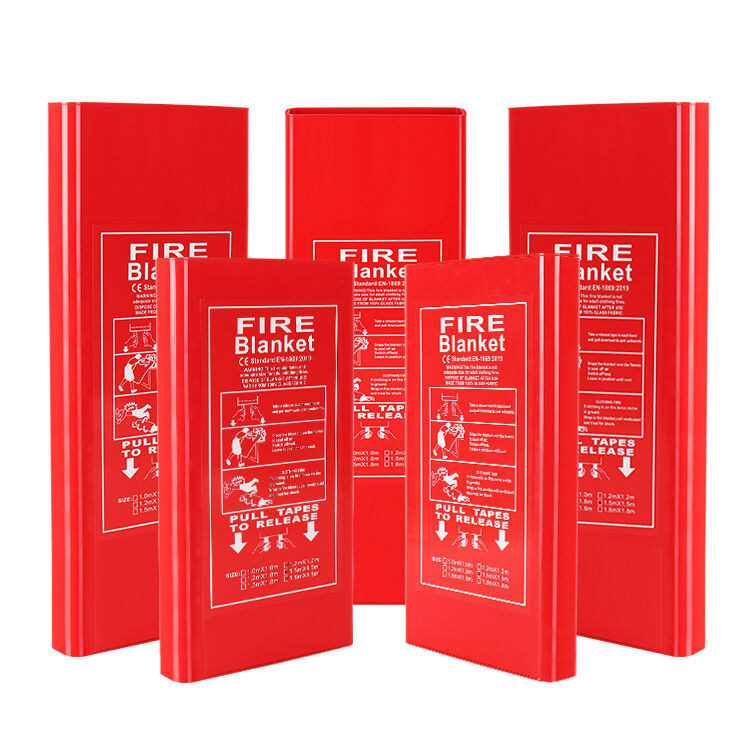
A Fire Blanket is one of the most practical and reliable pieces of fire safety equipment you can keep in your home, kitchen, or workplace. Unlike fire extinguishers that require training to use effectively, a Fire Blanket works by smothering small fires quickly — cutting off the oxygen supply and stopping combustion before it spreads. However, many people overlook a critical detail: owning a Fire Blanket is only half the equation. How you store and maintain it determines whether it will actually work when you need it most.
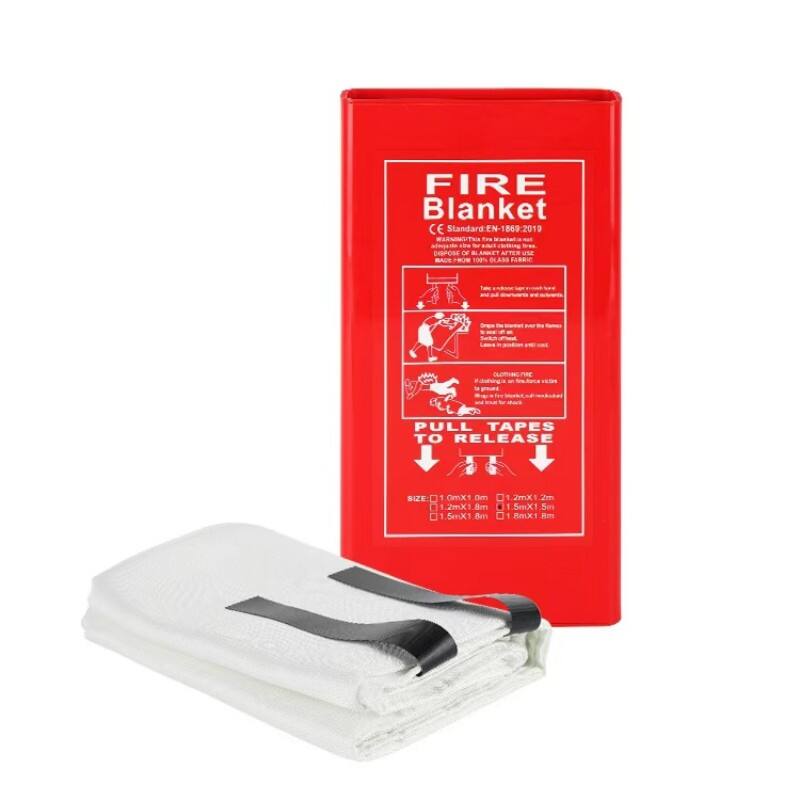
Improper storage and lack of regular maintenance are the leading reasons why a Fire Blanket fails at the moment of need. Whether you have a fiberglass Fire Blanket certified to CE EN1869 standards or a standard household model, understanding the correct procedures for storage, inspection, and upkeep is essential. This guide walks you through every practical step to ensure your Fire Blanket remains in peak condition and ready for immediate deployment at any time.
Understanding the Construction of a Fire Blanket
Materials That Define Performance
Most modern Fire Blanket products are made from woven fiberglass, a material chosen for its outstanding heat resistance and non-combustible properties. Fiberglass can withstand temperatures well above 500°C, making it suitable for suppressing kitchen fires, welding sparks, and small electrical fires. Understanding the material composition of your Fire Blanket helps you appreciate why specific storage conditions matter — fiberglass can be damaged by moisture, sharp bending, or chemical contamination.
Some Fire Blanket models incorporate additional coatings or reinforcements to enhance their thermal performance and durability. These coatings can degrade if exposed to harsh cleaning chemicals or prolonged UV light. Knowing what your specific Fire Blanket is made from is the first step in maintaining it correctly over time. Always refer to the manufacturer's documentation for material-specific guidance.
How the Packaging Affects Readiness
A Fire Blanket is typically stored in a compact soft pouch or a rigid wall-mounted container. Both designs allow for rapid deployment — usually by pulling a tab or unzipping the case in a single motion. The packaging is not just cosmetic; it protects the blanket from contamination, dust, and physical damage. A compromised packaging system can slow down your response time during an emergency.
Wall-mounted containers are particularly effective because they allow the Fire Blanket to be positioned at a consistent, easily accessible height. If your Fire Blanket uses a pull-tab release mechanism, ensure the tab is always exposed and the release path is unobstructed. Regularly check that the pouch or case seals properly and shows no signs of cracking, moisture intrusion, or UV degradation.
Choosing the Right Storage Location
Proximity to Risk Zones Without Obstruction
The golden rule of Fire Blanket storage is to keep it close to potential fire hazards but not directly beside them. In a kitchen, for instance, the ideal position is near the cooktop — within arm's reach — but mounted on a wall or inside a drawer that won't be blocked by smoke or flames. If the Fire Blanket is stored inside a cabinet directly above the stove, you may not be able to retrieve it when a grease fire ignites on the burner below.
The same logic applies to offices, workshops, and laboratories. Position the Fire Blanket at a height between waist and shoulder level so it can be grabbed quickly even under stress. Avoid placing it behind equipment, inside locked cabinets, or in areas where it would require multiple steps to access. Emergency response speed is significantly improved when a Fire Blanket is in a predictable, unobstructed location.
Environmental Conditions That Protect the Blanket
Humidity is one of the biggest threats to a stored Fire Blanket. Fiberglass absorbs moisture slowly over time, which can reduce its flexibility and, in some cases, allow mold or mildew to develop within the casing. Store your Fire Blanket in a dry environment with stable temperature conditions, away from steam sources such as kettles, dishwashers, or bathroom exhausts.
Direct sunlight and UV exposure can degrade both the outer packaging and the fiberglass material itself over extended periods. Avoid mounting your Fire Blanket in south-facing windows or near skylights where it will receive prolonged sun exposure. A shaded, room-temperature wall mount in a well-ventilated area represents the ideal storage environment. Consistent environmental conditions extend the service life of your Fire Blanket significantly.
Heavy objects should never be stacked on or against a stored Fire Blanket. Physical pressure can compress the fibers, alter the folding pattern, and make deployment slower or uneven. Treat the storage location as a dedicated safety zone — nothing else should occupy that space or create obstacles around it.
Routine Inspection and Maintenance Practices
Visual Inspection Frequency and What to Look For
A Fire Blanket should be visually inspected at least once every three months. During each inspection, check the outer casing or pouch for any signs of physical damage, discoloration, or moisture. Open the release mechanism briefly to confirm it moves freely without resistance. If your Fire Blanket is mounted in a wall bracket, verify that the bracket is still securely fixed to the wall and hasn't loosened over time.
Look for any staining on the packaging that might indicate chemical contact or water damage. Even if the blanket itself appears undamaged, a compromised container reduces your confidence in rapid deployment. During your inspection, also confirm that the Fire Blanket hasn't been partially pulled out — a common occurrence in busy kitchens where staff or family members may have touched it without realizing it.
Take note of the installation date and compare it against the manufacturer's recommended service interval. Many certified Fire Blanket products carry a recommended replacement timeline, often ranging from five to seven years depending on storage conditions and usage frequency. Staying aware of this timeline ensures you are never relying on equipment that has aged beyond its reliable service window.
Post-Use Assessment and Replacement Decisions
Once a Fire Blanket has been used to suppress an actual fire, it must be carefully evaluated before any decision about continued use. In most cases, single-use Fire Blanket products should be disposed of safely after deployment. Even if the blanket appears visually intact after use, its fiberglass structure may have been thermally stressed, and its suppression effectiveness in a future emergency cannot be guaranteed.
Some heavy-duty Fire Blanket designs rated for industrial use are specified for multiple deployments, but these still require thorough post-use inspection by a qualified safety professional before being returned to service. For standard household or office models, the safest and most practical approach is immediate replacement after use. Keep a replacement Fire Blanket on order before or shortly after any fire incident occurs.
Never attempt to wash or machine-clean a used Fire Blanket as a substitute for replacement. Washing can disrupt the fiber weave, introduce chemical residues, and create uneven thermal performance. If the blanket has been contaminated by burning grease or chemical agents during use, treat it as single-use and replace it with a certified unit such as a Fire Blanket that meets recognized safety standards.
Training Your Household or Team on Correct Usage
The Role of Familiarity in Emergency Response
A well-maintained Fire Blanket stored in the optimal location still provides limited value if the people in your home or workplace don't know how to use it. Familiarity breeds speed, and speed is critical in a fire situation. Walk every member of your household or team through the exact deployment process — how to open the case, how to hold the blanket, how to approach a fire safely, and when to retreat and call emergency services instead.
Practical drills, even brief ones, dramatically improve response time and reduce panic. Consider running a short simulation every six months where participants practice locating and deploying the Fire Blanket without it being used on an actual fire. This reinforces muscle memory and confirms that everyone knows where the Fire Blanket is stored and can reach it quickly.
Understanding Deployment Limits and When Not to Use a Fire Blanket
A Fire Blanket is designed for small, contained fires — typically those that fit within the blanket's surface area. It is most effective on stovetop grease fires, small appliance fires, and clothing fires. Attempting to use a Fire Blanket on a large, spreading fire is dangerous and ineffective. Training should include a clear explanation of these limitations so users make smart decisions under pressure.
Users should also understand that a Fire Blanket should be placed gently over the fire from a safe angle, never thrown directly at it. Throwing can disturb the fire and spread burning material. The correct technique involves holding the blanket in front of your body for protection, then carefully lowering it over the flame source and leaving it in place for several minutes after the fire appears out.
Once the Fire Blanket is placed, do not lift it prematurely. Removing it too quickly allows oxygen back in and can reignite the fire. After the fire has been suppressed and the surface has cooled sufficiently, then — and only then — should the blanket be carefully lifted and removed. Reinforce these steps consistently across all training sessions.
Long-Term Maintenance and Replacement Planning
Building a Safety Equipment Maintenance Schedule
Integrating your Fire Blanket inspection into a broader safety equipment maintenance schedule makes it easier to maintain consistency. Record the installation date, the last inspection date, and any observations from each inspection in a simple log. This documentation is particularly valuable in commercial settings where regulatory compliance may require proof of regular equipment maintenance.
Set calendar reminders for quarterly visual checks and annual detailed inspections. Annual inspections should include checking mounting hardware, reviewing the condition of the outer packaging in detail, and confirming the product is still within its certified service life. A well-documented maintenance history also helps during workplace audits and insurance reviews, demonstrating a proactive approach to fire safety.
When to Replace Versus Repair
A Fire Blanket cannot be repaired once its structural integrity has been compromised. Unlike reusable fire extinguishers that can be recharged and recertified, a Fire Blanket relies on its intact fiber structure to function. Any physical tear, puncture, persistent staining, or signs of fiber separation are immediate grounds for replacement. Do not attempt to patch or reinforce a damaged Fire Blanket with adhesives or tape.
Replacement is also warranted when the outer casing has become so worn or damaged that rapid deployment is no longer reliable. If the pull tab has broken, the zipper has seized, or the mounting bracket has corroded, replace the entire unit rather than attempting field repairs. Safety equipment must perform flawlessly under stress — partial functionality is not acceptable in a genuine emergency.
When selecting a replacement Fire Blanket, prioritize products that carry certified safety ratings relevant to your region. CE EN1869 certification, for example, is a widely recognized European standard that validates the blanket's heat resistance, deployment ease, and performance consistency. Certification provides an independent assurance that the Fire Blanket you are relying on has been tested against defined emergency scenarios.
FAQ
How often should I replace my Fire Blanket if it has never been used?
Even an unused Fire Blanket should be replaced according to the manufacturer's specified service life, typically between five and seven years. Over time, fiberglass materials can degrade due to environmental exposure, and the packaging may lose its protective integrity. Always check the product documentation for the recommended replacement interval and adhere to it regardless of whether the blanket has been deployed.
Can I store a Fire Blanket in a drawer instead of mounting it on the wall?
Yes, a Fire Blanket can be stored in a drawer as long as the drawer is easily accessible, remains uncluttered, and is located close to the potential fire source. However, wall mounting is generally preferred because it keeps the Fire Blanket visible, reduces the chance of it being buried under other items, and allows for quicker single-motion retrieval in an emergency. If drawer storage is your only option, designate a specific, clearly labeled drawer solely for the Fire Blanket.
Is it safe to store a Fire Blanket near a gas stove?
A Fire Blanket should be stored near a gas stove but not directly above it or adjacent to live burners. The recommended placement is on a side wall within arm's reach of the cooking area, at a height that allows easy retrieval without leaning over an open flame. The goal is proximity without exposure to heat, steam, or grease splatter, all of which can degrade both the packaging and the blanket material over time.
Does a Fire Blanket expire even if the packaging is still intact?
Yes, a Fire Blanket can expire even with intact packaging. The fiberglass fibers and any applied coatings experience gradual chemical and physical changes over time, reducing thermal performance even without visible signs of damage. The packaging protects the blanket from external contaminants but does not halt the natural aging process of the material itself. Always respect the manufacturer's stated expiry or replacement timeline to ensure your Fire Blanket performs as intended during an actual emergency.

