 EN
EN
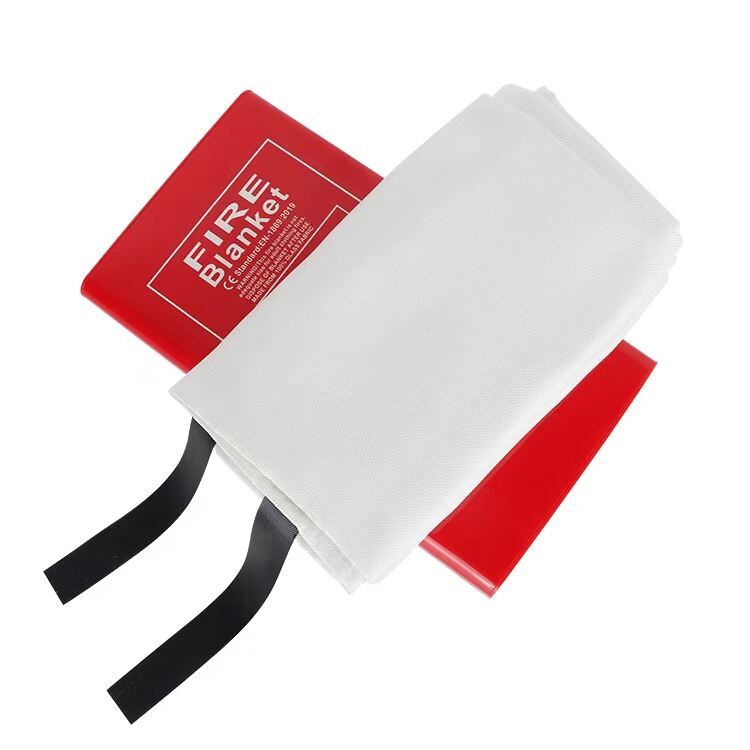
When a small fire breaks out in the kitchen or workplace, a Fire Blanket is often the first line of defense. It is compact, easy to deploy, and capable of smothering flames quickly without the mess of a fire extinguisher. But once a Fire Blanket has been used, a very practical question arises: can it be used again? The answer is not always straightforward, and understanding the facts behind it can make a real difference in how you manage fire safety at home or in a commercial setting.
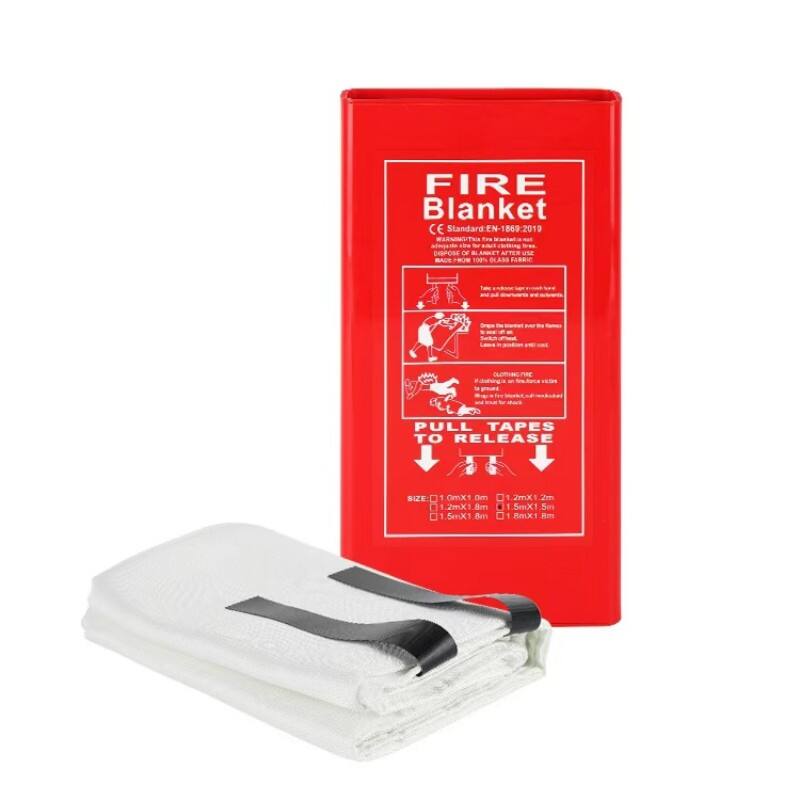
The reusability of a Fire Blanket depends on several factors, including the material it is made from, the intensity of the fire it was used to suppress, and whether it sustained any physical damage during deployment. While some Fire Blanket products are marketed as reusable, safety standards and practical inspection guidelines tell a more nuanced story. This article breaks down the key facts every homeowner, facility manager, and safety officer should know before deciding whether to reuse or replace a Fire Blanket after an incident.
Understanding How a Fire Blanket Works
The Mechanism Behind Fire Suppression
A Fire Blanket works by cutting off the oxygen supply to a fire. Since combustion requires fuel, heat, and oxygen, removing any one of these elements will extinguish the flame. When you place a Fire Blanket over a burning pan or wrap it around a person whose clothing has caught fire, the dense woven material creates a seal that starves the fire of the air it needs to continue burning.
Most modern Fire Blanket products are made from woven fiberglass, which is inherently non-combustible and capable of withstanding temperatures well above what a typical kitchen or small office fire would generate. This material is chosen specifically because it does not melt, ignite, or disintegrate under short-term heat exposure. The structural integrity of the fiberglass weave is what makes the Fire Blanket effective in the first place.
Understanding this mechanism is important because it directly informs the reusability question. If the material remains structurally intact after use, the Fire Blanket may still be capable of performing its function. However, if the weave has been compromised, scorched through, or contaminated with burning residue, its ability to form an effective seal is reduced, and its reliability in a future emergency cannot be guaranteed.
What Happens to the Material During Use
During deployment, a Fire Blanket is exposed to direct heat, open flame, and sometimes burning liquids such as cooking oil. Fiberglass fibers are highly heat-resistant, but prolonged or intense exposure can cause the surface coating to degrade, the weave to loosen, or the edges to fray. Even if the blanket appears visually intact after a minor incident, microscopic damage to the fiber structure may have occurred.
In cases where the Fire Blanket was used to smother a grease fire, the blanket may absorb oil, smoke residue, and combustion byproducts. These contaminants can affect the material's thermal resistance and may even become a secondary fuel source if the blanket is exposed to heat again. This is one of the most overlooked reasons why a used Fire Blanket should be carefully evaluated before being returned to service.
Can a Fire Blanket Actually Be Reused?
The Short Answer and Why It Is Conditional
The short answer is: it depends. A Fire Blanket that was used to smother a very small, contained flame and shows no visible damage may technically be reusable. However, most fire safety professionals and the standards that govern Fire Blanket performance recommend treating a used Fire Blanket with significant caution before redeployment. The conditional nature of reusability is not a marketing disclaimer — it reflects genuine performance risk.
Standards such as EN 1869, which governs Fire Blanket performance in European markets, specify that a Fire Blanket must meet defined criteria for heat resistance, coverage area, and deployment speed. These criteria are tested on new, undamaged blankets. Once a Fire Blanket has been used, there is no standardized field test that a non-specialist can perform to confirm it still meets those criteria. This is a critical gap between theoretical reusability and practical safety assurance.
For high-risk environments such as commercial kitchens, laboratories, or industrial facilities, the conservative and professionally recommended position is to replace a Fire Blanket after any use involving direct flame contact. The cost of a replacement Fire Blanket is negligible compared to the risk of relying on a compromised one during a real emergency.
Scenarios Where Reuse May Be Acceptable
There are limited scenarios where reusing a Fire Blanket may be considered acceptable. If the blanket was deployed as a precautionary measure — for example, placed over a smoldering surface before any open flame developed — and the blanket shows no heat discoloration, no fraying, no contamination, and no structural deformation, a careful visual inspection may support continued use.
Similarly, if a Fire Blanket was used during a training exercise with a controlled, low-temperature simulated fire, and the blanket was not exposed to actual combustion, it may remain serviceable. In these cases, the blanket should still be fully unfolded, inspected under good lighting, and refolded correctly so it can be deployed quickly in a real emergency.
Even in these more favorable scenarios, the decision to reuse a Fire Blanket should be documented, and the blanket should be scheduled for replacement at the next routine safety equipment review. Reuse should never become a default assumption — it should be a deliberate, inspected, and recorded decision.
How to Inspect a Fire Blanket After Use
Visual and Physical Inspection Steps
If you are evaluating whether a Fire Blanket can be reused, begin with a thorough visual inspection in a well-lit area. Lay the blanket flat on a clean surface and examine every section for burn holes, charred areas, thinning of the weave, or discoloration that indicates heat damage. Pay particular attention to the center of the blanket, which typically receives the most direct heat exposure during use.
Check the edges and corners for fraying or separation of the fiberglass fibers. A Fire Blanket with frayed edges may not form a complete seal over a fire source, which undermines its core function. Also inspect the pull tabs or deployment handles, if present, to ensure they are still firmly attached and functional. A blanket that cannot be deployed quickly in an emergency is not a reliable safety tool regardless of its material condition.
Run your hands carefully across the surface — wearing gloves is advisable since loose fiberglass fibers can irritate skin — to feel for any stiff, brittle, or uneven areas that suggest the material has been heat-damaged internally. If any of these signs are present, the Fire Blanket should be removed from service and replaced immediately.
When to Discard Without Hesitation
Certain conditions make the decision to discard a Fire Blanket straightforward. If the blanket has visible burn-through holes, even small ones, it must be replaced. A hole in the material means the blanket cannot form an airtight seal, and the fire suppression mechanism will fail at the most critical moment. There is no repair option for a Fire Blanket with burn damage — it must be discarded.
If the Fire Blanket was used to extinguish a large or rapidly spreading fire, or if it was in contact with flames for more than a few seconds, discard it. Prolonged heat exposure degrades fiberglass at a structural level that is not visible to the naked eye. Similarly, if the blanket was used to wrap around a person during a clothing fire, the combination of body contact, movement, and intense heat almost certainly compromised the material.
A Fire Blanket that has been contaminated with flammable liquids such as cooking oil, fuel, or chemical solvents should also be discarded. These substances can penetrate the fiberglass weave and remain present even after the blanket appears dry. In a subsequent fire event, the contaminated blanket could ignite rather than suppress, creating a dangerous situation rather than resolving one.
Proper Storage and Maintenance of a Fire Blanket
Storage Conditions That Preserve Performance
Whether a Fire Blanket is new or has been inspected and approved for continued use, proper storage is essential to maintaining its readiness. A Fire Blanket should be stored in its original pouch or a dedicated wall-mounted container in a location that is easily accessible and clearly visible. Mounting it near the most likely fire risk area — such as adjacent to a kitchen stove or near a welding station — ensures it can be reached within seconds.
Avoid storing a Fire Blanket in areas exposed to moisture, direct sunlight, or chemical vapors. Prolonged moisture exposure can cause fiberglass fibers to weaken over time, while UV exposure can degrade the surface coating. Chemical vapors from cleaning agents or industrial solvents can contaminate the material and reduce its thermal resistance. A dry, cool, and ventilated storage location is ideal.
The Fire Blanket should always be stored in a way that allows for immediate single-motion deployment. If the blanket is folded incorrectly or packed too tightly into its container, precious seconds can be lost during an emergency. Follow the manufacturer's refolding instructions carefully after any inspection or training use.
Routine Inspection as Part of a Safety Program
A Fire Blanket should be included in any routine fire safety inspection program, whether in a residential, commercial, or industrial setting. At minimum, inspect the blanket every six to twelve months to confirm it is in its designated location, the packaging is intact, and there are no signs of damage or contamination. In high-use environments such as commercial kitchens, monthly checks are a reasonable standard.
Keep a simple log of each inspection, noting the date, the condition observed, and any action taken. This documentation is valuable for compliance purposes and also creates accountability within a team or household. If a Fire Blanket is replaced, record the replacement date so the next inspection cycle can be tracked accurately.
Training staff or household members on how to deploy a Fire Blanket correctly is equally important. A well-maintained Fire Blanket is only effective if the person reaching for it knows how to use it without hesitation. Regular drills using a training blanket — not the actual emergency Fire Blanket — help build that muscle memory without compromising the readiness of the real equipment.
Choosing the Right Fire Blanket for Your Needs
Key Specifications to Look For
When selecting a Fire Blanket, the most important specification to verify is compliance with a recognized safety standard. A Fire Blanket certified to EN 1869 or an equivalent national standard has been independently tested for heat resistance, deployment performance, and material durability. Certification provides a baseline assurance that the product will perform as expected under real fire conditions.
Size is another critical factor. A standard 1.0 x 1.0 meter Fire Blanket is suitable for small kitchen fires involving pans or small appliances. For larger cooking surfaces, industrial equipment, or personal protection scenarios, a 1.2 x 1.8 meter or larger Fire Blanket provides better coverage and a more reliable seal. Choosing a Fire Blanket that is too small for the likely fire scenario is a common and avoidable mistake.
Material quality matters as well. High-density woven fiberglass offers superior heat resistance and durability compared to lower-grade alternatives. Look for a Fire Blanket with reinforced edges and robust pull tabs, as these components are under the most mechanical stress during rapid deployment. A well-constructed Fire Blanket will also be easier to refold and store correctly after inspection.
Matching the Fire Blanket to the Application
Different environments present different fire risks, and the right Fire Blanket for a home kitchen may not be the best choice for a commercial welding shop or a laboratory. In residential settings, a compact, wall-mounted Fire Blanket near the cooking area is the standard recommendation. It should be accessible to any adult in the household and positioned so that reaching for it does not require passing through the fire zone.
In commercial kitchens, the Fire Blanket should be part of a broader fire suppression system that also includes a fixed suppression hood and portable extinguishers. The Fire Blanket serves as a rapid-response tool for contained incidents before they escalate. In this context, having multiple Fire Blanket units positioned at different stations is a practical approach that reduces response time.
For industrial applications involving flammable materials, welding, or high-temperature processes, a larger and heavier-duty Fire Blanket is appropriate. These environments also benefit from more frequent inspection cycles and stricter replacement policies, since the fire risks are more severe and the consequences of equipment failure are greater. Matching the Fire Blanket specification to the actual risk profile of the environment is a fundamental principle of effective fire safety planning.
FAQ
Can a Fire Blanket be washed and reused after a small fire?
Washing a Fire Blanket after use is not recommended as a path to reuse. While it may remove surface residue, washing does not restore heat-damaged fiberglass fibers or repair microscopic structural degradation. If the blanket was used in a real fire, even a small one, it should be inspected carefully and replaced if there is any doubt about its integrity. Washing should not be treated as a substitute for proper inspection and replacement.
How long does a Fire Blanket last if it has never been used?
An unused Fire Blanket stored correctly in its original packaging can remain serviceable for many years. Most manufacturers recommend replacing a Fire Blanket every five to seven years regardless of use, as the fiberglass material and any surface coatings can degrade over time due to environmental exposure. Always check the manufacturer's guidance and replace the blanket if the packaging is damaged, the material shows any signs of deterioration, or the product has exceeded its recommended service life.
Is a Fire Blanket effective on all types of fires?
A Fire Blanket is most effective on Class F fires involving cooking oils and fats, and on Class A fires involving ordinary combustible materials such as paper or fabric. It is also suitable for smothering small Class B fires involving flammable liquids in contained vessels. However, a Fire Blanket is not appropriate for large fires, fires involving pressurized gas, or electrical fires where the power source has not been isolated. Always assess the fire type and size before deploying a Fire Blanket, and evacuate and call emergency services if the fire is beyond the blanket's capability.
What should I do with a Fire Blanket after it has been used?
After any use involving direct flame contact, remove the Fire Blanket from service and conduct a thorough visual and physical inspection. If there is any sign of burn damage, fraying, contamination, or structural compromise, dispose of the blanket safely and replace it with a new certified unit. Even if the blanket appears undamaged, document the incident and schedule a replacement at the earliest opportunity. Never return a used Fire Blanket to its storage location without completing a proper inspection, as doing so creates a false sense of security that could have serious consequences in a future emergency.

