
 EN
EN
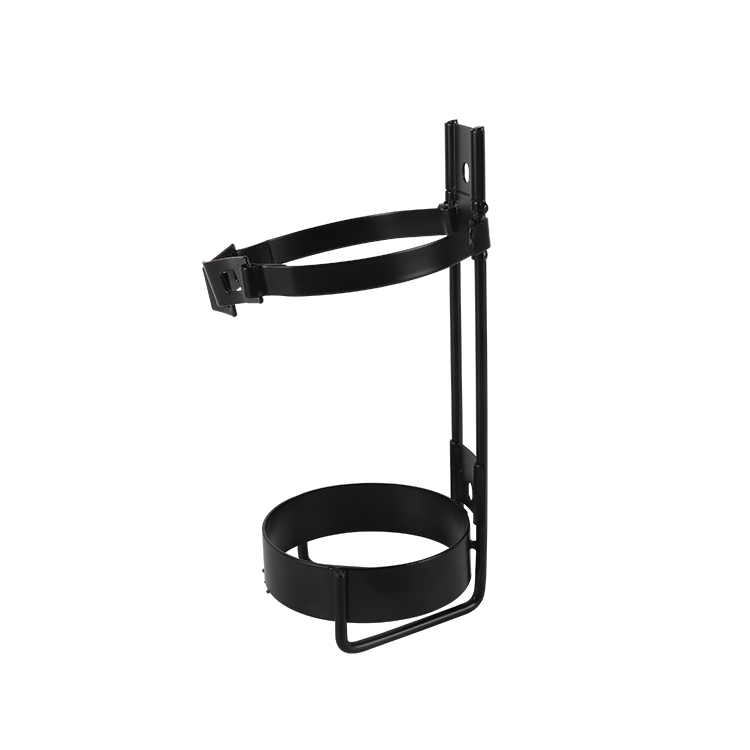
Proper storage and organization of firefighting accessories is essential for maintaining an efficient, safe, and response-ready fire department or emergency facility. When firefighting accessories are stored haphazardly or without clear organizational systems, critical equipment becomes difficult to locate during emergencies, increasing response times and compromising safety outcomes. Whether you manage a professional fire station, industrial facility, or volunteer fire service, the way you store and organize your firefighting accessories directly impacts operational effectiveness and personnel safety.
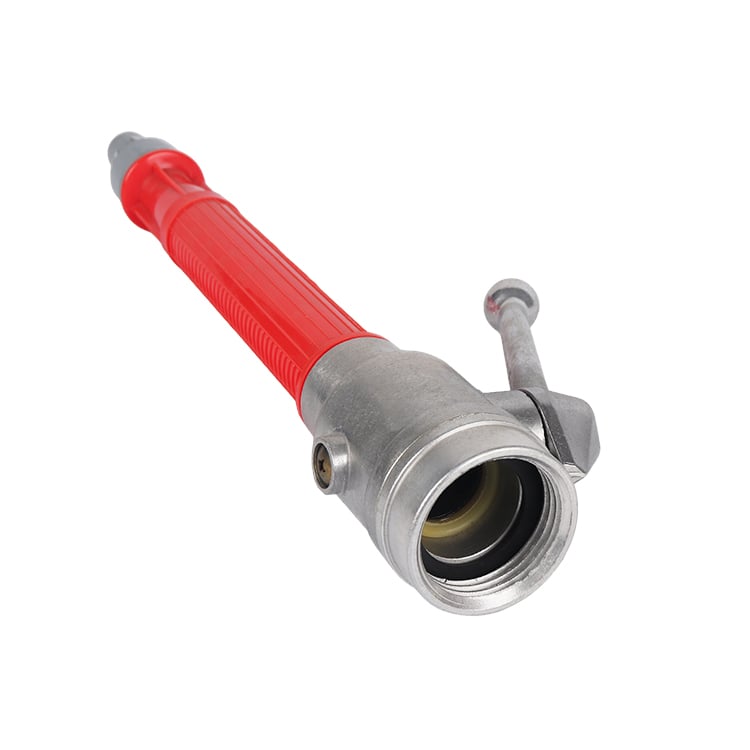
Beyond immediate accessibility, the way you organize firefighting accessories affects equipment longevity, maintenance tracking, and compliance with fire safety regulations. Improper storage can lead to equipment degradation, corrosion, pressure loss in cylinders, and faster wear on protective gear. A systematic approach to storing and organizing your firefighting accessories ensures that every item is accounted for, regularly inspected, and ready for deployment at a moment's notice. This article explores the core principles, practical strategies, and industry best practices for maintaining an organized and functional firefighting accessories storage system.
Creating a Dedicated Storage Environment for Firefighting Accessories
Selecting the Right Location and Climate Control
The physical location where you store your firefighting accessories plays a foundational role in preservation and accessibility. Choose a dedicated space that is cool, dry, and well-ventilated to prevent moisture accumulation, rust, and degradation of equipment materials. Firefighting accessories such as hoses, nozzles, and metal brackets are particularly vulnerable to corrosion in humid environments, while protective gear can deteriorate if exposed to excessive heat or direct sunlight. Install climate control systems if possible, maintaining temperatures between 50 and 80 degrees Fahrenheit to protect the integrity of your firefighting accessories inventory.
Ensure that your storage area for firefighting accessories is protected from water intrusion, flooding risks, and environmental contaminants. Install proper drainage systems and elevate sensitive firefighting accessories off the floor to prevent water damage during heavy rain or facility maintenance. Good ventilation prevents the buildup of fumes from stored materials and keeps the storage environment safe for personnel accessing firefighting accessories regularly. Additionally, separate hazardous materials and compressed gas cylinders into designated zones with appropriate safety barriers and warning signage specific to your firefighting accessories types.
Designing an Efficient Layout for Quick Access
An effective storage layout for firefighting accessories prioritizes rapid retrieval during emergencies. Position the most frequently used firefighting accessories at eye level and within arm's reach, reducing the time needed to locate critical equipment when seconds matter. Organize firefighting accessories by category—such as hoses, nozzles, protective gear, forcible entry tools, and detection equipment—in clearly marked zones throughout your storage facility. Create a logical flow through the storage area that matches your team's response patterns, so personnel can navigate quickly without confusion.
Use adjustable shelving systems specifically designed to accommodate different sizes and weights of firefighting accessories. Install wall-mounted racks for hoses and smaller firefighting accessories, freestanding cabinets for protective gear and helmets, and dedicated lockers for personal protective equipment. Invest in firefighting accessories storage solutions that provide visibility and quick identification, such as labeled containers and transparent storage boxes for smaller items. Ensure that all storage fixtures are securely anchored to prevent tipping or collapse, especially in facilities where vibrations or movement from equipment deployment might occur.
Systematic Organization Methods for Firefighting Accessories
Implementing Color-Coding and Labeling Systems
Color-coding is one of the most effective methods for organizing firefighting accessories and reducing retrieval time during high-stress situations. Assign specific colors to different types of firefighting accessories—for example, red labels for respiratory protection equipment, yellow for forcible entry tools, blue for medical supplies, and green for containment or recovery equipment. This visual system allows firefighters to locate the correct firefighting accessories category instantly, even in low-light conditions or when wearing protective gear that limits dexterity and vision.
Create comprehensive labeling for each storage location and firefighting accessories item within your facility. Label should include the item name, quantity, last inspection date, and recommended rotation schedule. Use durable, weatherproof labels that resist fading and moisture exposure, ensuring that your firefighting accessories labeling system remains legible throughout its service life. Implement a barcode or QR code system for advanced firefighting accessories tracking, allowing digital logging of equipment removal, maintenance, and return. This method supports compliance documentation and makes it easy to identify which firefighting accessories items are overdue for inspection or replacement.
Maintaining Inventory Records and Rotation Schedules
Accurate inventory records are critical for managing firefighting accessories effectively and ensuring nothing is lost, damaged, or forgotten in storage. Maintain a detailed inventory list that documents every firefighting accessories item, including purchase date, manufacturer, serial number (where applicable), and current condition status. Update this inventory each time firefighting accessories are deployed, inspected, or replaced, creating a living record that accounts for every piece of equipment in your facility. Assign a dedicated person or team to oversee inventory management, conducting monthly audits to verify that stored firefighting accessories match documented records.
Establish a rotation schedule for firefighting accessories that require regular cycling to maintain functionality and prevent performance degradation. Many firefighting accessories, particularly sealed containers and compressed cylinders, benefit from periodic use and inspection cycles that verify operational readiness. Document maintenance activities, inspections, and certifications for all firefighting accessories in a centralized log that is accessible to your entire team. This systematic approach demonstrates compliance with fire safety regulations and provides evidence of proper stewardship when auditors or regulatory agencies review your firefighting accessories management practices.
Maintenance and Safety Protocols for Stored Firefighting Accessories
Regular Inspection and Testing Procedures
Firefighting accessories stored for extended periods require regular inspection to ensure they remain functional and safe for deployment. Establish a quarterly inspection schedule for all firefighting accessories in your facility, checking for visible damage, corrosion, leaks, pressure loss, and deterioration of materials or seals. For compressed gas cylinders used in firefighting accessories systems, verify that pressure gauges are reading within acceptable ranges and that cylinder walls show no signs of rust, denting, or corrosion. Test protective gear and breathing apparatus firefighting accessories according to manufacturer specifications, replacing any firefighting accessories items that fail inspection or show signs of wear beyond safe operational thresholds.
Create a maintenance calendar that tracks when each category of firefighting accessories is due for inspection, testing, or certification. Schedule maintenance activities during predictable downtime to minimize disruption to daily operations, and ensure that backup firefighting accessories are available while primary equipment is undergoing inspection. Document all maintenance activities, including the names of personnel who performed inspections, findings, corrective actions taken, and dates. This record-keeping protects your facility from liability claims and demonstrates due diligence in maintaining firefighting accessories in peak operational condition.
Safety Hazards and Environmental Considerations
Proper storage of firefighting accessories requires awareness of potential safety hazards and environmental impacts associated with stored equipment. Ensure that all hazardous materials used in firefighting accessories—such as lubricants, cleaning compounds, and specialized coatings—are stored in separate, clearly labeled containers away from general firefighting accessories inventory. Install fire extinguishers within your firefighting accessories storage area and ensure that your team knows their locations and proper use procedures. Maintain current Safety Data Sheets (SDS) for all chemical products associated with firefighting accessories maintenance and storage, making these documents readily available to personnel.
Consider environmental responsibilities when disposing of damaged or obsolete firefighting accessories. Many older firefighting accessories components contain materials that require specialized disposal procedures, and improper disposal of firefighting accessories can create regulatory compliance issues and environmental hazards. Work with certified waste disposal vendors who understand the proper handling of firefighting accessories waste, including foam compounds, pressurized cylinders, and contaminated equipment. Document all disposal activities related to firefighting accessories, maintaining records that demonstrate environmental and regulatory compliance for your facility's management and auditing purposes.
FAQ
What is the ideal temperature range for storing firefighting accessories?
The ideal temperature range for storing firefighting accessories is between 50 and 80 degrees Fahrenheit. This range minimizes material degradation, prevents pressure loss in compressed cylinders, and helps maintain the integrity of protective gear and rubber seals commonly found in firefighting accessories. Consistent temperature control reduces corrosion rates and extends the service life of your entire firefighting accessories inventory.
How often should stored firefighting accessories be inspected?
Stored firefighting accessories should be inspected at least quarterly, though more frequent inspection cycles are recommended for high-use equipment or compressed gas cylinders. Each category of firefighting accessories may have different inspection requirements based on manufacturer recommendations and fire safety regulations applicable to your jurisdiction. Establishing a systematic inspection schedule for all firefighting accessories ensures that equipment remains deployment-ready and helps identify emerging problems before they compromise safety or operational effectiveness.
Can firefighting accessories be stored outdoors?
Outdoor storage of firefighting accessories is generally not recommended due to exposure to weather, moisture, UV radiation, and temperature fluctuations that accelerate material degradation. While emergency storage might occasionally require outdoor placement, proper firefighting accessories management dictates climate-controlled indoor storage to protect equipment integrity. If temporary outdoor storage of firefighting accessories becomes necessary, use weatherproof covers and secure containers to minimize environmental exposure and ensure your firefighting accessories remain functional for emergency deployment.

