
 EN
EN
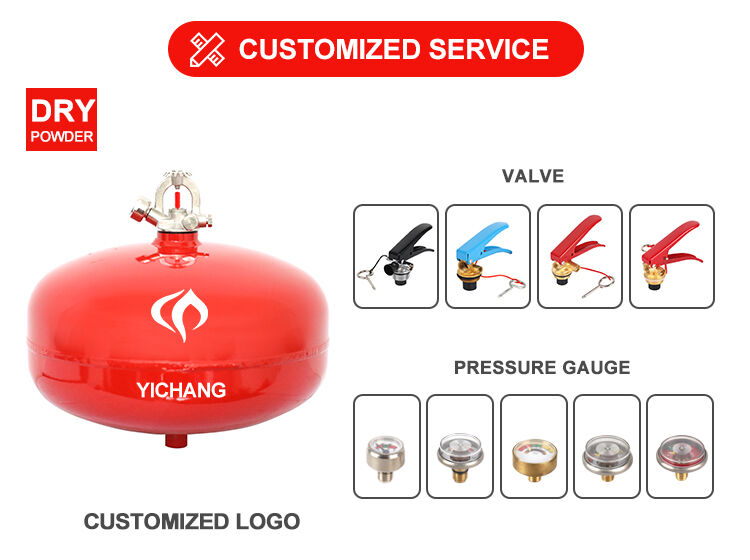
A dry powder extinguisher serves as a critical first line of defense against fires in industrial, commercial, and residential settings. However, these life-saving devices require systematic maintenance to ensure they function reliably when needed most. Without proper upkeep, even the highest-quality dry powder extinguisher can fail during an emergency, potentially resulting in catastrophic property damage or loss of life.
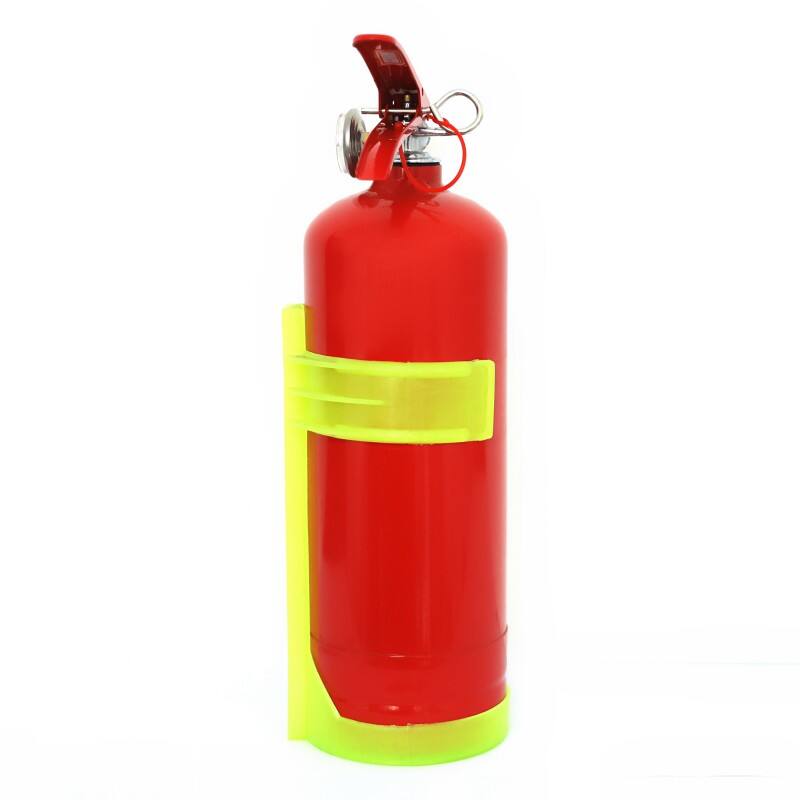
Establishing a comprehensive maintenance routine for your dry powder extinguisher involves multiple inspection points, documentation requirements, and professional servicing schedules. This systematic approach to fire safety equipment maintenance not only ensures regulatory compliance but also maximizes the operational lifespan of your investment. Understanding the specific maintenance needs of dry powder extinguishers enables facility managers, safety officers, and property owners to create effective preventive maintenance programs that protect lives and assets.
Visual Inspection Requirements
External Component Assessment
Begin your dry powder extinguisher maintenance checklist with a thorough visual examination of the external components. Check the extinguisher body for signs of corrosion, dents, or damage that could compromise structural integrity. Inspect the discharge nozzle for blockages, cracks, or deformation that might affect powder flow during operation. The safety pin should be intact and properly positioned, while the tamper seal must remain unbroken to indicate the unit has not been accidentally discharged.
Examine the pressure gauge to ensure it falls within the green operational zone, indicating adequate internal pressure for effective discharge. A gauge reading in the red zone signals either overcharge or undercharge conditions that require immediate professional attention. The operating instructions and inspection tag should be clearly visible and legible, providing essential information for proper use during emergencies.
Verify that the mounting bracket or cabinet remains secure and properly positioned according to accessibility standards. The dry powder extinguisher should be easily reachable without obstruction, maintaining clear sight lines and adequate clearance for operation. Any signs of tampering, unauthorized removal, or improper handling should be documented and addressed immediately.
Label and Documentation Verification
Inspect all identification labels on your dry powder extinguisher for clarity and completeness. The manufacturer's label should display essential information including model number, manufacturing date, and service specifications. Fire rating classifications must be clearly visible to ensure appropriate application for specific fire types. Verify that the inspection tag shows current maintenance dates and the signature of qualified service personnel.
Check that the operating instructions remain legible and securely attached to the extinguisher body. These instructions provide critical guidance during emergency situations when stress levels may impair decision-making capabilities. The rechargeable indicator should clearly show whether the unit can be refilled after discharge or requires complete replacement.
Document any discrepancies in labeling or missing information that could affect proper identification or operation of the dry powder extinguisher. Maintain detailed records of all visual inspections, including dates, findings, and corrective actions taken. This documentation supports compliance audits and helps establish patterns that may indicate underlying maintenance issues.
Pressure and Discharge System Checks
Pressure Gauge Monitoring
Regular pressure monitoring forms a cornerstone of effective dry powder extinguisher maintenance. The pressure gauge provides immediate visual feedback about internal conditions that directly affect discharge performance. Normal operating pressure typically ranges between 150-200 PSI, though specific requirements vary by manufacturer and model specifications. Daily visual checks ensure early detection of pressure loss that could render the unit ineffective during emergencies.
Pressure variations outside normal parameters indicate potential issues with seals, valves, or internal components. Gradual pressure decline suggests minor leakage that may worsen over time, while sudden pressure drops often point to more serious mechanical failures. Temperature fluctuations can also affect gauge readings, making it important to consider environmental conditions when interpreting pressure measurements.
Document pressure readings during routine inspections to establish baseline performance patterns for your dry powder extinguisher. This historical data helps identify gradual degradation trends that might not be apparent during single inspections. Professional pressure testing should be conducted annually to verify accuracy and internal system integrity.
Discharge Mechanism Testing
The discharge mechanism represents the most critical functional component of any dry powder extinguisher system. Monthly testing of the discharge lever and safety mechanisms ensures reliable operation when needed most. Gently squeeze the lever to verify smooth movement without binding or excessive resistance. The safety pin should insert and remove easily while providing adequate security against accidental discharge.
Inspect the discharge hose for flexibility, cracks, or blockages that could impede powder flow. The hose should maintain adequate flexibility in expected operating temperatures without becoming brittle or overly soft. Connection points between the hose and valve assembly must remain tight and secure to prevent pressure loss during discharge operations.
Test the nozzle mechanism by examining the internal passages for powder buildup or foreign material contamination. Compressed air can be used to clear minor blockages, though significant obstructions require professional service attention. The nozzle should direct powder flow in a consistent pattern without deflection or irregular dispersal that could reduce fire suppression effectiveness.
Powder Condition and Internal Assessment
Powder Quality Evaluation
The condition of the dry chemical powder directly impacts the effectiveness of your dry powder extinguisher during fire suppression operations. Over time, moisture absorption can cause powder clumping, reducing flow characteristics and discharge performance. Annual inspection of powder condition involves checking for caking, moisture contamination, and proper powder consistency throughout the storage chamber.
Professional technicians use specialized equipment to assess powder condition without compromising the sealed system. X-ray examination or ultrasonic testing can reveal internal powder distribution and identify areas where settling or compaction may have occurred. These non-invasive techniques provide valuable insights into internal conditions while maintaining system integrity.
Environmental factors significantly influence powder degradation rates in dry powder extinguisher systems. High humidity, temperature extremes, and vibration exposure accelerate powder deterioration and may require more frequent assessment intervals. Storage locations should maintain stable environmental conditions to maximize powder service life and maintain optimal fire suppression capabilities.
Internal Component Integrity
Internal components of a dry powder extinguisher require periodic professional assessment to ensure continued reliability. The siphon tube must remain properly positioned and free from powder obstruction to enable complete discharge of the contents. Internal valve mechanisms should operate smoothly without binding or leakage that could affect system pressure or discharge performance.
Corrosion assessment focuses on internal surfaces that may be exposed to moisture or chemical residues over time. Stainless steel or specially coated internal components resist corrosion better than standard materials, extending service life in challenging environments. Professional inspection services use specialized tools to evaluate internal conditions without compromising system integrity.
The pressure vessel itself requires structural integrity assessment to ensure safe operation under designed pressure conditions. Hydrostatic testing conducted by qualified technicians verifies the cylinder's ability to withstand operational pressures safely. This testing typically occurs every five to twelve years depending on manufacturer specifications and regulatory requirements for your specific dry powder extinguisher model.
Environmental and Storage Considerations
Temperature and Humidity Management
Environmental conditions significantly impact the performance and longevity of your dry powder extinguisher system. Operating temperature ranges typically span from -40°F to 120°F, though specific models may have narrower acceptable ranges. Extreme temperatures can affect internal pressure, powder flow characteristics, and component integrity, making environmental monitoring an essential maintenance consideration.
Humidity control prevents moisture absorption by the dry chemical powder, which can lead to caking and reduced discharge effectiveness. Storage areas should maintain relative humidity below 50% when possible, with adequate ventilation to prevent moisture accumulation. Desiccant systems or climate control equipment may be necessary in high-humidity environments to protect dry powder extinguisher performance.
Temperature cycling can cause expansion and contraction stresses that affect seals, gaskets, and pressure vessels over time. Gradual temperature changes pose fewer risks than rapid thermal cycling, making location selection important for long-term reliability. Avoid placement near heating equipment, direct sunlight, or areas subject to frequent temperature fluctuations.
Mounting and Accessibility Standards
Proper mounting ensures your dry powder extinguisher remains accessible during emergencies while protecting it from environmental damage. Wall brackets should support the full weight of the unit plus dynamic loads from removal and replacement operations. Mounting height typically ranges from 3.5 to 5 feet from floor level, balancing accessibility with protection from accidental damage.
Clear access paths must be maintained around each dry powder extinguisher location, with adequate lighting for identification during emergency conditions. Signage should clearly mark extinguisher locations from multiple directions, using standardized symbols and text that remain visible under emergency lighting conditions. Regular verification ensures that storage, equipment, or renovations haven't blocked access routes.
Cabinet installations require additional considerations for environmental protection and security. Cabinet doors should open fully without obstruction, with reliable latching mechanisms that prevent accidental closure during use. Ventilation holes or climate control features may be necessary to maintain appropriate internal conditions for the housed dry powder extinguisher.
Professional Service and Certification
Annual Inspection Requirements
Professional annual inspections ensure your dry powder extinguisher meets all safety and performance standards established by regulatory agencies and manufacturers. Certified technicians possess specialized training and equipment necessary to conduct thorough assessments that go beyond routine visual inspections. These comprehensive evaluations include pressure testing, internal component inspection, and powder condition assessment using professional-grade diagnostic equipment.
The annual service process typically involves partial or complete disassembly to examine internal components that cannot be assessed during routine inspections. Technicians replace worn seals, gaskets, and other consumable components according to manufacturer specifications. Pressure vessel integrity testing ensures continued safe operation under designed pressure conditions.
Documentation from professional service includes detailed inspection reports, component replacement records, and certification tags that demonstrate compliance with applicable standards. This documentation proves essential during insurance claims, regulatory audits, or liability investigations related to fire safety equipment performance. Proper record keeping also helps optimize service intervals and identify recurring issues that may indicate environmental or usage factors requiring attention.
Recharging and Powder Replacement
Recharging services restore your dry powder extinguisher to full operational capacity after discharge or when internal testing reveals degraded powder conditions. Professional recharging involves complete powder removal, internal cleaning, component inspection, and refilling with fresh powder meeting current specifications. This process requires specialized equipment and training to ensure proper powder mixing and pressure adjustment.
Powder replacement schedules depend on environmental conditions, storage duration, and manufacturer recommendations for your specific dry powder extinguisher model. High-humidity environments may require more frequent powder replacement due to accelerated degradation. Quality powder maintains consistent flow characteristics and fire suppression effectiveness throughout its service life when properly stored and maintained.
Disposal of expired or contaminated powder must follow environmental regulations specific to the chemical composition and local waste management requirements. Professional service providers typically handle proper disposal as part of their recharging services, ensuring compliance with applicable environmental protection standards. Never attempt to dispose of dry chemical powder through regular waste streams without proper assessment and authorization.
FAQ
How often should I inspect my dry powder extinguisher?
Monthly visual inspections should be conducted to check pressure gauge readings, external condition, and accessibility. Professional inspections are required annually, with more frequent service needed in harsh environments or high-usage applications. Daily quick checks of pressure and general condition are recommended in commercial and industrial settings.
What are the signs that my dry powder extinguisher needs professional service?
Key indicators include pressure gauge readings outside the green zone, visible corrosion or damage to external components, missing or illegible labels, tamper seal damage, or any signs of discharge. Additionally, if the unit has been exposed to extreme temperatures, moisture, or physical impact, professional assessment is recommended even if no visible damage is apparent.
Can I perform maintenance on my dry powder extinguisher myself?
Basic visual inspections and documentation can be performed by trained personnel, but internal servicing, pressure testing, and recharging require certified professionals with specialized equipment. Attempting unauthorized maintenance can compromise safety, void warranties, and violate regulatory requirements. Always consult manufacturer guidelines and local fire codes before performing any maintenance activities.
How long does a dry powder extinguisher typically last before replacement?
With proper maintenance, a quality dry powder extinguisher can remain serviceable for 10-15 years or more. However, the pressure vessel may require hydrostatic testing every 5-12 years depending on manufacturer specifications. Environmental conditions, usage frequency, and maintenance quality significantly impact service life. Regular professional assessment helps determine optimal replacement timing based on actual condition rather than arbitrary age limits.

