
 EN
EN
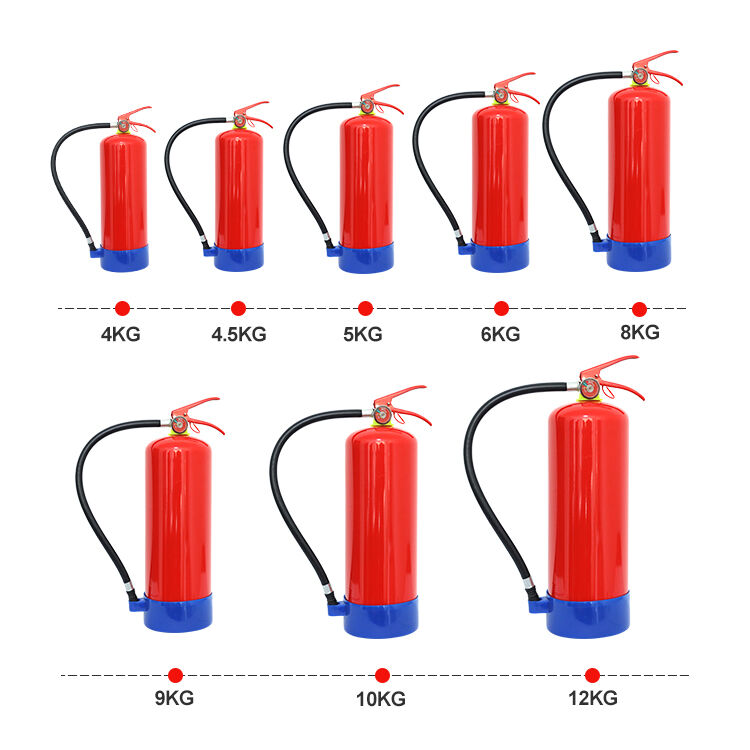
Proper depressurization and discharge procedures through valve systems are critical safety protocols that every industrial operator must master. Understanding the correct methodology for releasing pressure and fluid through a valve can prevent catastrophic failures, equipment damage, and serious safety incidents. The valve serves as the primary control mechanism for managing system pressure and ensuring safe operational transitions during maintenance, emergency situations, or routine system shutdowns.

The depressurization process involves systematic pressure reduction through controlled valve operations, while discharge procedures focus on safely evacuating fluids or gases from the system. These interconnected processes require precise timing, proper equipment selection, and adherence to established safety protocols to maintain operational integrity and personnel safety throughout the procedure.
Understanding Valve-Based Depressurization Fundamentals
Pressure Control Mechanisms in Valve Systems
A valve operates as the central control point for managing system pressure through its ability to restrict or allow fluid flow. When depressurization becomes necessary, the valve must be operated in a controlled manner to gradually reduce system pressure without creating dangerous pressure differentials or sudden releases that could damage equipment or endanger personnel.
The valve's internal components, including the seat, disc, and actuator mechanism, work together to provide precise control over the depressurization rate. Understanding how these components interact during pressure release operations is essential for maintaining safe and effective control throughout the process.
Different valve types offer varying degrees of control precision during depressurization. Ball valves provide quick shutoff capabilities but limited throttling control, while gate valves offer excellent sealing properties but should not be used for throttling applications. Needle valves excel at fine pressure control during gradual depressurization procedures.
Safety Considerations During Pressure Release
Safety protocols must be established before initiating any valve-based depressurization procedure. Personnel must understand the system's operating pressure, fluid characteristics, and potential hazards associated with rapid pressure release. Proper personal protective equipment becomes essential when working with pressurized systems and valve operations.
The valve selection for depressurization must consider factors such as pressure rating, temperature limits, and chemical compatibility with the system fluids. Using an inadequately rated valve during pressure release operations can result in valve failure and dangerous uncontrolled discharge events.
Emergency shutdown procedures should be clearly defined and easily accessible during valve-operated depressurization. Operators must know how to quickly isolate the system and halt the depressurization process if unexpected conditions arise during the procedure.
Step-by-Step Depressurization Procedures
Pre-Depressurization System Assessment
Before beginning the depressurization process, conduct a comprehensive assessment of the system's current state. Check all valve positions, verify pressure readings, and confirm that isolation valves are properly positioned to control the scope of depressurization. This assessment ensures that the valve operations will proceed according to the planned procedure.
Identify all potential discharge points and ensure that appropriate containment or disposal methods are in place. The valve used for depressurization must be connected to a safe discharge location that can handle the expected fluid volume and pressure release rate without creating environmental or safety hazards.
Verify that all monitoring instruments are functioning correctly and that pressure readings are accurate. The valve operation during depressurization relies on precise pressure measurement to ensure controlled and safe pressure reduction throughout the process.
Controlled Valve Opening Technique
Begin the depressurization by slowly opening the designated valve in small increments. The initial opening should be minimal to establish controlled flow and assess system response. Monitor pressure gauges continuously to ensure that the pressure reduction rate remains within acceptable parameters.
Continue opening the valve gradually while maintaining constant observation of system behavior. The depressurization rate should be steady and predictable, avoiding sudden pressure drops that could cause water hammer effects or damage downstream components.
Adjust the valve position as needed to maintain the desired depressurization rate. If pressure reduction occurs too rapidly, partially close the valve to slow the process. If depressurization stalls, slightly increase the valve opening while remaining within safe operational limits.
Monitoring and Control During Pressure Reduction
Continuous monitoring becomes critical during valve-controlled depressurization. Observe pressure gauges, flow indicators, and any unusual sounds or vibrations that might indicate problems with the valve operation or system response. Document pressure readings at regular intervals to maintain a record of the depressurization progress.
Watch for signs of valve malfunction during the procedure, including unexpected pressure fluctuations, unusual noise from the valve assembly, or indications that the valve is not responding properly to position changes. Be prepared to implement emergency procedures if valve performance becomes erratic.
Maintain communication with other personnel involved in the operation and ensure that everyone understands the current status of the depressurization process. Clear communication helps coordinate valve operations with other system activities and ensures rapid response to any unexpected situations.
Discharge Operations Through Valve Systems
Fluid Evacuation Methodology
Once system pressure has been reduced to safe levels through controlled valve operations, the discharge phase focuses on completely evacuating fluids from the system. The valve must be fully opened to allow maximum flow while maintaining control over the discharge direction and containment.
Different fluid types require specific discharge considerations through valve systems. Liquids may require gravity drainage or pumping assistance, while gases need proper venting to prevent accumulation in enclosed spaces. The valve design must accommodate the specific discharge requirements of the system fluids.
Consider the effects of temperature changes during fluid discharge through valve operations. As pressure decreases, fluid temperatures may change, potentially affecting the valve's sealing properties and flow characteristics. Monitor these changes and adjust procedures accordingly.
Complete System Evacuation Techniques
Achieving complete fluid evacuation through valve operations may require multiple discharge points and sequential valve operations. Low points in the system often retain fluids even after primary discharge valves have been opened, requiring additional valve operations to ensure complete evacuation.
Use appropriate valve sequencing to direct fluids toward collection or disposal systems. The order of valve operations can significantly impact the effectiveness of the discharge process and prevent fluid accumulation in undesired locations within the system.
Verify complete evacuation by checking pressure gauges, drain valves, and visual inspection points where possible. The final valve operations should confirm that no significant fluid volumes remain in the system and that all discharge objectives have been met.
Safety Protocols and Emergency Procedures
Risk Assessment and Hazard Identification
Comprehensive risk assessment must precede any valve-based depressurization and discharge operation. Identify potential hazards including high pressure release, toxic or flammable fluids, and the possibility of valve failure during critical operations. Understanding these risks enables proper preparation and emergency response planning.
Evaluate the consequences of uncontrolled valve failure during depressurization procedures. Consider scenarios where the valve might fail in the open or closed position and develop contingency plans for managing these situations without compromising safety or environmental protection.
Assess environmental impacts of discharge operations through valve systems and ensure compliance with all relevant regulations. The valve discharge must be directed to appropriate containment or treatment facilities that can handle the specific fluids being evacuated from the system.
Emergency Response and Recovery Procedures
Establish clear emergency shutdown procedures that can be implemented immediately if problems arise during valve operations. These procedures should include methods for quickly isolating the system, stopping the discharge process, and securing the area to prevent further escalation of any emergency situation.
Develop contingency plans for valve failure scenarios, including backup valve systems or alternative depressurization methods that can be implemented if the primary valve becomes inoperative. These backup systems should be regularly tested and maintained to ensure reliability during emergency situations.
Train all personnel involved in valve operations on emergency response procedures and ensure that emergency equipment is readily available and properly maintained. Regular drills help ensure that emergency procedures can be executed effectively when needed during actual valve operations.
Best Practices and Common Mistakes
Optimal Valve Operation Techniques
Successful valve-based depressurization relies on gradual, controlled operations rather than rapid valve movements. Best practices include starting with minimal valve opening, maintaining steady pressure reduction rates, and continuously monitoring system response throughout the procedure.
Proper valve maintenance ensures reliable performance during critical depressurization operations. Regular inspection, lubrication, and testing of valve components prevents failures during emergency situations when valve reliability becomes essential for safety and operational success.
Documentation of valve positions, pressure readings, and operational parameters during depressurization provides valuable data for future procedures and helps identify trends or issues that might affect valve performance over time.
Avoiding Common Operational Errors
One of the most dangerous mistakes involves opening valves too rapidly during depressurization, creating sudden pressure releases that can damage equipment or create safety hazards. Controlled valve operation requires patience and continuous monitoring to prevent these rapid pressure changes.
Failing to verify valve ratings and compatibility with system conditions before beginning depressurization operations can lead to valve failure and uncontrolled releases. Always confirm that the valve is appropriate for the expected pressures, temperatures, and fluid characteristics.
Inadequate preparation and planning before valve operations often result in incomplete procedures or safety oversights. Thorough preparation includes understanding the system configuration, preparing appropriate tools and equipment, and ensuring that all personnel understand their roles in the valve operation procedure.
FAQ
How long should a typical valve depressurization procedure take?
The duration of valve-based depressurization depends on system volume, operating pressure, and safety requirements, but typically ranges from 15 minutes to several hours. The valve should be operated slowly to maintain controlled pressure reduction rates, usually not exceeding 10-20% of system pressure per minute to prevent equipment damage and ensure personnel safety.
What are the most critical safety checks before opening a depressurization valve?
Before operating any depressurization valve, verify that all personnel are clear of potential discharge areas, confirm that the valve is rated for system conditions, ensure proper personal protective equipment is worn, check that discharge containment systems are ready, and verify that emergency shutdown procedures are understood by all involved personnel.
Can any type of valve be used for depressurization and discharge operations?
Not all valve types are suitable for depressurization operations. Gate valves work well for isolation but should not be used for throttling, ball valves provide quick shutoff but limited flow control, while needle valves offer excellent fine control for gradual pressure reduction. The valve selection must match the specific requirements of pressure rating, flow control needs, and fluid compatibility.
What should be done if a depressurization valve fails during operation?
If a valve fails during depressurization, immediately implement emergency shutdown procedures, isolate the system using backup valves if available, secure the area to prevent personnel exposure, and assess whether alternative depressurization methods can be safely implemented. Never attempt to force a stuck valve or continue operations with a malfunctioning valve without proper engineering evaluation.

