
 EN
EN
When fire strikes unexpectedly, having immediate access to the right firefighting equipment can mean the difference between a minor incident and a devastating catastrophe. A portable fire extinguisher serves as your most critical first response tool, providing the capability to suppress flames before they spread beyond control. These compact yet powerful devices represent decades of engineering innovation designed to deliver effective fire suppression in residential, commercial, and industrial environments. Understanding the proper selection, placement, and operation of fire extinguisher systems ensures optimal protection for people and property across diverse applications.
Understanding Fire Extinguisher Classifications and Applications
Class-Based Fire Suppression Systems
Fire extinguisher effectiveness depends fundamentally on matching the appropriate suppression agent to the specific fire classification. Class A fires involve ordinary combustible materials such as wood, paper, fabric, and plastic, requiring cooling agents that penetrate burning materials. Water-based extinguishers excel in these scenarios by absorbing heat and creating steam barriers that prevent reignition. Class B fires encompass flammable liquids including gasoline, oil, paint, and solvents, necessitating suppression agents that create vapor barriers and interrupt the combustion process.
Class C fires involve energized electrical equipment where conductive suppression agents pose electrocution risks to operators. Carbon dioxide and dry chemical extinguishers provide non-conductive suppression while maintaining electrical safety protocols. Class D fires represent combustible metals requiring specialized suppression powders that absorb heat without reacting chemically with burning materials. Modern fire extinguisher technology incorporates multi-purpose formulations that address multiple fire classes, enhancing versatility while reducing equipment complexity in mixed-hazard environments.
Suppression Agent Technologies
Contemporary fire extinguisher designs utilize various suppression mechanisms tailored to specific fire characteristics and environmental considerations. Water-based systems provide excellent cooling capacity and penetration for Class A materials while remaining environmentally benign and cost-effective. Foam concentrates create vapor-suppressing blankets over liquid surfaces, preventing vapor generation and flame spread in hydrocarbon fires. These agents demonstrate particular effectiveness in fuel storage facilities and vehicle applications.
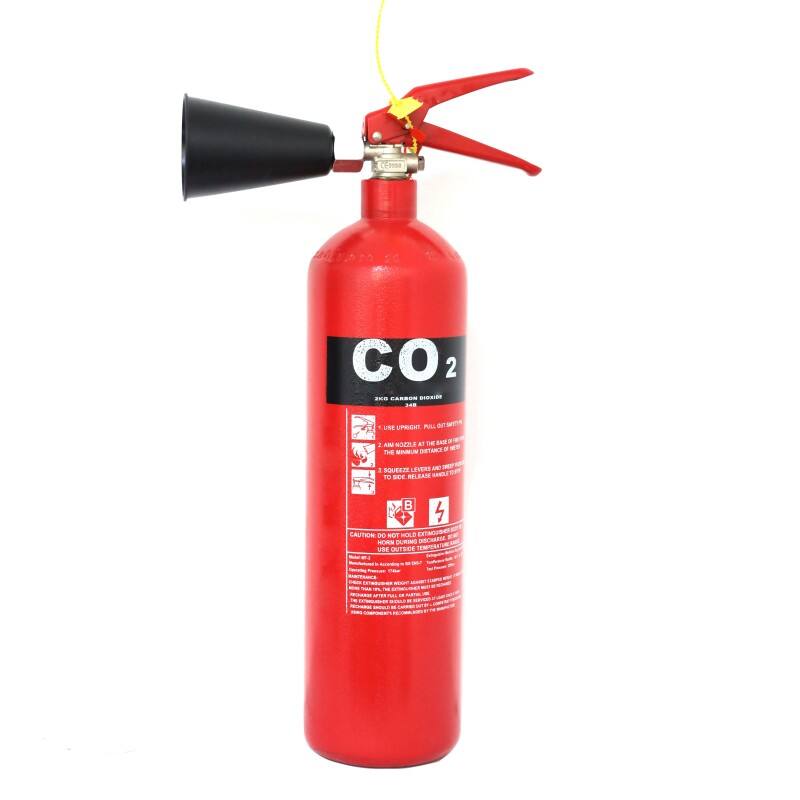
Carbon dioxide systems offer clean suppression without residue formation, making them ideal for sensitive electronic equipment and food preparation areas. The gas displaces oxygen while providing cooling effects, though proper ventilation becomes critical in enclosed spaces. Dry chemical agents interrupt combustion chemistry through free radical suppression, providing rapid knockdown capabilities across multiple fire classifications. Advanced clean agent systems utilize environmentally acceptable compounds that suppress fires without ozone depletion or atmospheric persistence concerns.
Strategic Placement and Accessibility Considerations
Optimal Location Selection
Effective fire extinguisher placement requires comprehensive hazard assessment and accessibility planning to ensure rapid deployment during emergency situations. High-risk areas such as kitchens, mechanical rooms, electrical panels, and fuel storage zones demand immediate extinguisher access within prescribed travel distances. Mounting heights should accommodate user demographics while maintaining visibility and ease of removal under stress conditions. Wall brackets and cabinets protect units from environmental damage while ensuring conspicuous identification through appropriate signage and lighting.
Workplace environments benefit from systematic placement strategies that consider personnel movement patterns, escape routes, and potential fire spread scenarios. Manufacturing facilities require strategic positioning near machinery, welding areas, and chemical storage locations where ignition sources intersect with combustible materials. Office environments focus on electrical equipment rooms, break areas, and main corridors to provide comprehensive coverage without excessive unit proliferation that creates maintenance burdens.
Environmental Protection Strategies
Proper fire extinguisher installation incorporates environmental protection measures that preserve unit integrity and operational readiness throughout service life. Temperature extremes can affect pressure vessel integrity and suppression agent effectiveness, requiring climate-controlled storage or specialized units rated for environmental conditions. Moisture protection prevents corrosion and contamination while maintaining pressure seal integrity essential for reliable operation. Vibration isolation in mobile applications protects internal components and prevents premature discharge.
Outdoor installations demand weather-resistant enclosures that provide protection from precipitation, UV radiation, and temperature fluctuations while maintaining easy access during emergencies. Marine environments require corrosion-resistant materials and specialized mounting systems that withstand motion and salt exposure. Industrial settings with dust, chemicals, or corrosive atmospheres benefit from protective cabinets that isolate units while preserving quick access capabilities.
Operational Procedures and Safety Protocols
Proper Operating Techniques
Successful fire extinguisher operation requires systematic approach implementation that maximizes suppression effectiveness while ensuring operator safety throughout the firefighting process. The PASS technique provides a structured methodology encompassing Pull the pin, Aim at the fire base, Squeeze the handle, and Sweep the nozzle across the burning area. This systematic approach ensures proper agent application while maintaining safe distances from flame zones and potential flashback scenarios.
Positioning considerations include maintaining escape routes, approaching fires from upwind directions when possible, and targeting flame bases rather than visible flames for maximum suppression effectiveness. Fire extinguisher discharge patterns vary by agent type, requiring operator familiarity with specific unit characteristics and optimal application distances. Continuous monitoring during suppression operations prevents reignition while ensuring complete extinguishment before abandoning firefighting efforts.
Safety Considerations and Limitations
Fire extinguisher deployment involves inherent risks that require comprehensive safety awareness and appropriate protective measures to prevent injury during emergency operations. Operator positioning must account for potential equipment failure, unexpected fire behavior, and structural collapse risks that can develop rapidly during firefighting activities. Personal protective equipment recommendations include heat-resistant clothing, eye protection, and respiratory considerations when operating in smoke-filled environments.
Size limitations restrict portable fire extinguisher effectiveness to incipient stage fires, typically those covering areas smaller than the operator's height and width. Exceeding these parameters requires immediate evacuation and professional fire department response rather than continued suppression attempts. Electrical hazards demand power disconnection when feasible, while structural integrity assessment becomes critical in advanced fire scenarios where building materials may have been compromised.
Maintenance Requirements and Service Protocols
Inspection and Testing Procedures
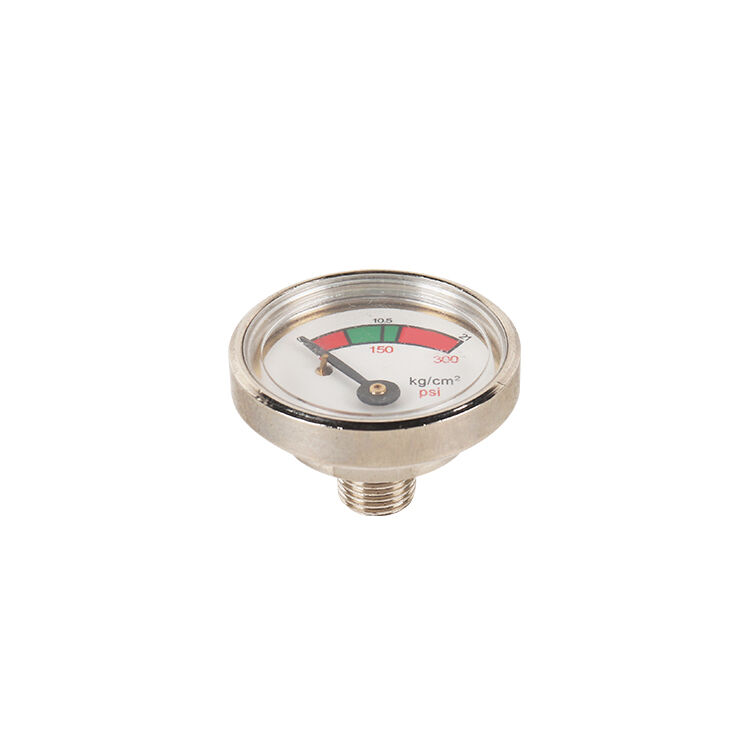
Regular fire extinguisher maintenance ensures operational readiness through systematic inspection protocols that identify potential problems before emergency situations arise. Monthly visual inspections verify proper mounting, signage visibility, access clearance, and external unit condition including corrosion, damage, or tampering evidence. Pressure gauge readings confirm adequate charge levels while safety seal integrity indicates unauthorized use or maintenance needs.
Annual professional inspections provide comprehensive evaluation of internal components, suppression agent condition, and mechanical operation verification. Hydrostatic testing requirements vary by unit type and age, ensuring pressure vessel integrity throughout service life. Documentation systems track inspection dates, maintenance activities, and replacement schedules while supporting regulatory compliance and liability protection for facility operators.
Service Life and Replacement Guidelines
Fire extinguisher service life depends on unit type, environmental conditions, and maintenance quality, requiring systematic replacement planning to maintain protection levels. Disposable units typically require replacement every five to fifteen years depending on agent type and manufacturer specifications. Rechargeable systems support longer service periods with periodic agent replacement and internal component servicing by qualified technicians.
Environmental factors accelerate degradation in harsh conditions, potentially requiring more frequent replacement cycles in marine, chemical, or extreme temperature applications. Obsolete agent types face regulatory restrictions that mandate replacement with environmentally acceptable alternatives. Cost-benefit analysis should consider replacement versus recharge options while factoring regulatory requirements and reliability considerations essential for life safety applications.
Regulatory Compliance and Standards Framework
National and International Standards
Fire extinguisher installations must comply with comprehensive regulatory frameworks that establish minimum protection levels, installation requirements, and maintenance protocols across various occupancy types. National Fire Protection Association standards provide detailed specifications for selection, placement, and maintenance procedures that form the basis for local building codes and insurance requirements. International standards facilitate global commerce while ensuring consistent safety performance across diverse markets and applications.
Occupational Safety and Health Administration requirements mandate workplace fire extinguisher programs including employee training, maintenance documentation, and hazard-specific equipment selection. Local authority having jurisdiction may impose additional requirements reflecting regional hazards, construction practices, or emergency response capabilities that exceed national minimum standards.
Training and Certification Requirements
Effective fire extinguisher programs incorporate comprehensive training initiatives that prepare personnel for emergency response while ensuring safe operation procedures. Basic training covers fire classification, appropriate extinguisher selection, and hands-on operation experience using decommissioned units or training simulators. Advanced programs address specific workplace hazards, evacuation procedures, and coordination with emergency responders during incident management.
Certification programs validate personnel competency while providing documentation for regulatory compliance and liability protection. Refresher training addresses skill degradation over time while incorporating lessons learned from actual incidents and technological advances in suppression systems. Training records support compliance documentation while identifying personnel requiring additional instruction or recertification to maintain program effectiveness.
FAQ
How often should fire extinguishers be inspected and maintained
Fire extinguisher inspection schedules depend on regulatory requirements and environmental conditions, with monthly visual inspections recommended for all installations. Professional annual inspections verify internal components and pressure vessel integrity while documenting compliance with applicable standards. Harsh environmental conditions may require more frequent professional evaluation to ensure reliable operation during emergencies.
What size fire extinguisher is appropriate for different applications
Fire extinguisher sizing depends on hazard classification, area coverage requirements, and operator capabilities during emergency situations. Residential applications typically utilize 2.5 to 5-pound units that provide adequate suppression capacity while remaining manageable for household members. Commercial and industrial environments require capacity calculations based on square footage, fire load density, and travel distances specified in applicable building codes.
Can fire extinguishers be recharged after use or do they need replacement
Rechargeable fire extinguisher units support multiple service cycles through professional refilling and component replacement by qualified service technicians. Disposable units require complete replacement after any discharge, regardless of remaining agent quantity. The decision between rechargeable and disposable systems involves initial cost considerations, anticipated usage patterns, and long-term maintenance requirements specific to each installation.
What training is required for proper fire extinguisher operation
Basic fire extinguisher training should cover fire classification principles, appropriate unit selection for different hazard types, and hands-on operation experience using the PASS technique. Workplace programs must address specific hazards present in the facility while emphasizing safety limitations and evacuation procedures when suppression efforts exceed portable equipment capabilities. Regular refresher training maintains skill proficiency while incorporating lessons learned from actual emergency responses and technological advances in suppression systems.

