
 EN
EN
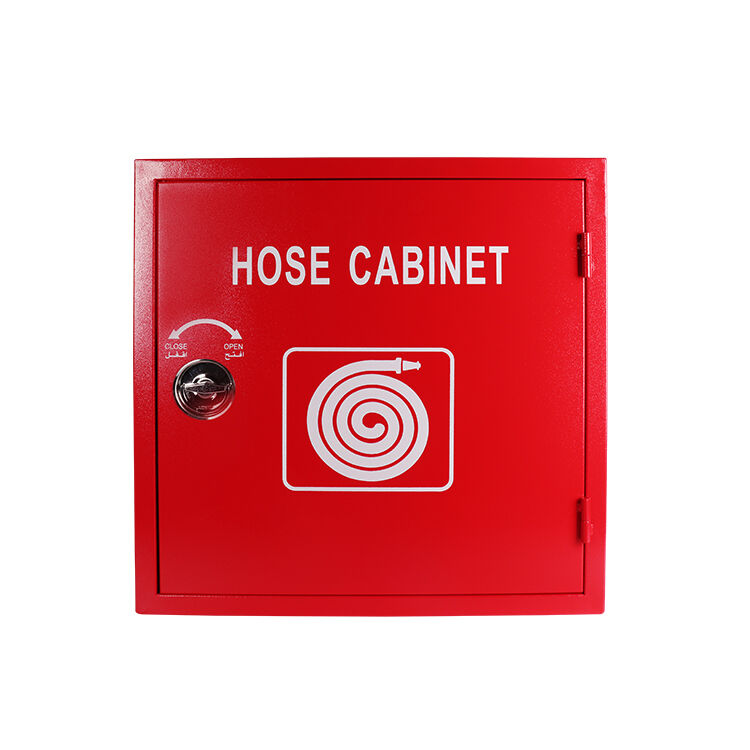
Fire emergencies can strike without warning, and having the right knowledge about fire extinguisher usage can mean the difference between containing a small blaze and watching it spiral out of control. Despite fire extinguishers being common safety equipment in homes, offices, and industrial facilities, many people make critical errors when attempting to use them during an emergency. Understanding these mistakes and learning proper fire extinguisher techniques can save lives, protect property, and prevent injuries. The most effective fire safety approach combines proper equipment selection, regular maintenance, and comprehensive training to ensure optimal performance when every second counts.
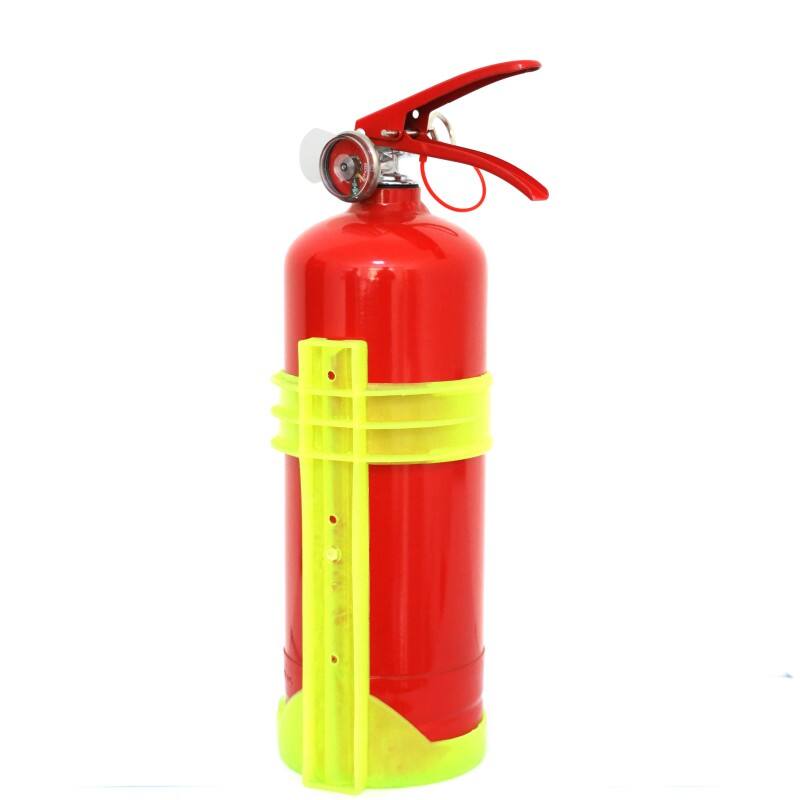
Selecting the Wrong Type of Fire Extinguisher for the Fire Class
Understanding Fire Classification Systems
One of the most dangerous mistakes people make involves using the incorrect fire extinguisher type for the specific fire class they're confronting. Fire classification systems categorize blazes into distinct classes based on the fuel source, and each class requires a specialized extinguishing agent. Class A fires involve ordinary combustible materials like wood, paper, and fabric, while Class B fires involve flammable liquids such as gasoline, oil, and grease. Class C fires involve energized electrical equipment, Class D fires involve combustible metals, and Class K fires involve cooking oils and fats commonly found in commercial kitchens.
Using water-based fire extinguishers on electrical fires can result in electrocution, while applying water to grease fires can cause dangerous splattering and fire spread. Many building occupants fail to identify the fire extinguisher types available in their vicinity, leading to improper selection during emergency situations. Professional fire safety experts recommend conducting regular training sessions to familiarize personnel with fire classification systems and corresponding extinguisher types to prevent these potentially fatal errors.
Consequences of Improper Fire Extinguisher Selection
Selecting an inappropriate fire extinguisher can exacerbate fire conditions and create additional hazards for the operator and surrounding individuals. When foam-based extinguishers are used on electrical fires, the conductive properties can create electrical shock risks and potentially spread the fire to adjacent equipment. Similarly, using carbon dioxide fire extinguishers in confined spaces without proper ventilation can lead to oxygen displacement and suffocation hazards for personnel in the area.
The financial implications of improper fire extinguisher selection extend beyond immediate fire damage to include equipment replacement costs, business interruption expenses, and potential liability issues. Insurance companies often investigate fire incidents to determine whether proper safety protocols were followed, and improper extinguisher usage can impact coverage decisions. Regular fire safety audits and equipment inspections help identify potential risks and ensure appropriate fire extinguisher placement throughout facilities.
Failing to Follow the PASS Technique Properly
Breaking Down the PASS Method Components
The PASS technique represents the fundamental fire extinguisher operation method that many users execute incorrectly during emergency situations. PASS stands for Pull, Aim, Squeeze, and Sweep, and each component requires specific attention to detail for maximum effectiveness. The Pull step involves removing the safety pin while maintaining control of the fire extinguisher, but many people struggle with pin removal due to anxiety or lack of practice. The Aim component requires directing the nozzle at the base of the flames rather than the visible fire tips, a mistake that significantly reduces extinguishing effectiveness.
During the Squeeze phase, operators must apply steady, consistent pressure to the handle while maintaining proper stance and positioning. Many users make the mistake of releasing pressure prematurely or applying intermittent pressure, which wastes extinguishing agent and reduces overall effectiveness. The Sweep motion involves moving the nozzle side to side at the base of the fire, covering the entire width of the flame area to prevent re-ignition. Proper Fire Extinguisher training emphasizes practicing these motions until they become automatic responses during high-stress situations.
Common PASS Technique Errors and Corrections
Aiming too high represents one of the most frequent PASS technique errors, as many people instinctively target the visible flames rather than the fuel source at the base. This mistake allows the fire to continue receiving fuel and often results in re-ignition after the extinguishing agent dissipates. Proper aiming technique requires maintaining a safe distance of six to eight feet from the fire while directing the discharge toward the base of the flames where the fuel source exists.
Inadequate sweeping motion represents another critical error that reduces fire extinguisher effectiveness and increases the likelihood of flame spread. Many users focus on a single point rather than covering the entire fire area with systematic sweeping movements. Emergency response training programs emphasize the importance of continuing the sweeping motion even after flames appear to be extinguished, as hot spots and ember remains can quickly reignite if not properly addressed. Regular fire drill exercises help personnel develop muscle memory for proper PASS technique execution under stressful conditions.
Ignoring Safety Distance and Escape Route Planning
Establishing Proper Operating Distance
Maintaining appropriate distance from the fire during fire extinguisher operation is crucial for personal safety and extinguishing effectiveness. Many users make the mistake of approaching too close to the fire, putting themselves at risk of burns, smoke inhalation, and entrapment if the fire spreads unexpectedly. The recommended operating distance varies by fire extinguisher type and fire size, but generally ranges from six to ten feet for optimal balance between safety and effectiveness.
Standing too far from the fire reduces the extinguishing agent's concentration and effectiveness, while positioning too close increases exposure to heat, toxic gases, and potential fire spread. Professional fire safety training emphasizes the importance of maintaining consistent distance throughout the extinguishing process and adjusting position only when safe to do so. Fire extinguisher manufacturers provide specific operating distance recommendations in their user manuals, and facility safety managers should ensure this information is readily available to all personnel.
Escape Route Assessment and Maintenance
Failing to identify and maintain clear escape routes before attempting fire suppression represents a potentially fatal mistake that many untrained individuals make during fire emergencies. Effective fire safety protocols require assessing multiple escape options before approaching the fire, ensuring that at least one viable exit route remains available throughout the suppression attempt. Fire conditions can change rapidly, and having predetermined escape routes allows for quick evacuation if the fire becomes uncontrollable.
Many people become so focused on fighting the fire that they fail to monitor changing conditions and miss critical opportunities to evacuate safely. Fire extinguisher training programs emphasize the importance of continuous situation awareness and the willingness to abandon suppression efforts when conditions deteriorate. Regular facility evacuation drills help occupants practice escape route navigation and identify potential obstacles that could impede emergency egress during actual fire incidents.
Neglecting Fire Extinguisher Maintenance and Inspection
Regular Inspection Requirements and Procedures
Fire extinguisher maintenance neglect represents a critical oversight that can render safety equipment completely ineffective during emergencies. Regular inspection requirements include monthly visual checks of pressure gauges, safety seals, nozzles, and overall equipment condition. Many facility managers fail to establish consistent inspection schedules, resulting in fire extinguishers with expired charges, damaged components, or missing safety pins when they're needed most.
Professional fire extinguisher inspection involves checking pressure levels, examining hoses and nozzles for damage, verifying proper mounting and accessibility, and ensuring legible instruction labels. Annual professional servicing by certified technicians includes internal component inspection, pressure testing, and extinguishing agent replacement as needed. Documentation of inspection and maintenance activities is essential for regulatory compliance and insurance requirements, yet many organizations fail to maintain adequate records of fire extinguisher service history.
Signs of Fire Extinguisher Deterioration
Recognizing early warning signs of fire extinguisher deterioration helps prevent equipment failure during critical moments. Pressure gauge readings outside the normal operating range indicate potential problems with internal seals, valves, or extinguishing agent leakage. Physical damage such as dents, corrosion, or cracked hoses can compromise fire extinguisher integrity and effectiveness during operation.
Expired service dates and missing inspection tags indicate inadequate maintenance programs that could result in equipment failure when needed most. Fire extinguisher nozzles can become clogged with debris, moisture, or crystallized extinguishing agent over time, preventing proper discharge during emergencies. Establishing proactive replacement schedules based on manufacturer recommendations and usage patterns helps ensure reliable fire extinguisher performance throughout their service life.
Misunderstanding Fire Extinguisher Limitations and Capacity
Overestimating Fire Extinguisher Effectiveness
Many people harbor unrealistic expectations about fire extinguisher capabilities, leading to dangerous overconfidence during fire emergencies. Portable fire extinguishers are designed for small fires in their incipient stages, typically covering areas no larger than what an average person can safely manage. Attempting to use fire extinguishers on large or rapidly spreading fires often results in wasted time, depleted extinguishing agent, and increased personal danger as conditions deteriorate.
Fire extinguisher discharge duration varies by type and size, with most portable units providing between eight and thirty seconds of continuous operation. This limited timeframe requires efficient, focused application techniques and immediate evacuation if initial suppression efforts prove unsuccessful. Understanding these limitations helps users make informed decisions about when to fight fires versus when to evacuate and call professional fire services for assistance.
Recognizing When Professional Help Is Required
Determining when fires exceed fire extinguisher capabilities requires quick assessment skills and sound judgment that many untrained individuals lack. Fires involving multiple rooms, structural components, or hazardous materials typically require professional fire department intervention rather than portable fire extinguisher attempts. Smoke-filled environments, intense heat, and rapidly spreading flames indicate conditions that exceed safe firefighting parameters for untrained personnel.
Professional fire departments possess specialized equipment, training, and resources necessary for complex fire suppression operations that go far beyond portable fire extinguisher capabilities. Recognizing these limitations and calling for professional assistance early in the fire development process often results in better outcomes for life safety and property protection. Fire safety education programs should emphasize the importance of knowing when to fight fires versus when to evacuate and allow professionals to handle the situation.
FAQ
How often should fire extinguishers be inspected and serviced
Fire extinguishers require monthly visual inspections by facility personnel and annual professional servicing by certified technicians. Monthly inspections should verify proper pressure levels, check for physical damage, ensure accessibility, and confirm that safety seals remain intact. Annual professional service includes internal component inspection, pressure testing, and extinguishing agent replacement as needed. Some high-use environments may require more frequent professional inspections based on manufacturer recommendations and local fire codes.
What is the maximum fire size that can be safely handled with a portable fire extinguisher
Portable fire extinguishers are designed for incipient-stage fires that cover an area no larger than what an average person can safely manage, typically fires smaller than a standard office desk. If flames reach ceiling height, involve multiple rooms, or generate intense heat and smoke, the fire exceeds portable fire extinguisher capabilities and requires professional fire department intervention. The key factor is whether the fire can be completely extinguished with a single fire extinguisher discharge while maintaining safe escape route access.
Can the same fire extinguisher type be used on all fire classes
No single fire extinguisher type is effective on all fire classes, and using the wrong type can be extremely dangerous. Multi-purpose ABC fire extinguishers work on Class A, B, and C fires but are not suitable for Class D metal fires or Class K cooking oil fires. Water-based extinguishers should never be used on electrical or grease fires, as they can cause electrocution or fire spread. Facilities should maintain appropriate fire extinguisher types based on the specific fire hazards present in each area.
What should you do if a fire re-ignites after using a fire extinguisher
If a fire re-ignites after initial extinguishing efforts, evacuate the area immediately and call the fire department rather than attempting additional suppression. Re-ignition indicates that hot spots or fuel sources remain active, and the fire may spread more rapidly on the second occurrence. Continue monitoring the area from a safe distance and be prepared to evacuate the building if conditions deteriorate. Professional firefighters have specialized equipment and training necessary to address re-ignition situations safely and effectively.

