
 EN
EN
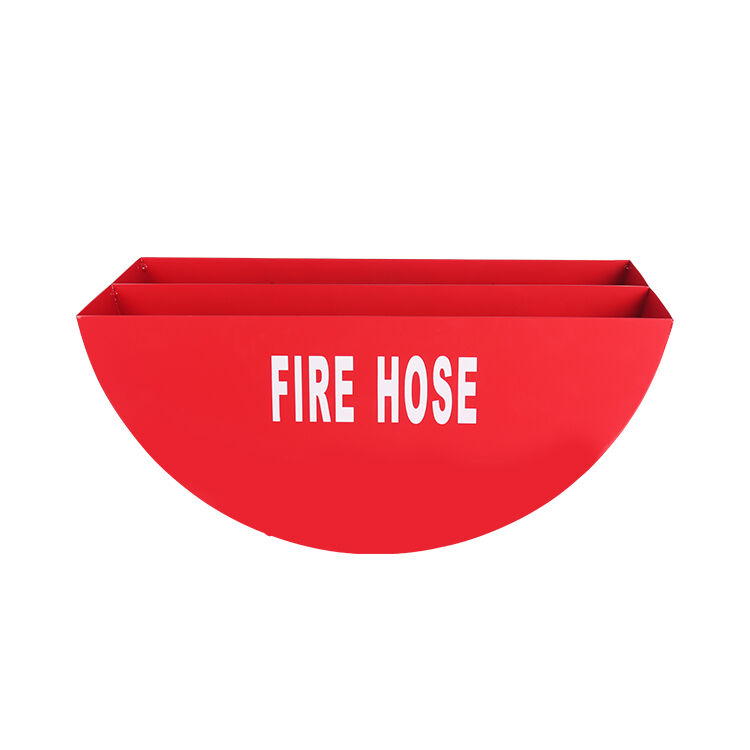
Understanding the intricate science behind fire suppression technology reveals why the fire extinguisher remains one of humanity's most essential safety devices. These remarkable instruments operate on fundamental principles of chemistry and physics to interrupt the combustion process that sustains fires. Modern fire extinguisher systems have evolved through decades of scientific research and engineering innovation, incorporating advanced materials and mechanisms to provide rapid, effective fire suppression across diverse applications.
The fundamental operation of any fire extinguisher centers on disrupting the fire triangle, which consists of heat, fuel, and oxygen. By removing or interfering with any of these essential elements, a fire extinguisher can effectively terminate the combustion reaction. Different extinguishing agents target specific components of this triangle through various mechanisms, making the selection of appropriate fire extinguisher types crucial for optimal fire suppression performance.
Fundamental Principles of Fire Suppression
The Fire Triangle and Combustion Chemistry
Fire represents a chemical reaction known as combustion, requiring three essential elements to sustain itself. The removal of heat reduces the temperature below the ignition point, preventing further combustion reactions from occurring. Oxygen elimination suffocates the flame by restricting the oxidizing agent necessary for sustained burning. Fuel isolation prevents the fire from accessing combustible materials that feed the reaction.
Modern fire extinguisher technology exploits these principles through sophisticated chemical and physical mechanisms. Each extinguishing agent operates through specific pathways to interrupt combustion, whether through cooling effects, oxygen displacement, or chemical chain reaction inhibition. Understanding these mechanisms enables proper selection and deployment of fire extinguisher systems for maximum effectiveness.
Heat Removal and Cooling Mechanisms
Water-based fire extinguisher systems primarily function through heat absorption and cooling effects. When water contacts burning materials, it absorbs substantial thermal energy during the phase transition from liquid to vapor. This endothermic process rapidly reduces the temperature of combustible materials below their ignition threshold, effectively terminating the combustion reaction.
Advanced water-based extinguishing agents often incorporate additives that enhance cooling efficiency and reduce surface tension. These chemical modifications improve penetration into burning materials and increase heat absorption capacity. The resulting cooling effect creates conditions unfavorable for continued combustion while simultaneously protecting adjacent materials from thermal damage.
Carbon Dioxide Fire Extinguisher Technology
Gas Displacement and Oxygen Reduction
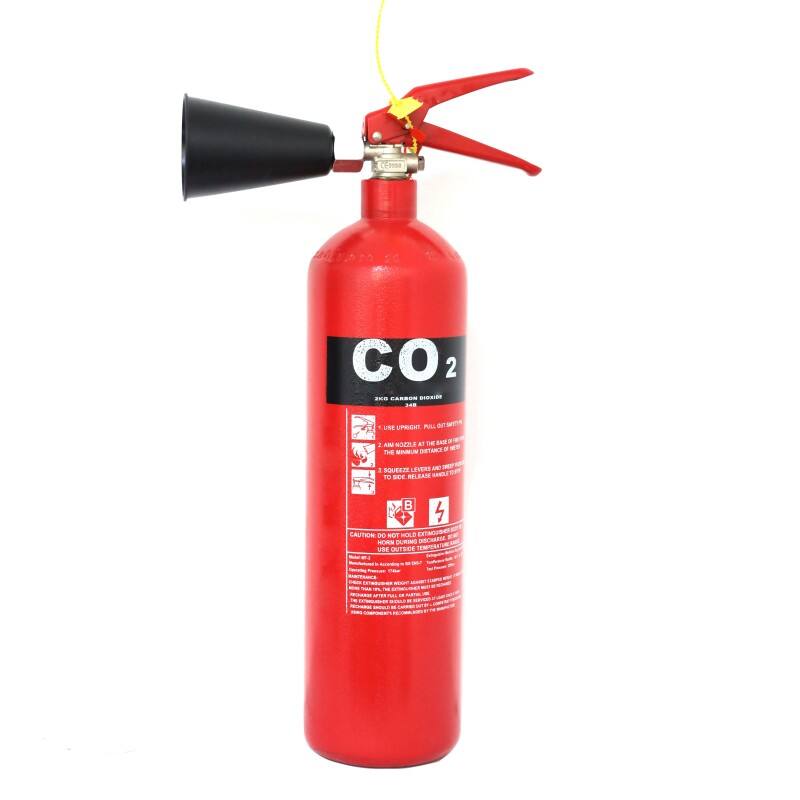
Carbon dioxide fire extinguisher systems operate through oxygen displacement, creating an atmosphere insufficient to support combustion. When released, pressurized CO2 rapidly expands and displaces ambient oxygen around the fire source. This suffocation effect interrupts the combustion reaction by eliminating the oxidizing agent required for sustained burning.
The effectiveness of CO2 suppression depends on achieving adequate concentration levels within the fire environment. Professional fire extinguisher systems calculate precise discharge rates and volumes to ensure sufficient oxygen displacement for complete fire suppression. The rapid expansion of CO2 also provides secondary cooling effects that further inhibit reignition potential.
Pressure Systems and Discharge Mechanics
Carbon dioxide fire extinguisher units store CO2 under high pressure in liquid form within steel cylinders. Upon activation, the pressure differential causes rapid expansion from liquid to gaseous state, creating the volume necessary for effective oxygen displacement. This phase transition occurs instantaneously, providing immediate suppression capability when properly deployed.
The discharge mechanism incorporates precision-engineered valves and nozzles that control CO2 release rates and distribution patterns. Proper nozzle design ensures optimal gas dispersion while maintaining sufficient concentration for fire suppression. Advanced systems include pressure gauges and safety mechanisms that ensure reliable operation under emergency conditions.
Chemical Suppression Agents and Mechanisms
Dry Chemical Powder Technology
Dry chemical fire extinguisher systems utilize specialized powder formulations that interrupt combustion through multiple mechanisms. These chemical agents function by interfering with the free radical chain reactions that sustain flames, effectively breaking the chemical processes necessary for continued burning. Common dry chemical agents include monoammonium phosphate, sodium bicarbonate, and potassium bicarbonate compounds.
The application of dry chemical powders creates a barrier between fuel and oxygen while simultaneously absorbing heat from the combustion zone. These dual-action effects provide rapid flame knockdown capabilities across various fire classifications. The residual powder coating also helps prevent reignition by maintaining separation between combustible materials and ignition sources.
Foam-Based Suppression Systems
Foam fire extinguisher technology combines water with specialized surfactant chemicals to create stable foam blankets. These foam solutions provide superior coverage and adherence to burning liquid surfaces, creating an effective barrier that prevents vapor release and oxygen contact. The foam blanket mechanism proves particularly effective for flammable liquid fires where conventional water applications prove inadequate.
Modern foam concentrates incorporate advanced chemical formulations that enhance suppression effectiveness while reducing environmental impact. These specialized agents create durable foam structures that maintain integrity under thermal stress and provide extended protection against reignition. The water content within foam systems also contributes cooling effects that further enhance fire suppression capabilities.
Advanced Fire Extinguisher Technologies
Clean Agent Suppression Systems
Contemporary fire extinguisher development focuses on clean agent technologies that provide effective suppression without leaving residues or causing collateral damage. These advanced systems utilize specialized gases and chemical compounds that interrupt combustion through molecular-level interactions. Clean agents prove particularly valuable in environments containing sensitive electronic equipment or valuable materials.
Halon alternatives and other environmentally-friendly suppression agents represent significant technological advances in fire extinguisher science. These systems maintain the rapid suppression capabilities of traditional agents while eliminating ozone-depleting properties and toxic residues. The molecular design of clean agents ensures effective fire suppression through precise chemical mechanisms that target specific aspects of combustion chemistry.
Automatic Detection and Deployment
Integrated fire extinguisher systems incorporate advanced detection technologies that enable automatic activation when fire conditions are detected. These sophisticated systems utilize temperature sensors, smoke detectors, and flame detection devices to identify fire emergencies and trigger appropriate suppression responses. Automatic deployment ensures rapid response times that minimize fire damage and enhance safety outcomes.
Smart fire extinguisher technologies integrate with building management systems and emergency response networks to provide comprehensive fire protection solutions. These connected systems enable remote monitoring, maintenance scheduling, and performance optimization through data analytics and predictive algorithms. The integration of artificial intelligence and machine learning technologies continues advancing fire extinguisher effectiveness and reliability.
Selection Criteria and Application Guidelines
Fire Classification Systems
Proper fire extinguisher selection requires understanding of fire classification systems that categorize fires based on fuel types and combustion characteristics. Class A fires involve ordinary combustible materials like wood, paper, and textiles, requiring cooling and water-based suppression approaches. Class B fires involve flammable liquids and gases, necessitating oxygen exclusion and vapor suppression techniques.
Class C fires involve energized electrical equipment, requiring non-conductive suppression agents that eliminate electrical hazards. Class D fires involve combustible metals, demanding specialized suppression approaches that prevent violent chemical reactions. Understanding these classifications ensures appropriate fire extinguisher selection for specific hazard environments and maximizes suppression effectiveness.
Environmental and Safety Considerations
Modern fire extinguisher selection incorporates environmental impact assessments and safety considerations that extend beyond immediate fire suppression requirements. Factors include toxicity levels, residue cleanup requirements, and potential damage to protected materials or equipment. Sustainable fire extinguisher technologies prioritize environmental responsibility while maintaining effective suppression capabilities.
Safety protocols for fire extinguisher operation include proper training requirements, maintenance schedules, and inspection procedures that ensure reliable performance during emergency situations. Regular testing and certification processes verify that fire extinguisher systems maintain operational readiness and comply with relevant safety standards. Professional installation and maintenance services optimize fire extinguisher performance while ensuring regulatory compliance.
Maintenance and Performance Optimization
Inspection and Testing Protocols
Regular fire extinguisher maintenance involves comprehensive inspection protocols that verify mechanical integrity, chemical agent condition, and operational readiness. These systematic evaluations include pressure testing, weight verification, and component functionality assessments that identify potential issues before they compromise emergency performance. Professional maintenance services ensure compliance with regulatory requirements and manufacturer specifications.
Testing procedures for fire extinguisher systems involve discharge tests, pressure evaluations, and agent quality assessments that verify suppression effectiveness. These comprehensive evaluations identify degradation patterns and performance variations that may affect emergency response capabilities. Documented maintenance records provide accountability and ensure regulatory compliance while optimizing system reliability.
Replacement and Upgrade Considerations
Fire extinguisher replacement schedules depend on usage patterns, environmental conditions, and technological advancements that affect system performance and reliability. Aging components may experience reduced effectiveness or mechanical failures that compromise emergency response capabilities. Strategic replacement planning ensures continuous fire protection while incorporating improved technologies and enhanced performance features.
Technology upgrades in fire extinguisher systems provide opportunities to improve suppression effectiveness, reduce environmental impact, and enhance safety features. Modern systems incorporate advanced materials, improved chemical formulations, and smart monitoring capabilities that optimize performance while reducing maintenance requirements. Investment in upgraded fire extinguisher technology provides long-term benefits through enhanced safety and operational efficiency.
FAQ
How does the chemical composition of different fire extinguisher agents affect their suppression mechanisms
Different chemical compositions in fire extinguisher agents create distinct suppression mechanisms that target specific aspects of the combustion process. Water-based agents primarily function through heat absorption and cooling effects, while CO2 systems operate through oxygen displacement and suffocation. Dry chemical powders interrupt free radical chain reactions that sustain combustion, and foam agents create barrier effects that prevent oxygen contact with fuel sources. The molecular structure and chemical properties of each agent determine its effectiveness against specific fire types and environmental conditions.
What factors determine the appropriate fire extinguisher size and capacity for specific applications
Fire extinguisher sizing depends on several critical factors including the protected area size, potential fire load, accessibility requirements, and response time considerations. Larger spaces and higher fire risks require greater agent capacity and extended discharge duration to ensure effective suppression. Environmental factors such as ventilation patterns, temperature ranges, and structural configurations also influence sizing decisions. Professional fire protection engineers evaluate these variables to determine optimal fire extinguisher specifications that provide adequate protection while meeting regulatory requirements.
How do modern fire extinguisher technologies address environmental concerns while maintaining effectiveness
Contemporary fire extinguisher development prioritizes environmental sustainability through clean agent technologies that eliminate ozone-depleting compounds and toxic residues. Advanced chemical formulations provide effective suppression while reducing atmospheric impact and cleanup requirements. Biodegradable foam concentrates and recycled materials in construction minimize environmental footprint throughout the product lifecycle. These innovations demonstrate that environmental responsibility and fire suppression effectiveness can coexist through thoughtful engineering and chemical design.
What role does pressure play in fire extinguisher performance and reliability
Pressure serves as the driving force that enables fire extinguisher discharge and determines the reach, flow rate, and distribution pattern of suppression agents. Proper pressure levels ensure adequate agent velocity for effective penetration and coverage of fire areas. Pressure monitoring systems indicate operational readiness and identify potential leakage or mechanical issues that could compromise performance. Regular pressure testing and maintenance procedures verify that fire extinguisher systems maintain the pressure levels necessary for reliable emergency operation and optimal suppression effectiveness.
Table of Contents
- Fundamental Principles of Fire Suppression
- Carbon Dioxide Fire Extinguisher Technology
- Chemical Suppression Agents and Mechanisms
- Advanced Fire Extinguisher Technologies
- Selection Criteria and Application Guidelines
- Maintenance and Performance Optimization
-
FAQ
- How does the chemical composition of different fire extinguisher agents affect their suppression mechanisms
- What factors determine the appropriate fire extinguisher size and capacity for specific applications
- How do modern fire extinguisher technologies address environmental concerns while maintaining effectiveness
- What role does pressure play in fire extinguisher performance and reliability

