
 EN
EN
Fire safety remains one of the most critical aspects of building management, workplace safety, and home protection. Understanding the proper maintenance and inspection of fire safety equipment can mean the difference between a minor incident and a catastrophic event. Regular fire extinguisher inspections ensure that these life-saving devices function correctly when emergencies arise, protecting both property and human lives from the devastating effects of uncontrolled fires.
Understanding Fire Extinguisher Types and Classifications
Different Classes of Fire Extinguishers
Every fire extinguisher serves a specific purpose based on the type of fire it can effectively combat. Class A fire extinguishers handle ordinary combustibles like wood, paper, and fabric. Class B units tackle flammable liquids such as gasoline, oil, and grease. Class C fire extinguishers are designed for electrical fires, while Class D units handle combustible metals. Understanding these classifications helps ensure the right fire extinguisher is available for specific fire risks in different environments.
Modern fire extinguisher technology has evolved to include multi-purpose units that can handle multiple fire classes. These versatile devices often combine dry chemical agents that work effectively across various fire types. However, specialized environments may still require specific fire extinguisher types to address unique hazards and comply with local fire codes and safety regulations.
Identifying Fire Extinguisher Components
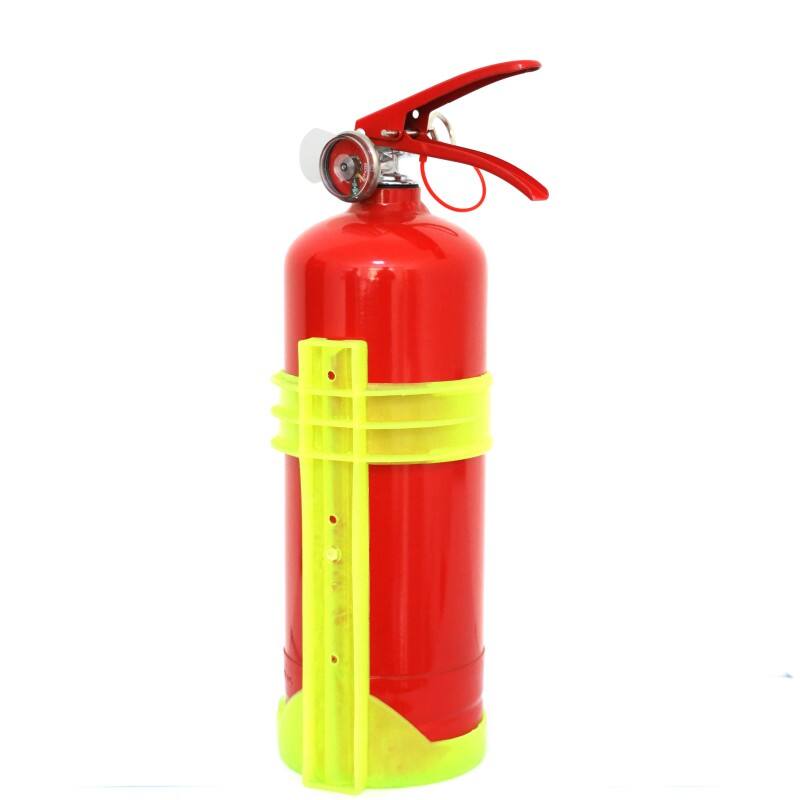
A typical fire extinguisher consists of several essential components that must be regularly inspected. The pressure gauge indicates whether the unit maintains proper internal pressure for effective operation. The safety pin prevents accidental discharge, while the operating handle provides the mechanism for activation. The discharge hose and nozzle direct the extinguishing agent toward the fire source with precision and control.
The outer shell or cylinder contains the extinguishing agent and must remain free from corrosion, dents, or other damage that could compromise structural integrity. Labels and instruction plates provide critical information about proper usage, maintenance schedules, and safety warnings. Understanding these components helps inspectors identify potential issues before they become safety hazards.
Essential Inspection Procedures and Techniques
Visual Inspection Fundamentals
Effective fire extinguisher inspection begins with a comprehensive visual examination of the entire unit. Inspectors should check for obvious signs of damage, including dents, corrosion, or missing components. The pressure gauge must indicate that the fire extinguisher maintains adequate pressure within the green zone. Any deviation from normal pressure readings requires immediate attention and potential servicing by qualified technicians.
The safety pin should remain intact and properly secured with an unbroken tamper seal. Missing or damaged seals indicate that someone may have used or tampered with the fire extinguisher since the last inspection. The operating instructions and classification labels must be clearly visible and legible, as these provide essential information during emergency situations when quick decision-making becomes critical.
Physical Testing and Documentation
Beyond visual inspection, fire extinguisher maintenance requires physical testing to ensure proper functionality. This includes checking the weight of the unit to verify that the extinguishing agent remains at proper levels. Significant weight loss may indicate leakage or previous discharge that requires immediate attention. The discharge hose should be flexible and free from cracks or blockages that could impair performance.
Proper documentation plays a crucial role in maintaining fire extinguisher inspection records. Each inspection should be recorded with the date, inspector identification, and any issues discovered during the examination. These records demonstrate compliance with fire safety regulations and help track the maintenance history of each fire extinguisher in the system. Regular documentation also helps identify patterns or recurring issues that may require attention.
Frequency and Scheduling Requirements
Monthly Inspection Standards
Fire safety regulations typically require monthly visual inspections of all fire extinguisher units within a facility. These brief examinations focus on ensuring that each fire extinguisher remains in its designated location, appears physically undamaged, and maintains proper pressure readings. Monthly inspections can be performed by trained facility personnel who understand basic fire extinguisher components and potential warning signs.
During monthly inspections, personnel should verify that access to each fire extinguisher remains unobstructed. Storage areas, equipment, or other items should never block access to fire safety equipment. The inspection tag should be updated to reflect the completion of each monthly examination, creating a clear record of ongoing maintenance activities.
Annual Professional Maintenance
Professional fire extinguisher maintenance must occur annually to ensure optimal performance and regulatory compliance. Certified technicians perform comprehensive examinations that go beyond basic visual inspections to include internal component testing and verification. These thorough evaluations may reveal issues that are not apparent during routine monthly checks.
Annual maintenance often includes recharging fire extinguisher units that have lost pressure or been partially discharged. Professional technicians have the specialized equipment and training necessary to safely disassemble, inspect, and reassemble fire extinguisher components. They can also identify when fire extinguisher replacement becomes necessary due to age, wear, or damage that cannot be effectively repaired.
Common Issues and Troubleshooting
Pressure Loss and Gauge Problems
Pressure loss represents one of the most common fire extinguisher issues encountered during inspections. Low pressure readings may result from slow leaks around seals, valve components, or the cylinder itself. Temperature fluctuations can also affect pressure readings, particularly in fire extinguisher units stored in areas subject to extreme temperature variations.
Faulty pressure gauges can provide misleading readings that mask actual fire extinguisher conditions. Inspectors should be aware that gauge failures can occur, making it important to consider other indicators of fire extinguisher condition. Professional testing equipment can verify actual internal pressure when gauge reliability becomes questionable.
Physical Damage and Corrosion
Environmental factors often cause physical damage to fire extinguisher units over time. Moisture exposure can lead to corrosion that weakens the cylinder structure and compromises safety. Impact damage from moving equipment or accidental contact can create dents or cracks that require immediate attention. Even minor damage should be evaluated by qualified technicians to determine whether repair or replacement is necessary.
Corrosion typically develops gradually and may not be immediately apparent during casual observation. Inspectors should pay particular attention to areas where moisture might accumulate, such as the bottom of fire extinguisher cylinders or around valve assemblies. Early detection of corrosion allows for timely intervention before structural integrity becomes compromised.
Regulatory Compliance and Standards
OSHA Requirements and Guidelines
The Occupational Safety and Health Administration establishes specific requirements for workplace fire extinguisher maintenance and inspection. These regulations mandate that employers provide appropriate fire extinguisher coverage based on the specific hazards present in their facilities. OSHA standards also require proper fire extinguisher placement, accessibility, and maintenance to ensure worker safety.
OSHA compliance includes training requirements for personnel who will be using fire extinguisher equipment during emergencies. Workers must understand the limitations of fire extinguisher use and when evacuation becomes the safer option. Proper training helps prevent injuries that can occur when individuals attempt to fight fires beyond their equipment's capabilities or their own skill level.
Local Fire Code Compliance
Local fire codes often impose additional requirements beyond federal OSHA standards for fire extinguisher maintenance and inspection. These regulations may specify particular fire extinguisher types, placement requirements, or inspection frequencies based on local conditions and fire department recommendations. Building owners and facility managers must understand and comply with all applicable local fire safety requirements.
Fire department inspections typically include verification of fire extinguisher compliance as part of broader fire safety evaluations. Maintaining proper fire extinguisher inspection records and ensuring all units meet current standards helps facilitate smooth interactions with local fire officials during routine inspections or emergency situations.
Training and Certification Programs
Inspector Training Requirements
Effective fire extinguisher inspection requires proper training to identify potential issues and understand maintenance requirements. Basic training programs teach personnel how to recognize common problems, interpret pressure gauge readings, and document inspection activities. More advanced training prepares individuals to perform detailed examinations and minor maintenance tasks under supervision.
Professional certification programs provide comprehensive education for individuals who will be responsible for fire extinguisher maintenance and repair. These programs cover technical aspects of different fire extinguisher types, safety procedures for handling extinguishing agents, and regulatory requirements that govern fire safety equipment. Certified professionals can perform the annual maintenance and testing required by most fire safety standards.
Workplace Fire Safety Education
Comprehensive fire safety education should include fire extinguisher operation training for all building occupants. This training helps individuals understand when fire extinguisher use is appropriate and when evacuation should take priority. Proper education can prevent injuries and property damage by ensuring that fire extinguisher equipment is used effectively and safely during emergency situations.
Regular fire safety drills should incorporate fire extinguisher training scenarios to help personnel develop confidence and competence in emergency situations. These exercises provide opportunities to practice proper fire extinguisher operation techniques while reinforcing the importance of personal safety and situational awareness during fire emergencies.
FAQ
How often should fire extinguisher inspections be performed
Fire extinguisher inspections should be conducted monthly by facility personnel, with comprehensive annual maintenance performed by certified professionals. Monthly inspections involve visual checks of pressure gauges, physical condition, and accessibility. Annual professional maintenance includes detailed internal inspections, testing, and any necessary repairs or recharging to ensure optimal performance and regulatory compliance.
What are the signs that a fire extinguisher needs immediate replacement
A fire extinguisher requires immediate replacement if it shows evidence of corrosion, structural damage, pressure loss, missing safety components, or illegible operating instructions. Any fire extinguisher that has been discharged, even partially, should be professionally recharged or replaced. Damaged pressure gauges, cracked hoses, or missing safety pins also indicate the need for immediate attention from qualified technicians.
Can facility staff perform fire extinguisher maintenance themselves
Facility staff can perform basic monthly visual inspections and documentation, but comprehensive maintenance must be performed by certified professionals. Internal servicing, recharging, and pressure testing require specialized equipment and training that most facility personnel do not possess. Attempting unauthorized fire extinguisher maintenance can create safety hazards and may violate local fire safety regulations.
What documentation is required for fire extinguisher inspections
Fire extinguisher inspection documentation should include the inspection date, inspector identification, fire extinguisher location and serial number, condition assessment, and any maintenance actions performed. Monthly inspection tags attached to each fire extinguisher provide visible evidence of recent inspections. Detailed records should be maintained for annual professional maintenance, including any repairs, testing results, or replacement recommendations made by certified technicians.

