
 EN
EN
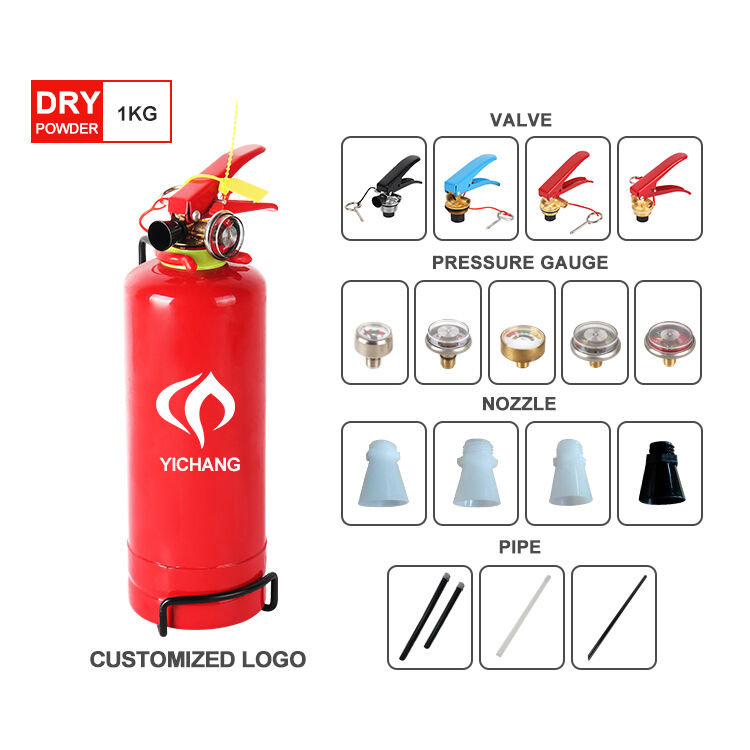
Fire safety remains one of the most critical aspects of protecting lives and property in both residential and commercial environments. Understanding when to replace your fire extinguisher can mean the difference between successfully containing a small fire and facing devastating consequences. Many property owners and facility managers overlook the essential maintenance requirements that ensure their fire protection equipment remains fully operational when needed most.
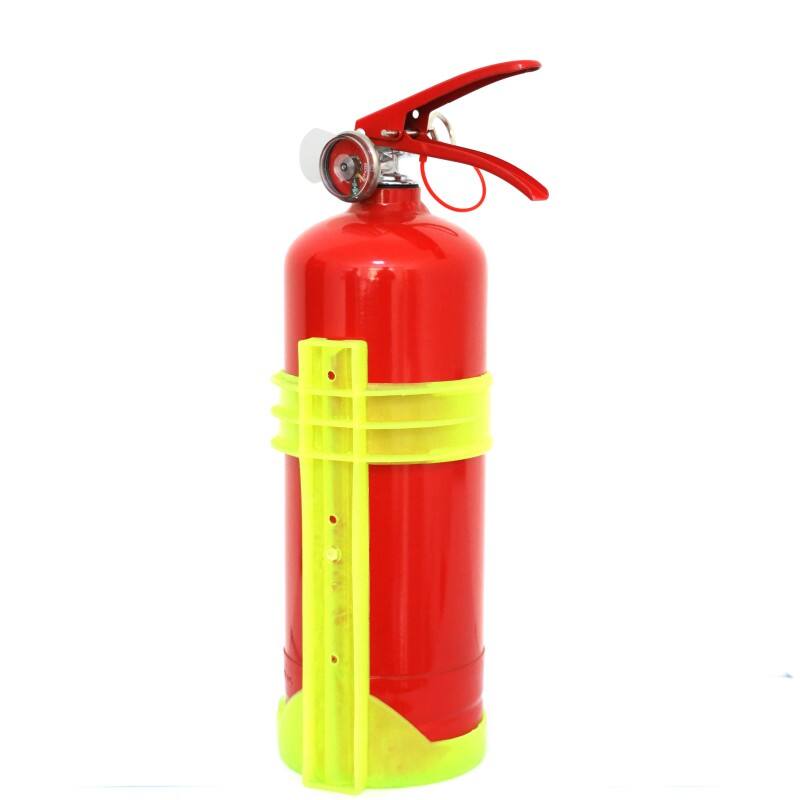
Regular inspection and timely replacement of fire extinguisher units represents a fundamental responsibility that should never be compromised. Professional fire safety experts consistently emphasize that even the most reliable fire extinguisher will eventually require replacement due to various factors including age, environmental exposure, and potential internal degradation. The consequences of relying on a compromised fire extinguisher during an emergency situation can be catastrophic, making proactive replacement strategies essential for comprehensive fire protection planning.
Modern fire protection standards have evolved significantly, requiring property owners to maintain detailed records of their fire safety equipment and establish systematic replacement schedules. These requirements reflect decades of research into fire suppression effectiveness and the critical role that properly functioning equipment plays in emergency response scenarios. Understanding the specific indicators that signal when replacement becomes necessary empowers property managers to maintain optimal fire safety standards consistently.
Physical Damage Assessment for Fire Extinguishers
External Corrosion and Rust Formation
Visible corrosion on the exterior cylinder represents one of the most immediate indicators that a fire extinguisher requires replacement. Rust formation compromises the structural integrity of the pressure vessel, potentially leading to catastrophic failure during operation. Environmental factors such as high humidity, salt air exposure, and chemical contaminants accelerate corrosion processes, particularly in industrial facilities and coastal locations where fire extinguisher units face constant exposure to aggressive atmospheric conditions.
Professional fire safety inspectors examine the exterior surface meticulously during routine maintenance visits, looking for any signs of pitting, scaling, or rust penetration that extends beyond surface-level oxidation. Even minor corrosion spots can indicate internal degradation that may not be immediately visible, requiring comprehensive evaluation by certified technicians. The presence of rust around the valve assembly, pressure gauge mounting points, or cylinder seams typically necessitates immediate replacement regardless of the unit's age or previous maintenance history.
Advanced corrosion damage often manifests as deep pitting or through-wall penetration that compromises the fire extinguisher's ability to maintain proper internal pressure. These conditions create significant safety hazards that extend beyond simple equipment failure, potentially causing injury to operators during emergency deployment. Regular visual inspections should focus on identifying early-stage corrosion before it progresses to levels that require emergency replacement procedures.
Pressure System Integrity Issues
Pressure gauge malfunctions and inconsistent readings indicate potential internal system failures that compromise fire extinguisher effectiveness. A properly functioning fire extinguisher maintains consistent pressure levels within specified operating ranges, with gauge needles positioned clearly in the green operational zone. Fluctuating pressure readings, gauges stuck in extreme positions, or visible damage to pressure monitoring equipment all signal immediate replacement requirements.
Internal pressure loss can occur gradually through microscopic seal deterioration or suddenly due to mechanical impact damage. Fire extinguisher units that exhibit pressure readings below manufacturer specifications cannot deliver adequate suppression agent flow rates during emergency deployment. This condition renders the equipment unreliable and potentially ineffective against fire suppression requirements, creating dangerous situations where occupants may believe they have functional fire protection when they do not.
Pressure system failures often indicate broader mechanical problems within the fire extinguisher assembly that extend beyond simple gauge replacement. Internal components such as valve seals, discharge mechanisms, and pressure relief systems may have degraded simultaneously, making comprehensive unit replacement more cost-effective than attempting repairs. Professional evaluation becomes essential when pressure-related issues arise, as improper repairs can create additional safety hazards.
Age-Related Replacement Requirements
Manufacturer Service Life Specifications
Every Fire Extinguisher carries specific service life recommendations established by manufacturers based on extensive testing and performance evaluation data. These specifications reflect optimal operational periods during which the equipment maintains reliable suppression capabilities under normal environmental conditions. Exceeding manufacturer-recommended service life significantly increases the risk of mechanical failure during emergency situations, regardless of the unit's apparent external condition.
Standard dry chemical fire extinguisher units typically require replacement every twelve years from the date of manufacture, while specialized suppression systems may have different service life requirements. Carbon dioxide fire extinguisher systems often maintain effectiveness for longer periods due to their simpler internal mechanisms, but still require periodic hydrostatic testing and eventual replacement. Water-based suppression units face unique challenges related to internal corrosion and freeze damage that may necessitate more frequent replacement cycles.
Tracking service life requires maintaining accurate records of purchase dates, installation times, and maintenance histories for each fire extinguisher within a facility. Many organizations implement digital asset management systems that provide automated alerts when units approach their recommended replacement dates. This proactive approach ensures compliance with safety regulations while maintaining optimal fire protection capabilities throughout the facility.
Environmental Impact on Longevity
Harsh environmental conditions significantly accelerate fire extinguisher degradation processes, requiring more frequent replacement schedules than standard manufacturer recommendations. Facilities exposed to extreme temperatures, corrosive chemicals, high humidity levels, or frequent vibration experience accelerated wear that compromises equipment reliability. Industrial environments often present multiple challenging conditions simultaneously, creating compounding effects that reduce expected service life substantially.
Temperature extremes affect both the pressure vessel integrity and the suppression agent effectiveness within fire extinguisher units. Repeated freeze-thaw cycles can damage internal seals and compromise valve mechanisms, while excessive heat exposure may degrade chemical suppression agents or create dangerous pressure buildup. Facilities located in regions with significant seasonal temperature variations must account for these factors when establishing replacement schedules.
Chemical exposure from industrial processes creates unique challenges for fire extinguisher longevity, particularly in facilities handling corrosive substances or volatile compounds. Airborne contaminants can accelerate external corrosion while potentially affecting internal components through valve and seal penetration. Regular environmental assessment helps facility managers identify conditions that may require enhanced protection measures or accelerated replacement timelines for their fire suppression equipment.
Performance Testing and Maintenance Indicators
Hydrostatic Testing Requirements
Hydrostatic testing represents the most comprehensive method for evaluating fire extinguisher pressure vessel integrity and determining replacement necessity. This testing process involves pressurizing the cylinder to levels significantly higher than normal operating pressure to identify structural weaknesses or potential failure points. Fire extinguisher units that fail hydrostatic testing must be immediately removed from service and replaced, as continued use presents serious safety risks to operators and building occupants.
Testing schedules vary based on fire extinguisher type and construction materials, with most dry chemical units requiring hydrostatic evaluation every twelve years. Carbon dioxide systems typically undergo testing every five years due to higher operating pressures, while water-based extinguishers may require more frequent evaluation depending on environmental conditions. Professional testing services utilize specialized equipment and certified procedures to ensure accurate results that comply with national fire safety standards.
Failed hydrostatic tests often reveal internal corrosion, stress fractures, or metallurgical defects that compromise the fire extinguisher's structural integrity. These conditions typically develop gradually over time but can reach critical levels suddenly under pressure testing conditions. Units showing any signs of weakness during hydrostatic evaluation require immediate replacement regardless of their external appearance or previous maintenance history.
Suppression Agent Quality Assessment
The suppression agent contained within fire extinguisher units can degrade over time, reducing effectiveness even when the pressure vessel remains intact. Chemical fire suppression agents may cake, separate, or lose their fire-suppressing properties due to moisture absorption, temperature cycling, or chemical breakdown. Regular agent quality assessment helps identify fire extinguisher units that require replacement due to compromised suppression capabilities rather than mechanical failures.
Dry chemical agents typically show signs of degradation through clumping, hardening, or moisture contamination that prevents proper discharge during operation. These conditions can block discharge nozzles, create uneven suppression patterns, or reduce the overall effectiveness of the fire suppression system. Visual inspection during routine maintenance often reveals agent quality issues that necessitate complete fire extinguisher replacement rather than simple recharging procedures.
Professional fire safety technicians utilize specialized testing equipment to evaluate suppression agent quality and determine whether replacement becomes necessary. This assessment includes analysis of chemical composition, moisture content, and physical characteristics that affect suppression performance. Fire extinguisher units with compromised suppression agents pose significant risks during emergency situations, as they may fail to control fires effectively despite appearing functional during routine inspections.
Regulatory Compliance and Safety Standards
NFPA Code Requirements
National Fire Protection Association standards establish specific requirements for fire extinguisher replacement that supersede manufacturer recommendations in many situations. These codes reflect comprehensive research into fire suppression effectiveness and incorporate lessons learned from emergency response scenarios across diverse facility types. Compliance with NFPA standards ensures that fire extinguisher replacement schedules meet minimum safety requirements while providing legal protection for property owners and facility managers.
NFPA 10 specifically addresses portable fire extinguisher maintenance, inspection, and replacement requirements that apply to most commercial and industrial facilities. The standard establishes maximum service life limits that cannot be extended regardless of equipment condition, ensuring that aging fire extinguisher units are removed from service before reliability degrades. Regular updates to NFPA codes reflect evolving understanding of fire suppression technology and emerging safety concerns within various industries.
Facility managers must maintain detailed documentation demonstrating compliance with NFPA replacement requirements, including maintenance records, inspection reports, and replacement schedules. This documentation serves as evidence of proper fire safety management during insurance claims, regulatory inspections, and legal proceedings. Non-compliance with established standards can result in significant liability exposure and potential regulatory penalties that far exceed the cost of proper fire extinguisher replacement programs.
Insurance and Legal Considerations
Insurance companies increasingly scrutinize fire extinguisher replacement practices when evaluating claims related to fire damage or liability issues. Policies often include specific requirements for equipment maintenance and replacement that must be documented through professional inspection records and certified maintenance programs. Failure to maintain proper replacement schedules can void insurance coverage or result in significant claim reductions that create substantial financial exposure for property owners.
Legal liability related to fire extinguisher replacement extends beyond property damage to include potential personal injury claims from occupants who relied on defective equipment during emergency situations. Courts consistently hold property owners responsible for maintaining functional fire safety equipment, with particular attention to replacement schedules and maintenance documentation. Professional fire safety management programs help establish defensible maintenance practices that reduce legal exposure while ensuring optimal protection for building occupants.
Risk management strategies should incorporate comprehensive fire extinguisher replacement programs that exceed minimum regulatory requirements while providing documentation of proactive safety management. This approach demonstrates commitment to occupant safety while creating strong legal protection against potential liability claims. Insurance premiums often reflect the quality of fire safety management programs, with well-documented replacement procedures resulting in reduced coverage costs over time.
Cost Analysis and Replacement Planning
Economic Factors in Replacement Decisions
Fire extinguisher replacement costs must be evaluated within the context of comprehensive facility risk management rather than simple equipment procurement expenses. The financial impact of fire damage far exceeds the cost of proactive fire extinguisher replacement, making timely equipment updates a sound investment strategy. Facility managers should consider replacement costs as insurance premiums that provide protection against catastrophic losses that could devastate operations and threaten business continuity.
Bulk replacement programs often provide significant cost advantages over individual unit replacement strategies while ensuring consistent equipment age and reliability throughout facilities. Professional fire safety contractors typically offer volume discounts and comprehensive service packages that include removal, disposal, and installation of new equipment. These programs simplify compliance management while providing predictable budgeting for fire safety expenses over multi-year periods.
Total cost of ownership calculations should include maintenance expenses, testing requirements, and potential liability exposure associated with aging fire extinguisher equipment. Newer fire extinguisher units often incorporate improved designs and materials that reduce maintenance requirements while providing enhanced reliability and performance. Advanced features such as improved pressure monitoring systems and corrosion-resistant materials can justify higher initial costs through reduced long-term maintenance expenses and extended service life.
Strategic Replacement Scheduling
Effective fire extinguisher replacement scheduling requires comprehensive asset tracking systems that monitor equipment age, maintenance history, and environmental exposure factors. Digital management platforms provide automated alerts and reporting capabilities that help facility managers maintain optimal replacement timing while avoiding emergency procurement situations. These systems integrate with maintenance management software to provide comprehensive fire safety program oversight and compliance documentation.
Staggered replacement schedules help distribute costs over time while ensuring that critical areas maintain newer equipment with maximum reliability. Priority-based replacement strategies focus on high-risk areas such as mechanical rooms, chemical storage facilities, and primary egress routes where fire extinguisher failure could have severe consequences. This approach balances cost management with risk mitigation while maintaining comprehensive fire protection coverage throughout facilities.
Emergency replacement procedures should be established for situations where fire extinguisher units fail unexpectedly or require immediate removal from service. These procedures include identification of emergency suppliers, expedited procurement processes, and temporary protection measures that maintain fire safety compliance during replacement periods. Well-planned emergency procedures minimize disruption to facility operations while ensuring continuous fire protection coverage for building occupants.
FAQ
How often should fire extinguishers be replaced in commercial buildings
Commercial fire extinguisher replacement schedules depend on the specific type of suppression system and environmental conditions within the facility. Most dry chemical fire extinguisher units require replacement every twelve years from the date of manufacture, while carbon dioxide systems may need replacement every fifteen years. However, harsh environmental conditions, frequent use, or visible damage can necessitate more frequent replacement regardless of age. Professional fire safety inspections should be conducted annually to assess equipment condition and determine if early replacement becomes necessary.
What are the consequences of using an expired fire extinguisher
Using an expired fire extinguisher creates significant safety risks including potential equipment failure during emergency situations, reduced suppression effectiveness, and possible injury to operators from mechanical malfunctions. Expired units may not discharge properly, provide inadequate suppression coverage, or fail completely when needed most. Additionally, insurance companies may deny claims related to fire damage if expired equipment was involved, and regulatory agencies can impose penalties for non-compliance with fire safety standards. Legal liability for injuries or property damage increases substantially when expired fire extinguisher equipment remains in service beyond recommended replacement dates.
Can fire extinguishers be refurbished instead of replaced
Fire extinguisher refurbishment is possible in some situations but requires professional evaluation to determine if the pressure vessel and internal components meet safety standards for continued service. Refurbishment typically involves complete disassembly, hydrostatic testing, replacement of internal parts, and recharging with fresh suppression agent. However, units showing signs of corrosion, age-related degradation, or structural damage must be replaced rather than refurbished. The cost of comprehensive refurbishment often approaches replacement costs, making new equipment procurement more economical while ensuring maximum reliability and compliance with current safety standards.
What documentation is required for fire extinguisher replacement programs
Comprehensive fire extinguisher replacement documentation should include purchase records, installation dates, maintenance inspection reports, and disposal certificates for removed equipment. Professional inspection reports must document equipment condition, testing results, and recommendations for replacement or continued service. Insurance companies and regulatory agencies require detailed records showing compliance with established replacement schedules and maintenance standards. Digital asset management systems help maintain organized documentation while providing automated reporting capabilities that simplify compliance management and support legal protection for facility owners and managers.

