
 EN
EN
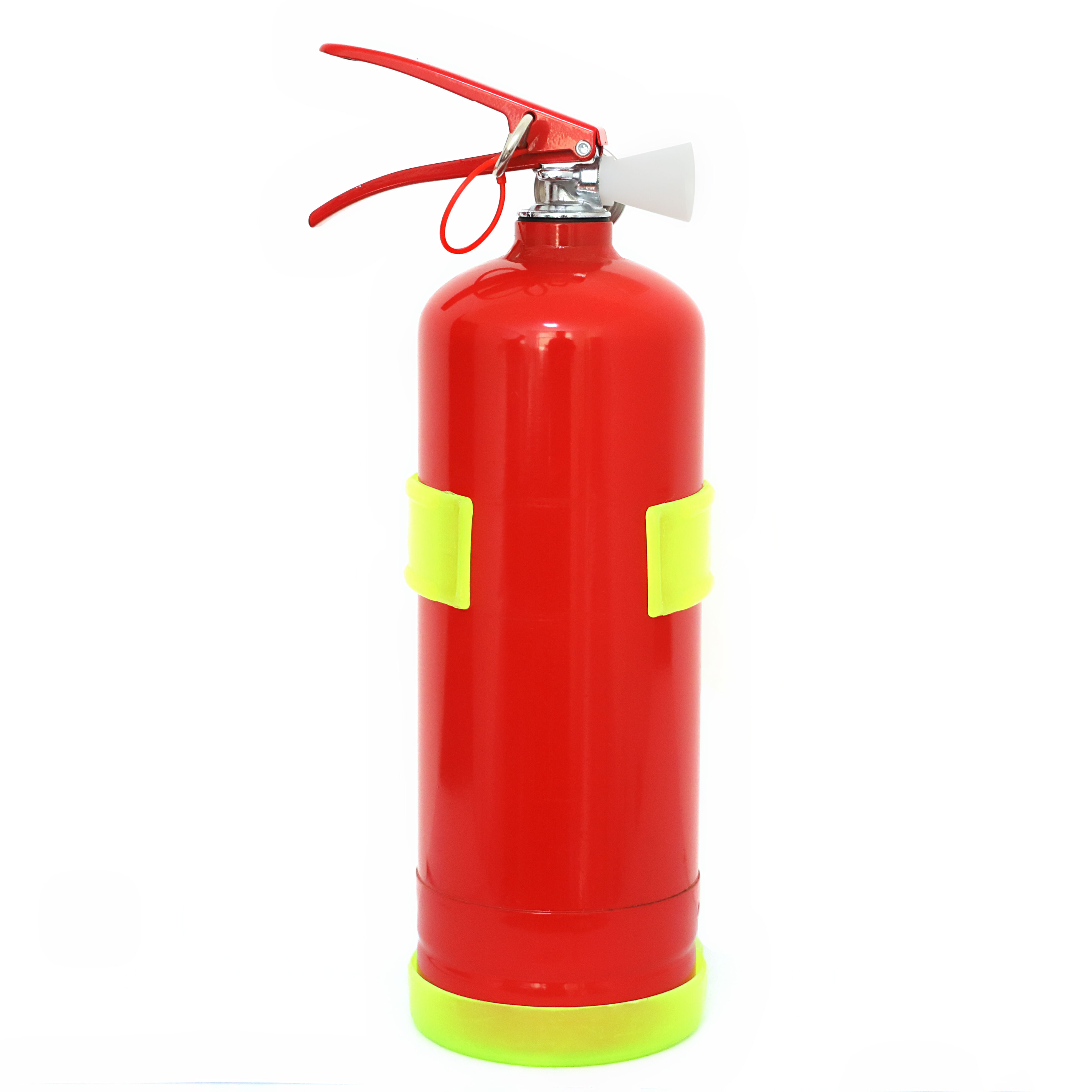
A fire extinguisher serves as your first line of defense against unexpected blazes, making proper maintenance absolutely critical for both safety and legal compliance. Regular upkeep ensures your fire extinguisher functions reliably when seconds count, potentially saving lives and protecting valuable property. Understanding the fundamental principles of fire extinguisher maintenance empowers building owners, facility managers, and safety professionals to implement comprehensive care protocols that extend equipment lifespan while maintaining peak performance standards.
Essential Visual Inspection Techniques
Monthly Exterior Examination
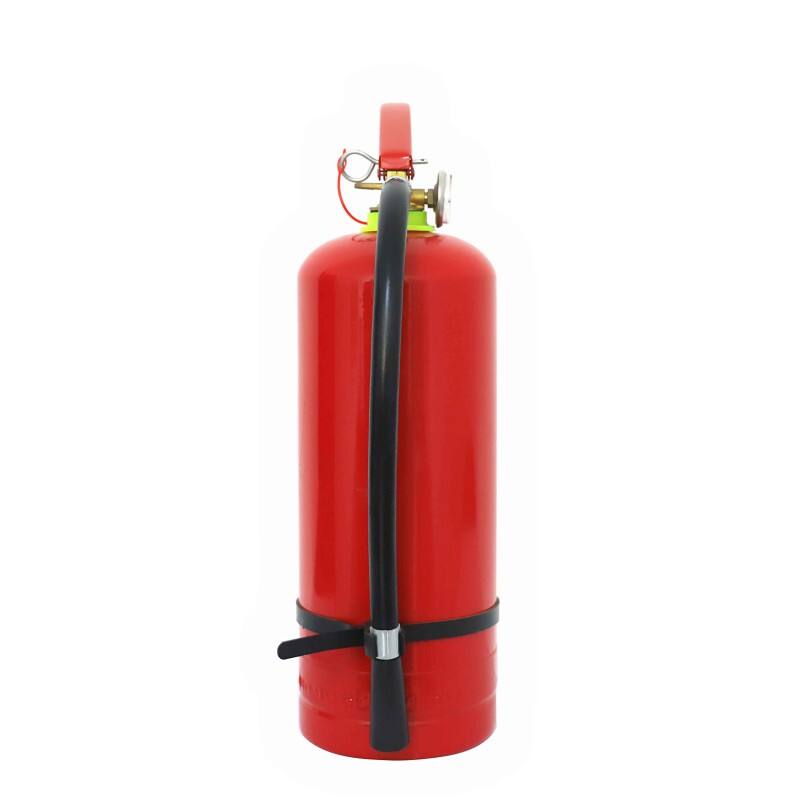
Conducting thorough monthly visual inspections represents the foundation of effective fire extinguisher maintenance programs. Begin by examining the exterior shell for signs of corrosion, dents, or damage that could compromise structural integrity. Check the safety pin and tamper seal to ensure they remain intact and properly positioned. The pressure gauge should indicate readings within the green zone, signaling adequate internal pressure levels.
Document each inspection with detailed records including dates, findings, and any corrective actions taken. Pay particular attention to the discharge nozzle and hose assembly, ensuring no blockages or visible deterioration exist. A properly maintained fire extinguisher displays clear, legible instruction labels without fading or damage that could impair emergency operation.
Location Accessibility Assessment
Verify that your fire extinguisher remains easily accessible and unobstructed at all times. Remove any stored materials, equipment, or debris that could impede quick access during emergencies. The mounting bracket should secure the unit firmly while allowing easy removal when needed. Adequate lighting around the fire extinguisher location ensures visibility during high-stress situations.
Evaluate the visibility of location signage and consider upgrading to illuminated or photoluminescent markers where appropriate. The path to each fire extinguisher should remain clear and well-marked, with no trip hazards or obstacles that could delay response times during critical moments.
Professional Service Requirements
Annual Professional Maintenance
Schedule comprehensive annual maintenance with certified fire protection professionals who possess specialized knowledge and proper testing equipment. These experts perform internal inspections, pressure testing, and component replacements that exceed basic visual assessments. Professional maintenance includes detailed examination of internal mechanisms, refilling or replacing extinguishing agents, and updating service tags with current dates.
Certified technicians identify potential issues before they compromise fire extinguisher performance, ensuring compliance with NFPA standards and local regulations. Professional service records provide essential documentation for insurance claims and regulatory inspections while maintaining warranty coverage on your fire safety equipment.
Hydrostatic Testing Protocols
Understanding hydrostatic testing requirements ensures your fire extinguisher meets mandatory safety standards throughout its operational lifespan. Most portable fire extinguishers require hydrostatic testing every five to twelve years, depending on the specific type and manufacturer specifications. This process involves pressurizing the cylinder beyond normal operating levels to verify structural integrity.
Only qualified testing facilities should perform hydrostatic testing using calibrated equipment and proper safety procedures. Failed testing results in immediate fire extinguisher retirement and replacement, while successful testing extends the unit's certified service life and maintains compliance with safety regulations.
Storage Environment Optimization
Temperature and Humidity Control
Maintaining optimal storage conditions significantly impacts fire extinguisher longevity and reliability. Extreme temperatures can affect internal pressure levels and compromise the effectiveness of extinguishing agents. Store your fire extinguisher in locations where temperatures remain between 40°F and 120°F to prevent freezing or excessive heat exposure.
High humidity environments accelerate corrosion processes that weaken cylinder walls and damage internal components. Consider installing dehumidification systems in storage areas prone to moisture accumulation, particularly in coastal regions or basement locations. Proper ventilation prevents condensation buildup while maintaining stable environmental conditions year-round.
Protection from Environmental Hazards
Shield your fire extinguisher from direct sunlight, chemical vapors, and vibrating machinery that could compromise performance over time. Ultraviolet radiation degrades plastic components and fades important safety labels, while chemical exposure may corrode metal surfaces or contaminate extinguishing agents. Excessive vibration can loosen connections and affect internal pressure systems.
Install protective cabinets or covers in harsh environments while ensuring continued accessibility for emergency use. These protective measures extend equipment lifespan while maintaining the reliability of your Fire Extinguisher investment and ensuring optimal performance when needed most.
Record Keeping and Documentation
Maintenance Log Management
Establish comprehensive record-keeping systems that track all fire extinguisher maintenance activities, inspections, and service events. Detailed documentation provides crucial evidence of compliance with safety regulations while identifying patterns or recurring issues that require attention. Include dates, inspector names, findings, and corrective actions in each maintenance entry.
Digital record systems offer advantages including automatic reminders, searchable databases, and backup capabilities that protect against data loss. Regular audits of maintenance logs ensure accuracy and completeness while supporting continuous improvement initiatives in fire safety management programs.
Compliance Documentation
Maintain current copies of all relevant fire extinguisher certifications, test reports, and regulatory compliance documents in easily accessible formats. These records support insurance claims, regulatory inspections, and legal proceedings while demonstrating due diligence in fire safety management. Update documentation immediately following any service activities or equipment replacements.
Create redundant storage systems for critical documentation, including both physical and digital copies stored in separate locations. This approach ensures essential records remain available even during emergencies or system failures that could compromise primary storage systems.
Training and Education Programs
Staff Fire Extinguisher Training
Implement comprehensive training programs that educate staff members about proper fire extinguisher operation, maintenance basics, and emergency response procedures. Regular training sessions ensure personnel understand their roles in fire safety protocols while building confidence in equipment operation during high-stress situations. Include hands-on practice with actual fire extinguisher units to reinforce learning objectives.
Update training materials regularly to reflect current best practices, equipment changes, and regulatory requirements. Document all training activities and maintain individual training records that demonstrate ongoing competency development and compliance with workplace safety standards.
Emergency Response Coordination
Coordinate fire extinguisher training with broader emergency response planning to ensure seamless integration during actual incidents. Practice scenarios help identify potential issues with equipment access, communication protocols, and evacuation procedures. Regular drills reinforce proper techniques while revealing opportunities for system improvements.
Establish clear chains of command and communication procedures that support effective fire extinguisher deployment while ensuring personnel safety remains the top priority. These coordination efforts maximize the effectiveness of your fire safety investments while minimizing risks to human life and property.
Cost-Effective Maintenance Strategies
Preventive Maintenance Planning
Develop systematic preventive maintenance schedules that address fire extinguisher needs before problems develop into costly repairs or replacements. Proactive maintenance reduces long-term costs while ensuring consistent equipment reliability and regulatory compliance. Schedule activities during low-activity periods to minimize operational disruptions.
Consider service contracts with qualified providers that offer predictable costs and guaranteed response times for maintenance activities. These agreements often include discounted rates for multiple units while ensuring consistent service quality from certified technicians.
Equipment Lifecycle Management
Implement strategic equipment replacement programs that balance cost considerations with safety requirements and performance standards. Track fire extinguisher ages, service histories, and performance trends to identify optimal replacement timing. Strategic planning prevents emergency replacements that often carry premium costs and limited vendor options.
Evaluate newer fire extinguisher technologies that offer improved performance, reduced maintenance requirements, or enhanced user safety features. Modern advancements may justify early replacement in certain applications while providing long-term operational benefits and cost savings.
FAQ
How often should I inspect my fire extinguisher
Fire extinguisher inspections should occur monthly for basic visual checks and annually for comprehensive professional maintenance. Monthly inspections involve checking pressure gauges, examining exterior conditions, and verifying accessibility. Annual professional service includes internal component inspection, pressure testing, and agent replacement as needed. Additional inspections may be required following any discharge, damage, or environmental exposure that could affect performance.
What are the signs that my fire extinguisher needs replacement
Replace your fire extinguisher immediately if you notice significant corrosion, dents, damaged discharge components, or pressure gauge readings outside acceptable ranges. Failed hydrostatic testing, expired service life limits, or compromised safety seals also require immediate replacement. Any fire extinguisher that has been discharged, even partially, must be professionally serviced or replaced before returning to service, as reduced agent levels compromise effectiveness during emergencies.
Can I perform fire extinguisher maintenance myself
While you can conduct basic monthly visual inspections, professional maintenance and internal servicing should only be performed by certified technicians with proper training and equipment. DIY maintenance attempts may void warranties, violate safety regulations, and create liability issues. Professional service ensures compliance with NFPA standards while maintaining optimal fire extinguisher performance and reliability when emergencies occur.
How much does professional fire extinguisher maintenance cost
Professional fire extinguisher maintenance typically costs between $15 to $50 per unit annually, depending on the type, size, and local service rates. Service contracts for multiple units often provide discounted pricing while ensuring consistent maintenance scheduling. Hydrostatic testing adds additional costs every five to twelve years, ranging from $25 to $75 per unit. These maintenance investments are minimal compared to potential fire damage costs and ensure reliable protection for your property and personnel.

