
 EN
EN
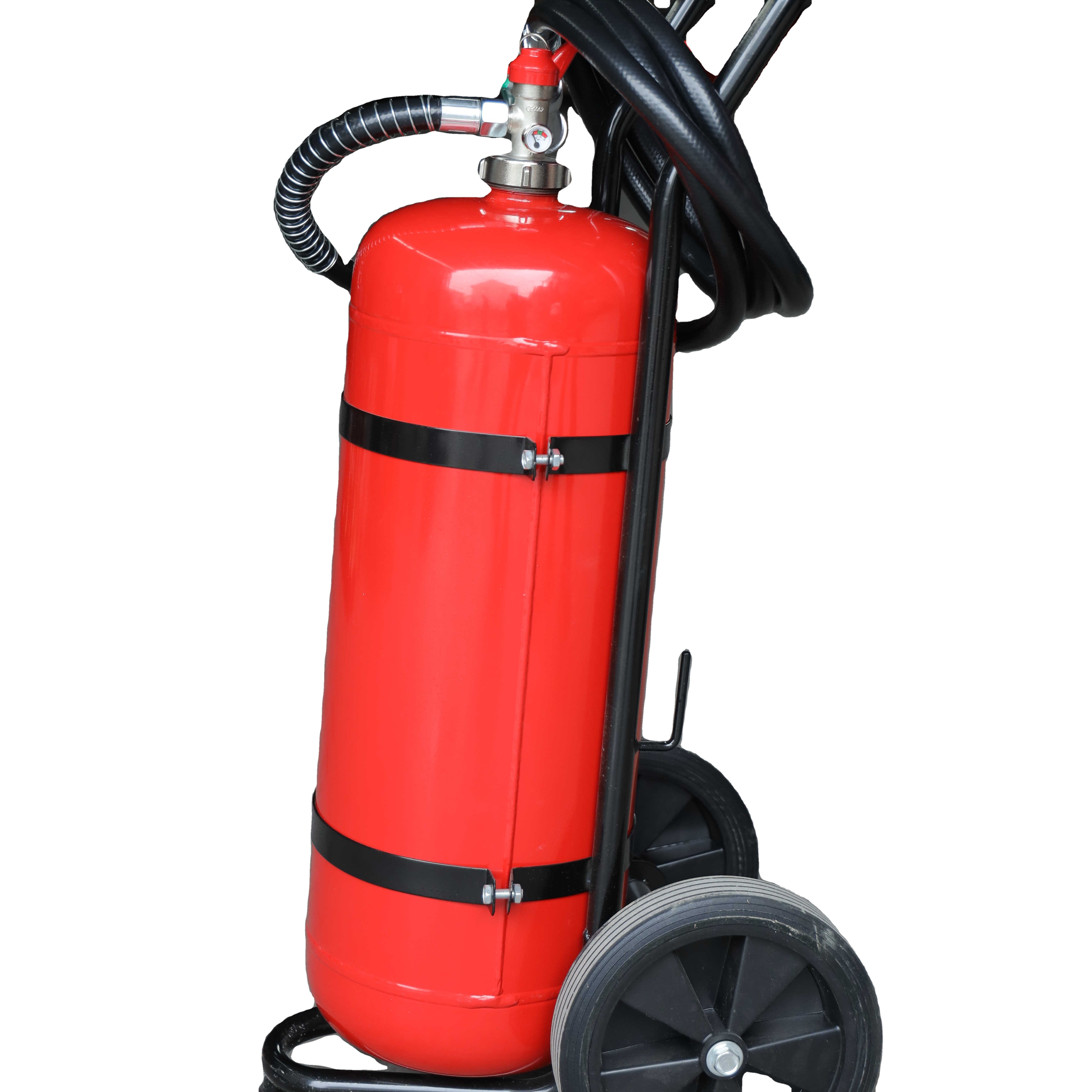
Understanding fire extinguisher ratings is crucial for selecting the right fire safety equipment for your workplace or facility. These alphanumeric codes on every fire extinguisher provide essential information about the types of fires each unit can effectively combat and the size of fire it can handle. Without proper knowledge of these ratings, you might choose the wrong fire extinguisher for your specific needs, potentially putting lives and property at risk during an emergency situation.
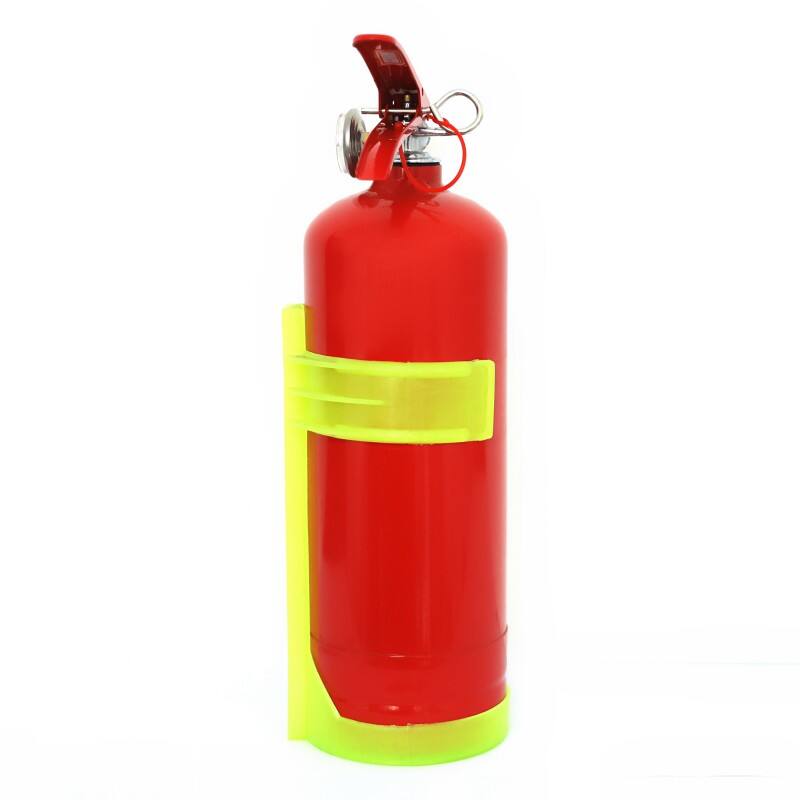
Fire extinguisher ratings follow a standardized system that helps users identify the appropriate unit for different fire scenarios. This rating system combines letters and numbers to indicate both the fire class compatibility and the extinguishing capacity of each device. The letter component identifies the type of combustible materials the fire extinguisher can safely and effectively suppress, while the numerical rating indicates the relative size of fire the unit can handle compared to other extinguishers in the same class.
Professional fire safety experts rely on these ratings to design comprehensive fire protection systems for industrial facilities, commercial buildings, and residential properties. Each fire extinguisher must display its rating prominently on the label, ensuring that anyone can quickly identify the correct unit during an emergency. Understanding these ratings enables facility managers to strategically place appropriate fire extinguishers throughout their buildings, creating multiple layers of fire protection that comply with local fire codes and safety regulations.
Fire Classification System Overview
Class A Fire Extinguisher Applications
Class A fires involve ordinary combustible materials such as wood, paper, fabric, plastic, and rubber materials commonly found in offices, warehouses, and residential settings. A fire extinguisher rated for Class A fires uses water, foam, or dry chemical agents to cool the burning material below its ignition temperature and create a barrier between the fuel and oxygen. These extinguishers are essential in environments where solid combustible materials are prevalent, making them the most commonly deployed fire suppression devices in commercial buildings and homes.
The numerical rating for Class A fire extinguishers ranges from 1-A to 40-A, with higher numbers indicating greater extinguishing capacity. For example, a 2-A rated fire extinguisher can handle twice the fire size of a 1-A unit, while a 4-A unit can suppress four times the fire size of the baseline 1-A extinguisher. This scaling system helps facility managers calculate the total fire extinguisher coverage needed for their specific square footage and fire load requirements.
Class B Fire Extinguisher Specifications
Class B fires involve flammable liquids and gases including gasoline, oil, grease, paint, propane, and other petroleum-based products that require specialized suppression techniques. A fire extinguisher designed for Class B fires uses carbon dioxide, dry chemical, or foam agents that smother the flames by creating a barrier between the fuel surface and the surrounding oxygen. These extinguishers are critical in automotive facilities, laboratories, kitchens, and industrial plants where flammable liquids are stored or used in operations.
Class B fire extinguisher ratings use numbers ranging from 1-B to 640-B, representing the approximate square footage of flammable liquid fire that the unit can extinguish. A 10-B rated extinguisher can suppress approximately 10 square feet of flammable liquid fire, while a 20-B unit can handle roughly 20 square feet of liquid fuel fire. This rating system enables safety professionals to determine the appropriate number and size of fire extinguishers needed based on the potential flammable liquid hazards present in their facility.
Numerical Rating Significance
Class A Numerical Calculations
The numerical component of Class A fire extinguisher ratings represents the equivalent gallons of water that the unit can deliver in terms of extinguishing effectiveness. This standardized measurement allows fire safety professionals to compare different extinguishing agents and determine the appropriate coverage for specific areas. A 4-A rated fire extinguisher provides the same fire suppression capability as 5 gallons of water, while a 6-A unit equals 7.5 gallons of water in extinguishing power.
Understanding these numerical equivalencies helps facility managers optimize their fire protection budgets by selecting the most cost-effective fire extinguisher combinations for their coverage requirements. Larger facilities typically require multiple fire extinguishers with higher numerical ratings to ensure adequate protection throughout the building. The strategic placement of these units, combined with proper numerical rating calculations, creates overlapping coverage zones that maximize fire suppression effectiveness while minimizing equipment costs and maintenance requirements.
Class B Coverage Area Calculations
Class B fire extinguisher numerical ratings directly correlate to the square footage of flammable liquid fire that each unit can suppress under ideal testing conditions. These ratings are determined through standardized laboratory tests using controlled fires in square pans filled with heptane or similar test fuels. A fire extinguisher with a 40-B rating can extinguish a flammable liquid fire covering approximately 40 square feet, providing clear guidance for safety professionals designing fire protection systems.
Real-world fire scenarios may differ from laboratory testing conditions, so safety experts typically recommend oversizing fire extinguisher capacity to account for variables such as wind, ambient temperature, and fuel depth. Industrial facilities with significant flammable liquid hazards often install multiple high-capacity fire extinguishers with ratings of 80-B or higher to ensure rapid suppression of potential spill fires. These calculations form the foundation for comprehensive fire safety planning that protects both personnel and valuable equipment from liquid fuel fire hazards.
Multi-Class Fire Extinguisher Systems
ABC Combination Units
ABC rated fire extinguishers provide versatile fire suppression capability by combining effectiveness against Class A, Class B, and Class C fires in a single unit. These multi-purpose extinguishers contain dry chemical agents, typically monoammonium phosphate, that can suppress ordinary combustibles, flammable liquids, and electrical fires safely and effectively. ABC fire extinguishers have become the preferred choice for many commercial and industrial applications due to their broad spectrum coverage and simplified maintenance requirements.
The rating system for ABC fire extinguishers combines the numerical ratings for each fire class, such as 3-A:40-B:C, indicating the unit can handle 3-A worth of ordinary combustibles and 40 square feet of flammable liquid fire while being safe for energized electrical equipment. This combination rating system allows facility managers to reduce the total number of fire extinguishers required while maintaining comprehensive fire protection coverage. However, specialized applications may still require dedicated single-class extinguishers for optimal performance in specific fire scenarios.
Specialized Multi-Class Applications
Certain industrial environments require fire extinguishers with specialized multi-class ratings tailored to unique fire hazards present in their operations. For example, computer server rooms and data centers often use clean agent fire extinguishers rated for Class A and Class C fires, providing effective suppression without leaving residue that could damage sensitive electronic equipment. These specialized units may carry ratings such as 2-A:C, indicating their capability against ordinary combustibles and electrical fires while avoiding the corrosive effects of dry chemical agents.
Marine and aviation applications frequently utilize fire extinguishers with specialized ratings designed for the unique challenges of mobile platforms and confined spaces. These fire extinguisher systems must meet stringent weight, size, and performance requirements while providing reliable suppression across multiple fire classes. The rating system for these specialized applications includes additional performance criteria beyond the standard letter and number designations, ensuring optimal fire protection in challenging operational environments.
Class C and Beyond Fire Classifications
Electrical Fire Suppression Requirements
Class C fires involve energized electrical equipment and require fire extinguishers that use non-conductive suppression agents to eliminate the risk of electrical shock to the operator. A fire extinguisher rated for Class C fires typically contains carbon dioxide or dry chemical agents that do not conduct electricity, allowing safe operation around live electrical circuits and equipment. These extinguishers are essential in electrical rooms, computer facilities, and industrial plants where electrical fires pose significant hazards to both personnel and critical systems.
Class C fire extinguisher ratings do not include numerical components because the extinguishing effectiveness depends primarily on the electrical isolation and cooling effects rather than coverage area calculations. Once electrical power is disconnected, Class C fires typically become Class A fires involving the solid combustible materials in electrical components such as insulation, wire jackets, and plastic housings. Fire safety professionals must consider both the electrical hazards and the potential for secondary Class A fires when selecting appropriate fire extinguisher ratings for electrical environments.
Class D and K Specialized Categories
Class D fires involve combustible metals such as magnesium, titanium, sodium, and lithium that require specialized dry powder suppression agents designed specifically for metal fire scenarios. These fire extinguishers carry unique ratings that indicate their effectiveness against specific metal types rather than using the standard numerical system applied to other fire classes. Industrial facilities that machine, weld, or process combustible metals must install Class D fire extinguishers with appropriate ratings for the specific metals present in their operations.
Class K fires involve cooking oils and fats found in commercial kitchen environments, requiring specialized wet chemical suppression systems that can effectively suppress and prevent re-ignition of these high-temperature liquid fuels. Class K fire extinguisher ratings focus on the volume of cooking oil or fat that each unit can suppress, with ratings typically ranging from small portable units suitable for food trucks to large fixed systems protecting commercial restaurant ventilation hoods. These specialized ratings ensure that kitchen fire protection systems can handle the unique challenges of high-temperature cooking fires that may exceed 700 degrees Fahrenheit.
Selection and Placement Guidelines
Facility Assessment and Rating Requirements
Proper fire extinguisher selection begins with a comprehensive assessment of the facility's fire hazards, including the types of combustible materials present, the potential fire sizes, and the accessibility requirements for emergency response. Fire safety professionals evaluate each area of the building to determine the appropriate fire extinguisher ratings needed to provide adequate protection based on the specific fire risks and local fire codes. This assessment process considers factors such as occupancy type, storage materials, manufacturing processes, and the presence of flammable liquids or electrical equipment.
The total fire extinguisher rating requirements for a facility depend on the square footage, fire load, and hazard classification assigned by local fire authorities. Light hazard occupancies such as offices typically require lower total ratings distributed throughout the building, while high hazard industrial facilities need significantly higher ratings concentrated near areas with elevated fire risks. Facility managers must document their fire extinguisher rating calculations and placement decisions to demonstrate compliance with applicable fire codes during inspections and insurance audits.
Strategic Placement and Coverage Optimization
Effective fire extinguisher placement requires strategic positioning to ensure that appropriate ratings are available within the maximum travel distances specified by fire codes, typically 75 feet for Class A fires and 50 feet for Class B fires. Fire safety experts recommend placing higher-rated fire extinguishers in areas with greater fire potential, such as near storage areas, electrical panels, or equipment that generates heat during operation. This strategic approach maximizes the effectiveness of the fire protection system while minimizing the total number of units required.
Modern fire protection design increasingly incorporates fire extinguisher ratings into comprehensive safety systems that include automatic sprinklers, smoke detection, and alarm systems. The fire extinguisher ratings serve as backup protection for areas where automatic systems may be insufficient or where manual intervention is necessary for optimal fire suppression. Facility managers should regularly review and update their fire extinguisher ratings and placement as building uses change or new fire hazards are introduced through renovations or operational modifications.
Maintenance and Inspection Standards
Rating Verification and Testing Procedures
Fire extinguisher ratings remain valid only when the units are properly maintained according to manufacturer specifications and applicable fire codes. Monthly visual inspections should verify that fire extinguisher rating labels remain legible and that the units have not been damaged or discharged since the last inspection. Annual professional maintenance includes pressure testing, agent verification, and rating confirmation to ensure that each fire extinguisher continues to meet its specified performance standards throughout its service life.
Hydrostatic testing requirements for fire extinguishers vary based on the agent type and construction materials, with most units requiring pressure testing every 5 to 12 years depending on the specific rating and manufacturer specifications. These tests verify that the fire extinguisher container can safely contain the required pressure to deliver the rated discharge performance. Facilities must maintain detailed records of all maintenance activities, including rating verification, to demonstrate ongoing compliance with fire safety regulations and insurance requirements.
Rating Updates and Replacement Considerations
Fire extinguisher ratings may require updates when facility uses change or when new fire codes are adopted that affect the minimum rating requirements for specific occupancies. Facility managers should conduct annual reviews of their fire extinguisher ratings to ensure continued compliance with current regulations and optimal protection for their specific fire hazards. Technological advances in fire suppression agents may also provide opportunities to upgrade to more effective fire extinguisher ratings without increasing unit size or weight.
Replacement planning should consider the long-term costs of maintaining specific fire extinguisher ratings versus upgrading to newer units with improved performance characteristics. Modern fire extinguishers often provide higher ratings in smaller, lighter packages that reduce installation and maintenance costs while improving user accessibility during emergencies. Strategic replacement programs can optimize fire protection effectiveness while controlling long-term operational expenses through improved fire extinguisher rating efficiency and reduced maintenance requirements.
FAQ
What does the number in a fire extinguisher rating represent
The number in a fire extinguisher rating indicates the relative size of fire that the unit can effectively suppress compared to other extinguishers in the same class. For Class A fires, the number represents the equivalent gallons of water in extinguishing power, while for Class B fires, it indicates the approximate square footage of flammable liquid fire that can be suppressed. Higher numbers mean greater fire suppression capacity and ability to handle larger fires.
Can I use a fire extinguisher on a fire type not listed in its rating
Using a fire extinguisher on fire types not included in its rating can be dangerous and ineffective. For example, using a water-based Class A fire extinguisher on electrical fires creates electrocution risks, while using it on flammable liquid fires can spread the burning liquid. Always match the fire extinguisher rating to the specific fire type, and when in doubt, evacuate the area and call professional firefighters rather than risk using inappropriate suppression methods.
How do I determine what fire extinguisher rating I need for my facility
Determining appropriate fire extinguisher ratings requires assessing your facility's specific fire hazards, square footage, and local fire code requirements. Consider the types of combustible materials present, potential fire sizes, and maximum travel distances to extinguishers. Consult with fire protection professionals or your local fire department to conduct a comprehensive fire risk assessment and ensure your fire extinguisher ratings meet all applicable codes and provide adequate protection for your specific situation.
Do fire extinguisher ratings expire or change over time
Fire extinguisher ratings themselves do not expire, but the unit's ability to achieve its rated performance depends on proper maintenance and the condition of the suppression agent and components. Regular inspections, maintenance, and hydrostatic testing ensure that fire extinguishers continue to meet their rated specifications throughout their service life. However, changes in building use, fire codes, or fire hazards may require updates to the fire extinguisher ratings needed for adequate protection.

