
 EN
EN
Fire extinguisher maintenance represents a critical aspect of building safety protocols, yet many property owners and safety managers overlook the fundamental importance of understanding their equipment's operational status. The pressure gauge serves as the primary indicator of a fire extinguisher's readiness, providing essential information about internal pressure levels that determine whether the unit will function effectively during an emergency. When examining any portable fire suppression system, the pressure gauge displays color-coded zones that communicate vital operational data to users, with the green zone indicating optimal pressure ranges for reliable performance.
Understanding the significance of pressure gauge readings extends beyond basic compliance requirements and directly impacts emergency response effectiveness. Fire extinguishers rely on internal pressure to expel their suppression agents, whether water, foam, dry chemical, or carbon dioxide. Without adequate pressure, even the most sophisticated fire suppression agent becomes ineffective, potentially resulting in catastrophic property damage or loss of life. The pressure gauge functions as a diagnostic tool that enables proactive maintenance and ensures regulatory compliance across various industries and applications.
Professional fire safety systems incorporate multiple monitoring mechanisms, but the pressure gauge remains the most accessible and immediate indicator of system readiness. Building codes and safety regulations mandate regular pressure gauge inspections as part of comprehensive fire prevention strategies. These requirements reflect decades of research and real-world experience demonstrating the correlation between proper pressure maintenance and successful fire suppression outcomes. Modern facilities depend on reliable pressure monitoring to maintain operational continuity and protect valuable assets from fire-related losses.
Understanding Fire Extinguisher Pressure Systems
Internal Pressure Mechanics
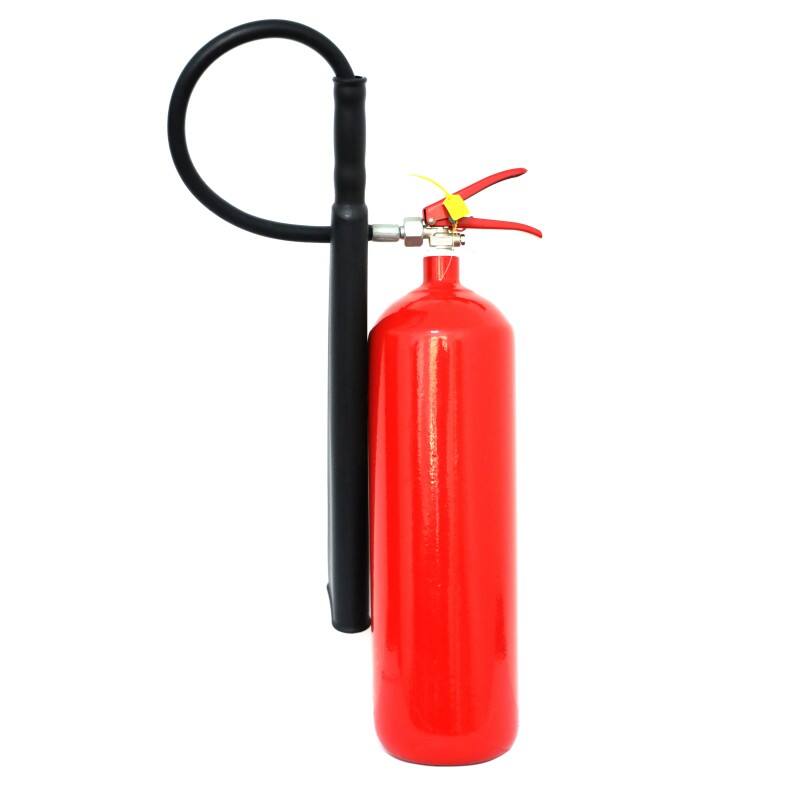
Fire extinguisher pressure systems operate on fundamental principles of fluid dynamics and thermodynamics, utilizing stored pressure to create the driving force necessary for agent discharge. The internal pressure vessel contains either compressed gas or liquid under pressure, depending on the extinguisher type and suppression agent utilized. Dry chemical extinguishers typically employ nitrogen gas as the pressurizing medium, while carbon dioxide units contain liquid CO2 under high pressure that vaporizes upon discharge.
The pressure gauge measures this internal force against atmospheric pressure, displaying the differential as gauge pressure rather than absolute pressure. This measurement approach provides operators with practical information about the extinguisher's ability to function effectively under normal operating conditions. When internal pressure drops below optimal levels, the driving force diminishes, resulting in reduced discharge velocity, shortened throw distance, and potentially inadequate agent distribution over the fire area.
Temperature variations significantly impact internal pressure readings, as gases and liquids expand and contract based on ambient conditions. Professional installations account for these thermal effects by establishing pressure ranges that accommodate normal temperature fluctuations while maintaining adequate margins for effective operation. The pressure gauge design incorporates compensation mechanisms to provide accurate readings across typical operational temperature ranges encountered in various applications.
Gauge Construction and Components
Modern fire extinguisher pressure gauges incorporate precision-engineered components designed to withstand harsh environmental conditions while providing reliable pressure measurements over extended service periods. The gauge mechanism typically consists of a bourdon tube or diaphragm sensor that converts pressure force into mechanical movement, which translates through linkages to position the indicating needle on the calibrated dial face.
Quality pressure gauge construction utilizes corrosion-resistant materials such as brass, stainless steel, or specialized alloys that maintain accuracy and reliability in diverse environmental conditions. The dial face features color-coded zones that provide immediate visual indication of pressure status, eliminating the need for numerical interpretation during emergency situations. Professional-grade gauges undergo rigorous testing and calibration procedures to ensure measurement accuracy within specified tolerance ranges.
Sealing systems prevent moisture infiltration and contamination that could compromise gauge accuracy or readability over time. Advanced pressure gauge designs incorporate shock-resistant features and glycerin-filled cases that dampen vibration effects and enhance measurement stability. These construction features prove particularly important in industrial environments where equipment experiences mechanical shock, temperature extremes, or chemical exposure that could affect gauge performance and longevity.
Decoding the Green Zone
Pressure Range Specifications
The green zone on a fire extinguisher pressure gauge represents the manufacturer-specified optimal operating pressure range that ensures reliable discharge performance and adequate suppression agent delivery. This range typically spans a narrow band of pressures that account for normal temperature variations while maintaining sufficient margin above minimum operating pressure. For most dry chemical extinguishers, the green zone corresponds to pressures between 175 and 195 pounds per square inch gauge, though specific values vary based on extinguisher size, agent type, and manufacturer specifications.
Regulatory standards establish minimum pressure requirements for various extinguisher classifications, but manufacturers often specify tighter tolerances to ensure consistent performance across diverse operating conditions. The green zone upper limit prevents over-pressurization that could stress system components or create safety hazards during operation. Conversely, the lower green zone boundary ensures adequate pressure remains available for effective discharge even under adverse conditions such as temperature fluctuations or minor system leakage.
Professional fire suppression systems require pressure gauge accuracy within plus or minus two percent of full scale to meet industry standards. This precision enables facility managers to make informed decisions about maintenance scheduling and equipment replacement based on reliable pressure measurements. Understanding the specific green zone parameters for each extinguisher type allows maintenance personnel to optimize inspection procedures and identify potential issues before they compromise system effectiveness.
Temperature Impact on Readings
Temperature fluctuations significantly influence pressure gauge readings due to the relationship between gas temperature and pressure described by fundamental thermodynamic principles. As ambient temperature increases, the pressurizing gas expands, resulting in higher gauge readings even without changes in the actual amount of gas present. Conversely, cooling temperatures cause gas contraction and corresponding pressure decreases that may cause readings to fall below the green zone despite adequate pressurization.
Facility managers must account for seasonal temperature variations when evaluating pressure gauge readings and scheduling maintenance activities. Extinguishers located in areas subject to significant temperature swings, such as loading docks, warehouses, or outdoor installations, require more frequent monitoring to ensure pressure remains within acceptable ranges. The pressure gauge response to temperature changes provides valuable diagnostic information about system integrity and helps identify potential leakage issues that might otherwise go undetected.
Compensation techniques allow maintenance personnel to interpret pressure readings accurately across various temperature conditions. Some advanced installations incorporate temperature-compensated gauges that automatically adjust readings to account for thermal effects. However, standard gauges require manual compensation based on ambient temperature measurements and established correction factors specific to each extinguisher type and pressurizing agent used in the system.
Red and Yellow Zone Implications
Under-Pressure Conditions
When a fire extinguisher pressure gauge indicates readings in the yellow or red zones below the green range, the system experiences under-pressurization that compromises discharge performance and suppression effectiveness. Low pressure conditions typically result from gradual leakage through valve seals, fittings, or gauge connections that allow pressurizing gas to escape over time. Environmental factors such as temperature cycling, vibration, or chemical exposure can accelerate seal degradation and increase leakage rates beyond normal parameters.
Under-pressurized extinguishers exhibit reduced discharge velocity, shortened throw distance, and inadequate agent distribution patterns that limit their effectiveness in fire suppression applications. The pressure gauge reading in the yellow zone indicates marginal performance that may prove insufficient for larger fires or challenging suppression scenarios. Red zone readings typically signify pressure levels too low for reliable operation, requiring immediate attention and potential equipment replacement or recharging services.
Professional maintenance protocols establish specific response procedures for under-pressure conditions based on the severity of pressure loss and operational requirements. Minor pressure reductions within the yellow zone may warrant increased monitoring frequency and accelerated maintenance scheduling. Significant pressure loss indicated by red zone readings requires immediate removal from service and professional evaluation to determine whether recharging or replacement provides the most cost-effective solution.
Over-Pressure Scenarios
Over-pressurization occurs when internal pressure exceeds the upper green zone limit, typically resulting from excessive charging during maintenance operations or thermal expansion due to elevated ambient temperatures. The pressure gauge indicates over-pressure conditions through readings in designated zones above the normal operating range, often marked with different colors or warning symbols. While less common than under-pressure situations, over-pressurization presents safety hazards and potential equipment damage that require prompt corrective action.
Excessive internal pressure can stress system components beyond design limits, potentially causing premature failure of seals, valves, or pressure vessels. Over-pressurized extinguishers may discharge too forcefully, creating operator safety concerns and potentially dispersing suppression agents ineffectively due to excessive velocity or turbulence. The pressure gauge monitoring helps identify over-pressure conditions before they result in equipment failure or safety incidents.
Corrective procedures for over-pressure conditions involve controlled pressure relief through qualified service technicians using appropriate tools and safety procedures. Attempting to reduce pressure through unauthorized means can create serious safety hazards and may violate regulatory requirements or manufacturer warranties. Professional service ensures pressure reduction occurs safely while maintaining system integrity and compliance with applicable standards and regulations.
Maintenance and Inspection Protocols
Monthly Visual Checks
Effective fire extinguisher maintenance programs incorporate systematic monthly visual inspections that include comprehensive pressure gauge evaluations as a fundamental component of equipment reliability assurance. These routine checks enable early detection of pressure variations that might indicate developing problems before they compromise system performance. Qualified personnel perform visual inspections following established protocols that document gauge readings, physical condition, and any observed abnormalities for tracking trends and scheduling preventive maintenance.
Monthly inspection procedures require documentation of pressure gauge readings in relation to the green zone parameters, noting any readings that approach or exceed normal operating ranges. Inspectors evaluate gauge face clarity, needle movement, and overall physical condition to identify signs of damage, contamination, or wear that might affect accuracy. Environmental factors such as temperature, humidity, and potential chemical exposure receive consideration during these evaluations to ensure appropriate interpretation of gauge readings.
Record-keeping systems track pressure gauge readings over time, enabling facility managers to identify patterns or trends that might indicate gradual pressure loss, temperature sensitivity, or other performance issues. Digital documentation systems facilitate data analysis and help optimize maintenance scheduling based on actual equipment performance rather than arbitrary time intervals. These comprehensive records prove valuable for regulatory compliance, insurance requirements, and equipment lifecycle management decisions.
Annual Professional Service
Professional annual maintenance services provide comprehensive evaluation and servicing of fire extinguisher pressure systems, including detailed pressure gauge calibration, accuracy verification, and replacement when necessary. Certified service technicians possess specialized training, equipment, and expertise required to perform thorough system evaluations that exceed the scope of routine visual inspections. These services ensure continued reliability and regulatory compliance while extending equipment service life through proactive maintenance practices.
Annual service procedures include internal inspection of extinguisher components, agent quality evaluation, valve operation testing, and pressure gauge accuracy verification using calibrated reference standards. Service technicians identify potential issues that might not be apparent during visual inspections, such as internal corrosion, agent contamination, or component wear that could affect future performance. Professional maintenance ensures pressure gauge readings accurately reflect actual system conditions and provide reliable operational status information.
Documentation from annual professional service includes detailed reports on system condition, pressure gauge accuracy, recommended repairs or replacements, and compliance with applicable standards and regulations. These comprehensive evaluations provide facility managers with essential information for budgeting, planning, and risk management decisions. Professional service relationships often include emergency support, technical consultation, and ongoing training to help facility staff optimize their fire protection systems.
Industry Standards and Compliance
NFPA Requirements
The National Fire Protection Association establishes comprehensive standards governing fire extinguisher pressure gauge requirements, inspection procedures, and maintenance protocols through NFPA 10, the Standard for Portable Fire Extinguishers. These requirements specify pressure gauge accuracy tolerances, calibration procedures, and documentation requirements that ensure consistent performance across various applications and installations. Compliance with NFPA standards provides legal protection, insurance benefits, and demonstrated commitment to fire safety best practices.
NFPA standards require pressure gauge readings within specified ranges for different extinguisher types and applications, with detailed procedures for addressing out-of-range conditions. The standards establish minimum inspection frequencies, documentation requirements, and service provider qualifications that ensure systematic maintenance approaches. Professional fire protection systems must demonstrate compliance through comprehensive record-keeping and regular third-party evaluations to maintain regulatory approval and insurance coverage.
Recent updates to NFPA standards reflect advances in pressure gauge technology, improved understanding of system performance factors, and enhanced safety requirements based on field experience and research findings. Facility managers must stay current with standard revisions and ensure their maintenance programs incorporate the latest requirements and best practices. Professional service providers offer valuable assistance in maintaining compliance while optimizing system performance and cost-effectiveness.
Local Jurisdiction Variations
Local building codes and fire safety regulations may establish additional requirements beyond national standards, creating variations in pressure gauge specifications, inspection procedures, and documentation requirements across different jurisdictions. These local variations often reflect specific environmental conditions, occupancy types, or hazard profiles that require enhanced fire protection measures. Facility managers must understand applicable local requirements and ensure their pressure gauge maintenance programs meet or exceed all relevant standards.
Some jurisdictions require more frequent inspections, enhanced documentation, or specialized service provider qualifications that exceed national standard requirements. Others may specify particular pressure gauge types, accuracy levels, or calibration procedures based on local experience or specific hazard assessments. Understanding these variations ensures compliance while avoiding unnecessary costs or service disruptions that might result from inadequate preparation or planning.
Professional fire protection service providers typically maintain expertise in local jurisdiction requirements and help facility managers navigate complex regulatory landscapes. These relationships provide valuable support for compliance planning, inspection scheduling, and documentation management while ensuring cost-effective maintenance approaches. Regular consultation with local authorities helps identify regulatory changes or emerging requirements that might affect pressure gauge maintenance programs.
Troubleshooting Common Issues
Gauge Reading Fluctuations
Pressure gauge reading fluctuations can indicate various system issues ranging from minor calibration drift to significant mechanical problems that require immediate attention. Gradual reading changes over time typically suggest slow pressure loss through seal deterioration, fitting looseness, or microscopic valve leakage that allows pressurizing gas to escape. Rapid or erratic gauge movements may indicate internal gauge mechanism problems, contamination, or environmental factors affecting measurement accuracy.
Temperature-related fluctuations represent normal system behavior, but excessive sensitivity to temperature changes might indicate low gas volume due to partial pressure loss or system contamination. Professional diagnostic procedures help distinguish between normal thermal effects and actual system problems requiring corrective action. Baseline establishment through systematic monitoring enables detection of abnormal patterns that warrant further investigation or immediate maintenance intervention.
Corrective procedures for reading fluctuations depend on the underlying cause and severity of observed variations. Minor calibration adjustments may resolve gauge accuracy issues, while significant mechanical problems typically require gauge replacement or system overhaul. Professional evaluation provides definitive diagnosis and cost-effective repair recommendations based on equipment condition, age, and operational requirements.
Physical Damage Assessment
Physical damage to fire extinguisher pressure gauges can result from impact, vibration, chemical exposure, or environmental conditions that affect measurement accuracy and reliability. Visible damage such as cracked faces, bent needles, or case deformation clearly indicates the need for immediate gauge replacement to ensure accurate pressure monitoring. However, internal damage may not be readily apparent through visual inspection, requiring functional testing or professional evaluation to identify performance degradation.
Impact damage often affects gauge accuracy even when external appearance suggests minimal harm, as internal mechanism alignment and calibration can be disrupted by shock forces. Chemical exposure may cause gradual deterioration of seals, lubricants, or metallic components that eventually compromises gauge performance and accuracy. Environmental factors such as extreme temperatures, humidity, or corrosive atmospheres can accelerate wear and reduce service life significantly below normal expectations.
Assessment procedures for suspected physical damage include accuracy verification using calibrated reference standards, functional testing under controlled conditions, and comparison with historical performance data. Professional evaluation provides definitive damage assessment and replacement recommendations based on actual performance rather than appearance alone. Proactive replacement of damaged gauges prevents potential system failures and ensures continued reliable pressure monitoring for critical fire protection applications.
FAQ
How often should I check my fire extinguisher pressure gauge
Fire extinguisher pressure gauges require monthly visual inspections as part of routine maintenance protocols established by NFPA standards and regulatory requirements. These monthly checks should document gauge readings, verify they remain within the green zone, and identify any physical damage or environmental factors that might affect accuracy. Additionally, professional annual inspections provide comprehensive evaluation and calibration verification to ensure continued reliability and compliance with applicable standards.
What should I do if the pressure gauge shows red zone readings
Red zone pressure gauge readings indicate critically low pressure that compromises extinguisher effectiveness and requires immediate removal from service. Contact qualified service personnel immediately to evaluate the system and determine whether recharging or replacement provides the most appropriate solution. Do not attempt to use an extinguisher with red zone pressure readings, as inadequate pressure may prevent proper discharge and effective fire suppression during emergency situations.
Can temperature changes cause pressure gauge readings to vary
Temperature fluctuations significantly impact pressure gauge readings due to thermal expansion and contraction of pressurizing gases within the extinguisher system. Normal seasonal temperature variations can cause gauge readings to move within or slightly outside the green zone without indicating actual system problems. However, excessive temperature sensitivity or readings that remain outside normal ranges despite moderate temperatures may indicate pressure loss or other system issues requiring professional evaluation and potential corrective action.
How accurate are fire extinguisher pressure gauges
Professional-grade fire extinguisher pressure gauges typically maintain accuracy within plus or minus two percent of full scale when properly calibrated and maintained according to manufacturer specifications. However, accuracy can degrade over time due to wear, environmental exposure, or physical damage that affects internal mechanisms. Annual calibration verification during professional maintenance ensures continued accuracy and identifies gauges requiring adjustment or replacement to maintain reliable pressure monitoring capabilities.

