
 EN
EN
Fire safety remains one of the most critical aspects of workplace and home protection, with dry powder extinguisher systems standing as the most versatile solution for multi-class fire emergencies. These powerful firefighting tools utilize specialized chemical agents to suppress flames across various fuel types, making them indispensable for industrial facilities, commercial buildings, and residential properties. Understanding the optimal applications for dry powder extinguisher systems can significantly enhance your fire safety preparedness and ensure compliance with international safety standards.
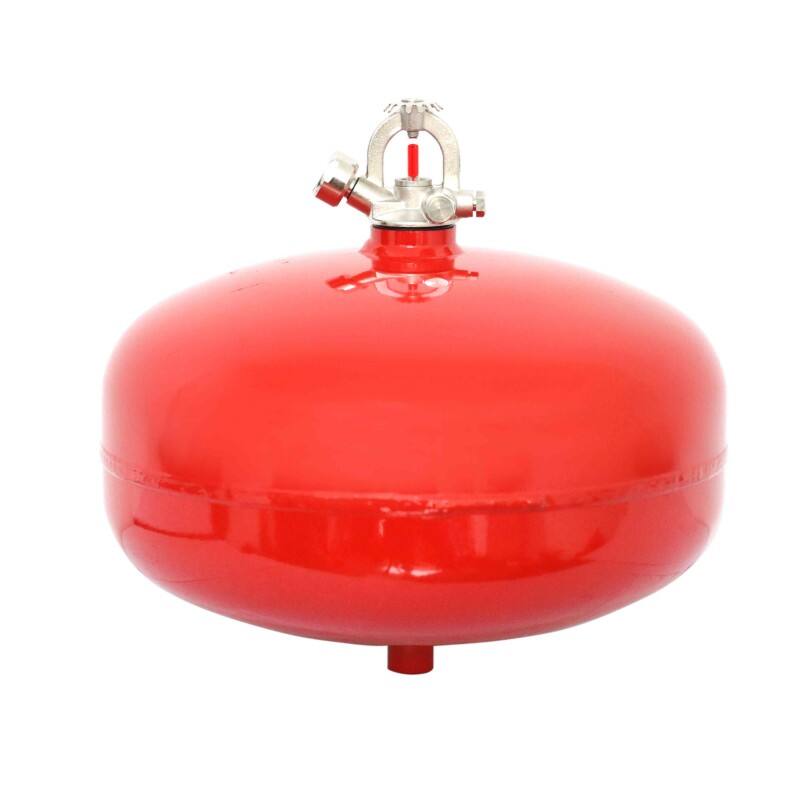
Understanding Dry Powder Fire Suppression Technology
Chemical Composition and Fire Suppression Mechanism
The effectiveness of a dry powder extinguisher stems from its specialized chemical formulation, typically containing monoammonium phosphate as the primary active ingredient. This yellow powder creates a barrier between the fuel source and oxygen, simultaneously cooling the combustion zone and preventing re-ignition. When discharged, the dry powder extinguisher releases a fine particle cloud that adheres to burning surfaces, forming a protective coating that suffocates flames and interrupts the chemical chain reaction of combustion.
Modern dry powder extinguisher systems incorporate flow additives and anti-caking agents to ensure consistent discharge performance under various environmental conditions. The powder remains chemically stable across temperature ranges from -40°C to +60°C, making these units suitable for diverse industrial applications. Advanced formulations also include silicone-based compounds that enhance the powder's spreading characteristics and improve its adherence to vertical surfaces during firefighting operations.
ABC Classification and Multi-Class Fire Protection
ABC dry powder extinguisher units earn their designation from their capability to suppress three distinct fire classes simultaneously. Class A fires involve ordinary combustibles like wood, paper, and textiles, where the dry powder extinguisher creates a cooling effect while forming an insulating barrier. Class B fires encompass flammable liquids such as gasoline, oil, and solvents, with the powder creating a vapor-suppressing blanket that prevents re-ignition of volatile vapors.
Class C electrical fires present unique challenges that dry powder extinguisher systems handle effectively due to their non-conductive properties. The powder safely extinguishes electrical equipment fires without creating shock hazards for operators or damaging sensitive electronic components. This tri-class capability makes the dry powder extinguisher an economical choice for facilities requiring comprehensive fire protection across multiple hazard categories without maintaining separate extinguisher types for each fire class.
Industrial and Manufacturing Applications
Heavy Machinery and Equipment Protection
Manufacturing facilities rely heavily on dry powder extinguisher systems to protect expensive machinery and production equipment from fire damage. These environments often contain hydraulic oils, electrical components, and combustible materials in close proximity, creating complex fire scenarios that require versatile suppression capabilities. The non-corrosive nature of modern dry powder extinguisher formulations ensures that sensitive equipment receives effective protection without sustaining chemical damage from the suppression agent.
Automotive manufacturing plants, steel mills, and chemical processing facilities frequently deploy strategically positioned dry powder extinguisher units throughout their operations. The rapid discharge capability allows workers to quickly suppress incipient fires before they spread to adjacent equipment or materials. Maintenance crews particularly value the dry powder extinguisher's ability to safely address fires involving both the mechanical and electrical components of complex manufacturing systems without requiring specialized training for different extinguisher types.
Warehouse and Storage Facility Applications
Large-scale storage operations benefit significantly from dry powder extinguisher installations due to their effectiveness against diverse stored materials. These facilities typically house combinations of paper products, plastics, textiles, and various liquid substances, creating multi-class fire risks that single-purpose extinguishers cannot adequately address. The extended discharge range of dry powder extinguisher systems allows operators to maintain safe distances while directing suppression efforts toward high-stacked inventory or hard-to-reach storage areas.
Distribution centers and logistics hubs implement comprehensive dry powder extinguisher coverage to protect valuable inventory and maintain operational continuity. The powder's ability to penetrate deep into stored materials helps prevent hidden fires from reigniting after initial suppression efforts. Additionally, the non-toxic nature of approved dry powder extinguisher agents minimizes contamination concerns for food products and pharmaceuticals stored in mixed-use warehouse environments.
Commercial Building and Office Environment Solutions
Multi-Tenant Building Fire Safety Systems
Commercial office buildings present unique fire safety challenges due to their diverse occupancy types and mixed-use nature, making dry powder extinguisher installations essential for comprehensive protection. These buildings typically house offices with electrical equipment, restaurants with cooking facilities, retail spaces with various merchandise, and mechanical rooms containing HVAC systems. The versatility of a dry powder extinguisher enables building managers to standardize their fire suppression equipment while ensuring adequate protection for all tenant types and building systems.
Property managers increasingly choose dry powder extinguisher systems for their cost-effectiveness and reduced training requirements for building maintenance staff. Unlike specialized suppression systems that require specific knowledge for different fire types, a single dry powder extinguisher training program equips personnel to handle the majority of fire emergencies they might encounter. This standardization significantly reduces liability risks and ensures consistent emergency response capabilities across all building areas and shift schedules.
Educational Institution Safety Programs
Schools, universities, and training facilities implement dry powder extinguisher systems to address the diverse fire risks present in educational environments. Chemistry laboratories, art studios, cafeterias, and computer centers each present distinct fire hazards that require flexible suppression capabilities. The dry powder extinguisher's ability to safely suppress electrical fires makes it particularly valuable in technology-rich educational environments where computers, projectors, and interactive whiteboards are prevalent throughout campus facilities.
Educational safety coordinators appreciate the dry powder extinguisher's role in comprehensive fire safety education programs. Students and staff can receive unified training on a single extinguisher type that addresses the majority of potential fire scenarios they might encounter. This educational approach builds confidence in emergency response procedures while reducing the complexity of safety protocols that busy academic environments must maintain.
Residential and Domestic Fire Protection
Home Kitchen and Garage Safety Applications
Residential dry powder extinguisher units provide homeowners with versatile protection for the most common domestic fire scenarios. Kitchen environments benefit from the powder's effectiveness against grease fires, electrical appliance malfunctions, and combustible material ignitions that frequently occur during cooking activities. Unlike water-based suppression methods that can spread grease fires or create electrical hazards, the dry powder extinguisher safely addresses kitchen fires without creating additional safety risks for residents.
Garage workshops and storage areas present complex fire risks that make dry powder extinguisher protection particularly valuable for homeowners. These spaces typically contain automotive fluids, paint solvents, electrical tools, and wood materials in close proximity, creating scenarios where fires can rapidly transition between different fuel types. The comprehensive protection offered by a strategically placed dry powder extinguisher eliminates the need for multiple specialized units while ensuring adequate coverage for diverse garage activities and storage practices.
Recreational Vehicle and Marine Applications
Mobile living environments such as recreational vehicles and boats require compact, versatile fire suppression solutions that dry powder extinguisher systems provide effectively. These confined spaces typically integrate cooking facilities, electrical systems, fuel storage, and living areas, creating concentrated fire risks that demand rapid, comprehensive suppression capabilities. The dry powder extinguisher's multi-class effectiveness ensures that RV and boat owners can address various fire scenarios without carrying multiple extinguisher types in limited storage spaces.
Marine safety regulations increasingly recognize dry powder extinguisher systems as preferred protection for recreational watercraft due to their effectiveness in salt air environments and resistance to moisture-related degradation. The powder's chemical stability ensures reliable performance even after extended exposure to marine conditions, while the non-conductive properties provide safe suppression for boat electrical systems and electronics. This reliability makes the dry powder extinguisher an essential safety component for extended cruising and offshore recreational activities.
Specialized Industry Applications and Considerations
Agricultural and Rural Fire Protection
Agricultural operations present unique fire suppression challenges that dry powder extinguisher systems address effectively across diverse farming activities. Grain storage facilities, equipment maintenance shops, and fuel storage areas create complex fire risks involving combustible crops, mechanical equipment, and petroleum products. The dry powder extinguisher's ability to suppress fires involving agricultural machinery combines electrical, hydraulic, and combustible material protection in a single, portable unit that farm workers can quickly deploy during emergency situations.
Remote agricultural locations benefit particularly from dry powder extinguisher reliability due to extended emergency response times and limited access to professional firefighting services. The extended shelf life and minimal maintenance requirements ensure that these critical safety devices remain functional even when stored in challenging environmental conditions common to farm operations. Additionally, the powder's effectiveness against crop fires provides valuable protection for harvested materials and processing equipment that represent significant seasonal investments for agricultural businesses.
Transportation and Logistics Fleet Management
Commercial transportation fleets increasingly rely on dry powder extinguisher systems to protect valuable cargo and equipment during transit operations. Delivery trucks, freight haulers, and service vehicles encounter diverse fire risks ranging from engine compartment failures to cargo-related incidents that require immediate suppression capabilities. The compact design and mounting flexibility of dry powder extinguisher units allow fleet managers to integrate effective fire protection without compromising cargo space or vehicle functionality.
Long-haul transportation operations particularly value the dry powder extinguisher's reliability during extended trips through remote areas where professional emergency services may be unavailable. The system's effectiveness against both vehicle fires and cargo-related incidents provides drivers with confidence to address emergency situations independently while minimizing damage to expensive equipment and valuable shipments. Fleet safety programs often standardize on dry powder extinguisher training to ensure consistent emergency response capabilities across all drivers and routes.
FAQ
How often should dry powder extinguisher units be inspected and maintained
Dry powder extinguisher systems require monthly visual inspections to verify pressure gauge readings, seal integrity, and mounting security, along with annual professional servicing by certified technicians. The powder agent typically maintains effectiveness for 5-6 years before requiring replacement, while the pressure vessel should undergo hydrostatic testing every 12 years. Proper maintenance schedules ensure reliable operation and compliance with fire safety regulations across all application environments.
Can dry powder extinguisher systems cause damage to sensitive electronic equipment
While dry powder extinguisher agents are non-conductive and safe for electrical fire suppression, the powder residue can interfere with sensitive electronic components and require thorough cleaning after discharge. Modern formulations minimize corrosive effects, but electronic equipment should be professionally cleaned and inspected before returning to service. For critical data centers or clean room environments, alternative suppression systems may be more appropriate despite the dry powder extinguisher's electrical safety advantages.
What is the effective range and discharge time for typical dry powder extinguisher units
Standard portable dry powder extinguisher systems provide effective discharge ranges of 3-5 meters with total discharge times varying from 8-25 seconds depending on unit capacity. Larger units offer extended range and duration but require additional training for proper handling due to increased weight and recoil forces. The discharge pattern creates a cone-shaped powder cloud that operators should direct at the base of flames while maintaining safe distances from the fire source.
Are there environmental considerations when using dry powder extinguisher systems outdoors
Outdoor dry powder extinguisher applications can be affected by wind conditions that disperse the powder before it reaches the fire source, reducing suppression effectiveness significantly. The powder is environmentally safe and biodegradable, but large-scale discharges may require cleanup to prevent slippery conditions on walkways and roadways. Indoor applications generally provide better containment and effectiveness, though outdoor use remains viable for vehicle fires, equipment protection, and emergency situations where alternative suppression methods are unavailable.
Table of Contents
- Understanding Dry Powder Fire Suppression Technology
- Industrial and Manufacturing Applications
- Commercial Building and Office Environment Solutions
- Residential and Domestic Fire Protection
- Specialized Industry Applications and Considerations
-
FAQ
- How often should dry powder extinguisher units be inspected and maintained
- Can dry powder extinguisher systems cause damage to sensitive electronic equipment
- What is the effective range and discharge time for typical dry powder extinguisher units
- Are there environmental considerations when using dry powder extinguisher systems outdoors

