 EN
EN
When faced with a fire emergency involving a person whose clothing has ignited, quick and proper action can mean the difference between life and death. A fire blanket serves as one of the most effective tools for extinguishing flames on human skin and clothing, providing immediate protection while minimizing burn injuries. Understanding the correct application technique ensures that both the victim and the rescuer remain safe during this critical emergency response procedure.
The fundamental principle behind fire blanket effectiveness lies in oxygen deprivation. Fire requires three elements to sustain combustion: heat, fuel, and oxygen. By completely enveloping the burning area with a fire blanket, you effectively remove oxygen from the equation, causing the flames to extinguish rapidly. This method proves particularly valuable when dealing with clothing fires, as water-based extinguishers can sometimes spread burning liquids or cause steam burns that worsen the victim's condition.
Understanding Fire Blanket Composition and Safety Features
Material Construction and Heat Resistance
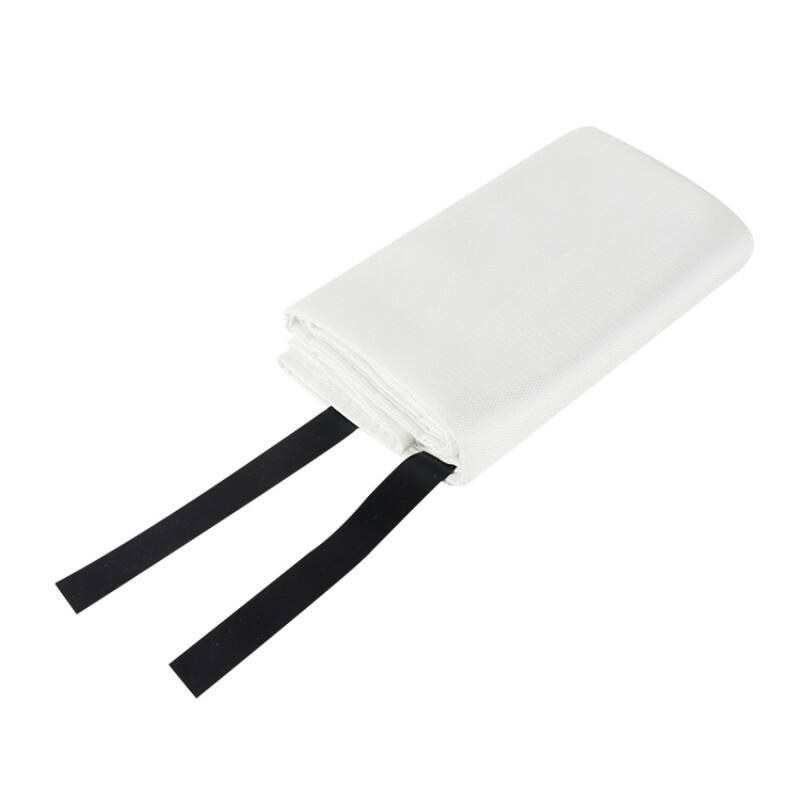
Modern fire blankets utilize advanced materials designed to withstand extreme temperatures while maintaining flexibility during emergency deployment. Most high-quality fire blanket products feature woven fiberglass construction with specialized coatings that can resist temperatures exceeding 1000 degrees Fahrenheit. The fiberglass fibers create a tight weave that prevents oxygen penetration while remaining lightweight enough for rapid deployment by individuals of varying physical capabilities.
The outer coating typically consists of silicone or other heat-resistant compounds that provide additional protection against direct flame contact. This dual-layer protection ensures that the fire blanket maintains its integrity even when exposed to intense heat, preventing burn-through that could compromise the victim's safety. Quality fire blanket manufacturing incorporates reinforced edges and pull tabs that facilitate quick deployment without tearing or separation during high-stress emergency situations.
Size Specifications and Coverage Requirements
Effective fire blanket sizing must accommodate complete coverage of an adult human body while providing sufficient overlap for secure wrapping. Standard residential fire blanket dimensions typically measure 1.2 by 1.8 meters, though larger commercial variants extend to 2 by 2 meters for enhanced coverage capabilities. The additional size ensures complete envelopment of taller individuals while providing extra material for proper tucking and securing around the victim's body perimeter.
When selecting a fire blanket for personal or workplace safety applications, consider the potential user demographics and physical space constraints. Larger blankets offer superior protection but require more storage space and may prove unwieldy for smaller individuals during deployment. The optimal fire blanket strikes a balance between comprehensive coverage and manageable deployment characteristics that enable effective use under emergency stress conditions.
Pre-Emergency Preparation and Accessibility
Strategic Placement and Visibility
Proper fire blanket positioning within residential and commercial environments directly impacts emergency response effectiveness. Install fire blanket storage containers in easily accessible locations near potential fire hazards, including kitchens, workshops, laboratories, and industrial processing areas. The storage container should feature clear labeling and bright coloration that remains visible even in reduced lighting conditions or smoke-filled environments.
Avoid placing fire blanket storage in locations that might become inaccessible during fire emergencies, such as directly adjacent to cooking surfaces or electrical equipment. Instead, position storage containers along evacuation routes or near emergency exits where they can be quickly retrieved without exposing the rescuer to additional hazards. Regular accessibility checks ensure that storage areas remain unobstructed by equipment, supplies, or debris that could delay emergency deployment.
Training and Familiarity Development
Effective fire blanket deployment requires muscle memory and confidence that can only be developed through regular practice sessions. Conduct monthly training exercises using expired or practice fire blanket units to familiarize household members or employees with proper deployment techniques. These practice sessions should include various scenarios, such as assisting unconscious victims, working in confined spaces, and coordinating with multiple responders.
Document training participation and maintain records of fire blanket inspection dates, replacement schedules, and any deployment incidents for continuous improvement purposes. Regular training reinforces proper technique while identifying potential obstacles or procedural modifications needed for specific environments. This preparation proves invaluable during actual emergencies when stress and time pressure can impair decision-making capabilities.
Step-by-Step Deployment Process
Initial Assessment and Approach Strategy
Before attempting fire blanket deployment, rapidly assess the victim's condition and surrounding environment to ensure rescuer safety while maximizing intervention effectiveness. Identify the extent of clothing involvement, the victim's consciousness level, and any immediate environmental hazards such as spreading flames, toxic smoke, or structural damage. This assessment determines whether direct intervention is possible or if professional emergency services must be summoned immediately.
Approach the victim from the side opposite any spreading flames when possible, maintaining a clear evacuation path throughout the rescue attempt. Communicate clearly with conscious victims, instructing them to remain still and avoid running, which can fan flames and spread ignition to additional clothing areas. If the victim is unconscious or unable to cooperate, prepare for more complex deployment procedures that may require additional assistance or modified techniques.
Proper Blanket Deployment Technique
Remove the fire blanket from its storage container by grasping the pull tabs firmly and pulling straight outward to achieve full deployment without tangling or folding. Hold the blanket by the upper corners, ensuring your hands remain protected behind the blanket material while maintaining sufficient distance from the flames. The deployment motion should be smooth and deliberate, avoiding jerky movements that might create air currents and intensify combustion.
Position yourself slightly to one side of the victim and deploy the fire blanket in a single, fluid motion that completely covers the burning area while extending beyond the flame perimeter. Begin coverage from the victim's head or upper torso, working downward to ensure complete oxygen exclusion from the burning clothing. The blanket should drape naturally over the victim's body contours while maintaining contact with the ground or floor surface around the victim's perimeter.
Securing and Monitoring Procedures
Once the fire blanket covers the victim completely, gently press the edges against the ground to create an oxygen-tight seal around the entire perimeter. Avoid applying excessive pressure directly on the victim's body, as this could cause additional injury to burned tissue or impair breathing. The sealing process should focus on eliminating air gaps that could allow oxygen infiltration and flame re-ignition.
Maintain the fire blanket position for a minimum of fifteen minutes to ensure complete extinguishment and prevent re-ignition when the blanket is eventually removed. During this monitoring period, continuously assess the victim's breathing and consciousness while preparing for advanced medical intervention. Coordinate with emergency medical services to ensure proper burn treatment and transportation arrangements are established before removing the protective fire blanket covering.
Post-Deployment Medical Considerations
Immediate Wound Assessment
After successful flame extinguishment using a fire blanket, immediate medical assessment becomes the priority focus for ensuring victim survival and recovery. Remove the fire blanket carefully to avoid disturbing burned tissue or clothing that may have adhered to the victim's skin during the burning process. Burned clothing should remain in place unless it continues smoldering, as removal attempts can cause additional tissue damage and increase infection risks.
Evaluate burn severity using established medical classifications while preparing for professional medical intervention. First-degree burns affect only the outer skin layer and appear red without blistering, while second-degree burns create blisters and affect deeper tissue layers. Third-degree burns penetrate through all skin layers and may appear white, charred, or leathery in texture. Any burns covering more than ten percent of the victim's body surface require immediate emergency medical attention.
Emergency Medical Support Coordination
Contact emergency medical services immediately following fire blanket deployment, regardless of apparent burn severity or victim consciousness level. Provide clear information about the incident nature, victim condition, fire blanket deployment duration, and any additional hazards present at the location. This information enables medical personnel to prepare appropriate treatment protocols and equipment before arriving at the emergency scene.
While awaiting professional medical assistance, focus on maintaining victim comfort and preventing shock development through proper positioning and temperature regulation. Cover unburned areas with clean, dry blankets while keeping burned areas exposed to room air. Provide emotional support and reassurance while monitoring vital signs and consciousness levels throughout the waiting period.
Safety Protocols and Risk Management
Rescuer Protection Strategies
Effective fire blanket deployment requires rescuer safety awareness to prevent additional casualties during emergency response efforts. Maintain awareness of personal protective equipment availability, including heat-resistant gloves, eye protection, and respiratory protection when dealing with toxic smoke environments. The fire blanket itself provides some protection for the rescuer's hands and arms during deployment, but additional protective measures enhance overall safety margins.
Establish clear evacuation procedures and communication protocols before attempting fire blanket deployment in complex emergency situations. Designate backup personnel to monitor environmental conditions, maintain communication with emergency services, and provide assistance if the primary rescuer becomes overwhelmed or injured. These support systems prove essential when dealing with multiple casualties or rapidly evolving emergency conditions.
Environmental Hazard Assessment
Beyond the immediate victim assistance, fire blanket deployment must consider broader environmental safety factors that could impact rescue success or create additional hazards. Assess structural integrity of the surrounding area, particularly in cases involving electrical fires, gas leaks, or chemical spills that contributed to the original ignition. These secondary hazards may require evacuation rather than direct intervention attempts.
Monitor air quality and visibility conditions throughout the rescue process, particularly in enclosed spaces where smoke accumulation can quickly reach dangerous levels. Carbon monoxide, hydrogen cyanide, and other toxic combustion products pose significant health risks that may necessitate respiratory protection or immediate evacuation. The decision to continue rescue efforts versus evacuating for professional assistance depends largely on these environmental assessment results.
Maintenance and Replacement Guidelines
Regular Inspection Procedures
Fire blanket effectiveness depends entirely on material integrity and deployment readiness, requiring systematic inspection schedules to ensure emergency preparedness. Monthly visual inspections should examine the storage container for damage, corrosion, or obstruction while verifying that pull tabs remain accessible and undamaged. The fire blanket material itself requires inspection for tears, holes, or contamination that could compromise performance during emergency deployment.
Document inspection findings in maintenance logs that track fire blanket condition over time and identify patterns that might indicate replacement needs or storage environment improvements. Replace any fire blanket showing signs of material degradation, regardless of age or previous use history. Environmental factors such as humidity, temperature extremes, and chemical exposure can accelerate deterioration and reduce effectiveness during critical emergency situations.
Replacement Scheduling and Upgrades
Establish replacement schedules based on manufacturer recommendations, typically ranging from five to ten years depending on environmental conditions and usage frequency. Even unused fire blanket units degrade over time due to material aging and environmental exposure, making proactive replacement essential for maintaining emergency preparedness levels. Consider upgrading to larger sizes or improved materials when replacement timing coincides with facility modifications or expanded safety requirements.
Dispose of expired fire blanket units through appropriate waste management channels, as some materials may require special handling procedures due to their chemical composition. Replacement fire blanket selection should consider lessons learned from training exercises, facility changes, or updated safety regulations that might influence size, placement, or performance requirements for optimal emergency response capabilities.
FAQ
How long should a fire blanket remain on a person after extinguishing flames
A fire blanket should remain in place for at least 15 minutes after flames are extinguished to prevent re-ignition. During this time, monitor the victim's breathing and consciousness while preparing for medical intervention. The cooling period allows residual heat to dissipate and ensures complete extinguishment of any smoldering materials beneath the blanket.
Can a fire blanket be reused after deployment on a person
Fire blankets should never be reused after deployment, especially when used on burning persons. The extreme heat exposure and potential contamination from bodily fluids or burned materials compromise the blanket's integrity and effectiveness. Always replace any fire blanket immediately after use and dispose of it according to local waste management guidelines for potentially contaminated materials.
What size fire blanket is most effective for use on adults
For adult coverage, fire blankets measuring 2 by 2 meters provide optimal protection with sufficient material for complete body envelopment and secure perimeter sealing. Smaller blankets may leave exposed areas vulnerable to continued burning or re-ignition, while excessively large blankets become difficult to deploy quickly and accurately during emergency situations.
Should water be applied along with a fire blanket when treating clothing fires
Do not combine water application with fire blanket deployment when treating clothing fires on persons. Water can create steam burns, spread burning liquids, or interfere with the oxygen-exclusion principle that makes fire blankets effective. Focus on proper blanket deployment alone, then address cooling and medical treatment after flame extinguishment is complete and professional medical help arrives.

