
 EN
EN
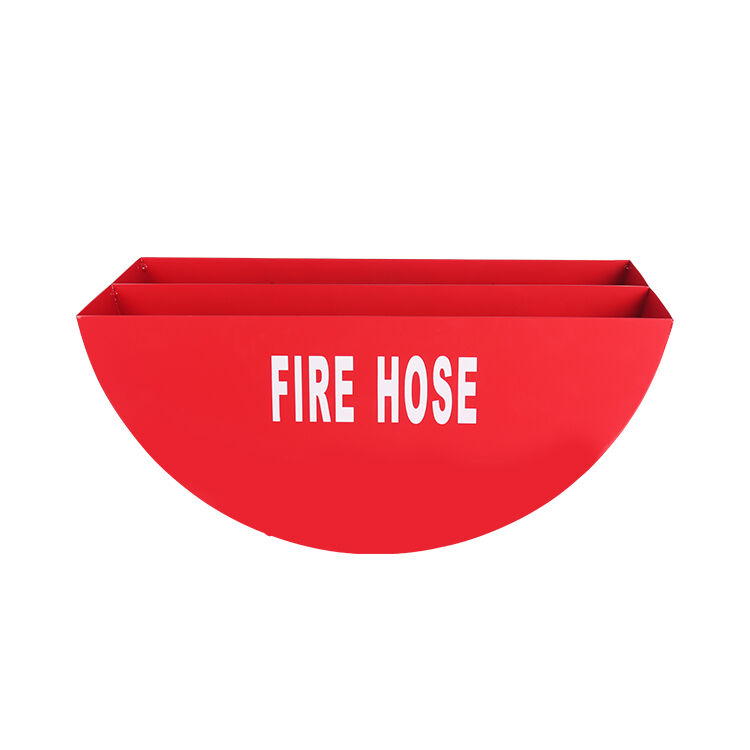
Selecting the right fire extinguisher for your home, office, or industrial facility represents one of the most critical safety decisions you'll make. A properly chosen fire extinguisher can mean the difference between containing a small fire and watching it escalate into a devastating emergency. Understanding the various types, classifications, and features available will help you make an informed decision that protects your property and saves lives. Whether you're purchasing your first fire extinguisher or upgrading existing safety equipment, this comprehensive guide will walk you through everything you need to consider.
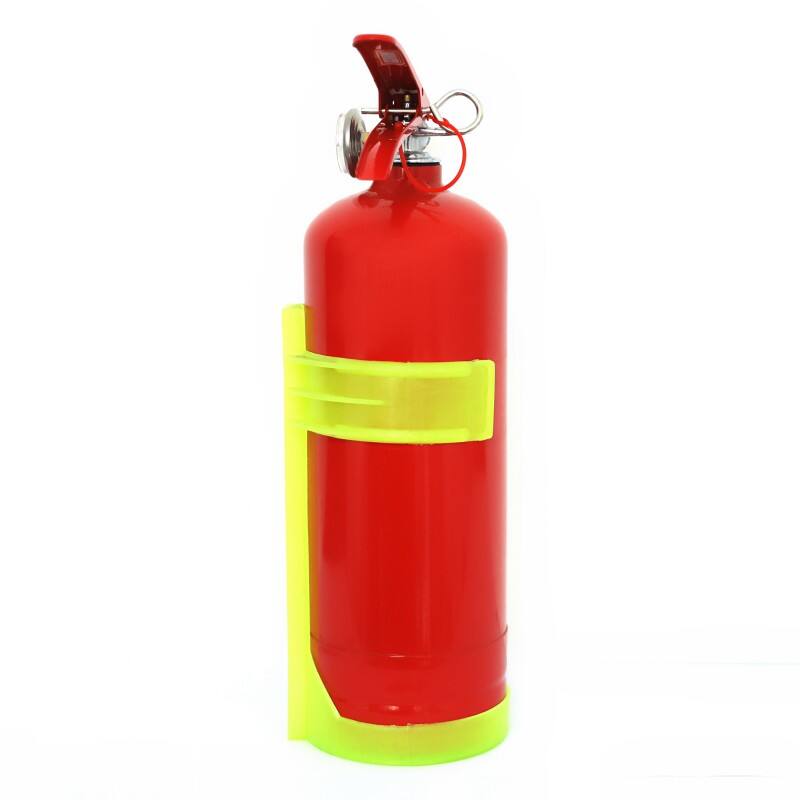
Understanding Fire Classifications and Extinguisher Types
Class A Fire Extinguishers for Ordinary Combustibles
Class A fires involve ordinary combustible materials such as wood, paper, fabric, and most plastics. These are the most common types of fires in residential and office settings. A Class A fire extinguisher typically uses water or foam to cool the burning material and prevent re-ignition. The effectiveness of these extinguishers lies in their ability to remove heat from the fire triangle, which consists of heat, fuel, and oxygen.
When evaluating a Class A fire extinguisher, consider the discharge time and coverage area. Most residential units provide between 8 to 25 seconds of discharge time, which may seem brief but is usually sufficient for small fires when used correctly. The key is understanding that these extinguishers work best on fires in their early stages, making early detection and quick response crucial for effectiveness.
Class B and C Fire Extinguishers for Specialized Hazards
Class B fires involve flammable liquids like gasoline, oil, grease, and solvents, while Class C fires involve energized electrical equipment. These fire types require specialized extinguishing agents that don't conduct electricity or spread flammable liquids. Carbon dioxide and dry chemical extinguishers are the most common choices for these applications.
A quality fire extinguisher designed for Class B and C fires often uses dry powder or CO2 as the extinguishing agent. These agents work by interrupting the chemical reaction of the fire rather than cooling it. This approach proves particularly effective in industrial settings where electrical equipment and flammable liquids are present. The powder-based systems create a barrier between the fuel and oxygen while also absorbing heat from the combustion process.
Key Technical Specifications to Consider
Pressure Ratings and Temperature Ranges
The operating pressure of a fire extinguisher directly impacts its performance and reliability. Most quality units operate between 175 to 250 PSI, with some industrial-grade models capable of higher pressures. Additionally, temperature range specifications are crucial, especially for outdoor installations or areas with extreme temperature variations. A professional-grade fire extinguisher should function reliably in temperatures ranging from -30°F to 120°F.
Understanding pressure gauge readings is essential for maintenance. The gauge should consistently show readings in the green zone, indicating proper pressure levels. Regular pressure checks ensure your fire extinguisher will function when needed most. Some advanced models include pressure monitoring systems that alert users to pressure drops or other maintenance needs.
Discharge Capacity and Effective Range
The discharge capacity, measured in seconds of continuous spray, varies significantly between different fire extinguisher models. Smaller residential units typically provide 8 to 12 seconds of discharge time, while larger commercial models may offer 15 to 25 seconds. The effective range, usually between 6 to 20 feet, determines how close you need to be to the fire source for maximum effectiveness.
Consider the size of the area you need to protect when selecting discharge capacity. A larger space may require multiple units or a single high-capacity fire extinguisher. The discharge pattern also matters – some units provide a narrow, focused stream while others offer a wider spray pattern for broader coverage. Understanding these characteristics helps ensure adequate protection for your specific environment.
Size and Weight Considerations
Portability versus Capacity Balance
Finding the right balance between portability and extinguishing capacity requires careful consideration of your specific needs. Smaller 2.5-pound units offer excellent portability but limited capacity, making them suitable for vehicles or small rooms. Medium-sized 5 to 10-pound units provide a good compromise between portability and effectiveness for most residential and small commercial applications.
Larger 20-pound or wheeled units offer maximum capacity but require more physical strength to operate effectively. These are typically reserved for industrial applications or areas where maximum fire suppression capability is needed. Consider who will be operating the fire extinguisher – elderly individuals or those with physical limitations may need lighter, more manageable options.
Mounting and Accessibility Requirements
Proper mounting height and accessibility directly impact the effectiveness of your fire extinguisher during an emergency. Standard mounting height ranges from 3.5 to 5 feet from the floor, ensuring most adults can quickly access the unit. The mounting location should be visible, easily accessible, and near potential fire hazards without being too close to create additional risk.
Consider the mounting hardware included with your fire extinguisher. Quality brackets should securely hold the unit while allowing for quick removal during emergencies. Some advanced mounting systems include tamper-evident features that alert you if the unit has been moved or removed, helping ensure the fire extinguisher remains in its designated location when needed.
Certification and Compliance Standards
UL Listing and NFPA Standards
Underwriters Laboratories (UL) listing represents the gold standard for fire extinguisher safety and performance. A UL-listed fire extinguisher has undergone rigorous testing to verify its effectiveness, reliability, and safety under various conditions. Additionally, compliance with National Fire Protection Association (NFPA) standards ensures your extinguisher meets professional fire safety requirements.
When evaluating certifications, look for clear labeling indicating UL listing numbers and NFPA compliance statements. These certifications provide assurance that the fire extinguisher will perform as expected during an emergency. Some insurance companies may require UL-listed equipment for coverage, making this certification both a safety and financial consideration.
Local Building Code Requirements
Local building codes often specify minimum fire extinguisher requirements for different types of buildings and occupancies. Commercial buildings typically have more stringent requirements than residential properties, including specific placement intervals, inspection schedules, and capacity requirements. Understanding these requirements before purchasing ensures compliance and adequate protection.
Some jurisdictions require professional installation and inspection of fire extinguisher systems. Research your local requirements to determine if you need professional services or if self-installation is acceptable. This information can significantly impact your total investment and ongoing maintenance costs.
Maintenance and Inspection Requirements
Monthly Visual Inspections
Regular visual inspections represent the most basic yet crucial maintenance requirement for any fire extinguisher. Monthly checks should include verifying that the pressure gauge reads in the green zone, examining the exterior for damage or corrosion, and ensuring the pull pin and tamper seal remain intact. Documentation of these inspections may be required for commercial applications.
Create a simple inspection log to track monthly checks and any issues discovered. This documentation proves valuable for insurance purposes and helps identify patterns that might indicate maintenance needs. Pay special attention to the condition of the discharge nozzle and operating instructions, as these components are essential for proper emergency operation.
Professional Service and Recharging
Professional service intervals vary by fire extinguisher type, with most requiring annual inspections by qualified technicians. These inspections include internal examinations, pressure testing, and verification of all components. Some fire extinguisher models require complete recharging every few years, even if never used, to maintain optimal performance.
Factor ongoing maintenance costs into your initial purchase decision. While a less expensive fire extinguisher might seem attractive initially, higher maintenance costs or shorter service intervals could make it more expensive over time. Quality units from reputable manufacturers often provide better long-term value through extended service intervals and reliable performance.
Installation and Placement Guidelines
Strategic Location Selection
Effective fire extinguisher placement requires understanding potential fire sources and escape routes within your space. Install units near cooking areas, electrical panels, workshops, and other high-risk locations while ensuring they remain accessible during emergencies. Avoid placing extinguishers too close to potential fire sources where heat or flames might make them inaccessible.
Consider sight lines and visibility when selecting installation locations. A fire extinguisher mounted behind furniture or in a dark corner provides little value during an emergency. Proper lighting and clear sight lines ensure quick location and access when seconds count. Some facilities use reflective signs or emergency lighting to highlight fire extinguisher locations.
Multi-Unit Coverage Strategies
Large buildings or multi-level facilities typically require multiple fire extinguisher units to provide adequate coverage. Calculate coverage areas based on travel distance requirements – most codes specify maximum travel distances of 75 feet for Class A fires and 50 feet for Class B fires. This ensures occupants can quickly reach an appropriate fire extinguisher from any location.
Consider different fire extinguisher types for different areas within the same facility. Kitchen areas might require Class K units for cooking fires, while electrical rooms need Class C capability. Workshop areas with both ordinary combustibles and flammable liquids might benefit from multi-purpose ABC fire extinguisher units that handle various fire types effectively.
Cost Factors and Budget Planning
Initial Purchase Considerations
Fire extinguisher prices vary significantly based on size, type, and quality level. Basic residential units might cost $20 to $50, while industrial-grade fire extinguisher models can range from $75 to $200 or more. Consider the total cost of ownership, including mounting hardware, professional installation if required, and ongoing maintenance expenses.
Evaluate warranty coverage and manufacturer support when comparing options. Extended warranties can provide peace of mind and protection against defects, while responsive customer support ensures help when you need service or replacement parts. Some manufacturers offer comprehensive support programs that include training and maintenance guidance.
Long-term Value Assessment
Quality fire extinguisher units often provide better long-term value through extended service life and reliable performance. While initial costs may be higher, reduced maintenance requirements and longer replacement intervals can offset the additional investment. Consider the potential costs of fire damage when evaluating your investment in fire suppression equipment.
Insurance premium reductions may be available for properties with adequate fire suppression systems. Contact your insurance provider to understand potential discounts and requirements. Some policies offer significant premium reductions for comprehensive fire safety systems, helping offset equipment costs over time.
FAQ
What size fire extinguisher do I need for my home
For most residential applications, a 5-pound ABC fire extinguisher provides adequate protection for general use. Consider a 2.5-pound unit for kitchens and a larger 10-pound unit for garages or workshops with higher fire risks. The key is having multiple units strategically placed rather than relying on a single large fire extinguisher for entire home protection.
How often should I replace my fire extinguisher
Most fire extinguisher units have a service life of 5 to 15 years, depending on the type and manufacturer. Disposable units typically need replacement every 5-6 years, while rechargeable models can last 10-15 years with proper maintenance. Check the manufacturer's guidelines and ensure regular professional inspections to determine when replacement becomes necessary.
Can I use any fire extinguisher on electrical fires
Only fire extinguisher units rated for Class C fires should be used on electrical equipment. Water-based extinguishers can conduct electricity and create shock hazards. CO2 and dry chemical fire extinguisher models are safe for electrical fires because they don't conduct electricity. Always turn off electrical power at the source if safely possible before using any extinguisher.
What maintenance does a fire extinguisher require
Basic maintenance includes monthly visual inspections to check pressure levels, physical condition, and accessibility. Professional annual inspections are recommended for most fire extinguisher types, with some requiring internal examination every few years. Keep inspection records and follow manufacturer guidelines for specific maintenance requirements based on your unit's type and age.

