
 EN
EN
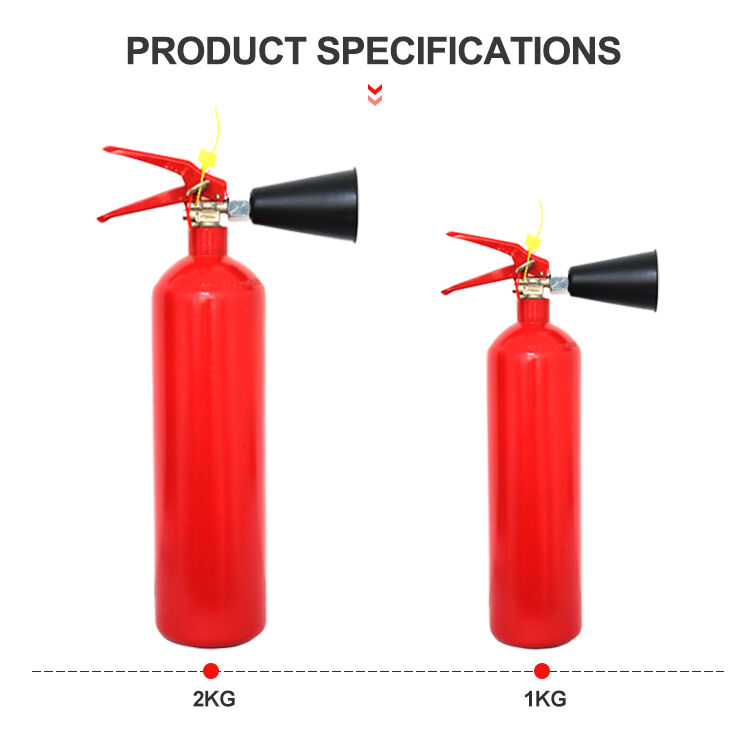
Understanding the different types of fire extinguisher systems available today is crucial for maintaining workplace safety and protecting valuable assets. With various fire classes requiring specific suppression methods, selecting the wrong fire extinguisher can prove ineffective or even dangerous during an emergency. Industrial facilities, commercial buildings, and residential properties each present unique fire risks that demand tailored suppression solutions. The complexity of modern fire safety regulations and the diverse range of combustible materials found in today's environments make proper fire extinguisher selection more critical than ever before.
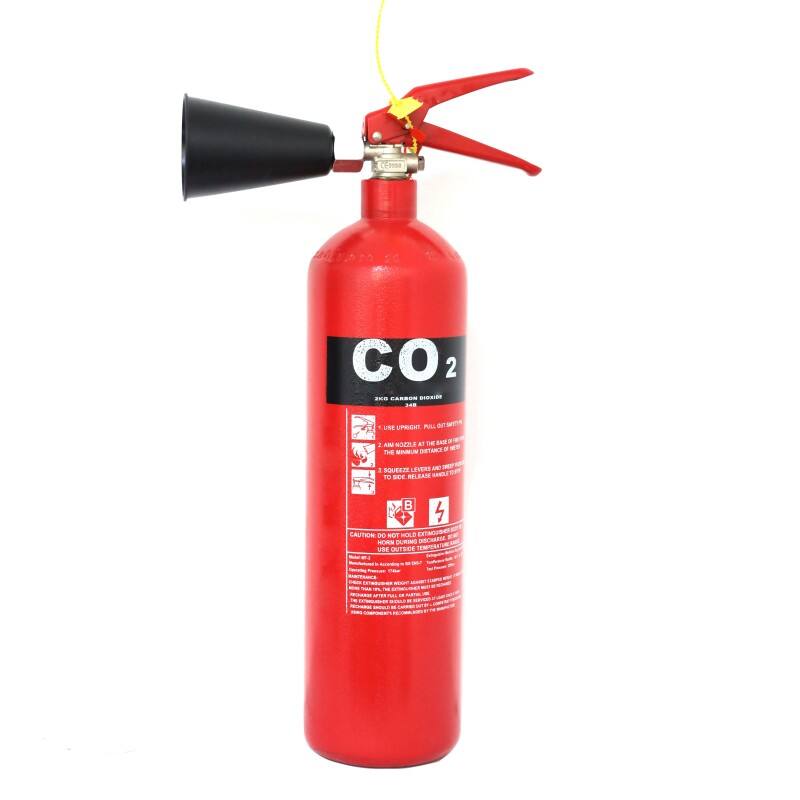
Understanding Fire Classifications and Suppression Requirements
Class A Fire Characteristics and Suppression Methods
Class A fires involve ordinary combustible materials such as wood, paper, fabric, and most plastics. These fires burn at relatively low temperatures and create ember formations that can reignite if not properly extinguished. Water-based fire extinguisher units prove most effective against Class A fires because water removes heat through cooling and creates steam that helps displace oxygen. The penetrating properties of water allow it to reach deep into burning materials, ensuring complete extinguishment and preventing rekindling.
Modern Class A fire extinguisher systems often incorporate foam additives that enhance suppression effectiveness while reducing water damage. These advanced formulations create a protective barrier over burning surfaces, preventing oxygen from reaching the fuel source. Understanding the burn characteristics of Class A materials helps facility managers determine appropriate fire extinguisher placement and capacity requirements for maximum protection coverage.
Electrical Fire Suppression Challenges
Class C fires involve energized electrical equipment and present unique suppression challenges that require specialized fire extinguisher solutions. Water-based extinguishers become extremely dangerous around electrical fires due to conductivity risks that can cause electrocution or equipment damage. Carbon dioxide fire extinguisher units provide the safest approach for electrical fires because CO2 leaves no residue and does not conduct electricity.
The rapid expansion of carbon dioxide creates an oxygen-depleting atmosphere around electrical fires while simultaneously providing cooling effects. However, electrical fires require careful assessment because once power is disconnected, they may transition to Class A fires involving surrounding combustible materials. This transition possibility makes combination fire extinguisher systems particularly valuable in electrical environments where multiple fire classes may occur simultaneously.
Carbon Dioxide Fire Extinguisher Technology and Applications
CO2 Suppression Mechanisms and Effectiveness
Carbon dioxide fire extinguisher technology operates through oxygen displacement and thermal reduction, making it highly effective against specific fire types. When discharged, CO2 rapidly expands to create an inert atmosphere around the fire source, reducing oxygen concentration below combustion-sustaining levels. The significant temperature drop during CO2 expansion provides additional cooling effects that help prevent reignition of hot surfaces and equipment components.
The residue-free nature of carbon dioxide makes it ideal for protecting sensitive electronic equipment, computer rooms, and precision machinery. Unlike powder-based systems, CO2 Fire Extinguisher units leave no cleanup requirements after discharge, minimizing downtime and equipment damage. This characteristic proves particularly valuable in manufacturing environments where production interruptions carry significant financial implications.
Portable CO2 System Advantages
Portable carbon dioxide fire extinguisher units offer exceptional mobility and rapid deployment capabilities for emergency response situations. The compact design and lightweight construction of modern CO2 systems enable quick transportation to fire locations while maintaining full suppression effectiveness. These units typically feature ergonomic handles and intuitive operation mechanisms that reduce training requirements and improve emergency response times.
Advanced portable fire extinguisher designs incorporate pressure monitoring systems and tamper-evident seals that ensure readiness during critical moments. The durability of CO2 systems makes them suitable for harsh industrial environments where temperature fluctuations and mechanical stress might compromise other suppression technologies. Regular maintenance requirements for CO2 units remain minimal compared to other fire extinguisher types, reducing long-term operational costs.
Dry Chemical Fire Extinguisher Systems
Multi-Purpose Dry Chemical Effectiveness
Multi-purpose dry chemical fire extinguisher systems provide broad-spectrum protection against Class A, B, and C fires through advanced powder formulations. These systems utilize ammonium phosphate-based compounds that create chemical reactions with burning materials while simultaneously forming protective barriers against oxygen infiltration. The versatility of dry chemical fire extinguisher units makes them popular choices for general-purpose applications where multiple fire risks exist.
The powder discharge mechanism creates rapid flame knockdown effects that quickly suppress visible fire while the chemical agents work to prevent reignition. However, dry chemical systems produce significant residue that requires thorough cleanup after discharge, potentially causing equipment damage if not properly removed. This residue concern makes dry chemical fire extinguisher selection less suitable for sensitive electronic environments compared to clean agent alternatives.
Specialized Dry Chemical Applications
Specialized dry chemical fire extinguisher formulations target specific industrial applications where standard ABC powders prove insufficient. Sodium bicarbonate-based systems excel at suppressing flammable liquid fires through rapid flame suppression and vapor suppression effects. These specialized agents create dense powder clouds that effectively separate fuel sources from ignition sources while providing extended suppression duration.
Purple K potassium bicarbonate represents another specialized dry chemical fire extinguisher variant designed for high-performance suppression requirements. This formulation demonstrates superior flow characteristics and enhanced suppression effectiveness per unit weight compared to standard dry chemical agents. Industrial facilities handling volatile chemicals or high-risk flammable materials often specify Purple K systems for critical protection areas.
Clean Agent Fire Suppression Technologies
Halogenated Agent Performance
Clean agent fire extinguisher systems utilize sophisticated halogenated compounds that suppress fires through heat absorption and chemical flame inhibition mechanisms. These agents discharge as gases that quickly distribute throughout protected spaces while maintaining breathable atmosphere conditions for occupant safety. The clean agent approach eliminates residue concerns while providing effective suppression for sensitive equipment environments.
Modern halogenated fire extinguisher agents demonstrate minimal ozone depletion potential while maintaining superior suppression effectiveness across various fire types. The rapid evaporation characteristics of these agents prevent damage to electronic components, documents, and precision instruments during discharge events. However, halogenated systems typically require larger storage vessels and higher initial costs compared to conventional fire extinguisher alternatives.
Inert Gas Suppression Systems
Inert gas fire extinguisher technologies employ nitrogen, argon, or mixed inert gas combinations to create oxygen-diluted atmospheres that prevent combustion. These systems provide environmentally friendly suppression without chemical agents or residue production while maintaining safe breathing conditions at design concentrations. The natural origin of inert gases eliminates concerns about atmospheric impact or agent decomposition products.
Installation flexibility represents a significant advantage of inert gas fire extinguisher systems because they can protect irregularly shaped spaces and provide zone-specific coverage. The storage requirements for inert gases typically exceed other clean agent systems, but the unlimited atmospheric exposure safety makes them suitable for occupied spaces during discharge events.
Fire Extinguisher Selection Criteria and Best Practices
Risk Assessment and Hazard Analysis
Comprehensive fire risk assessment forms the foundation for appropriate fire extinguisher selection and ensures adequate protection coverage for identified hazards. Professional hazard analysis considers fuel types, ignition sources, occupancy characteristics, and environmental factors that influence fire behavior and suppression requirements. The assessment process must evaluate potential fire scenarios, evacuation considerations, and property protection priorities to determine optimal suppression strategies.
Facility-specific factors such as temperature ranges, humidity levels, and atmospheric conditions affect fire extinguisher performance and reliability over time. The assessment should identify areas where multiple fire classes may occur simultaneously, requiring combination suppression approaches or multiple fire extinguisher types for comprehensive protection. Regular reassessment ensures that protection systems remain appropriate as facility operations, materials, or configurations change.
Installation and Maintenance Requirements
Proper fire extinguisher installation requires strategic placement that provides accessible coverage while meeting regulatory spacing and visibility requirements. Installation locations must consider travel distances, obstruction clearance, and mounting height specifications that enable effective emergency response by facility personnel. The installation process should incorporate signage, lighting, and identification systems that facilitate rapid fire extinguisher location during emergency conditions.
Maintenance programs for fire extinguisher systems must include regular inspections, pressure testing, and agent replacement according to manufacturer specifications and code requirements. Documentation systems should track inspection dates, maintenance activities, and performance testing results to demonstrate compliance and system readiness. Professional maintenance services ensure that fire extinguisher systems maintain optimal performance while meeting warranty and insurance requirements.
FAQ
What factors determine which fire extinguisher type is most appropriate for my facility
The most appropriate fire extinguisher selection depends on the specific fire hazards present in your facility, including the types of combustible materials, electrical equipment, and potential ignition sources. A professional fire risk assessment should evaluate your facility's layout, occupancy, and operational activities to identify fire classes that may occur. Environmental factors such as temperature extremes, corrosive atmospheres, and sensitive equipment also influence fire extinguisher type selection. Additionally, local fire codes and insurance requirements may specify minimum fire extinguisher types and capacities for your particular application.
How often should fire extinguisher systems be inspected and maintained
Fire extinguisher inspection requirements typically include monthly visual checks by facility personnel and annual professional inspections by certified technicians. Monthly inspections should verify proper mounting, accessibility, pressure gauge readings, and physical condition of the fire extinguisher unit. Annual professional inspections involve detailed examination of internal components, pressure testing, and agent analysis to ensure continued effectiveness. Some fire extinguisher types require more frequent maintenance, such as dry chemical units that may need agent replacement every six years, while CO2 systems may have different testing intervals based on cylinder specifications.
Can different fire extinguisher types be mixed within the same facility
Yes, facilities commonly employ multiple fire extinguisher types to address different fire risks and protection requirements throughout various areas. For example, a facility might use CO2 fire extinguisher units in electrical rooms, dry chemical systems in general work areas, and specialized clean agents in server rooms or laboratories. The key is ensuring that personnel receive proper training on the different fire extinguisher types present and understand which units are appropriate for specific fire scenarios. Clear labeling and signage help prevent confusion and ensure that the correct fire extinguisher type is selected during emergency situations.
What are the key differences between portable and fixed fire extinguisher systems
Portable fire extinguisher units are designed for manual operation by facility personnel and can be moved to the fire location, while fixed systems automatically activate and discharge throughout protected spaces. Portable systems typically provide localized suppression for smaller fires and require human intervention for activation, making them suitable for initial attack scenarios. Fixed fire extinguisher systems offer automatic detection and suppression capabilities for unattended areas or high-risk locations where rapid response is critical. The choice between portable and fixed systems depends on factors such as facility size, occupancy patterns, response time requirements, and the value of protected assets.
Table of Contents
- Understanding Fire Classifications and Suppression Requirements
- Carbon Dioxide Fire Extinguisher Technology and Applications
- Dry Chemical Fire Extinguisher Systems
- Clean Agent Fire Suppression Technologies
- Fire Extinguisher Selection Criteria and Best Practices
-
FAQ
- What factors determine which fire extinguisher type is most appropriate for my facility
- How often should fire extinguisher systems be inspected and maintained
- Can different fire extinguisher types be mixed within the same facility
- What are the key differences between portable and fixed fire extinguisher systems

