
 EN
EN
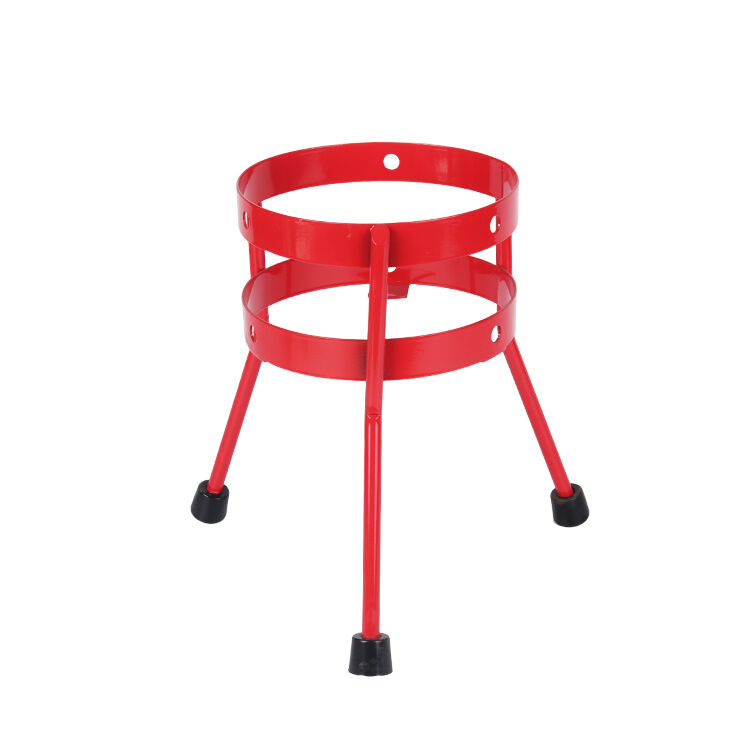
When protecting lives and property from fire hazards, selecting the right fire cabinet is a critical decision that demands careful consideration of multiple factors. A well-designed fire cabinet serves as the first line of defense against fire emergencies, housing essential fire suppression equipment while ensuring accessibility during critical moments. Modern fire safety professionals understand that not all fire cabinets are created equal, and the features that distinguish high-quality units from basic models can make the difference between successful fire suppression and catastrophic loss.
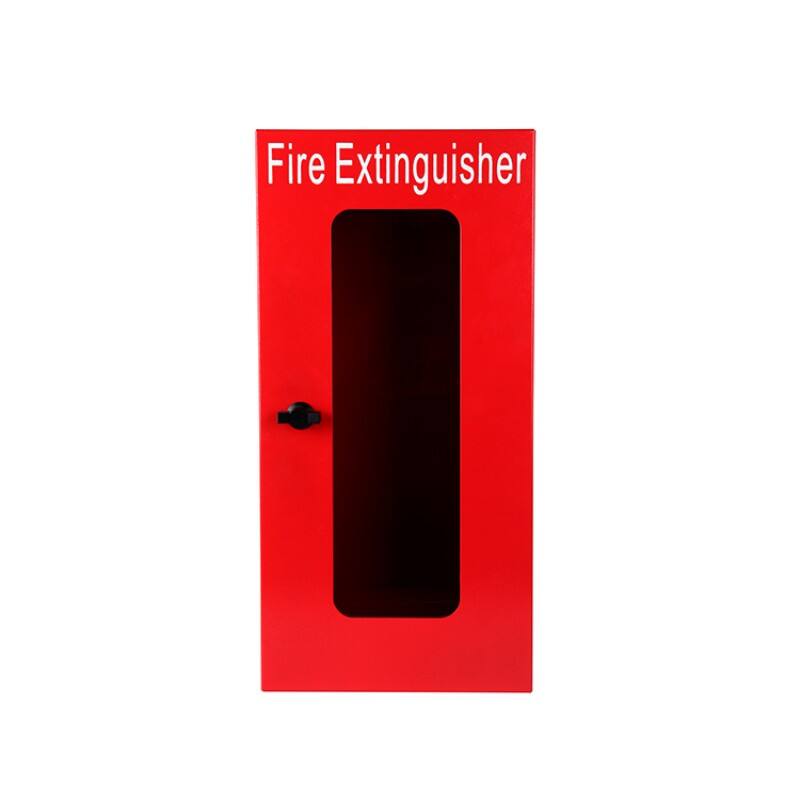
The fire safety industry has evolved significantly over the past decades, with manufacturers incorporating advanced materials, improved designs, and enhanced functionality into their fire cabinet offerings. Today's discerning buyers must navigate a complex marketplace where quality varies dramatically between suppliers, making it essential to understand the specific features that characterize superior fire cabinet construction and performance.
Construction Materials and Durability Standards
Steel Grade and Thickness Specifications
The foundation of any reliable fire cabinet lies in its construction materials, with high-grade steel serving as the industry standard for superior protection. Premium fire cabinet models utilize cold-rolled steel with minimum thickness specifications that exceed basic regulatory requirements, typically ranging from 16-gauge to 12-gauge depending on the cabinet size and intended application. This enhanced steel construction provides exceptional resistance to impact, corrosion, and environmental stressors that could compromise the cabinet's integrity over time.
Manufacturers of quality fire cabinets often employ galvanized steel or apply specialized coatings that provide additional protection against moisture, chemical exposure, and atmospheric conditions. These protective measures ensure that the fire cabinet maintains its structural integrity and aesthetic appearance throughout its operational lifespan, even when installed in challenging environments such as industrial facilities, coastal areas, or chemical processing plants.
Welding Quality and Joint Reinforcement
Professional-grade fire cabinet construction demands precision welding techniques that create seamless joints capable of withstanding significant stress and impact. High-quality units feature continuous welding along all seams, eliminating weak points that could fail during emergencies or compromise the cabinet's weather resistance. The welding process should meet or exceed AWS (American Welding Society) standards, ensuring consistent quality and reliability across all production runs.
Superior fire cabinet designs incorporate reinforcement elements at critical stress points, including door hinges, latch mechanisms, and mounting brackets. These reinforcements distribute loads evenly across the cabinet structure, preventing localized failures that could render the unit inoperable when needed most. Quality manufacturers often provide detailed specifications regarding their welding procedures and joint strength testing protocols, giving buyers confidence in the product's long-term reliability.
Door Systems and Access Mechanisms
Hinge Design and Load Capacity
The door system represents one of the most critical components of any fire cabinet, as it must provide reliable access while maintaining structural integrity under various operating conditions. Premium fire cabinet models feature heavy-duty hinges manufactured from corrosion-resistant materials, typically stainless steel or brass, that can support substantial door weights without sagging or binding over time. These hinges should be rated for thousands of operating cycles, reflecting the cabinet's potential for frequent inspections and maintenance activities.
Quality hinge systems incorporate self-lubricating bushings or sealed bearing assemblies that reduce maintenance requirements while ensuring smooth operation throughout the cabinet's service life. The hinge mounting should utilize through-bolts or welded tabs that distribute loads across the cabinet frame, preventing localized stress concentrations that could lead to premature failure or door misalignment issues.
Locking and Security Features
Modern fire cabinet applications often require sophisticated locking mechanisms that balance security with emergency accessibility requirements. High-quality units offer multiple locking options, including keyed locks, combination locks, or breakaway security devices that allow authorized personnel to secure the cabinet while ensuring emergency access remains possible. These locking systems should be constructed from durable materials that resist tampering, corrosion, and environmental degradation.
Advanced fire cabinet models may incorporate electronic locking systems with audit trail capabilities, allowing facility managers to monitor access events and ensure compliance with safety protocols. These systems typically feature backup power supplies and manual override mechanisms that maintain functionality during power outages or system failures, ensuring that fire suppression equipment remains accessible during all emergency scenarios.
Interior Configuration and Storage Optimization
Adjustable Shelving and Mounting Systems
The interior layout of a fire cabinet significantly impacts its functionality and the organization of fire suppression equipment. Premium models feature adjustable shelving systems manufactured from heavy-gauge steel or aluminum that can be reconfigured to accommodate various equipment combinations and sizes. These shelving systems should include positive locking mechanisms that prevent inadvertent adjustment while allowing authorized personnel to modify the configuration as needed.
Quality Fire Cabinet designs incorporate specialized mounting brackets and retention systems designed specifically for fire extinguishers, hoses, and related equipment. These mounting systems should secure equipment against vibration, impact, and seismic forces while allowing for rapid removal during emergency situations. The mounting hardware should be constructed from corrosion-resistant materials and designed to accommodate standard fire safety equipment without modification.
Equipment Organization and Accessibility
Effective fire cabinet design prioritizes equipment organization and accessibility, ensuring that personnel can quickly locate and deploy fire suppression tools during high-stress emergency situations. Superior models feature clearly defined storage zones for different equipment types, with visual indicators or labeling systems that facilitate rapid identification and selection of appropriate suppression tools.
The interior configuration should minimize equipment interaction and prevent damage during storage or retrieval operations. This includes providing adequate clearance around each piece of equipment, incorporating protective barriers between incompatible materials, and designing storage positions that maintain equipment in ready-to-use condition without requiring extensive preparation or setup procedures.
Environmental Protection and Weather Resistance
Sealing Systems and Moisture Control
Fire cabinet installations in outdoor or semi-outdoor environments demand robust sealing systems that protect interior contents from moisture infiltration, dust, and other environmental contaminants. High-quality units incorporate continuous gasket systems manufactured from EPDM rubber or similar materials that maintain their sealing properties across wide temperature ranges and extended service periods.
Advanced fire cabinet designs may include drainage systems that channel any moisture infiltration away from stored equipment, preventing corrosion or damage that could compromise fire suppression effectiveness. These drainage systems should be designed to prevent insect or rodent intrusion while maintaining the cabinet's overall environmental protection capabilities.
Temperature and UV Resistance
Outdoor fire cabinet installations must withstand significant temperature variations and ultraviolet radiation exposure without degrading or failing. Premium models utilize powder coating systems or other advanced finish technologies that resist fading, chalking, and degradation when exposed to intense sunlight and temperature cycling. These finishes should maintain their protective properties and appearance for extended periods, reducing maintenance requirements and preserving the cabinet's professional appearance.
Quality fire cabinet manufacturers conduct extensive environmental testing to validate their products' performance under extreme conditions, including freeze-thaw cycling, thermal shock, and accelerated UV exposure. This testing ensures that the fire cabinet will maintain its functionality and appearance throughout its design life, regardless of the environmental challenges present at the installation site.
Compliance and Certification Standards
Regulatory Compliance Requirements
Fire cabinet selection must consider applicable regulatory requirements and industry standards that govern fire safety equipment installations. High-quality units typically meet or exceed requirements established by organizations such as NFPA (National Fire Protection Association), UL (Underwriters Laboratories), and local building codes or fire safety regulations. Compliance with these standards ensures that the fire cabinet installation will satisfy inspection requirements and maintain insurance coverage validity.
Reputable fire cabinet manufacturers provide comprehensive documentation regarding their products' compliance status, including test reports, certification marks, and installation guidelines that facilitate proper implementation. This documentation should be readily available and clearly identify which standards and regulations the product satisfies, enabling specifiers and installers to make informed decisions about product suitability for specific applications.
Quality Assurance and Testing Protocols
Manufacturing quality assurance programs play a crucial role in ensuring consistent fire cabinet performance and reliability. Premium manufacturers implement comprehensive testing protocols that evaluate structural integrity, environmental resistance, and operational functionality throughout the production process. These testing programs should include incoming material inspections, in-process quality checks, and final product validation procedures that verify compliance with established specifications.
Quality fire cabinet suppliers often maintain third-party certifications such as ISO 9001 or equivalent quality management standards that demonstrate their commitment to consistent product quality and continuous improvement. These certifications provide buyers with additional confidence in the manufacturer's capabilities and processes, reducing the risk of receiving substandard products or experiencing quality-related issues during the cabinet's service life.
Installation and Maintenance Considerations
Mounting Systems and Hardware
Proper fire cabinet installation requires robust mounting systems capable of supporting the cabinet's weight plus the stored equipment under various loading conditions, including seismic events or accidental impacts. High-quality units include comprehensive mounting hardware packages with detailed installation instructions that specify appropriate fastener types, spacing requirements, and structural support criteria for different wall types and mounting orientations.
Premium fire cabinet designs accommodate various mounting scenarios, including surface mounting, recessed installation, and freestanding configurations. The mounting system should distribute loads evenly across the supporting structure and include provisions for thermal expansion that prevent stress concentrations or mounting hardware failure due to temperature variations.
Maintenance Access and Serviceability
Long-term fire cabinet performance depends significantly on the ease and effectiveness of routine maintenance procedures. Quality designs facilitate access to all critical components, including hinges, locks, sealing systems, and interior mounting hardware, without requiring specialized tools or extensive disassembly procedures. Maintenance requirements should be clearly documented with recommended schedules and procedures that preserve warranty coverage and ensure continued compliance with applicable standards.
Superior fire cabinet models may incorporate diagnostic features or condition monitoring capabilities that alert maintenance personnel to potential issues before they compromise system functionality. These features can include visual indicators for seal integrity, lock operation status, or structural condition, enabling proactive maintenance strategies that minimize downtime and ensure continuous fire protection availability.
FAQ
What materials should I look for in a high-quality fire cabinet construction
High-quality fire cabinet construction should utilize cold-rolled steel with minimum 16-gauge thickness, galvanized or specially coated for corrosion resistance. The welding should meet AWS standards with continuous seams and reinforcement at stress points. Premium units also feature stainless steel or brass hinges and corrosion-resistant hardware that ensures long-term durability and reliable operation in various environmental conditions.
How important are the door and locking mechanisms in fire cabinet selection
Door and locking mechanisms are critical components that directly impact accessibility during emergencies and security during normal operations. Quality fire cabinet models feature heavy-duty hinges rated for thousands of cycles, multiple locking options including emergency breakaway features, and smooth operation mechanisms. These components should balance security requirements with emergency access needs while maintaining functionality throughout the cabinet's service life.
What environmental protection features should a fire cabinet include
Essential environmental protection features include continuous gasket sealing systems, drainage provisions for moisture management, and UV-resistant finishes for outdoor installations. The fire cabinet should maintain its protective capabilities across wide temperature ranges and resist moisture infiltration, dust, and other contaminants that could compromise stored equipment effectiveness. Advanced models may include temperature monitoring or environmental condition indicators.
How do I ensure my fire cabinet meets applicable compliance standards
Verify that your selected fire cabinet meets relevant NFPA, UL, and local regulatory requirements by reviewing manufacturer documentation and certification marks. Reputable suppliers provide comprehensive compliance documentation including test reports and installation guidelines. Consider working with manufacturers who maintain quality certifications such as ISO 9001 and can demonstrate consistent adherence to industry standards through their quality assurance programs and testing protocols.

