
 EN
EN
Fire safety remains a critical concern across industrial facilities, commercial buildings, and residential properties worldwide. Among the various fire suppression systems available, dry powder extinguishers represent one of the most versatile and widely deployed solutions. However, numerous misconceptions surround these essential safety devices, leading to improper selection, maintenance, and usage practices. Understanding the factual information about dry powder extinguisher technology, capabilities, and limitations enables facility managers and safety professionals to make informed decisions regarding fire protection strategies.
Understanding Dry Powder Fire Extinguisher Technology
Chemical Composition and Fire Suppression Mechanisms
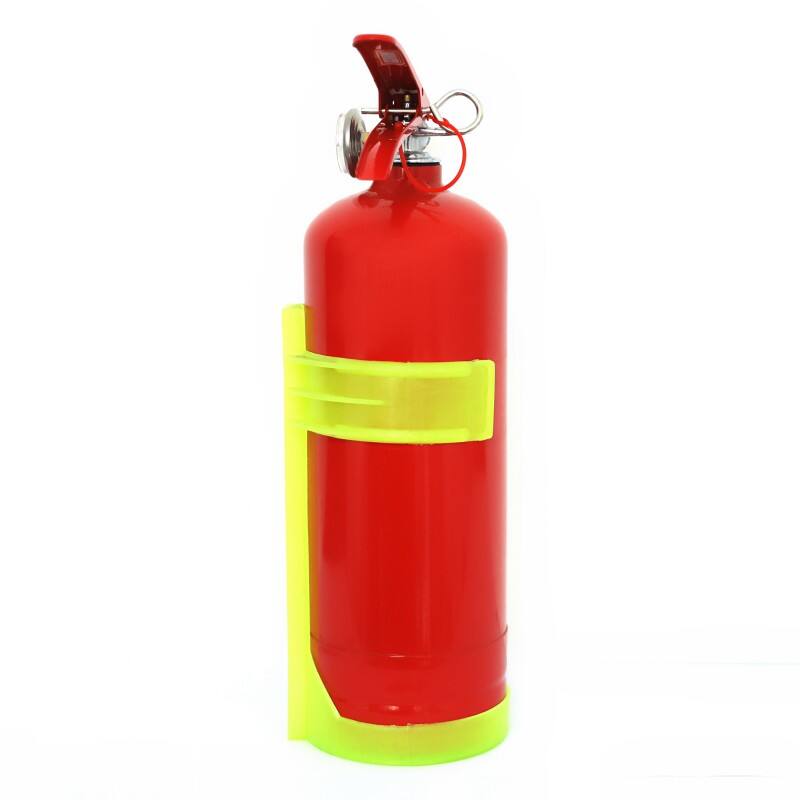
The effectiveness of a dry powder extinguisher stems from its carefully engineered chemical composition, typically consisting of monoammonium phosphate or sodium bicarbonate as primary active ingredients. These compounds work through multiple suppression mechanisms, including flame inhibition, heat absorption, and oxygen displacement. When discharged, the dry powder extinguisher creates a dense cloud that interrupts the chemical chain reaction occurring during combustion processes. The powder particles also form a barrier between fuel sources and oxygen, effectively smothering flames across various fire classifications.
Modern dry powder extinguisher formulations incorporate flow conditioning agents and anti-caking additives to ensure consistent discharge performance under diverse environmental conditions. These specialized compounds prevent powder settling and maintain optimal particle size distribution throughout the extinguisher's service life. The pressurization system, typically utilizing stored nitrogen or carbon dioxide, provides the driving force necessary to propel powder agents across significant distances with sufficient velocity to penetrate flame zones effectively.
Classification Systems and Application Ranges
Fire classification standards define specific categories based on fuel types and combustion characteristics, with dry powder extinguisher units designed to address multiple classification scenarios. Class A fires involving ordinary combustible materials like wood, paper, and textiles respond well to multipurpose dry chemical formulations. Class B fires encompassing flammable liquids and gases require specialized powder compositions that prevent reflash conditions and provide vapor suppression capabilities.
Class C electrical fires present unique challenges requiring non-conductive suppression agents, making dry powder extinguisher technology particularly valuable in electrical equipment protection scenarios. The dielectric properties of dry powder agents prevent electrical conductivity while maintaining effective flame suppression characteristics. Additionally, certain dry powder extinguisher variants address Class D metal fires through specialized compounds designed for specific metal types and reaction temperatures.
Debunking Common Misconceptions About Dry Powder Extinguishers
Myth Versus Reality Regarding Effectiveness
One prevalent misconception suggests that dry powder extinguisher units lack effectiveness compared to other suppression technologies, particularly in outdoor environments. This belief stems from misunderstanding regarding powder dispersion patterns and wind effects on discharge trajectories. In reality, properly designed Dry Powder Extinguisher systems account for environmental factors through specialized nozzle designs and particle characteristics that maintain suppression effectiveness even under challenging conditions.
Another common myth involves the belief that dry powder extinguisher agents cause excessive damage to sensitive equipment and electronics. While powder residue requires cleanup following discharge, modern formulations minimize corrosive effects and facilitate easier removal processes. The temporary inconvenience of cleanup must be weighed against the catastrophic damage potential of uncontrolled fires, making dry powder extinguisher deployment a sound risk management strategy in most industrial applications.
Temperature Performance and Environmental Limitations
Misconceptions regarding temperature limitations often lead to inappropriate dry powder extinguisher selection or placement decisions. Some facility managers incorrectly assume that extreme temperatures render these devices ineffective or unreliable. Contemporary dry powder extinguisher designs incorporate temperature-resistant seals, specialized valve assemblies, and powder formulations that maintain functionality across extended temperature ranges, typically from negative thirty to positive sixty degrees Celsius.
Environmental concerns regarding powder agent toxicity represent another area of confusion among safety professionals. Standard dry powder extinguisher formulations utilize compounds with minimal toxicity profiles, though proper ventilation remains important following discharge events. The environmental impact of dry powder agents is significantly lower compared to historical suppression chemicals, with many formulations featuring biodegradable components that break down naturally over time.
Proper Selection Criteria and Application Guidelines
Facility Assessment and Risk Analysis
Selecting appropriate dry powder extinguisher configurations requires comprehensive facility assessment encompassing fire risk categories, building layouts, and operational requirements. Industrial facilities with mixed fire hazards benefit from versatile dry powder extinguisher systems capable of addressing multiple classification scenarios. The assessment process should evaluate fuel types present, ignition sources, building construction materials, and emergency response capabilities to determine optimal extinguisher placement and capacity requirements.
Risk analysis methodologies incorporate probability calculations, consequence assessments, and regulatory compliance requirements to establish comprehensive fire protection strategies. Dry powder extinguisher specifications must align with national fire safety codes, insurance requirements, and industry-specific standards. Professional fire protection engineers utilize sophisticated modeling software to optimize dry powder extinguisher placement patterns and ensure adequate coverage throughout protected areas.
Maintenance Requirements and Performance Monitoring
Effective dry powder extinguisher performance depends upon rigorous maintenance schedules encompassing visual inspections, pressure testing, and agent replacement protocols. Monthly visual inspections verify gauge readings, seal integrity, and discharge mechanism functionality. Annual professional servicing includes internal component examination, pressure vessel testing, and powder agent analysis to ensure continued reliability and effectiveness.
Documentation requirements mandate detailed maintenance records tracking inspection dates, service activities, and performance test results. These records provide valuable data for regulatory compliance demonstrations and support reliability analysis efforts. Proper record keeping also facilitates predictive maintenance strategies that optimize dry powder extinguisher lifecycle costs while maintaining peak performance capabilities throughout service periods.
Operational Considerations and Best Practices
Training Requirements and User Competency
Effective dry powder extinguisher deployment requires comprehensive user training covering proper operation techniques, safety precautions, and emergency response protocols. Training programs should address the PASS methodology encompassing pull pin removal, aim positioning, squeeze handle activation, and sweep motion execution. Hands-on practice sessions using training units provide valuable experience without depleting actual fire protection equipment reserves.
Advanced training modules cover fire behavior principles, extinguisher selection criteria, and coordination with professional fire services. Personnel responsible for dry powder extinguisher maintenance require specialized training addressing inspection procedures, documentation requirements, and equipment troubleshooting techniques. Regular refresher training ensures maintained competency levels and incorporates updates regarding regulatory changes or technological improvements.
Integration with Building Fire Protection Systems
Modern fire protection strategies emphasize integrated approaches combining multiple suppression technologies and detection systems. Dry powder extinguisher placement must coordinate with sprinkler systems, smoke detection networks, and emergency communication systems to maximize overall protection effectiveness. Strategic positioning ensures rapid access during emergency situations while avoiding interference with other fire protection equipment operation.
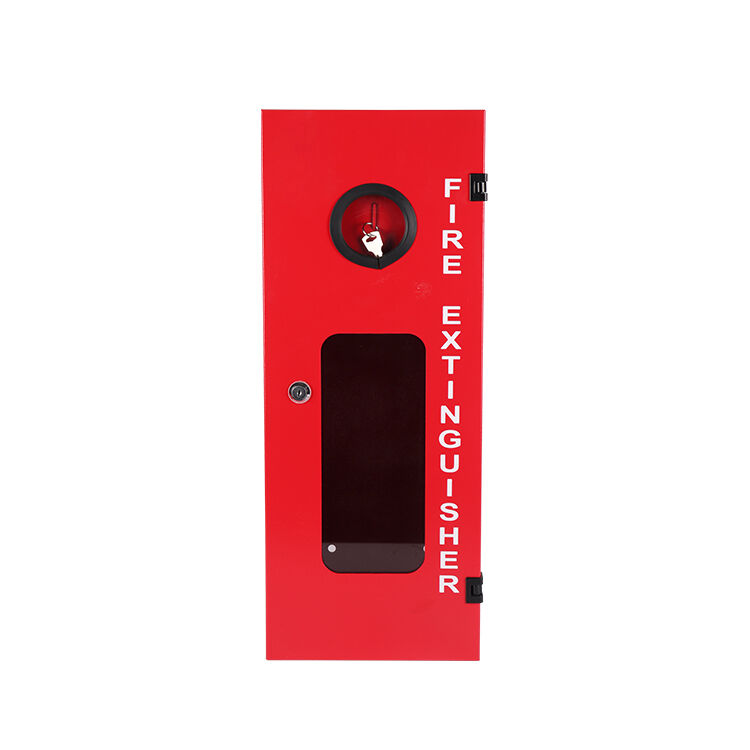
Building design considerations influence dry powder extinguisher placement decisions, including visibility requirements, accessibility standards, and environmental protection needs. Mounting heights, cabinet specifications, and signage requirements must comply with relevant codes while facilitating quick identification and retrieval during emergency situations. Integration planning should also address potential conflicts between different suppression agent types to prevent counterproductive interactions.
Advanced Applications and Specialized Configurations
Industrial and Commercial Deployment Strategies
Large-scale industrial facilities often require specialized dry powder extinguisher configurations addressing unique fire hazards and operational constraints. Wheeled units provide enhanced agent capacity and extended discharge ranges suitable for large open areas and high-risk processes. Mobile dry powder extinguisher systems enable rapid response deployment across multiple facility areas while maintaining centralized maintenance and training programs.
Commercial applications emphasize compact designs and aesthetic considerations while maintaining effective fire suppression capabilities. Retail environments benefit from discrete dry powder extinguisher mounting options that minimize visual impact while ensuring code compliance and accessibility requirements. Office buildings require balanced approaches considering occupant safety, property protection, and business continuity objectives throughout dry powder extinguisher selection processes.
Specialized Environments and Unique Requirements
Marine applications present distinct challenges requiring corrosion-resistant dry powder extinguisher designs and specialized mounting hardware suitable for dynamic environments. Aviation applications demand lightweight configurations meeting strict weight limitations while providing reliable fire suppression performance. These specialized dry powder extinguisher variants incorporate enhanced sealing systems, vibration-resistant components, and altitude-compensated pressure regulation mechanisms.
Chemical processing facilities require dry powder extinguisher selections considering potential agent interactions with process materials and contamination prevention requirements. Clean room environments necessitate specialized formulations minimizing particulate contamination while maintaining effective fire suppression capabilities. Each specialized application requires careful analysis of operational requirements, environmental conditions, and regulatory compliance obligations to ensure optimal dry powder extinguisher performance.
Future Developments and Technology Trends
Innovation in Powder Agent Formulations
Ongoing research and development efforts focus on improving dry powder extinguisher agent formulations through enhanced suppression effectiveness, reduced environmental impact, and improved cleanup characteristics. Nanotechnology applications promise smaller particle sizes and increased surface area ratios, potentially improving suppression efficiency while reducing required agent quantities. Advanced polymer additives enhance flow characteristics and prevent caking under extreme storage conditions.
Biodegradable formulations address growing environmental concerns while maintaining suppression performance standards. These next-generation dry powder extinguisher agents decompose naturally following discharge events, reducing long-term environmental impact and simplifying cleanup procedures. Research initiatives also explore smart powder formulations that change properties based on fire characteristics, providing optimized suppression responses for different combustion scenarios.
Smart Technology Integration
Internet of Things connectivity enables remote monitoring of dry powder extinguisher status parameters including pressure levels, temperature exposure, and maintenance scheduling. Smart sensors provide real-time data regarding extinguisher condition and environmental factors affecting performance. Predictive analytics utilize historical data to optimize maintenance schedules and identify potential reliability issues before equipment failures occur.
Mobile applications facilitate inspection documentation, maintenance tracking, and emergency response coordination. These platforms integrate with building management systems and fire alarm networks to provide comprehensive fire protection monitoring capabilities. Advanced notification systems alert facility managers regarding maintenance requirements, system anomalies, and emergency activation events through multiple communication channels.
FAQ
How long do dry powder extinguishers typically last before requiring replacement
Standard dry powder extinguisher units typically maintain effectiveness for twelve years when properly maintained and serviced according to manufacturer specifications and regulatory requirements. However, the powder agent itself may require replacement every six years depending on environmental conditions and storage factors. Regular inspections and professional servicing ensure continued reliability throughout the equipment lifecycle. Facilities operating under extreme conditions or regulatory requirements may necessitate more frequent replacement cycles.
Can dry powder extinguishers be used safely in confined spaces
Dry powder extinguisher deployment in confined spaces requires careful consideration of ventilation requirements and occupant safety factors. While the suppression agents are generally non-toxic, discharge events create dense clouds that reduce visibility and may cause respiratory irritation. Proper ventilation following discharge events prevents powder accumulation and ensures breathable air quality. Emergency response protocols should address evacuation procedures and respiratory protection requirements when using dry powder extinguishers in enclosed areas.
What maintenance indicators suggest immediate dry powder extinguisher replacement
Critical maintenance indicators requiring immediate dry powder extinguisher replacement include pressure gauge readings outside acceptable ranges, visible corrosion on pressure vessels, damaged discharge mechanisms, or compromised safety pin assemblies. Physical damage to extinguisher bodies, including dents or scratches that penetrate protective coatings, may compromise pressure vessel integrity. Additionally, evidence of powder agent leakage, caking, or contamination necessitates immediate replacement to ensure reliable emergency response capabilities.
Are there specific training requirements for dry powder extinguisher operation
Most jurisdictions require basic fire safety training for personnel responsible for operating portable fire extinguishers, including dry powder extinguisher systems. Training programs typically cover fire classification systems, proper selection criteria, and hands-on operation techniques using the PASS methodology. Advanced training may be required for personnel maintaining or servicing dry powder extinguisher equipment. Employers should consult local fire codes and occupational safety regulations to determine specific training requirements applicable to their facilities and operations.
Table of Contents
- Understanding Dry Powder Fire Extinguisher Technology
- Debunking Common Misconceptions About Dry Powder Extinguishers
- Proper Selection Criteria and Application Guidelines
- Operational Considerations and Best Practices
- Advanced Applications and Specialized Configurations
- Future Developments and Technology Trends
-
FAQ
- How long do dry powder extinguishers typically last before requiring replacement
- Can dry powder extinguishers be used safely in confined spaces
- What maintenance indicators suggest immediate dry powder extinguisher replacement
- Are there specific training requirements for dry powder extinguisher operation

