
 EN
EN
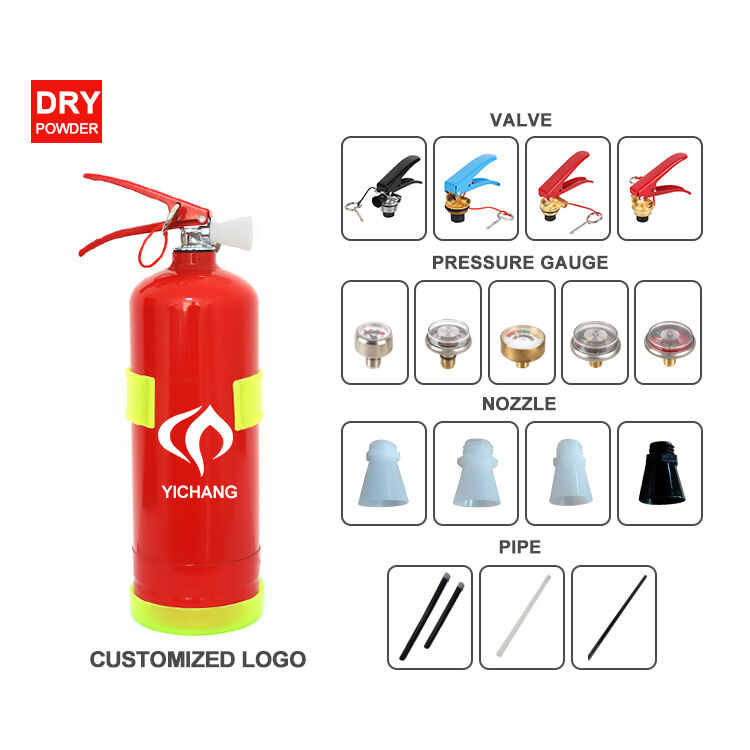
Fire safety remains one of the most critical aspects of workplace and residential protection, with various extinguishing systems designed to combat different types of fires. Among the most versatile and widely used firefighting tools is the dry powder extinguisher, which employs sophisticated chemical mechanisms to suppress flames effectively. Understanding the science behind how these devices operate provides valuable insights into their effectiveness and proper application across diverse fire scenarios. The dry powder extinguisher stands out for its ability to tackle multiple fire classes, making it an essential component of comprehensive fire safety strategies.
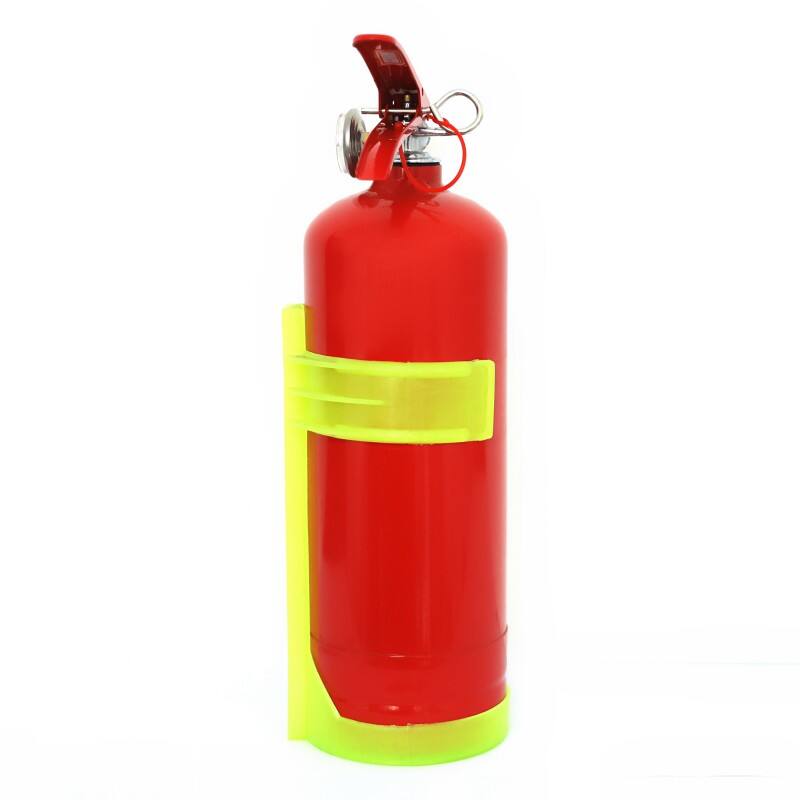
Chemical Composition and Fire Suppression Mechanisms
Primary Active Ingredients
The effectiveness of a dry powder extinguisher stems from its carefully formulated chemical composition, typically containing monoammonium phosphate as the primary active ingredient. This compound serves as the foundation for the extinguisher's multi-class fire suppression capabilities, breaking down under heat to release ammonia and metaphosphoric acid. These decomposition products create a barrier that interrupts the chemical chain reaction necessary for combustion to continue. The monoammonium phosphate content usually comprises 40-75% of the total powder mixture, with additional flow agents and anti-caking compounds ensuring proper dispersal during activation.
Secondary ingredients in dry powder formulations include various flow conditioners such as tricalcium phosphate and silicon compounds, which prevent powder clumping and ensure consistent discharge performance. These additives maintain the powder's fluidity under storage conditions while enhancing its spreading characteristics when expelled from the extinguisher. The precise balance of these components determines the extinguisher's effectiveness across different fire types and environmental conditions, with manufacturers optimizing formulations for specific applications and performance standards.
Chain Reaction Interruption Process
When deployed against flames, the dry powder extinguisher creates a complex series of chemical interactions that effectively break the combustion chain reaction. The powder particles absorb heat energy from the fire, causing thermal decomposition of the active ingredients and releasing free radical scavengers into the flame zone. These scavengers bind with the hydroxyl and hydrogen radicals that sustain combustion, preventing them from continuing the oxidation process that feeds the fire. This mechanism provides rapid flame knockdown compared to other extinguishing agents, making dry powder extinguishers particularly effective for initial fire suppression.
The physical properties of the powder also contribute to fire suppression through thermal absorption and oxygen displacement effects. As the fine particles disperse throughout the fire area, they absorb significant amounts of heat energy, lowering the temperature below the ignition point of the burning material. Additionally, the dense cloud of powder creates a barrier that reduces oxygen availability to the combustion zone, further inhibiting the fire's ability to sustain itself. This multi-faceted approach makes the dry powder extinguisher highly effective against various fire types while providing rapid suppression capabilities.
Fire Classification and Application Effectiveness
Class A Fire Suppression
Class A fires involving ordinary combustible materials such as wood, paper, fabric, and plastic respond well to dry powder extinguisher applications due to the coating and cooling effects of the discharged powder. The monoammonium phosphate breaks down under heat to form a sticky residue that adheres to burning surfaces, creating an insulating barrier that prevents re-ignition. This coating effect is particularly valuable for materials that tend to smolder or reignite after initial suppression, providing extended protection beyond the immediate application period.
The penetration capabilities of dry powder make it effective against deep-seated fires in porous materials where other agents might not reach. The fine particle size allows the powder to work into crevices and gaps where embers might continue burning, ensuring more complete extinguishment. However, the dry powder extinguisher requires thorough application to achieve complete suppression of Class A fires, as inadequate coverage can result in re-ignition from hot spots that weren't properly treated during the initial application.
Class B and Class C Fire Management
Flammable liquid fires classified as Class B present unique challenges that dry powder extinguishers address through rapid flame suppression and vapor suppression mechanisms. The powder creates a blanket effect over liquid fuel surfaces, preventing vapor formation and reducing the fire's intensity while the chemical action interrupts the combustion process. For hydrocarbon fuels, the dry powder extinguisher demonstrates exceptional effectiveness in quickly knocking down flames and preventing flashback, making it ideal for fuel spill incidents and equipment fires.
Electrical fires designated as Class C benefit from the non-conductive properties of dry powder, allowing safe application on energized electrical equipment without creating shock hazards. The powder's insulating characteristics protect both the operator and equipment while effectively suppressing the fire through chemical chain reaction interruption. Unlike water-based agents that can cause electrical hazards and equipment damage, a dry powder extinguisher provides safe and effective suppression without compromising electrical systems or creating additional safety risks.
Operating Mechanism and Discharge Systems
Pressure Generation and Storage
Modern dry powder extinguisher designs utilize either stored pressure or cartridge-operated systems to propel the extinguishing agent toward the fire. Stored pressure units maintain constant internal pressure through compressed nitrogen or air, keeping the system ready for immediate activation when the operating lever is engaged. This design provides consistent discharge performance and eliminates the delay associated with pressure generation during emergency situations. The pressure vessel construction must meet stringent safety standards to ensure reliable operation under various environmental conditions.
Cartridge-operated systems generate discharge pressure through puncturing a separate CO2 or nitrogen cartridge when the extinguisher is activated, providing fresh gas pressure for each use. This design offers advantages in terms of pressure seal longevity and reduced maintenance requirements, as the main chamber remains unpressurized during storage. The cartridge system also allows for pressure testing without affecting the extinguishing agent, simplifying maintenance procedures and extending service life for professional fire protection applications.
Discharge Pattern and Coverage
The discharge mechanism of a dry powder extinguisher creates a wide, cone-shaped spray pattern that maximizes coverage area while maintaining adequate powder density for effective suppression. Internal tube design and nozzle configuration control the discharge velocity and pattern, optimizing powder distribution for different fire scenarios. The wide coverage pattern allows operators to sweep across fire areas efficiently, ensuring comprehensive treatment while maintaining safe distances from the hazard zone.
Discharge duration and range vary based on extinguisher size and internal pressure, with typical units providing 10-25 seconds of continuous operation at ranges up to 15 feet. The powder stream maintains effectiveness throughout its range, though concentration decreases with distance, requiring operators to adjust application techniques accordingly. Professional dry powder extinguisher units often feature adjustable nozzles or interchangeable discharge horns to modify spray patterns for specific applications, enhancing versatility across different fire suppression scenarios.
Advantages and Limitations in Fire Suppression
Performance Benefits
The versatility of dry powder extinguisher systems makes them invaluable for multi-hazard environments where different fire types may occur. Their rapid knockdown capability provides immediate flame suppression, buying critical time for evacuation or additional suppression measures. The non-toxic nature of most dry powder formulations ensures safe use in occupied areas, though visibility reduction during discharge requires consideration for evacuation procedures. Temperature tolerance allows dry powder extinguisher units to function effectively across wide temperature ranges, making them suitable for outdoor applications and extreme climate conditions.
Storage stability represents another significant advantage, as properly maintained dry powder extinguisher systems can remain effective for extended periods without degradation of the extinguishing agent. The powder formulation resists moisture absorption and chemical breakdown, maintaining consistent performance characteristics throughout the service life. This reliability makes dry powder systems cost-effective for applications requiring long-term readiness with minimal maintenance intervention, particularly in remote or infrequently accessed locations.
Application Limitations
Despite their effectiveness, dry powder extinguisher systems present certain limitations that must be considered in fire protection planning. The residue left after discharge can cause significant cleanup challenges and potential equipment damage, particularly in electronic or precision manufacturing environments. The abrasive nature of some powder formulations can harm sensitive components, making alternative suppression methods preferable for protecting valuable equipment or clean room applications.
Wind conditions significantly affect dry powder extinguisher performance in outdoor applications, as air movement can disperse the powder before it reaches the fire effectively. Indoor use in confined spaces may create visibility problems that complicate evacuation efforts, requiring careful consideration of deployment strategies and coordination with building evacuation procedures. The lack of cooling effect compared to water-based systems means that dry powder extinguisher applications may not prevent re-ignition in all scenarios, particularly with materials that retain heat or continue to smolder after initial suppression.
Maintenance and Safety Considerations
Inspection and Testing Requirements
Regular maintenance ensures optimal dry powder extinguisher performance when emergency situations arise, requiring systematic inspection of pressure levels, powder condition, and mechanical components. Monthly visual inspections should verify gauge readings, examine external condition, and check for signs of corrosion or damage that might affect operation. The powder itself requires periodic evaluation for caking, moisture contamination, or chemical degradation that could compromise effectiveness during discharge.
Annual professional servicing involves comprehensive testing of internal components, pressure systems, and discharge mechanisms to maintain certification compliance and operational reliability. This service typically includes powder replacement or reconditioning, seal inspection, and pressure testing to ensure the dry powder extinguisher meets manufacturer specifications and regulatory requirements. Proper documentation of maintenance activities provides traceability for regulatory compliance and helps identify potential issues before they affect emergency performance.
Safe Operation Practices
Proper training in dry powder extinguisher operation ensures effective fire suppression while maintaining operator safety during emergency situations. Operators should understand the PASS technique - Pull the pin, Aim at the base, Squeeze the handle, Sweep side to side - while maintaining appropriate distances from the fire. Wind direction awareness prevents powder blowback that could reduce effectiveness or create visibility problems for the operator during suppression efforts.
Post-discharge procedures require attention to ventilation and cleanup to prevent inhalation of powder residue and restore normal facility operations. While dry powder formulations are generally non-toxic, minimizing exposure through proper ventilation and respiratory protection during cleanup activities represents good safety practice. The dry powder extinguisher should be immediately recharged or replaced after any discharge to maintain fire protection capability, as partially used units may not provide adequate suppression capacity for subsequent emergencies.
FAQ
How long does a dry powder extinguisher last during discharge
A typical dry powder extinguisher provides 10 to 25 seconds of continuous discharge, depending on the unit size and internal pressure. Smaller portable units generally offer shorter discharge times, while larger commercial units can provide extended operation. The discharge time decreases as the powder is expelled and internal pressure drops, so operators should apply the agent efficiently and systematically to maximize effectiveness during the available operating window.
Can dry powder extinguishers be used on all types of fires
Dry powder extinguisher systems are effective against Class A, B, and C fires, making them highly versatile for most common fire scenarios. However, they are not suitable for Class D metal fires or Class K cooking oil fires, which require specialized extinguishing agents. Additionally, dry powder should not be used on sensitive electronic equipment where the residue could cause damage, or in situations where the powder contamination would create unacceptable cleanup or operational problems.
What cleanup is required after using a dry powder extinguisher
Cleanup after dry powder extinguisher use involves thorough removal of powder residue using vacuum equipment or dry cleaning methods, as water can create corrosive solutions with some powder formulations. The residue should be removed promptly to prevent potential equipment damage or corrosion, particularly on metal surfaces or electronic components. Professional cleanup services may be necessary for extensive contamination or sensitive environments to ensure complete residue removal and prevent long-term damage.
How often should dry powder extinguishers be inspected and serviced
Monthly visual inspections are recommended to check pressure gauges, external condition, and accessibility, while professional annual maintenance ensures internal components remain in proper working condition. The extinguishing powder should be evaluated periodically for signs of caking or contamination that could affect discharge performance. Hydrostatic testing is typically required every 12 years for most dry powder extinguisher units, though specific requirements may vary based on local regulations and manufacturer recommendations for different applications and environments.

