
 EN
EN
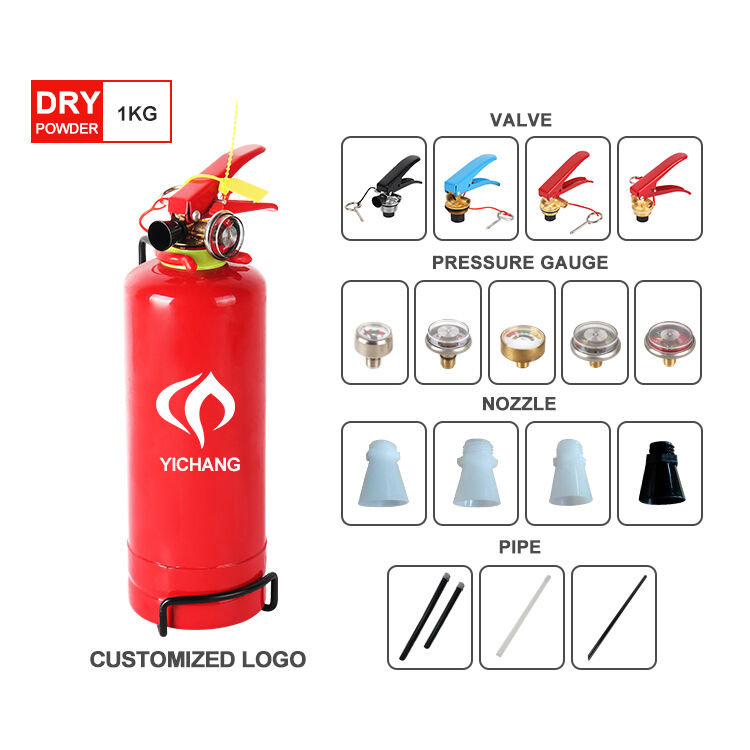
Understanding how to properly read a fire extinguisher pressure gauge is essential for maintaining fire safety equipment and ensuring optimal performance during emergencies. A pressure gauge serves as the primary indicator of whether your fire extinguisher contains adequate pressure to function effectively when needed most. Fire safety professionals and facility managers rely on accurate pressure gauge readings to determine when maintenance or replacement is necessary, making this skill crucial for anyone responsible for fire protection systems.
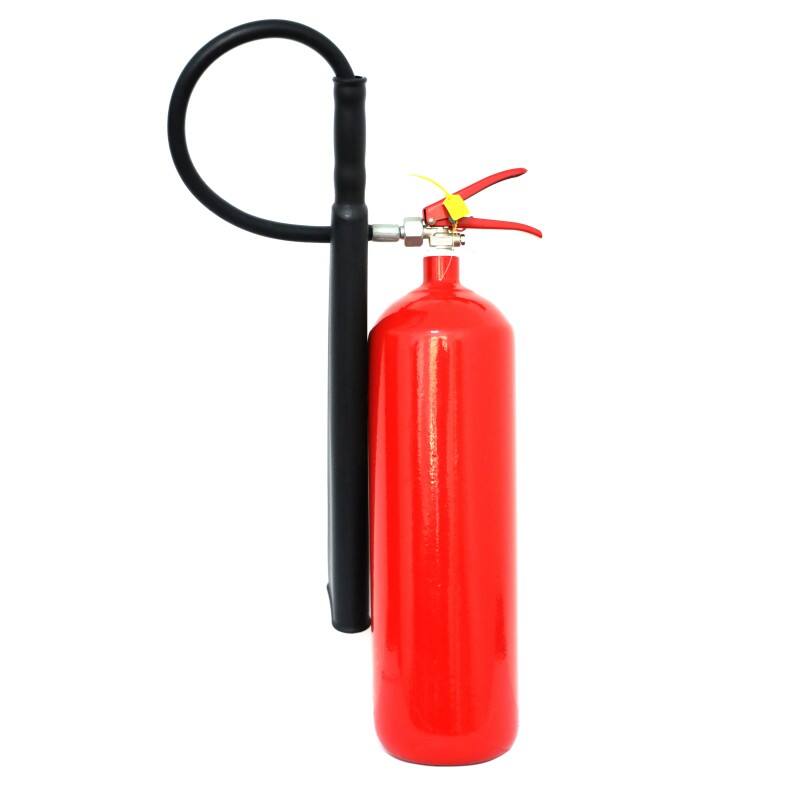
The pressure gauge on a fire extinguisher provides critical information about internal pressure levels and operational readiness. Modern fire extinguishers typically feature either analog or digital pressure gauges, each designed to provide clear visual indicators of pressure status. Regular monitoring of these gauges ensures compliance with safety regulations and prevents equipment failure during critical moments when lives and property depend on proper fire suppression capabilities.
Understanding Fire Extinguisher Pressure Systems
Basic Pressure Gauge Components
Fire extinguisher pressure gauges consist of several key components that work together to provide accurate readings. The gauge face displays numerical pressure values measured in pounds per square inch (PSI) or bars, depending on the manufacturer and regional standards. Most pressure gauges feature color-coded zones that indicate acceptable, marginal, and unacceptable pressure ranges for quick visual assessment.
The needle or digital display serves as the primary indicator, pointing to current pressure levels within the extinguisher cylinder. Quality pressure gauges incorporate protective glass or plastic covers to prevent damage from environmental factors while maintaining visibility for routine inspections. Understanding these fundamental components helps operators interpret readings accurately and make informed decisions about equipment maintenance.
Pressure Requirements for Different Extinguisher Types
Different fire extinguisher types require specific pressure ranges for optimal performance, making pressure gauge monitoring type-specific. Dry chemical extinguishers typically operate between 150-200 PSI, while carbon dioxide units may require higher pressures due to their unique storage and discharge mechanisms. Water-based extinguishers generally maintain lower pressure requirements compared to pressurized dry chemical systems.
Understanding these variations helps technicians and safety personnel establish appropriate inspection protocols for mixed fire suppression systems. Each extinguisher type features pressure gauge calibrations designed specifically for its intended operating parameters, ensuring accurate readings across diverse fire suppression applications. Regular training on pressure requirements prevents misinterpretation of gauge readings and maintains system reliability.
Reading Analog Pressure Gauges
Color Zone Interpretation
Analog pressure gauges typically feature three distinct color zones that provide immediate visual indication of extinguisher status. The green zone represents optimal operating pressure, indicating the fire extinguisher is fully charged and ready for use. Yellow or amber zones suggest marginal pressure levels that require attention but may still provide limited fire suppression capability during emergencies.
Red zones indicate dangerously low pressure levels that render the fire extinguisher ineffective for fire suppression purposes. When the pressure gauge needle points to red zones, immediate service or replacement becomes necessary to restore fire protection capabilities. Some advanced gauges include additional color coding for over-pressurization conditions that may indicate internal component failure or improper charging procedures.
Needle Position Assessment
Proper needle position assessment requires understanding both numerical values and their relationship to color-coded zones on the pressure gauge face. The needle should point steadily within the green operating range without fluctuation or drift that might indicate internal leakage or valve problems. Experienced technicians observe needle stability over time to identify developing issues before they compromise fire suppression effectiveness.
Environmental factors such as temperature changes can cause temporary pressure variations that affect needle position on the pressure gauge. Cold temperatures typically reduce pressure readings, while heat exposure increases internal pressure and corresponding gauge readings. Understanding these environmental influences prevents unnecessary maintenance actions while ensuring genuine pressure problems receive prompt attention.
Digital Pressure Gauge Technology
Advanced Display Features
Digital pressure gauge technology offers enhanced accuracy and additional monitoring capabilities compared to traditional analog systems. Modern digital gauges provide precise numerical readings with decimal point accuracy, eliminating interpretation errors common with analog needle positions. Many digital pressure gauges incorporate backlit displays for improved visibility in low-light conditions commonly found in industrial or emergency situations.
Advanced digital models include memory functions that record maximum and minimum pressure readings over specified time periods. This historical data helps maintenance teams identify gradual pressure loss patterns and schedule preventive maintenance before critical failures occur. Some digital pressure gauges feature programmable alarm functions that alert operators when pressure drops below predetermined thresholds.
Calibration and Maintenance Requirements
Digital pressure gauges require regular calibration to maintain accuracy standards required for fire safety applications. Professional calibration services use certified reference standards to verify and adjust digital gauge readings within acceptable tolerance ranges. Most manufacturers recommend annual calibration for critical fire suppression applications, though some high-use environments may require more frequent verification.
Battery replacement represents a primary maintenance requirement for digital pressure gauge systems, with most units providing low battery warnings well before power depletion affects accuracy. Proper storage and handling procedures protect sensitive electronic components from moisture, vibration, and temperature extremes that could compromise measurement reliability. Regular cleaning of display screens ensures continued readability during routine inspections and emergency situations.
Troubleshooting Common Pressure Issues
Low Pressure Diagnosis
Low pressure readings on a fire extinguisher pressure gauge typically indicate one of several common problems that require different corrective approaches. Slow leakage through valve seals or cylinder connections represents the most frequent cause of gradual pressure loss over time. These leaks may be virtually undetectable during casual inspection but become apparent through systematic pressure monitoring using accurate pressure gauge readings.
Temperature-related pressure variations can temporarily reduce gauge readings below normal operating ranges without indicating actual equipment failure. Extinguishers stored in cold environments often show reduced pressure that returns to normal when brought to standard temperature conditions. Distinguishing between genuine pressure loss and temperature effects requires understanding the relationship between ambient conditions and pressure gauge behavior.
Over-Pressurization Concerns
Excessive pressure readings on a fire extinguisher pressure gauge pose serious safety risks and require immediate attention from qualified service technicians. Over-pressurization can result from improper charging procedures, faulty pressure relief devices, or exposure to extreme heat sources that increase internal cylinder pressure beyond safe operating limits. These conditions may compromise cylinder integrity and create explosion hazards during handling or discharge operations.
Identifying over-pressurization requires careful observation of pressure gauge readings relative to manufacturer specifications and environmental conditions. Gauges showing pressure levels significantly above normal ranges, especially when accompanied by visible cylinder distortion or unusual sounds, indicate potentially dangerous conditions requiring immediate isolation and professional service. Never attempt to discharge or service over-pressurized extinguishers without proper safety equipment and training.
Maintenance and Inspection Protocols
Regular Inspection Schedules
Establishing systematic inspection schedules ensures consistent monitoring of fire extinguisher pressure gauge readings and overall system reliability. Monthly visual inspections should include pressure gauge verification, physical condition assessment, and documentation of any abnormal readings or visible damage. These routine checks help identify developing problems before they compromise fire protection capabilities during emergency situations.
Annual professional inspections provide comprehensive evaluation of pressure gauge accuracy, internal cylinder condition, and overall extinguisher performance. Certified technicians use specialized equipment to verify gauge calibration, test discharge mechanisms, and assess internal component integrity. This professional maintenance ensures compliance with fire safety regulations and maintains optimal system performance throughout the service life of fire suppression equipment.
Documentation and Record Keeping
Proper documentation of pressure gauge readings and maintenance activities creates valuable historical records for tracking equipment performance and compliance verification. Inspection logs should include date, time, pressure gauge readings, environmental conditions, and any corrective actions taken during routine maintenance procedures. These records help identify patterns in equipment behavior and support warranty claims when manufacturer defects affect pressure gauge accuracy.
Digital record-keeping systems offer enhanced data management capabilities for large fire suppression installations with multiple pressure gauge monitoring requirements. Cloud-based maintenance management systems enable real-time tracking of inspection schedules, automatic reminder generation, and comprehensive reporting for regulatory compliance purposes. Integrating pressure gauge data with broader facility management systems improves overall fire safety program effectiveness and reduces administrative overhead associated with manual record keeping.
Safety Considerations and Best Practices
Personal Protection During Inspections
Pressure gauge inspection procedures require appropriate personal protective equipment to ensure inspector safety during routine maintenance activities. Safety glasses protect against potential gauge glass breakage or debris during handling, while appropriate hand protection prevents cuts from damaged components or sharp edges on extinguisher cylinders. Understanding pressure-related hazards helps inspection personnel recognize dangerous conditions and take appropriate precautions.
Training programs should emphasize proper handling techniques for pressurized systems and emergency procedures for dealing with unexpected pressure releases or equipment failure. Inspectors must understand the relationship between pressure gauge readings and potential energy stored within fire extinguisher cylinders to assess risk levels accurately. Regular safety training updates ensure inspection personnel remain current with evolving best practices and regulatory requirements.
Environmental Impact Considerations
Environmental factors significantly influence pressure gauge performance and reading accuracy, requiring consideration during inspection and maintenance planning. Temperature fluctuations affect both actual cylinder pressure and gauge mechanism accuracy, potentially leading to misinterpretation of readings if environmental conditions are not properly accounted for during assessments. Humidity levels can also impact gauge components, particularly in coastal or high-moisture environments.
Proper storage conditions help maintain pressure gauge accuracy and extend service life of fire suppression equipment. Protecting extinguishers from direct sunlight, extreme temperatures, and corrosive atmospheres preserves gauge functionality and ensures reliable pressure readings throughout the equipment service life. Understanding these environmental relationships helps facility managers optimize storage conditions and maintenance schedules for maximum system reliability.
FAQ
What should I do if my fire extinguisher pressure gauge shows red
When a fire extinguisher pressure gauge indicates red zone readings, the unit requires immediate attention and should be removed from service until properly recharged or replaced. Red zone readings typically indicate insufficient pressure for effective fire suppression, making the extinguisher unreliable during emergencies. Contact a certified fire equipment service provider to evaluate the cause of pressure loss and perform necessary repairs or recharging procedures before returning the unit to active service.
How often should I check my fire extinguisher pressure gauge
Fire extinguisher pressure gauges should be visually inspected monthly as part of routine fire safety maintenance procedures. This frequency allows for early detection of pressure loss or gauge damage that could compromise fire protection capabilities. Additionally, annual professional inspections by certified technicians ensure gauge accuracy and overall system integrity, helping maintain compliance with fire safety regulations and optimal equipment performance.
Can environmental temperature affect pressure gauge readings
Yes, environmental temperature significantly affects both actual cylinder pressure and pressure gauge readings in fire extinguishers. Cold temperatures typically reduce pressure readings, while hot conditions increase internal pressure and corresponding gauge indications. These temperature-related variations are normal and usually temporary, but extreme conditions may require professional evaluation to distinguish between environmental effects and genuine equipment problems requiring corrective action.
What causes a fire extinguisher pressure gauge to fail
Fire extinguisher pressure gauge failures commonly result from physical damage, internal corrosion, calibration drift, or exposure to extreme environmental conditions. Impact damage from dropping or rough handling can affect gauge accuracy or cause complete failure of measurement mechanisms. Regular inspection and proper handling help prevent many failure modes, while professional calibration services ensure continued accuracy throughout the gauge service life in critical fire protection applications.

