
 EN
EN
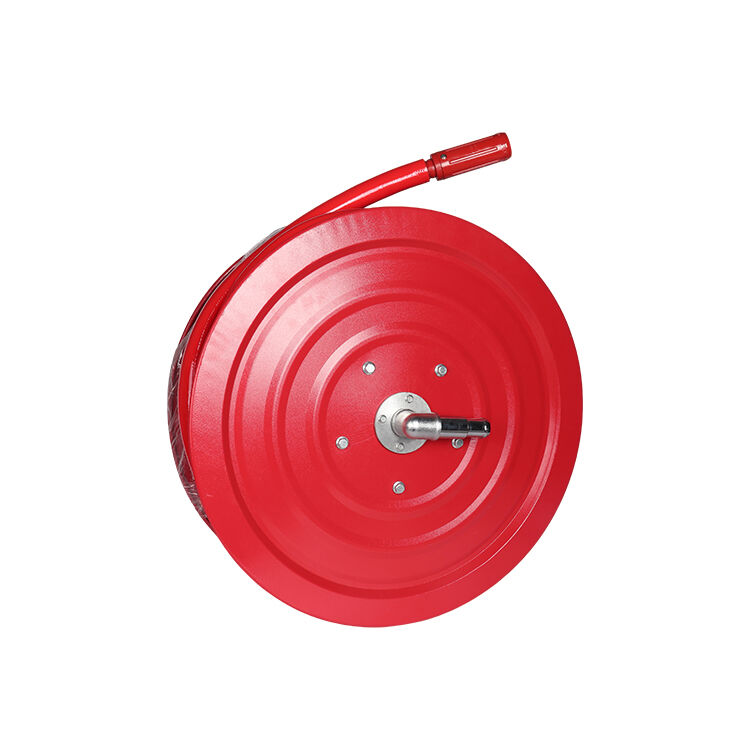
Fire extinguisher systems are critical safety components in industrial and commercial environments, with the valve serving as the most crucial element controlling the release of extinguishing agents. A malfunctioning valve can render an entire fire suppression system ineffective, potentially leading to catastrophic consequences during emergencies. Understanding common valve problems and their solutions ensures optimal system performance and regulatory compliance across various industrial applications.
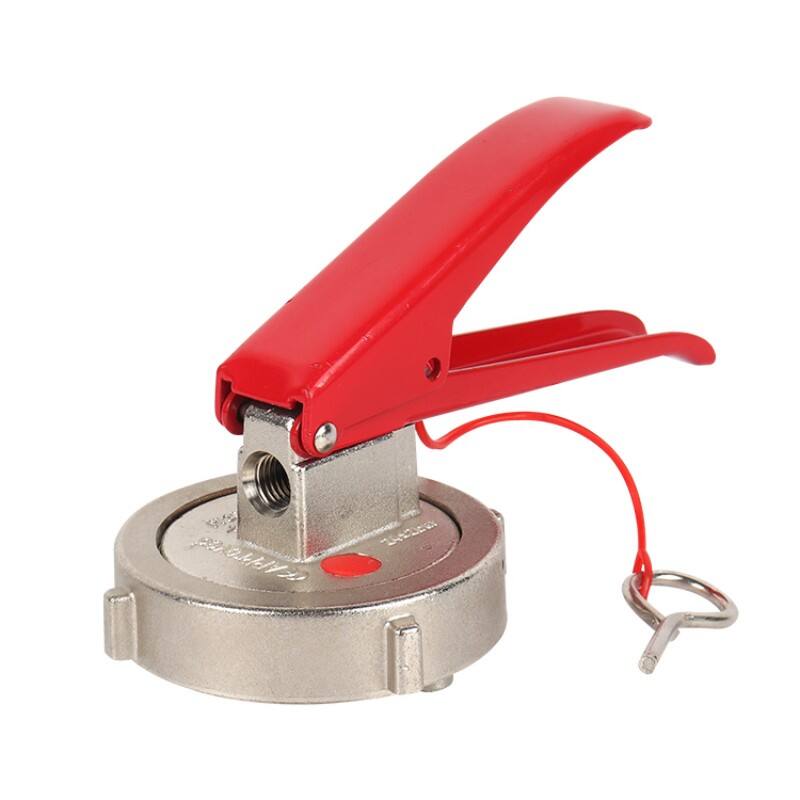
Fire extinguisher valve failures occur more frequently than many facility managers realize, often remaining undetected until emergency situations arise. Regular maintenance protocols must address specific valve components including seals, springs, actuators, and pressure relief mechanisms. Proper valve maintenance extends beyond visual inspections to include functional testing, pressure verification, and component replacement scheduling.
Pressure Regulation Issues in Fire Extinguisher Systems
Symptoms of Pressure Loss in Valve Assemblies
Pressure regulation problems manifest through several observable symptoms within fire extinguisher valve systems. Initial indicators include slow response times during activation, reduced discharge pressure, and inconsistent agent flow rates. These symptoms typically develop gradually, making early detection challenging without systematic monitoring protocols.
Advanced pressure loss symptoms include complete valve failure during critical moments and inability to maintain minimum operating pressures. Professional technicians utilize specialized pressure gauges and testing equipment to identify subtle pressure variations that indicate developing valve problems. Regular pressure testing schedules help prevent catastrophic valve failures during emergency situations.
Facility managers should establish baseline pressure measurements for each valve assembly to track performance degradation over time. Documentation of pressure readings enables predictive maintenance strategies and helps identify patterns indicating specific valve component failures. Consistent monitoring protocols ensure early intervention before complete system compromise occurs.
Correcting Pressure-Related Valve Malfunctions
Resolving pressure regulation issues requires systematic diagnosis of valve internal components and associated pressure relief systems. Primary correction methods include seal replacement, spring adjustment, and pressure regulator recalibration. Professional service technicians must follow manufacturer specifications when adjusting pressure settings to ensure optimal performance characteristics.
Valve pressure correction procedures often involve complete disassembly and component inspection using precision measuring tools. Replacement parts must meet original equipment manufacturer standards to maintain system integrity and regulatory compliance. Installation of aftermarket valve components may compromise performance and void warranty protections.
Quality control measures during pressure correction include pre-service and post-service testing protocols using certified pressure testing equipment. Technicians document all pressure measurements and component replacements to maintain comprehensive service records. Proper documentation supports regulatory compliance and helps establish maintenance intervals for future service requirements.
Seal Deterioration and Replacement Strategies
Identifying Worn Seals in Valve Mechanisms
Seal deterioration represents one of the most common valve-related problems in fire extinguisher systems, often caused by environmental factors, chemical exposure, and normal wear cycles. Visual inspection techniques reveal obvious seal damage including cracking, hardening, and material degradation. However, internal seal problems require specialized diagnostic procedures to identify developing failures.
Professional diagnosis involves pressure testing protocols that isolate seal performance from other valve components. Technicians use controlled pressure applications to identify specific seal locations experiencing leakage or performance degradation. Documentation of seal condition helps establish replacement schedules and identify environmental factors contributing to premature failure.
Environmental considerations affecting seal longevity include temperature variations, chemical exposure, and humidity levels within installation areas. Different seal materials offer varying resistance to specific environmental conditions, requiring careful selection based on operational requirements. Regular environmental monitoring helps predict seal replacement intervals and optimize material selection strategies.
Professional Seal Replacement Procedures
Seal replacement procedures require complete valve disassembly using appropriate tools and safety protocols to prevent component damage. Professional technicians follow manufacturer specifications for seal installation including proper orientation, lubrication requirements, and torque specifications. Incorrect installation techniques can cause premature seal failure and compromise overall valve performance.
Quality seal materials must meet specific performance standards including pressure resistance, temperature tolerance, and chemical compatibility requirements. Original equipment manufacturer seals provide optimal performance characteristics and maintain warranty protections. Generic replacement seals may offer cost savings but potentially compromise long-term reliability and system performance.
Post-installation testing protocols verify proper seal function through controlled pressure applications and leak detection procedures. Comprehensive testing ensures complete seal integrity before returning systems to operational status. Documentation of replacement procedures and testing results supports maintenance scheduling and regulatory compliance requirements.
Actuator Mechanism Failures and Solutions
Common Actuator Problems in Fire Extinguisher Valves
Actuator mechanisms within fire extinguisher valve assemblies experience failures related to mechanical wear, corrosion, and calibration drift over extended service periods. Manual actuators develop problems including stiff operation, incomplete activation, and mechanical binding that prevent proper valve function. These issues often result from lack of regular maintenance and environmental exposure.
Automatic actuator systems face additional complexity through electronic components, thermal sensors, and pneumatic control systems. Failure modes include sensor drift, electronic component degradation, and pneumatic pressure loss affecting activation reliability. Diagnostic procedures must address both mechanical and electronic aspects of actuator operation to ensure comprehensive problem resolution.
Environmental factors significantly impact actuator longevity including dust accumulation, moisture exposure, and temperature extremes within installation locations. Regular cleaning protocols and environmental protection measures help extend actuator service life and maintain reliable operation. Preventive maintenance schedules should address specific environmental challenges affecting actuator performance in different installation scenarios.
Actuator Repair and Replacement Techniques
Actuator repair procedures vary significantly depending on the specific mechanism type and failure mode identified during diagnostic evaluation. Manual actuators often require lubrication, adjustment, or component replacement to restore proper operation. Repair techniques must follow manufacturer specifications to maintain optimal performance and safety characteristics.
Automatic actuator systems typically require specialized diagnostic equipment and technical expertise for proper repair procedures. Electronic components may need recalibration, replacement, or software updates to restore functionality. Professional service technicians utilize manufacturer-specific tools and procedures to ensure proper actuator operation and system integration.
Replacement actuators must match original specifications including activation pressure, response time, and environmental ratings to maintain system integrity. Installation procedures require careful attention to mounting hardware, electrical connections, and calibration settings. Post-installation testing verifies proper actuator function and system integration before returning to operational status.
Corrosion Prevention and Treatment Methods
Understanding Corrosion Effects on Valve Performance
Corrosion within fire extinguisher valve assemblies develops through various mechanisms including galvanic action, chemical exposure, and atmospheric moisture effects. Internal corrosion affects critical valve components including seats, stems, and body passages, potentially causing complete valve failure during emergency activation. Understanding corrosion mechanisms helps develop effective prevention strategies for different operating environments.
External corrosion impacts valve operation through actuator mechanisms, mounting hardware, and connection points that support proper system integration. Visual inspection techniques identify obvious corrosion damage, while internal inspection requires valve disassembly and specialized evaluation procedures. Early corrosion detection enables preventive intervention before complete component replacement becomes necessary.
Different materials within valve assemblies exhibit varying corrosion resistance characteristics depending on environmental exposure and chemical compatibility factors. Brass, stainless steel, and specialized alloy components require specific maintenance approaches to prevent corrosion-related failures. Material selection during initial installation significantly impacts long-term maintenance requirements and system reliability.
Implementing Effective Corrosion Prevention Programs
Corrosion prevention programs incorporate regular inspection schedules, environmental control measures, and protective coating applications to extend valve service life. Professional maintenance protocols include cleaning procedures, lubrication applications, and protective treatments that prevent corrosion initiation. Consistent application of prevention measures significantly reduces valve replacement costs and improves system reliability.
Environmental modifications including humidity control, chemical exposure reduction, and atmospheric protection help minimize corrosion factors affecting valve performance. Installation location considerations should address drainage, ventilation, and protection from corrosive atmospheric conditions. Proper installation practices prevent many corrosion-related problems from developing over extended service periods.
Treatment of existing corrosion requires careful evaluation to determine repair feasibility versus component replacement requirements. Minor corrosion may respond to cleaning and protective coating applications, while advanced corrosion typically necessitates complete valve replacement. Professional evaluation helps determine the most cost-effective approach for addressing specific corrosion conditions.
Calibration and Testing Protocols
Establishing Proper Valve Calibration Procedures
Valve calibration procedures ensure proper activation pressure, flow rate characteristics, and response time specifications according to manufacturer requirements and regulatory standards. Calibration protocols require specialized testing equipment including precision pressure gauges, flow measurement devices, and timing instruments. Professional technicians follow documented procedures to maintain calibration accuracy and traceability.
Initial calibration establishes baseline performance characteristics for new valve installations and provides reference points for future maintenance activities. Calibration records document specific settings, test results, and environmental conditions affecting valve performance. Comprehensive documentation supports regulatory compliance and helps identify performance trends indicating developing problems.
Recalibration intervals depend on manufacturer recommendations, regulatory requirements, and environmental factors affecting valve operation. High-use applications or harsh environmental conditions may require more frequent calibration to maintain optimal performance. Established calibration schedules help prevent performance degradation and ensure reliable emergency response capabilities.
Comprehensive Testing and Documentation Requirements
Testing protocols verify proper valve function through controlled activation procedures that simulate emergency conditions without compromising system integrity. Professional testing includes pressure verification, flow rate measurement, and response time evaluation using calibrated instruments. Testing procedures must follow manufacturer specifications and regulatory requirements for comprehensive system evaluation.
Documentation requirements include detailed test records, calibration certificates, and maintenance history that support regulatory compliance and warranty protections. Professional service providers maintain comprehensive records that track valve performance over extended service periods. Proper documentation helps identify patterns indicating specific maintenance requirements or component replacement needs.
Quality assurance measures ensure testing accuracy and reliability through equipment calibration, procedure validation, and technician certification requirements. Testing equipment must maintain current calibration certificates and traceability to national standards. Professional service providers invest in quality testing equipment and technician training to deliver reliable valve testing services that support system reliability and regulatory compliance.
FAQ
How often should fire extinguisher valves be professionally inspected
Professional valve inspections should occur annually for most applications, with more frequent inspections required in harsh environments or high-use situations. Monthly visual inspections help identify obvious problems, while annual professional service includes comprehensive testing and component evaluation. Regulatory requirements may specify different inspection intervals depending on installation type and local codes.
What are the signs that indicate immediate valve replacement is necessary
Immediate replacement indicators include visible corrosion damage, failed pressure testing, inability to achieve proper activation pressure, and mechanical binding preventing proper operation. Complete seal failure, cracked valve body components, or actuator mechanism damage also necessitate immediate replacement. Professional evaluation helps determine repair feasibility versus replacement requirements for specific valve conditions.
Can valve problems be prevented through proper maintenance practices
Proper maintenance significantly reduces valve problems through regular inspection, cleaning, lubrication, and component replacement before failure occurs. Environmental protection measures, proper installation practices, and adherence to manufacturer maintenance schedules help prevent many common valve problems. Preventive maintenance costs less than emergency repairs and ensures reliable system performance during critical situations.
What qualifications should technicians have for fire extinguisher valve service
Qualified technicians should possess relevant certifications, manufacturer training, and experience with fire suppression systems. Professional certifications demonstrate competency in safety procedures, testing protocols, and regulatory compliance requirements. Ongoing training ensures technicians stay current with evolving technologies and maintain proper service capabilities for different valve types and applications.

