
 EN
EN
Knowing how to properly use a fire extinguisher can mean the difference between a minor incident and a devastating fire that destroys property and endangers lives. Every year, thousands of fires could be prevented or contained if people understood the basic principles of fire extinguisher operation. Whether you're a homeowner, business owner, or safety professional, mastering fire extinguisher usage is an essential life skill that requires proper training and understanding of different extinguisher types and their applications.
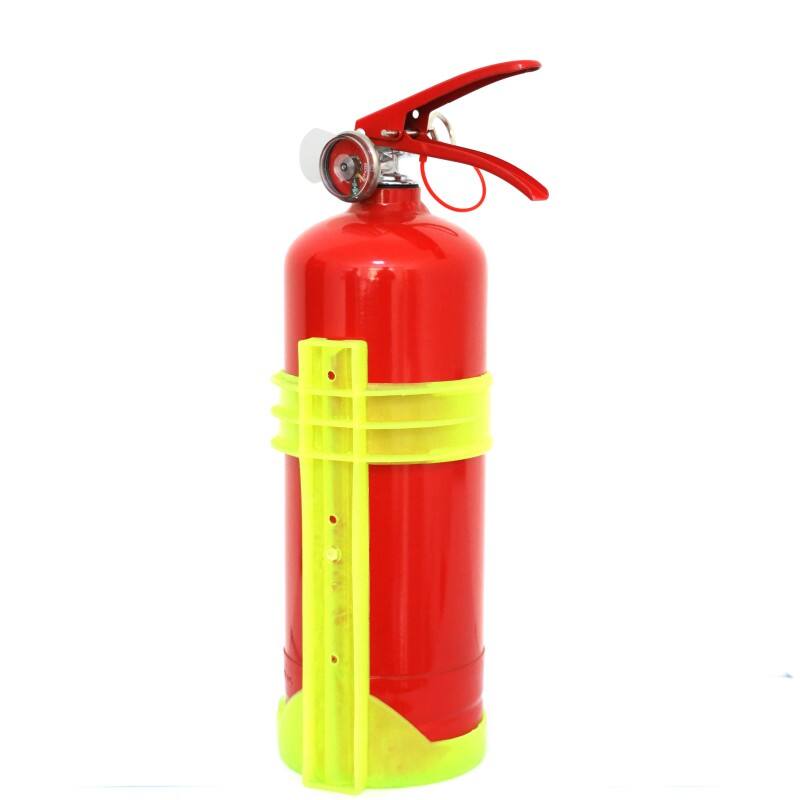
Fire safety equipment serves as the first line of defense against small fires before they escalate into uncontrollable blazes. A fire extinguisher works by removing one of the three elements necessary for combustion: heat, fuel, or oxygen. Understanding this fundamental principle helps users select the appropriate extinguisher type and apply it effectively. Modern fire extinguishers are designed with user-friendly mechanisms, but their effectiveness depends entirely on proper technique and timely deployment during emergency situations.
Understanding Fire Extinguisher Types and Classifications
Class A Fire Extinguishers for Ordinary Combustibles
Class A fire extinguishers are specifically designed to combat fires involving ordinary combustible materials such as wood, paper, fabric, and most plastics. These extinguishers typically contain water or foam-based agents that cool the burning material below its ignition temperature. The cooling effect removes heat from the fire triangle, effectively suppressing the flames and preventing re-ignition. Water-based fire extinguisher units are among the most common types found in residential and commercial settings.
When using a Class A fire extinguisher, the operator should aim at the base of the flames rather than the visible fire itself. The water or foam agent must penetrate the burning material to achieve complete extinguishment. These extinguishers are highly effective for common household fires but should never be used on electrical fires or flammable liquid fires, as they can spread the fire or create electrical hazards for the user.
Class B and C Fire Extinguisher Applications
Class B fire extinguishers target flammable liquid fires involving gasoline, oil, grease, and similar substances. These units typically contain dry chemical agents or carbon dioxide that smother the fire by displacing oxygen. Class C extinguishers are designed for electrical fires and use non-conductive agents to avoid electrical shock risks. Many modern fire extinguisher models are rated for multiple fire classes, providing versatility in emergency situations.
The technique for using Class B and C extinguishers differs from Class A applications. Users must sweep the discharge across the fire surface to create a blanket effect that prevents oxygen from reaching the fuel source. Maintaining proper distance and using smooth, controlled movements ensures maximum coverage and effectiveness. Professional fire safety training emphasizes the importance of understanding these distinctions to prevent improper extinguisher selection during emergencies.
The PASS Method for Fire Extinguisher Operation
Pull the Safety Pin Correctly
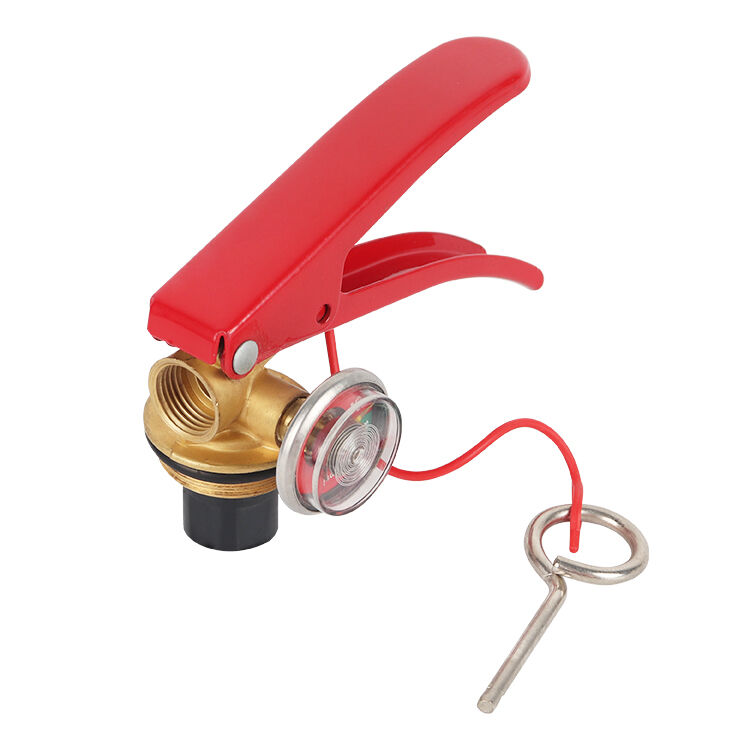
The first step in operating any fire extinguisher involves removing the safety pin that prevents accidental discharge. This pin is typically located at the top of the extinguisher and may have a plastic or metal ring attached for easy gripping. Some fire extinguisher models include tamper seals that break when the pin is removed, indicating the unit has been activated. Users should pull the pin straight out with a firm, deliberate motion while maintaining control of the extinguisher body.
After removing the safety pin, inspect the pressure gauge if present to ensure the fire extinguisher is properly charged. A green zone indicates adequate pressure, while red zones suggest the unit may be over or under-pressurized. Never attempt to use a fire extinguisher that shows signs of damage or improper pressure levels, as it may fail to operate effectively during critical moments when lives and property are at stake.
Aim at the Fire Base
Proper aiming technique is crucial for fire extinguisher effectiveness and user safety. The discharge should be directed at the base of the flames where the fuel source is located, not at the visible flames themselves. This approach allows the extinguishing agent to attack the source of combustion rather than just the visible fire effects. Maintaining a safe distance of approximately six to eight feet provides optimal coverage while keeping the operator away from dangerous heat and flames.
Wind direction and ventilation patterns can significantly affect fire extinguisher performance and user safety. Always position yourself with the wind at your back when possible to prevent the extinguishing agent from blowing back toward you. Indoor environments require consideration of ventilation systems that might disperse the agent or spread fire and smoke. Professional training emphasizes situational awareness and proper positioning as key factors in successful fire suppression efforts.
Squeeze and Sweep Techniques
The squeezing action activates the fire extinguisher mechanism and controls the flow of extinguishing agent. Apply firm, steady pressure to the handle or trigger mechanism while maintaining control of the discharge horn or nozzle. Most fire extinguisher units provide between 10 to 30 seconds of discharge time, making efficient use of the agent critical for successful fire suppression. Practice proper grip and stance techniques during training to ensure steady operation under stress.
Sweeping motion distributes the extinguishing agent evenly across the fire area, preventing hot spots that could cause re-ignition. Start sweeping from one side of the fire and work systematically across the entire burning area. Continue the sweeping motion until the Fire Extinguisher is completely empty, even after visible flames disappear. This thorough approach ensures complete suppression and reduces the risk of fire rekindling after initial extinguishment efforts.
Safety Considerations and Pre-Use Assessment
Evaluating Fire Size and Escape Routes
Before attempting to use any fire extinguisher, conduct a rapid assessment of the fire size and available escape routes. Fires that exceed the size of a small waste basket or that involve structural elements should be left to professional firefighters. The general rule states that if a fire is larger than you can safely handle with a single fire extinguisher discharge, evacuation is the priority. Never turn your back on a fire or allow it to block your exit path during suppression attempts.
Escape route planning must account for smoke movement and potential fire spread patterns. Smoke can obscure vision and create disorientation, while toxic gases pose immediate health risks. Always maintain awareness of at least two exit routes when operating a fire extinguisher, and ensure other occupants have evacuated the area. Fire suppression should never be attempted if doing so delays evacuation or puts additional people at risk.
Personal Protective Measures
Personal safety equipment becomes crucial when operating fire extinguishers in emergency situations. While full protective gear may not be immediately available, basic precautions can reduce injury risks. Stay low to avoid smoke inhalation, and cover exposed skin when possible to prevent burns from heat or splashing extinguishing agents. Some fire extinguisher types produce residue that can irritate eyes and respiratory systems, requiring post-incident medical evaluation.
Environmental hazards extend beyond the immediate fire threat when using certain extinguisher types. Carbon dioxide extinguishers can displace oxygen in confined spaces, creating asphyxiation risks. Dry chemical agents may create slippery surfaces that increase fall hazards. Professional fire safety training addresses these secondary risks and emphasizes the importance of post-suppression area assessment and cleanup procedures to prevent additional injuries.
Maintenance and Inspection Requirements
Monthly Visual Inspection Procedures
Regular fire extinguisher maintenance ensures reliable operation during emergency situations. Monthly visual inspections should verify that the unit is in its designated location, easily accessible, and shows no signs of physical damage. Check the pressure gauge to confirm proper charge levels, and examine the safety pin and tamper seal for integrity. Any signs of corrosion, dents, or missing components require immediate professional attention or replacement.
Documentation of inspection activities provides legal compliance and maintenance tracking for commercial and residential applications. Create inspection logs that record the date, inspector name, and any issues discovered during the examination. Professional fire safety services recommend keeping detailed maintenance records to demonstrate due diligence and ensure regulatory compliance. Insurance claims may require proof of proper fire extinguisher maintenance and inspection procedures.
Professional Service and Recharging
Annual professional servicing ensures fire extinguisher reliability and extends equipment lifespan. Certified technicians perform detailed internal inspections, pressure testing, and agent replacement according to manufacturer specifications and regulatory requirements. Some fire extinguisher types require complete discharge and recharging during service, while others need only pressure verification and external inspection. Professional service also includes updating inspection tags and documentation.
Recharging procedures vary significantly among different fire extinguisher types and manufacturers. Water-based units typically require simple refilling, while dry chemical extinguishers need complete agent replacement and pressure testing. Carbon dioxide extinguishers must be weighed to verify proper charge levels since pressure gauges are not always reliable indicators. Never attempt to recharge or repair fire extinguisher equipment without proper training and certification, as improper procedures can create dangerous failure modes.
Training and Emergency Response Protocols
Hands-On Training Programs
Practical fire extinguisher training provides essential experience that cannot be gained through written materials alone. Professional training programs use controlled fire scenarios to teach proper technique under realistic conditions. Participants practice the PASS method with actual fire extinguisher units while instructors provide immediate feedback on positioning, aiming, and agent application. These programs also address common mistakes and emergency decision-making processes.
Training frequency recommendations vary based on occupancy type and regulatory requirements. Commercial facilities typically require annual refresher training for designated fire wardens and safety personnel. Residential training can be conducted through local fire departments or safety organizations. Online resources supplement hands-on training but cannot replace the practical experience gained through live fire exercises and professional instruction sessions.
Emergency Response Integration
Fire extinguisher use must integrate with broader emergency response procedures including evacuation plans and professional fire department notification. Even successful fire suppression requires follow-up inspection to ensure complete extinguishment and address potential re-ignition sources. Emergency response protocols should designate specific individuals responsible for fire extinguisher operation while others focus on evacuation assistance and emergency service coordination.
Communication systems play vital roles in coordinating fire extinguisher deployment with overall emergency response efforts. Alarm systems, public address announcements, and mobile communication devices help coordinate activities and ensure all personnel are accounted for during incidents. Post-incident debriefing sessions identify improvement opportunities and reinforce proper procedures for future emergencies. Regular drills test these integrated systems and identify potential coordination problems before actual emergencies occur.
Common Mistakes and Prevention Strategies
Improper Fire Assessment Errors
One of the most dangerous mistakes involves attempting to fight fires that are too large or complex for portable fire extinguisher capabilities. Many people underestimate fire growth rates and overestimate their ability to control spreading flames. Electrical fires pose particular challenges since shutting off power may not be immediately possible, and water-based extinguishers create electrocution risks. Chemical fires require specialized knowledge of material properties and appropriate suppression agents.
Environmental factors often complicate fire assessment and suppression efforts. Wind conditions can rapidly change fire behavior and spread patterns, while confined spaces limit escape options and increase toxic exposure risks. Structural damage from fire or heat can create collapse hazards that make fire extinguisher use dangerous. Professional training emphasizes rapid but thorough situation assessment before committing to suppression activities rather than evacuation.
Technique and Equipment Errors
Improper fire extinguisher technique reduces effectiveness and may spread fires rather than suppressing them. Common errors include aiming at flames instead of the fire base, maintaining inadequate distance from the fire, and failing to use proper sweeping motions. Equipment-related mistakes involve using the wrong extinguisher type for the fire class or attempting to use damaged or improperly maintained units during emergencies.
Post-suppression errors can lead to fire rekindling and additional property damage. Many users assume fires are completely extinguished when visible flames disappear, but hidden embers or hot spots can reignite hours later. Proper procedure requires continued monitoring and professional fire department evaluation even after successful initial suppression. Cleanup activities must also address extinguishing agent residues that may create slip hazards or damage sensitive equipment.
FAQ
How long does a typical fire extinguisher last during use
Most portable fire extinguishers provide between 10 to 30 seconds of continuous discharge time, depending on their size and type. Smaller units designed for home use typically last 10-15 seconds, while larger commercial models may provide 20-30 seconds of operation. The key is using this limited time effectively by applying proper technique and focusing on complete suppression rather than conserving agent. Once a fire extinguisher is partially used, it must be professionally recharged before it can be relied upon for future emergencies.
Can you use any fire extinguisher on any type of fire
No, different fire extinguisher types are designed for specific fire classes and using the wrong type can be dangerous or ineffective. Water-based extinguishers should never be used on electrical or grease fires, as they can spread the fire or create electrical shock hazards. Class ABC dry chemical extinguishers provide the most versatility for general use, but specialized applications may require specific agent types. Always check the fire extinguisher label to verify its rating matches the type of fire you're facing before attempting suppression.
What should you do after successfully using a fire extinguisher
After using a fire extinguisher, continue monitoring the area for at least 30 minutes to ensure the fire doesn't rekindle from hidden embers or hot spots. Contact the fire department to report the incident and request professional evaluation, even if the fire appears completely extinguished. Have the used fire extinguisher professionally inspected and recharged immediately, as partially discharged units may not work properly in future emergencies. Document the incident for insurance purposes and consider whether additional safety measures are needed to prevent similar fires.
How often should fire extinguishers be inspected and maintained
Fire extinguishers require monthly visual inspections to verify proper location, accessibility, and physical condition. Annual professional service by certified technicians ensures internal components function properly and extinguishing agents remain effective. Some commercial applications require more frequent professional inspections based on environmental conditions or regulatory requirements. Additionally, fire extinguishers should be immediately inspected and serviced after any use, regardless of how much agent was discharged, to ensure reliability for future emergencies.

