 EN
EN
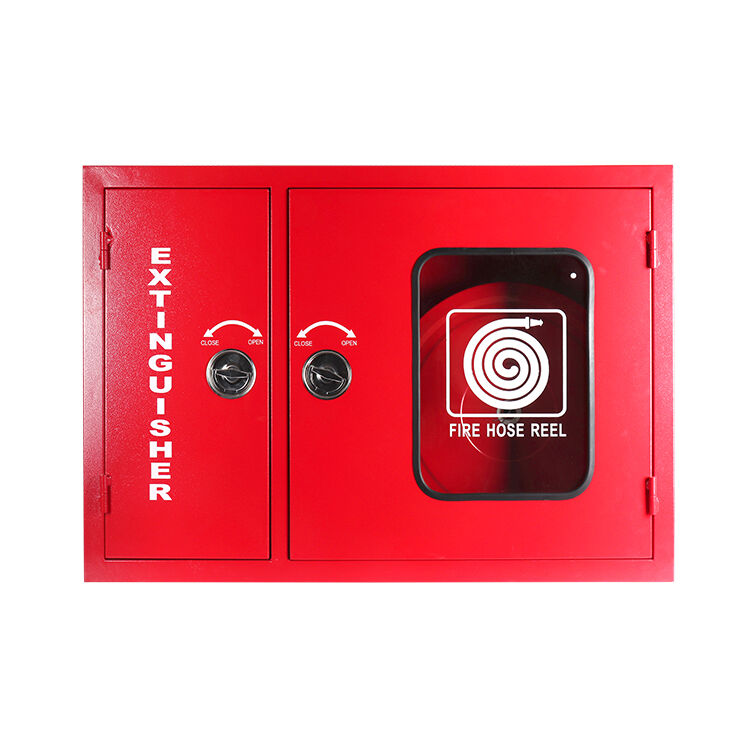
When faced with a fire emergency, having the right suppression tool can mean the difference between a minor incident and a catastrophic event. Two of the most common fire safety devices found in homes, kitchens, and workplaces are fire blankets and fire extinguishers. While both serve the critical purpose of controlling flames, understanding when to use each tool is essential for effective fire suppression. A fire blanket works by smothering flames and cutting off the oxygen supply, making it particularly effective for specific types of fires. The choice between these two safety devices depends on factors such as the type of fire, location, ease of use, and the specific circumstances surrounding the emergency.
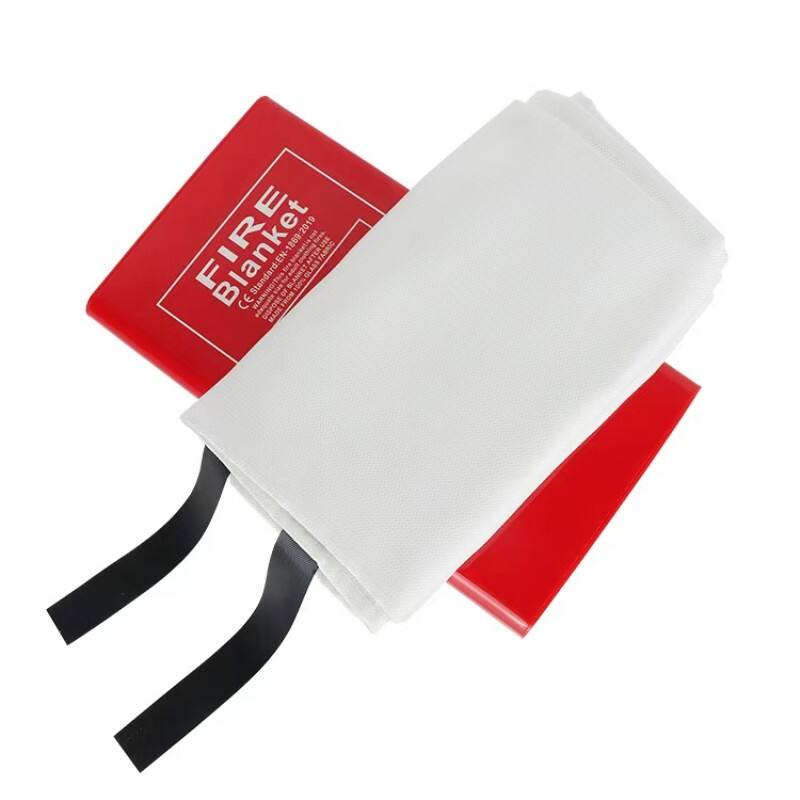
Understanding Fire Blanket Applications
Kitchen and Cooking Fire Scenarios
Kitchen fires represent one of the most common fire hazards in residential and commercial settings, making the fire blanket an invaluable safety tool. When cooking oils ignite or when clothing catches fire near stovetops, a fire blanket provides an immediate and effective solution. The blanket works by completely covering the fire source, effectively cutting off the oxygen supply that feeds the flames. This makes it particularly suitable for grease fires, which can spread rapidly if not properly contained. Unlike water-based suppression methods that can cause grease fires to splatter and spread, a fire blanket safely smothers the flames without creating additional hazards.
Professional kitchens and home cooks alike benefit from having a fire blanket readily accessible near cooking areas. The ease of deployment makes it an ideal first response tool, especially when dealing with pan fires or small appliance malfunctions. Fire blankets are designed to withstand extremely high temperatures, typically rated for temperatures exceeding 1000 degrees Fahrenheit, making them suitable for most cooking-related fire incidents. The quick deployment mechanism allows users to respond rapidly to kitchen fires before they have the opportunity to spread to other areas or ignite additional combustible materials.
Personal Safety and Clothing Fires
One of the most critical applications of a fire blanket involves personal safety situations where clothing or hair has caught fire. In these emergency scenarios, the fire blanket serves as a life-saving tool that can prevent serious burns and injuries. The stop, drop, and cover technique becomes significantly more effective when a fire blanket is available, as the blanket provides immediate protection while smothering the flames. This application is particularly important in industrial settings, laboratories, and workshops where workers may be exposed to ignition sources and flammable materials.
The psychological advantage of having a fire blanket available cannot be understated in personal emergency situations. Unlike fire extinguishers, which require proper aim and technique, a fire blanket can be quickly wrapped around a person to extinguish flames and provide protection. This makes it an essential safety tool in environments where individuals might panic or be unable to operate more complex firefighting equipment. The protective barrier created by the fire blanket also helps prevent the inhalation of smoke and toxic fumes, providing an additional layer of safety during evacuation procedures.
Fire Extinguisher Advantages and Applications
Large Scale Fire Suppression
Fire extinguishers excel in situations requiring rapid suppression of larger fires or fires that have already begun to spread beyond their initial source. The pressurized delivery system allows fire extinguishers to project suppression agents over greater distances, making them effective for fires that cannot be safely approached for direct coverage with a fire blanket. This capability becomes crucial in commercial and industrial applications where fires may involve multiple ignition sources or cover significant areas. The various types of fire extinguishers available, including ABC dry chemical, carbon dioxide, and foam varieties, provide specialized suppression capabilities for different fire classifications.
The versatility of fire extinguishers makes them suitable for a broader range of fire types compared to fire blankets. While a fire blanket primarily works through oxygen deprivation, fire extinguishers can interrupt the chemical reaction of combustion through multiple mechanisms. This makes them particularly effective for electrical fires, flammable liquid fires, and situations involving multiple fire sources. The ability to maintain a safe distance while applying suppression agents provides an additional safety margin for the operator, especially in situations where the fire has grown beyond the initial containment phase.
Electrical and Flammable Liquid Fires
Electrical fires present unique challenges that often make fire extinguishers the preferred suppression method over fire blankets. Carbon dioxide and dry chemical extinguishers are specifically designed to safely suppress electrical fires without conducting electricity back to the operator. While a fire blanket might theoretically smother an electrical fire, the risk of electrical shock and the potential for the fire to reignite once the blanket is removed make extinguishers the safer choice. Additionally, electrical fires often involve multiple components and can quickly spread through wiring systems, requiring the broader coverage capabilities that extinguishers provide.
Flammable liquid fires, such as those involving gasoline, solvents, or other hydrocarbon-based materials, typically require the specialized suppression agents found in fire extinguishers. These fires burn at high temperatures and can easily spread across surfaces, making the targeted application of suppression agents crucial. Fire extinguishers designed for Class B fires use foam or dry chemical agents that create a barrier between the fuel and the flame, effectively preventing reignition. This approach is generally more effective than attempting to smother such fires with a Fire Blanket, which might not provide complete coverage of liquid fire surfaces.
Comparative Analysis of Effectiveness
Response Time and Ease of Use
The response time factor plays a crucial role in fire suppression effectiveness, and both fire blankets and extinguishers offer distinct advantages in different scenarios. A fire blanket typically provides faster deployment for small, localized fires, particularly in kitchen environments where the blanket can be quickly pulled from its container and deployed over the fire source. The simplicity of the deployment mechanism means that users require minimal training to effectively use a fire blanket, making it accessible to individuals who might struggle with the more complex operation of fire extinguishers. This ease of use becomes particularly important in high-stress emergency situations where complex procedures might be forgotten or executed incorrectly.
Fire extinguishers, while requiring more operational knowledge, provide superior response capabilities for larger fires or those requiring distance-based suppression. The learning curve for proper extinguisher use includes understanding the PASS technique (Pull, Aim, Squeeze, Sweep), which requires practice and training to execute effectively under pressure. However, once properly trained, operators can address fires more comprehensively and from safer distances than is possible with a fire blanket. The trade-off between simplicity and capability makes the choice between these tools dependent on the specific user capabilities and fire scenarios expected in a given environment.
Coverage and Suppression Mechanisms
The fundamental difference in suppression mechanisms between fire blankets and extinguishers significantly impacts their effectiveness in various fire scenarios. A fire blanket operates through oxygen deprivation, creating a physical barrier that prevents air from reaching the combustion zone. This method is highly effective for fires involving solid combustibles and cooking materials but may be less suitable for fires with their own oxygen sources or those involving pressurized fuels. The complete coverage provided by a fire blanket ensures that reignition is minimized, as the blanket continues to provide protection even after the initial flames are extinguished.
Fire extinguishers utilize multiple suppression mechanisms depending on their type, including chemical reaction interruption, cooling, and oxygen displacement. This versatility allows extinguishers to address a broader range of fire types and conditions than fire blankets. The ability to apply suppression agents to specific areas of a fire while maintaining coverage of surrounding areas makes extinguishers particularly effective for complex fire scenarios. However, the temporary nature of extinguisher discharge means that fires may reignite if not completely suppressed, requiring follow-up action or professional intervention to ensure complete extinguishment.
Safety Considerations and Risk Assessment
User Safety and Proximity Requirements
Safety considerations for fire suppression tool selection must account for the proximity requirements and associated risks of each method. A fire blanket requires the user to approach very close to the fire source, sometimes within arm's reach, to effectively deploy the blanket. This proximity requirement can expose users to intense heat, toxic fumes, and potential burns, particularly if the fire is larger than anticipated or if deployment is unsuccessful. However, for small fires and personal protection scenarios, this close-proximity approach provides immediate and complete coverage that may be more effective than distance-based methods.
The training requirements for safe fire blanket use include understanding proper deployment techniques, recognizing when a fire is too large for blanket suppression, and knowing how to protect oneself during the approach and deployment process. Users must also understand the importance of turning off heat sources when possible and ensuring that the fire blanket completely covers the fire source without gaps that might allow oxygen to continue feeding the flames. The relatively straightforward nature of fire blanket use makes it suitable for elderly individuals, children, and others who might struggle with more complex firefighting equipment.
Environmental and Health Impact Factors
Environmental considerations increasingly influence fire suppression tool selection, with fire blankets offering significant advantages in terms of chemical exposure and cleanup requirements. Unlike many fire extinguishers that discharge chemical agents, a fire blanket produces no chemical residue, toxic fumes, or environmental contamination during use. This makes fire blankets particularly suitable for food preparation areas, childcare facilities, and environments where chemical sensitivity is a concern. The reusable nature of many fire blankets also provides environmental benefits compared to single-use extinguisher cartridges.
The health impact of suppression methods becomes particularly important in enclosed spaces where chemical agents from fire extinguishers might accumulate. While proper ventilation can mitigate these concerns, fire blankets eliminate the risk of respiratory irritation from chemical agents entirely. However, users must still be aware of the smoke and combustion byproducts that any fire produces, regardless of the suppression method used. The clean suppression mechanism of fire blankets makes them ideal for situations where maintaining air quality is critical, such as in medical facilities, schools, or residential environments with individuals who have respiratory sensitivities.
Cost Analysis and Maintenance Requirements
Initial Investment and Long-term Value
The initial cost comparison between fire blankets and fire extinguishers reveals significant differences in both upfront investment and long-term ownership costs. Fire blankets typically require a lower initial investment than most fire extinguishers, making them accessible for budget-conscious consumers and small businesses. The simple construction of fire blankets, consisting primarily of treated fiberglass or similar fire-resistant materials, keeps manufacturing costs relatively low. This affordability factor makes it feasible to install multiple fire blankets throughout a facility or residence, providing broader coverage for potential fire incidents.
Long-term value considerations favor fire blankets in many applications due to their extended service life and minimal maintenance requirements. Quality fire blankets can remain effective for many years without requiring replacement or servicing, provided they are stored properly and protected from damage. This contrasts with fire extinguishers, which require regular inspection, pressure testing, and eventual refilling or replacement regardless of whether they have been used. The cumulative cost of extinguisher maintenance over time can significantly exceed the initial purchase price, making fire blankets more economical for long-term fire protection strategies.
Maintenance and Replacement Schedules
Maintenance requirements represent a crucial factor in the total cost of ownership for fire suppression equipment. Fire blankets require minimal ongoing maintenance, typically consisting of periodic visual inspections to ensure the blanket remains free from tears, contamination, or other damage that might compromise effectiveness. The sealed container systems used for most fire blankets protect the blanket from environmental factors that could degrade performance, extending service life significantly. However, users should replace fire blankets that have been deployed, even if they appear undamaged, to ensure continued effectiveness in future emergencies.
Fire extinguisher maintenance involves more complex and costly procedures, including annual inspections by certified technicians, pressure gauge monitoring, and periodic internal examinations. Many fire extinguishers require recharging after any use, regardless of how much agent was discharged, adding to operational costs. The regulatory requirements surrounding fire extinguisher maintenance in commercial applications can create additional compliance costs and administrative burden. These factors make fire blankets particularly attractive for residential and small business applications where simplified maintenance procedures and lower ongoing costs are priorities.
Industry-Specific Applications and Recommendations
Residential and Home Safety Applications
Residential fire safety planning should incorporate both fire blankets and extinguishers strategically throughout the home, with fire blankets playing a particularly important role in kitchen and bedroom areas. The kitchen represents the highest fire risk area in most homes, making a fire blanket an essential safety tool for addressing cooking fires quickly and safely. Homeowners should position fire blankets near cooking areas but far enough away to remain accessible even when fires occur. The user-friendly nature of fire blankets makes them suitable for all family members, including elderly residents who might struggle with heavier fire extinguishers.
Bedroom and living area applications for fire blankets focus primarily on personal protection scenarios, where the blanket can provide life-saving protection for individuals whose clothing or bedding has caught fire. The compact storage requirements of fire blankets make them practical for installation in multiple locations throughout a residence without creating storage or aesthetic concerns. Integration with overall home fire safety plans should include family education on proper fire blanket deployment techniques and clear identification of scenarios where blankets are appropriate versus situations requiring fire extinguishers or immediate evacuation.
Commercial and Industrial Settings
Commercial kitchen operations represent one of the most important applications for fire blankets in business environments, where the high volume of cooking activities creates elevated fire risks. Professional kitchens benefit from having fire blankets positioned at strategic locations near cooking stations, particularly areas where deep frying or high-temperature cooking occurs regularly. The rapid response capability of fire blankets can prevent minor cooking fires from escalating into major incidents that could shut down operations or cause significant property damage. Staff training programs should emphasize the proper use of fire blankets as part of comprehensive kitchen fire safety protocols.
Industrial applications for fire blankets include manufacturing environments where workers might be exposed to molten materials, welding operations, or other high-temperature processes. The personal protection capability of fire blankets makes them valuable safety equipment in metalworking, glassmaking, and chemical processing facilities. However, industrial fire safety planning must carefully evaluate whether fire blankets provide adequate protection for the specific fire risks present in each environment. Large-scale industrial fires typically require more powerful suppression systems, but fire blankets serve an important role in initial response and personal protection scenarios that can prevent small incidents from becoming major emergencies.
FAQ
Can a fire blanket be reused after extinguishing a fire
Fire blankets should generally not be reused after being deployed to extinguish a fire, even if they appear undamaged. The high temperatures and flames can compromise the fire-resistant properties of the blanket material, potentially making it less effective in future emergencies. Additionally, the blanket may contain residual heat or combustion byproducts that could pose safety risks. Most manufacturers recommend replacing fire blankets after any use to ensure continued protection effectiveness.
How long does a fire blanket last in storage
A properly stored fire blanket can maintain its effectiveness for many years, typically 7-10 years or more depending on the manufacturer and storage conditions. The key factors affecting longevity include protection from moisture, extreme temperatures, and physical damage. Regular visual inspections should be conducted to check for tears, contamination, or deterioration of the storage container. Unlike fire extinguishers, fire blankets do not lose pressure or require periodic recharging, making them a low-maintenance fire safety option.
What size fire is too large for a fire blanket
Fire blankets are most effective on small fires that can be completely covered by the blanket dimensions, typically fires no larger than the size of a cooking pan or small appliance. If flames extend beyond what can be safely covered, or if the fire has spread to multiple sources, a fire extinguisher or professional firefighting response is more appropriate. As a general rule, if you cannot safely approach within arm's reach of the fire or if the flames are higher than your chest level, the fire is too large for blanket suppression.
Do fire blankets work on electrical fires
While fire blankets can technically smother electrical fires by cutting off oxygen supply, they are generally not the recommended first choice for electrical fire suppression. The main concerns include potential electrical shock risk if the electrical source remains energized, and the possibility of fire reignition once the blanket is removed if the electrical fault persists. For electrical fires, it is safer to first turn off power at the circuit breaker if possible, then use a Class C fire extinguisher specifically designed for electrical applications. Fire blankets may be used as a secondary measure once electrical power has been safely disconnected.

