
 EN
EN
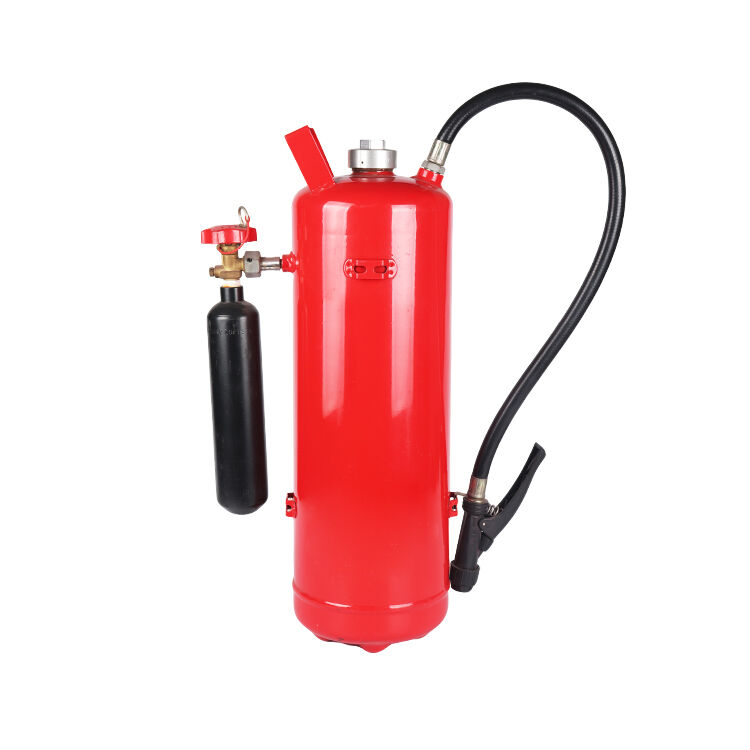
Fire safety remains a critical concern across industrial, commercial, and residential environments worldwide. Among the various firefighting solutions available today, the dry powder extinguisher stands out as one of the most versatile and widely deployed fire suppression systems. These extinguishers utilize specially formulated chemical powders to interrupt the combustion process, making them effective against multiple fire classes. Understanding the proper applications, operational mechanisms, and inherent limitations of dry powder extinguisher systems is essential for facility managers, safety professionals, and property owners who prioritize comprehensive fire protection strategies.
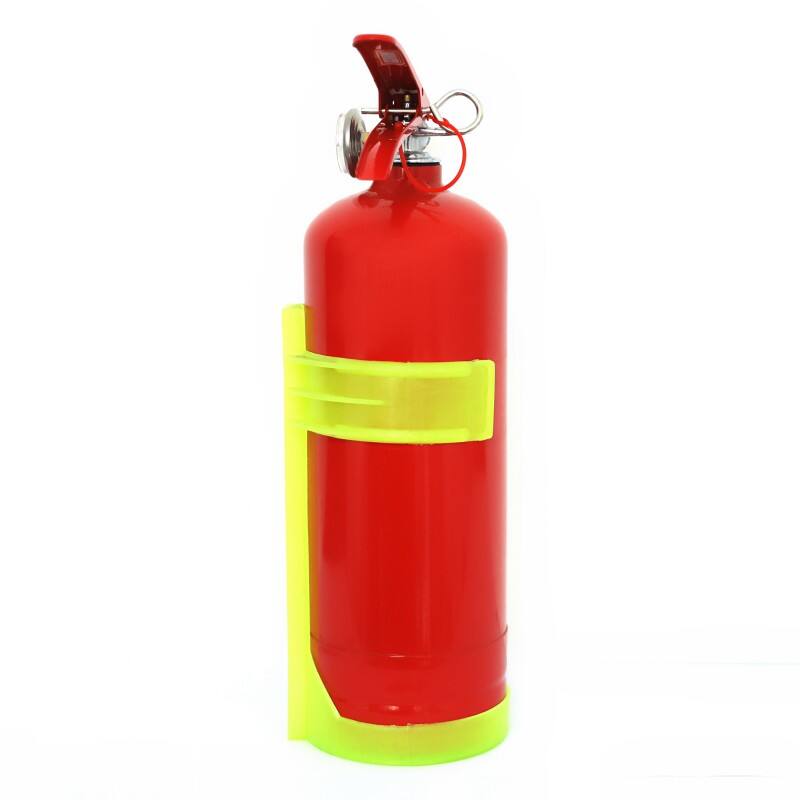
Understanding Dry Powder Fire Extinguisher Technology
Chemical Composition and Fire Suppression Mechanism
The effectiveness of a dry powder extinguisher relies on its specialized chemical formulation, typically consisting of monoammonium phosphate, sodium bicarbonate, or potassium bicarbonate compounds. These chemicals work by creating a barrier between the fuel source and oxygen, while simultaneously cooling the burning material to temperatures below its ignition point. When discharged, the powder particles form a dense cloud that blankets the fire area, effectively smothering flames and preventing re-ignition. The suppression mechanism operates on multiple levels, including chemical inhibition of the combustion reaction chain and physical separation of combustible materials from their oxygen supply.
Modern dry powder extinguisher designs incorporate pressurized nitrogen or carbon dioxide as propellant gases, ensuring consistent discharge pressure and optimal powder distribution patterns. The particle size of the chemical powder is carefully controlled during manufacturing to maximize surface area coverage while maintaining adequate penetration capabilities. This engineering approach allows the extinguisher to tackle fires in confined spaces, electrical equipment areas, and outdoor environments where other suppression methods might prove less effective or potentially hazardous to operators and surrounding equipment.
Classification System and Fire Class Compatibility
Fire classification systems categorize blazes based on the type of combustible material involved, and dry powder extinguisher units are rated for specific fire classes depending on their chemical composition. Class A fires involve ordinary combustible materials such as wood, paper, and textiles, while Class B fires encompass flammable liquids including gasoline, oil, and paint. Class C fires involve energized electrical equipment, presenting unique challenges due to conductivity concerns and the need for non-conductive suppression agents.
Multi-purpose dry powder extinguisher models typically carry ABC ratings, indicating their effectiveness against all three primary fire classes encountered in most commercial and industrial settings. Specialized formulations may focus on specific applications, such as Class D fires involving combustible metals like magnesium, titanium, or lithium. Understanding these classifications helps facility managers select appropriate extinguisher types for their specific risk profiles and operational environments, ensuring optimal fire suppression capability when emergencies arise.
Practical Applications and Deployment Scenarios
Industrial and Manufacturing Environments
Manufacturing facilities frequently rely on dry powder extinguisher systems due to their versatility and effectiveness across diverse fire risks. These environments often contain mixtures of combustible materials, electrical equipment, and flammable liquids, creating complex fire scenarios that require multi-class suppression capabilities. Dry powder systems excel in areas where water-based suppression might cause additional damage to machinery, electrical systems, or sensitive materials. The quick knockdown capability of powder agents makes them particularly valuable in situations where rapid fire suppression is critical to preventing equipment damage or production line shutdowns.
Automotive service centers, welding shops, and chemical processing facilities represent prime applications for dry powder extinguisher deployment. These locations frequently experience Class B and Class C fire risks, where the non-conductive properties of dry chemical agents provide safe suppression options even around energized electrical equipment. The robust nature of powder-based systems also makes them suitable for harsh industrial environments where temperature extremes, vibration, or exposure to chemicals might compromise other extinguisher types.
Commercial and Retail Applications
Commercial buildings, retail establishments, and office complexes benefit from the comprehensive fire protection offered by strategically placed dry powder extinguisher units. These environments typically present mixed fire risks, including office furnishings, electrical equipment, kitchen facilities, and storage areas containing various combustible materials. The versatility of ABC-rated powder extinguishers makes them ideal for locations where facility management needs to minimize the number of different extinguisher types while maintaining comprehensive fire suppression coverage.
Restaurant kitchens and food service areas present unique challenges where grease fires and electrical equipment create overlapping fire risks. While specialized wet chemical systems handle cooking oil fires most effectively, dry powder extinguisher units serve as valuable backup systems for areas adjacent to cooking equipment or for fires involving electrical appliances. The rapid deployment capability of handheld powder units makes them excellent first-response tools for trained staff members who can quickly address small fires before they escalate into major incidents.
Operational Advantages and Performance Benefits
Rapid Fire Suppression Capabilities
One of the primary advantages of dry powder extinguisher systems lies in their exceptional speed of fire suppression, particularly when dealing with flammable liquid fires. The powder discharge creates an immediate blanketing effect that can extinguish flames within seconds of proper application. This rapid knockdown capability proves invaluable in emergency situations where every second counts toward preventing fire spread or limiting property damage. The effectiveness stems from the powder's ability to simultaneously interrupt the chemical reaction chain while physically separating fuel sources from available oxygen.
Temperature tolerance represents another significant operational advantage, as quality dry powder extinguisher units function effectively across wide temperature ranges, from sub-zero conditions to elevated ambient temperatures. This thermal stability makes them suitable for outdoor installations, unheated storage areas, and industrial processes involving temperature extremes. The chemical stability of the powder agents ensures consistent performance regardless of environmental conditions, providing reliable fire suppression capability when other extinguisher types might experience reduced effectiveness or operational failures.
Versatility and Multi-Class Protection
The multi-class effectiveness of ABC-rated dry powder extinguisher systems eliminates the need for facility managers to stock multiple extinguisher types for different fire risks within the same area. This versatility simplifies maintenance schedules, reduces training requirements for personnel, and ensures that the correct suppression agent is readily available regardless of the specific fire type encountered. The broad spectrum effectiveness makes powder-based systems particularly valuable in mixed-use facilities or areas where fire risks may change due to varying operations or stored materials.
Penetration capability sets dry powder systems apart from some alternative suppression methods, as the fine powder particles can reach into confined spaces, behind obstacles, and into areas where liquid or foam agents might not effectively penetrate. This characteristic proves especially valuable when dealing with fires in machinery, electrical panels, or storage areas where direct line-of-sight application may not be possible. The powder's ability to flow around obstacles and settle into hard-to-reach areas enhances overall suppression effectiveness.
Limitations and Operational Considerations
Environmental and Cleanup Challenges
Despite their effectiveness, dry powder extinguisher systems present significant cleanup challenges following deployment, as the fine chemical powder settles throughout the affected area and surrounding spaces. The powder residue can damage sensitive electronic equipment, contaminate food products, and create substantial cleanup costs that may exceed the value of the original fire damage. This limitation makes powder-based systems less suitable for computer rooms, laboratories, museums, or food processing facilities where contamination risks outweigh the fire suppression benefits.
Corrosion potential represents another important consideration, particularly in environments containing moisture or where the powder residue may remain in place for extended periods. Some dry chemical formulations can accelerate corrosion of metal surfaces, electrical contacts, and mechanical components, potentially creating long-term maintenance issues or equipment failures. Facility managers must weigh these potential secondary effects against the fire suppression benefits when selecting appropriate extinguisher types for specific applications and environments.
Operational Limitations and Performance Factors
Wind conditions can significantly impact the effectiveness of dry powder extinguisher deployment in outdoor or ventilated environments, as air currents may disperse the powder cloud before it can effectively suppress the fire. This limitation requires operators to consider wind direction and approach fires from upwind positions when possible, which may not always be feasible in emergency situations. Indoor applications may also experience reduced effectiveness in areas with strong ventilation systems that can quickly clear the powder cloud from the fire area.
Re-ignition potential poses another operational challenge, as dry powder extinguisher systems primarily provide surface suppression rather than deep-seated cooling of burning materials. While the initial knockdown effect may be dramatic, smoldering materials beneath the powder layer can reignite once oxygen access is restored. This characteristic necessitates careful post-suppression monitoring and may require follow-up with water or other cooling agents to ensure complete extinguishment, particularly for Class A fires involving deep-seated combustible materials.
Maintenance Requirements and Safety Protocols
Inspection and Testing Procedures
Proper maintenance of dry powder extinguisher systems requires regular inspection schedules to ensure operational readiness and compliance with fire safety regulations. Monthly visual inspections should verify gauge readings, examine external conditions for damage or corrosion, and confirm that discharge nozzles remain unobstructed. Annual professional inspections must include internal examination of powder condition, pressure system integrity, and discharge mechanism functionality. These comprehensive evaluations help identify potential issues before they compromise system performance during actual fire emergencies.
Hydrostatic testing requirements vary by jurisdiction and extinguisher type, typically occurring every five to twelve years depending on the specific model and application. This testing verifies the structural integrity of pressure vessels and ensures safe operation under emergency discharge conditions. Professional service technicians must also periodically examine powder condition for caking, moisture absorption, or chemical degradation that could impact suppression effectiveness. Proper documentation of all maintenance activities helps demonstrate compliance with regulatory requirements and supports insurance coverage validation.
Training and Operational Safety
Effective use of dry powder extinguisher systems requires comprehensive training programs that address proper operation techniques, safety considerations, and post-discharge procedures. Personnel must understand the PASS technique (Pull, Aim, Squeeze, Sweep) while also learning specific considerations for powder-based systems, including approach angles, discharge distances, and wind awareness. Training should emphasize the importance of personal safety, evacuation procedures, and when to abandon firefighting efforts in favor of emergency evacuation.
Respiratory protection considerations become important during dry powder extinguisher deployment, as the fine particles can create breathing difficulties and reduced visibility. Training programs should address proper positioning to minimize powder inhalation and emphasize the need for immediate area evacuation following discharge in confined spaces. Personnel should also understand cleanup procedures, contamination prevention measures, and the importance of professional assessment before resuming normal operations in areas where powder discharge has occurred.
FAQ
What types of fires can dry powder extinguishers effectively suppress
Dry powder extinguisher systems are most effective against Class A fires involving ordinary combustibles like wood and paper, Class B fires involving flammable liquids such as gasoline and oil, and Class C fires involving energized electrical equipment. Multi-purpose ABC-rated units provide comprehensive coverage for most common fire scenarios encountered in commercial and industrial environments. However, they are not suitable for Class D fires involving combustible metals or Class K fires involving cooking oils, which require specialized suppression agents designed for those specific applications.
How long does dry powder remain effective after discharge
The suppression effectiveness of discharged dry powder depends on environmental conditions and fire type, but the powder typically provides immediate knockdown followed by limited ongoing suppression capability. In still air conditions, the powder blanket may maintain some fire suppression properties for several minutes, but wind or ventilation can quickly disperse the protective layer. For Class A fires involving deep-seated materials, the powder provides surface suppression but does not penetrate deeply enough to prevent re-ignition from smoldering embers, necessitating follow-up cooling with water or other agents.
What cleanup procedures are required after dry powder extinguisher use
Cleanup after dry powder extinguisher discharge requires systematic removal of powder residue using vacuum equipment with appropriate filtration to prevent airborne particle redistribution. Affected surfaces should be wiped down with damp cloths, and any contaminated materials that cannot be effectively cleaned must be properly disposed of according to local regulations. Electronic equipment exposed to powder discharge requires professional inspection and cleaning to prevent corrosion and ensure continued operation. All cleanup activities should include respiratory protection for personnel and proper ventilation of affected areas.
How often should dry powder extinguishers be professionally serviced
Professional servicing of dry powder extinguisher units should occur annually as a minimum requirement, with more frequent service intervals recommended for units exposed to harsh environments or heavy use. This annual service includes internal inspection of powder condition, pressure system testing, and replacement of any degraded components. Additionally, hydrostatic pressure testing is required every five to twelve years depending on the specific extinguisher type and local regulations. Monthly user inspections should supplement professional servicing to ensure continued operational readiness and identify any obvious damage or tampering between service appointments.

