
 EN
EN
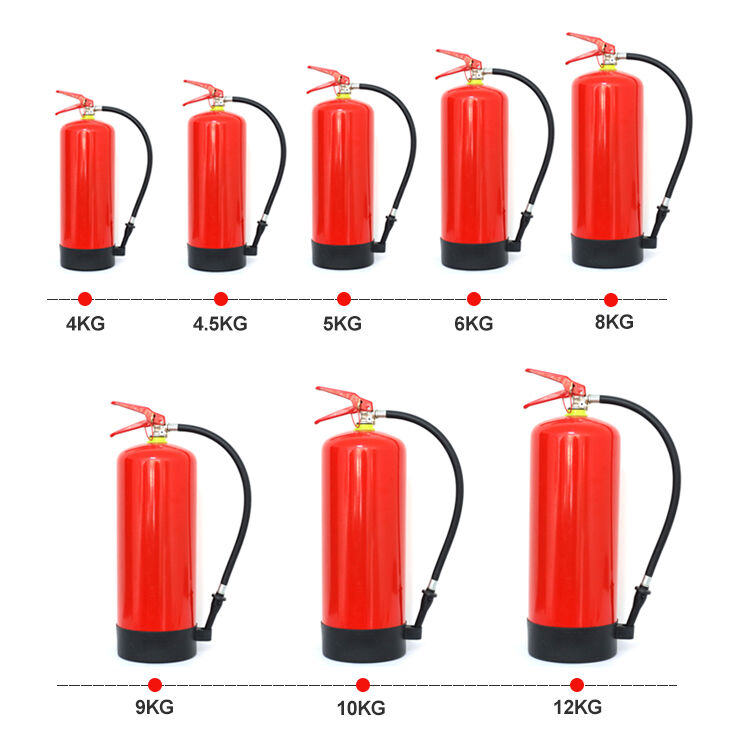
Fire extinguisher systems represent one of the most critical safety components in any building or industrial facility. At the heart of every fire extinguisher lies a sophisticated valve mechanism that controls the flow of suppressant materials during emergency situations. Understanding how these valve systems function and their importance in fire safety protocols can help facility managers, safety professionals, and building owners make informed decisions about their fire protection investments.
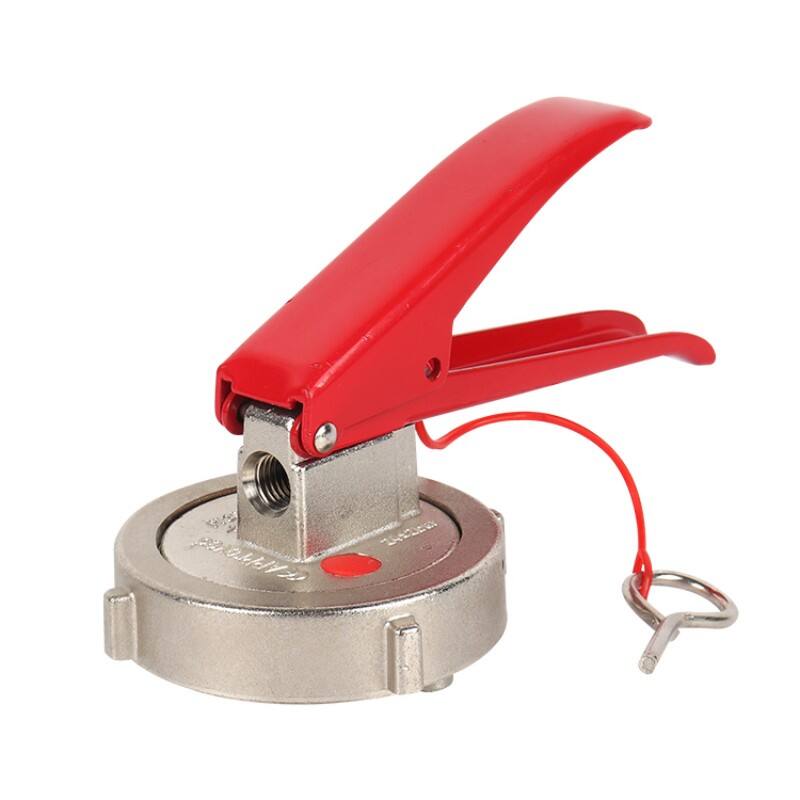
The valve mechanism in fire extinguisher systems serves as the primary control point for releasing fire suppressant agents under pressure. These precision-engineered components must operate flawlessly under extreme conditions while maintaining reliability over extended periods of dormancy. When activated, the valve opens a pathway for pressurized agents to flow through delivery systems, creating the necessary discharge patterns to suppress flames effectively.
Modern fire extinguisher valve technology incorporates advanced materials and design principles that ensure consistent performance across various environmental conditions. The valve assembly typically includes multiple components such as actuator mechanisms, sealing elements, flow control features, and safety interlocks that work together to provide reliable fire suppression capabilities when needed most.
Fundamental Components of Fire Extinguisher Valve Systems
Primary Valve Assembly Structure
The primary valve assembly forms the core of any fire extinguisher system, consisting of a valve body, actuator mechanism, and sealing components. The valve body houses the internal flow passages and provides mounting points for external connections. These bodies are typically manufactured from corrosion-resistant materials such as brass, stainless steel, or specialized alloys that can withstand the chemical properties of various fire suppressant agents.
Actuator mechanisms within the valve assembly respond to activation signals, whether manual or automatic, by opening the flow pathway for suppressant release. These mechanisms must operate with minimal force requirements while providing positive actuation under emergency conditions. The actuator design often incorporates redundant features to ensure reliable operation even if primary activation methods fail.
Sealing elements within the valve prevent unwanted leakage during standby periods while ensuring rapid opening when activation occurs. These seals must maintain integrity across wide temperature ranges and resist degradation from exposure to suppressant chemicals. Quality sealing systems contribute significantly to the long-term reliability and effectiveness of fire extinguisher valve assemblies.
Flow Control and Regulation Features
Advanced fire extinguisher valve systems incorporate sophisticated flow control features that regulate the discharge rate and pattern of suppressant agents. These control mechanisms ensure optimal distribution of fire suppressant materials throughout protected spaces while maintaining appropriate discharge pressures for effective flame suppression. Flow regulation capabilities allow system designers to customize suppression characteristics for specific applications and hazard types.
Pressure regulation within the valve assembly helps maintain consistent discharge characteristics regardless of variations in system pressure or ambient conditions. This regulation ensures that suppressant agents reach their intended targets with sufficient force to penetrate flame zones while avoiding excessive pressures that could damage sensitive equipment or create safety hazards for occupants.
The valve design must also accommodate different types of fire suppressant agents, from water and foam to specialized chemical compounds and inert gases. Each suppressant type presents unique flow characteristics and chemical compatibility requirements that influence valve material selection and internal geometry design.
Operating Principles and Activation Methods
Manual Activation Systems
Manual activation systems provide direct human control over fire extinguisher valve operation, allowing trained personnel to initiate suppression activities based on visual assessment of fire conditions. These systems typically incorporate pull handles, push buttons, or lever mechanisms that mechanically or electronically trigger valve opening sequences. Manual activation provides the advantage of human judgment in determining appropriate suppression timing and duration.
The valve response time in manual systems must be minimized to ensure rapid suppression deployment when operators initiate activation sequences. Quick-response valve designs incorporate mechanisms that eliminate delays between activation signals and suppressant flow, maximizing the effectiveness of manual intervention during fire emergencies.
Manual valve activation systems often include visual and audible indicators that confirm proper operation and provide feedback to operators about system status. These indicators help ensure that activation attempts result in actual valve opening and suppressant discharge, eliminating uncertainty during critical emergency situations.
Automatic Detection Integration
Automatic fire detection systems can interface directly with fire extinguisher valve assemblies to provide immediate suppression response without human intervention. These integrated systems use various detection technologies such as heat sensors, smoke detectors, flame detectors, or specialized gas analyzers to identify fire conditions and trigger appropriate valve activation sequences.
The valve interface with detection systems must provide reliable signal transmission and fail-safe operation to prevent false activations while ensuring positive response to actual fire conditions. Signal processing capabilities within the valve control system help distinguish between genuine fire threats and false alarm conditions that could result in unnecessary suppressant discharge.
Automatic activation systems often incorporate time delays or confirmation sequences that allow for verification of fire conditions before valve opening occurs. These features help prevent accidental discharge while maintaining rapid response capabilities when genuine fire threats are detected.
Material Selection and Durability Considerations
Corrosion Resistance Properties
Fire extinguisher valve components must resist corrosion from exposure to various suppressant chemicals, environmental moisture, and atmospheric contaminants throughout their service life. Material selection plays a crucial role in ensuring long-term valve reliability and preventing degradation that could compromise suppression system effectiveness. Brass, stainless steel, and specialized alloys offer different advantages depending on specific application requirements and environmental conditions.
Brass valve components provide excellent corrosion resistance for many fire suppressant types while offering good machinability and cost-effectiveness for manufacturing. The natural antimicrobial properties of brass can also help prevent biological contamination in water-based suppression systems. However, brass compatibility must be evaluated carefully when using certain chemical suppressant agents that may cause dezincification or other forms of corrosion.
Stainless steel valve materials offer superior corrosion resistance across a broader range of suppressant chemicals and environmental conditions. These materials maintain mechanical properties over extended service periods and resist pitting, crevice corrosion, and stress corrosion cracking that can affect other valve materials. The higher initial cost of stainless steel components is often justified by improved reliability and reduced maintenance requirements.
Temperature Performance Characteristics
Fire extinguisher valve systems must operate reliably across wide temperature ranges, from sub-freezing conditions in unheated spaces to elevated temperatures encountered during fire events. Material thermal expansion characteristics affect valve sealing performance and dimensional stability, requiring careful consideration during design and material selection processes. Thermal cycling can also impact valve component fatigue life and long-term reliability.
Sealing materials within valve assemblies face particular challenges from temperature variations, as elastomeric seals must maintain flexibility and sealing capability across operational temperature ranges. Advanced seal materials and designs help ensure consistent valve performance regardless of ambient temperature conditions while resisting thermal degradation over time.
Valve actuation mechanisms must also function properly at temperature extremes, with actuator components maintaining proper clearances and operating forces throughout the specified temperature range. Thermal compensation features in valve designs help maintain consistent performance characteristics regardless of temperature variations.
Installation and Maintenance Requirements
Proper Installation Procedures
Correct installation of fire extinguisher valve systems ensures optimal performance and longevity while preventing operational failures that could compromise fire protection capabilities. Installation procedures must follow manufacturer specifications and applicable codes while considering system integration requirements and accessibility for future maintenance activities. Proper valve orientation, support, and connection practices contribute significantly to overall system reliability.
Valve mounting and support systems must withstand the dynamic forces generated during suppressant discharge while maintaining proper alignment and sealing integrity. Inadequate support can lead to valve misalignment, connection failures, or damage to associated piping and components. Installation documentation should include torque specifications, alignment requirements, and inspection criteria to ensure proper assembly.
System commissioning activities following valve installation should include functional testing, leak detection, and performance verification to confirm proper operation before placing systems in service. These commissioning procedures help identify installation defects or adjustment requirements that could affect valve performance during actual fire events.
Preventive Maintenance Protocols
Regular maintenance of fire extinguisher valve components helps ensure continued reliability and compliance with safety regulations throughout the system service life. Maintenance protocols should address inspection schedules, replacement criteria, and performance testing requirements based on manufacturer recommendations and regulatory standards. Proper maintenance documentation provides valuable data for system optimization and reliability improvement efforts.
Valve inspection procedures should examine sealing surfaces, actuator mechanisms, and connection points for signs of wear, corrosion, or damage that could affect performance. These inspections help identify developing problems before they result in valve failures during emergency situations. Inspection findings should be documented and tracked to identify trends or recurring issues that may indicate systemic problems.
Functional testing of valve assemblies provides verification of proper operation and helps identify performance degradation before it affects fire suppression capabilities. Test procedures should simulate actual operating conditions while minimizing suppressant discharge and system downtime. Test results should be compared against baseline performance data to identify trends or changes that may require corrective action.
Applications Across Different Industries
Industrial Facility Protection
Industrial facilities present unique challenges for fire extinguisher valve systems due to the presence of hazardous materials, high-value equipment, and complex operational requirements. Valve systems in these applications must accommodate specialized suppressant agents while providing reliable operation in harsh environmental conditions. Industrial valve applications often require custom designs to address specific hazard characteristics and facility layout constraints.
Chemical processing facilities require valve systems that resist corrosion from process chemicals while providing compatibility with specialized fire suppressant agents designed for chemical fires. These applications often involve multiple valve zones with coordinated activation sequences to address different hazard areas effectively. Valve reliability becomes critical due to the potential consequences of fire incidents in chemical environments.
Manufacturing facilities with valuable machinery and production equipment benefit from valve systems that provide precise suppressant delivery to minimize collateral damage while effectively suppressing fires. Clean agent suppression systems using specialized valve designs help protect sensitive electronic equipment and precision machinery from both fire damage and suppressant contamination.
Commercial Building Systems
Commercial building fire protection systems rely on valve assemblies that provide reliable operation while minimizing maintenance requirements and ensuring compliance with building codes and insurance requirements. These systems often incorporate multiple valve zones with centralized monitoring and control capabilities to address different occupancy types and hazard levels within the same building.
Office buildings and retail spaces benefit from valve systems that operate quietly and minimize disruption to normal activities while providing effective fire protection. Valve designs for these applications often emphasize aesthetic considerations and space efficiency while maintaining full suppression capabilities.
Healthcare facilities require valve systems that provide reliable fire protection while considering the presence of patients with limited mobility and sensitive medical equipment. These applications often specify valve systems with enhanced reliability features and backup activation methods to ensure protection continuity during emergency situations.
Technological Advances and Future Developments
Smart Valve Integration
Modern fire extinguisher valve technology increasingly incorporates smart features that enhance monitoring, diagnostics, and control capabilities. These advanced valve systems provide real-time status information, predictive maintenance alerts, and remote operation capabilities that improve overall fire protection system effectiveness. Smart valve integration allows facility managers to monitor system health continuously and address potential issues before they affect fire protection capabilities.
Sensor integration within valve assemblies enables continuous monitoring of system pressure, valve position, and environmental conditions that affect performance. This monitoring capability helps identify developing problems such as seal leakage, actuator degradation, or system contamination that could compromise fire suppression effectiveness. Diagnostic data from smart valve systems supports optimized maintenance scheduling and improved system reliability.
Communication capabilities in advanced valve systems allow integration with building automation systems, fire alarm panels, and emergency response coordination systems. This integration provides enhanced situational awareness during fire events and supports coordinated response activities across multiple building systems.
Environmental Sustainability Improvements
Environmental considerations increasingly influence fire extinguisher valve design and material selection as facility owners seek to minimize environmental impact while maintaining effective fire protection. Valve systems designed for use with environmentally friendly suppressant agents must accommodate different flow characteristics and chemical properties compared to traditional suppressant types.
Recyclable materials and manufacturing processes help reduce the environmental footprint of valve production while maintaining performance and reliability standards. Design for disassembly features facilitate component recycling at end of service life and support circular economy principles in fire protection equipment.
Energy efficiency improvements in valve actuation systems reduce power consumption and support sustainable building operation goals. Low-power valve designs enable integration with renewable energy systems and reduce operating costs over the system service life.
FAQ
How often should fire extinguisher valve systems be inspected
Fire extinguisher valve systems should be inspected monthly for basic visual checks and annually for comprehensive maintenance according to NFPA standards. Monthly inspections should verify proper valve position, check for obvious damage or corrosion, and ensure access panels remain unobstructed. Annual inspections should include detailed examination of valve components, functional testing where possible, and documentation of system condition. More frequent inspections may be required in harsh environments or high-risk applications.
What causes fire extinguisher valve failures and how can they be prevented
Common valve failure modes include seal degradation, corrosion damage, actuator mechanism wear, and contamination buildup. These failures can be prevented through regular maintenance, proper material selection, environmental protection, and adherence to manufacturer specifications. Preventive measures include scheduled seal replacement, corrosion monitoring, actuator lubrication, and system cleanliness maintenance. Environmental factors such as temperature extremes, chemical exposure, and vibration should be addressed through appropriate valve selection and protective measures.
Can fire extinguisher valve systems be retrofitted with modern technology
Many existing fire extinguisher valve systems can be retrofitted with modern monitoring, control, and diagnostic technologies to improve performance and reliability. Retrofit options include smart actuators, wireless monitoring sensors, remote control capabilities, and enhanced diagnostic systems. The feasibility of retrofitting depends on the existing valve design, available space, power requirements, and compatibility with new technologies. Professional evaluation is recommended to determine appropriate retrofit options and ensure proper integration with existing fire protection systems.
What factors should be considered when selecting valve materials for different fire suppressant types
Valve material selection should consider chemical compatibility with the chosen suppressant agent, environmental conditions, temperature ranges, and service life requirements. Water-based systems may use brass or stainless steel materials, while chemical suppressant systems often require specialized alloys or coatings to prevent corrosion. Factors such as pH levels, conductivity, temperature extremes, and chemical concentration affect material selection. Manufacturer compatibility charts and chemical resistance data should guide material selection decisions to ensure long-term valve reliability and performance.
Table of Contents
- Fundamental Components of Fire Extinguisher Valve Systems
- Operating Principles and Activation Methods
- Material Selection and Durability Considerations
- Installation and Maintenance Requirements
- Applications Across Different Industries
- Technological Advances and Future Developments
-
FAQ
- How often should fire extinguisher valve systems be inspected
- What causes fire extinguisher valve failures and how can they be prevented
- Can fire extinguisher valve systems be retrofitted with modern technology
- What factors should be considered when selecting valve materials for different fire suppressant types

