
 EN
EN
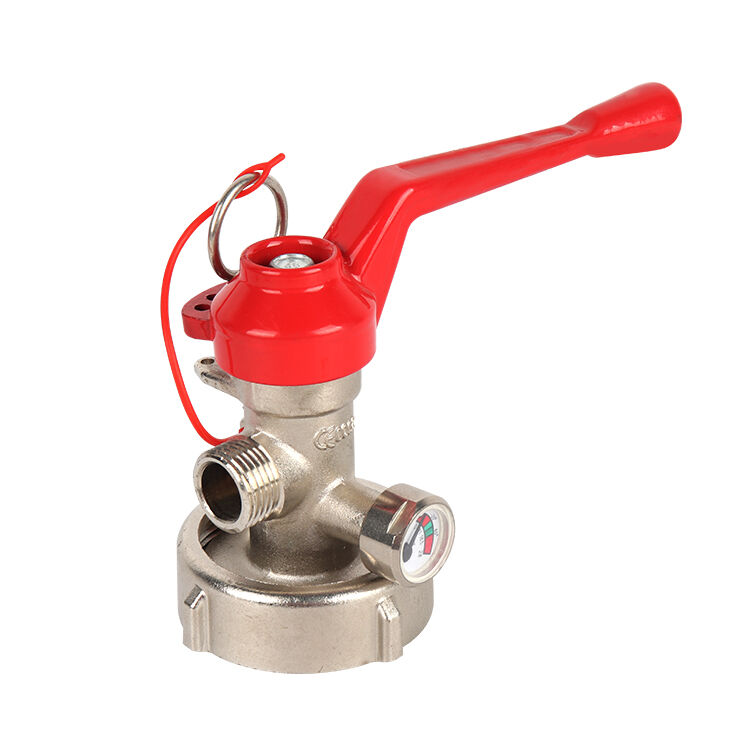
Home fire safety is a critical concern that every homeowner must address proactively. A fire extinguisher serves as your first line of defense against small fires before they escalate into catastrophic events. Understanding the different types of fire extinguishers available and selecting the appropriate one for your specific needs can mean the difference between a minor incident and a devastating house fire. Modern homes contain various fire hazards, from cooking oils in the kitchen to electrical equipment throughout the house, making the selection of the right fire extinguisher more important than ever.
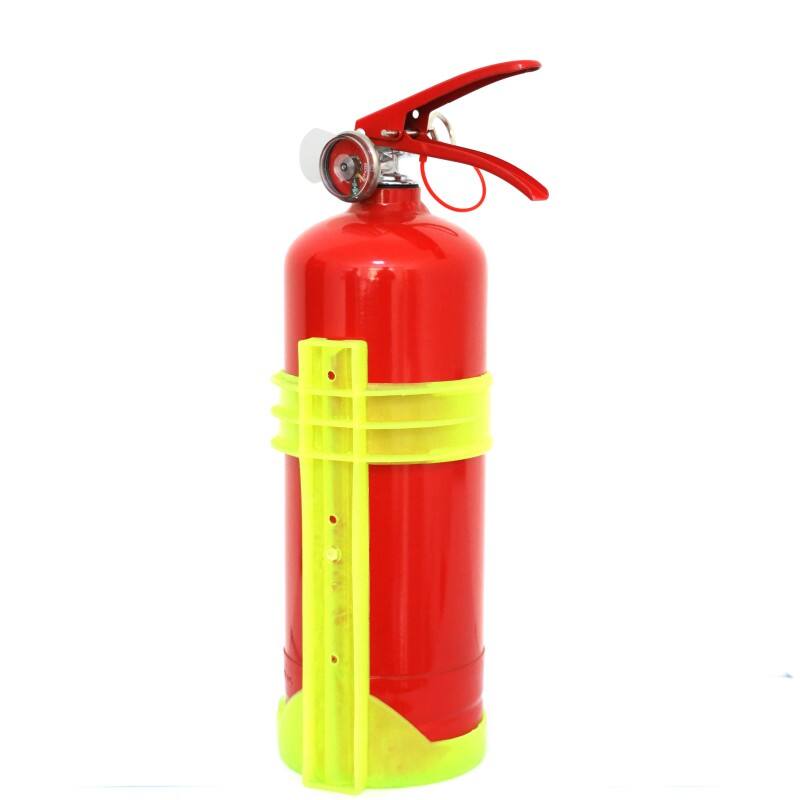
Understanding Fire Classifications and Extinguisher Types
Class A Fire Extinguishers for Ordinary Combustibles
Class A fires involve ordinary combustible materials such as wood, paper, fabric, and most plastics. These fires are the most common in residential settings and can be effectively controlled using water-based or dry chemical fire extinguishers. Water-based extinguishers work by cooling the burning material below its ignition temperature, while dry chemical variants create a barrier between the fuel and oxygen. When selecting a fire extinguisher for areas with primarily Class A fire risks, consider the coverage area and the amount of extinguishing agent needed to suppress potential fires effectively.
The effectiveness of a Class A fire extinguisher is measured by its numerical rating, which indicates the approximate equivalent of water it can deliver. A higher number means greater firefighting capacity, but it also translates to a larger and heavier unit. For most residential applications, a 2-A or 3-A rated fire extinguisher provides adequate protection for living rooms, bedrooms, and other areas containing ordinary combustibles.
Class B Fire Extinguishers for Flammable Liquids
Class B fires involve flammable liquids such as gasoline, oil, grease, and other petroleum-based products. These fires require specialized suppression methods because water can actually spread the burning liquid, making the fire worse. Carbon dioxide and dry chemical fire extinguishers are most effective against Class B fires, as they work by smothering the flames and preventing oxygen from reaching the fuel source. Garages, workshops, and areas where flammable liquids are stored require fire extinguishers specifically rated for Class B fires.
The numerical rating for Class B fire extinguishers indicates the approximate square footage of fire the unit can extinguish. Understanding this rating helps homeowners select appropriately sized units for their specific spaces. A fire extinguisher with a 10-B rating can handle approximately 10 square feet of flammable liquid fire, making it suitable for most residential garage applications.
Class C Fire Extinguishers for Electrical Equipment
Electrical fires present unique challenges because water-based extinguishers can conduct electricity and create electrocution hazards. Class C fire extinguishers use non-conductive extinguishing agents such as carbon dioxide or dry chemicals to safely suppress fires involving electrical equipment. These extinguishers are essential in areas with electrical panels, computer equipment, or other powered devices that could potentially ignite.
When an electrical fire occurs, the first step should always be to disconnect the power source if safely possible. Once the electricity is eliminated, the fire often becomes a Class A fire and can be treated accordingly. However, having a Class C rated fire extinguisher ensures you can safely address electrical fires even when power cannot be immediately disconnected.
Multi-Purpose Fire Extinguishers for Comprehensive Home Protection
ABC Dry Chemical Fire Extinguishers
ABC dry chemical fire extinguishers represent the most versatile option for home fire protection, as they can effectively suppress Class A, B, and C fires. These units use monoammonium phosphate as the extinguishing agent, which melts and forms a coating that smothers flames while also cooling the burning material. The versatility of an ABC fire extinguisher makes it an excellent choice for most residential locations, eliminating the need to purchase multiple specialized units.
While ABC fire extinguishers offer broad protection, they do have some drawbacks. The dry chemical agent can be corrosive and may damage sensitive electronic equipment. Additionally, cleanup after using an ABC fire extinguisher can be more challenging compared to other types. Despite these considerations, the comprehensive protection offered by ABC units makes them the preferred choice for general home use.
Advantages of Multi-Purpose Units
Multi-purpose fire extinguishers simplify home fire safety by providing protection against the most common types of residential fires with a single device. This consolidation reduces the complexity of fire safety planning and ensures that family members don't need to identify the specific type of fire before selecting the appropriate extinguisher. The time saved during an emergency situation can be crucial for effective fire suppression.
From a cost perspective, purchasing fewer multi-purpose units is often more economical than buying multiple specialized fire extinguishers. This approach also simplifies maintenance schedules and reduces the storage space required for fire safety equipment. However, some specific applications may still benefit from specialized extinguishers, particularly in areas with unique fire risks.
Sizing and Capacity Considerations
Determining Appropriate Extinguisher Size
The size of a fire extinguisher directly impacts both its effectiveness and usability. Larger units contain more extinguishing agent and can handle bigger fires, but they also weigh more and may be difficult for some family members to operate effectively. The key is finding the right balance between firefighting capacity and manageable weight for all potential users in your household.
Standard residential fire extinguishers typically range from 2.5 to 10 pounds in capacity. A 5-pound ABC fire extinguisher provides excellent versatility and manageable weight for most adults, while still offering sufficient capacity for typical home fires. Consider the physical capabilities of all household members when selecting extinguisher sizes, as effectiveness depends on proper operation during high-stress emergency situations.
Coverage Area and Placement Strategy
Proper placement of fire extinguishers throughout your home is as important as selecting the right type and size. The National Fire Protection Association recommends placing fire extinguishers no more than 75 feet apart for Class A fires and no more than 50 feet apart for Class B fires. In residential settings, this typically translates to one fire extinguisher per floor, with additional units in high-risk areas such as kitchens and garages.
Strategic placement ensures quick access during emergencies while avoiding locations where fire might block access to the extinguisher. Mount units near exit routes whenever possible, allowing for easy escape if suppression efforts are unsuccessful. Kitchens require special consideration, as the fire extinguisher should be easily accessible but positioned away from cooking areas where fires are most likely to occur.
Special Considerations for Kitchen Fire Safety
Class K Fire Extinguishers for Cooking Oils
Kitchen fires involving cooking oils and fats require specialized suppression methods due to the high temperatures involved. Class K fire extinguishers use wet chemical agents specifically designed to react with cooking oils, creating a soapy foam that cools the oil and forms a vapor-suppressing blanket. While not typically required in residential kitchens, Class K extinguishers provide superior protection in homes with extensive cooking activities or commercial-grade equipment.
Traditional ABC fire extinguishers can be used on cooking oil fires, but they may not be as effective at preventing re-ignition once the extinguishing agent settles. The wet chemical action of Class K units provides more reliable suppression of high-temperature cooking oil fires. For most home kitchens, an ABC fire extinguisher remains adequate, but serious cooking enthusiasts may want to consider the enhanced protection offered by Class K units.
Alternative Kitchen Fire Suppression Methods
While fire extinguishers are essential for kitchen safety, other suppression methods can be equally important for cooking-related fires. Fire blankets provide an effective way to smother small stovetop fires and can be particularly useful for suppressing fires on people's clothing. These blankets work by cutting off the oxygen supply to the fire and are simple enough for anyone to use safely.
Automatic fire suppression systems designed for residential kitchens offer another layer of protection, particularly for range hoods and cooking surfaces. These systems activate automatically when they detect high temperatures, releasing suppression agents directly onto the cooking surface. While more expensive than portable fire extinguishers, automatic systems provide protection even when no one is present to operate manual suppression equipment.
Maintenance and Inspection Requirements
Regular Visual Inspections
Proper maintenance ensures that your fire extinguisher will function correctly when needed most. Monthly visual inspections should check for obvious damage, corrosion, or obstruction of the operating instructions. Verify that the pressure gauge shows the unit is properly charged and that the safety pin and tamper seal are intact. Any fire extinguisher showing signs of damage or discharge should be professionally serviced or replaced immediately.
Keep detailed records of all inspections and maintenance activities, including dates and any issues discovered. This documentation helps track the service history of each unit and ensures compliance with local fire codes. Many fire departments offer free inspections and can provide guidance on proper maintenance procedures for residential fire extinguishers.
Professional Service and Recharging
Even unused fire extinguishers require periodic professional service to ensure reliability. Most manufacturers recommend annual professional inspections, while some units may need service every few years depending on their type and environmental conditions. Professional service includes internal inspection of components, pressure testing, and recharging if necessary.
After any use, even partial discharge, fire extinguishers must be professionally recharged before returning to service. The cost of recharging varies depending on the type and size of the unit, and in some cases, replacement may be more economical than recharging older units. Establish a relationship with a local fire equipment service company to ensure prompt maintenance when needed.
Installation and Mounting Best Practices
Proper Mounting Height and Location
Fire extinguishers should be mounted with their carrying handles between 3.5 and 5 feet above the floor for optimal accessibility. This height range accommodates most adults while keeping the unit high enough to avoid damage from floor-level activities. Use appropriate mounting brackets designed for your specific fire extinguisher model to ensure secure attachment and easy removal during emergencies.
Select mounting locations that provide clear visibility and unobstructed access from multiple directions. Avoid placing fire extinguishers behind doors, furniture, or other objects that could impede quick access during an emergency. Consider the weight of the unit when selecting mounting hardware, ensuring that wall anchors and brackets can support the full weight of the charged extinguisher.
Environmental Protection and Accessibility
While fire extinguishers are designed to withstand normal environmental conditions, extreme temperatures and humidity can affect their performance and longevity. Avoid mounting units in locations subject to freezing temperatures, direct sunlight, or excessive moisture. Garages and basements may require special consideration to protect fire extinguishers from harsh environmental conditions.
Ensure that all family members know the locations of fire extinguishers and can access them quickly during emergencies. Consider installing battery-powered emergency lighting near extinguisher locations to aid visibility during power outages. Clear signage can help visitors and emergency responders locate fire extinguishers quickly, particularly in larger homes or properties with multiple buildings.
Training and Proper Usage Techniques
PASS Method for Fire Extinguisher Operation
Effective fire extinguisher use requires proper technique and practice. The PASS method provides a simple acronym to remember the correct operating procedure: Pull the pin, Aim at the base of the fire, Squeeze the handle, and Sweep from side to side. This systematic approach ensures maximum effectiveness while maintaining operator safety during high-stress emergency situations.
Practice using the PASS method with family members, but never use an actual fire extinguisher for training unless it's specifically designed for practice. Many fire departments offer hands-on training sessions where participants can practice with real fire extinguishers on controlled fires. This training builds confidence and muscle memory that can be crucial during actual emergencies.
Safety Considerations During Fire Suppression
Personal safety must always take priority over property protection when dealing with fires. Only attempt to fight fires that are small enough to be safely managed with a portable fire extinguisher, typically no larger than the size of a wastebasket. Always maintain an escape route behind you and be prepared to evacuate immediately if the fire doesn't respond to suppression efforts or begins to spread.
Never turn your back on a fire that appears to be extinguished, as many fires can re-ignite when suppression efforts cease. Continue monitoring the area and be prepared to use additional suppression methods if necessary. After successfully extinguishing any fire, contact the fire department to ensure complete extinguishment and to investigate the cause of the incident.
FAQ
How often should I replace my home fire extinguisher
Most residential fire extinguishers have a service life of 10-12 years when properly maintained, though some may last longer with regular professional service. Check the manufacturer's recommendations and any expiration dates on your specific unit. Signs that indicate replacement is needed include a damaged pressure gauge, visible corrosion, damaged hose or nozzle, or any evidence of previous discharge. Even if a fire extinguisher appears functional, age-related degradation of seals and components can compromise reliability during emergencies.
What size fire extinguisher do I need for my home
For most residential applications, a 5-pound ABC fire extinguisher provides an excellent balance of capacity and usability. Larger homes may benefit from 10-pound units in central locations, while smaller 2.5-pound units work well for bedrooms or areas with limited space. Consider the physical capabilities of all household members when selecting sizes, as effectiveness depends on proper handling during emergencies. The key is having adequate coverage throughout your home rather than relying on a single large unit.
Can I use the same fire extinguisher for all types of fires
ABC dry chemical fire extinguishers can handle the three most common types of residential fires: ordinary combustibles, flammable liquids, and electrical equipment. However, specialized situations may require specific extinguisher types, such as Class K units for commercial cooking equipment or clean agent extinguishers for sensitive electronics. For most homeowners, ABC fire extinguishers provide comprehensive protection, but consider your specific fire risks when making selection decisions.
Where should I mount fire extinguishers in my home
Install fire extinguishers near potential fire hazards but not so close that fire could block access to the unit. Key locations include kitchens, garages, workshops, and near electrical panels. Mount units with handles 3.5 to 5 feet above the floor for optimal accessibility, and ensure clear visibility and unobstructed access. Consider placing additional units near exit routes and on each floor of multi-story homes to ensure quick access regardless of fire location.
Table of Contents
- Understanding Fire Classifications and Extinguisher Types
- Multi-Purpose Fire Extinguishers for Comprehensive Home Protection
- Sizing and Capacity Considerations
- Special Considerations for Kitchen Fire Safety
- Maintenance and Inspection Requirements
- Installation and Mounting Best Practices
- Training and Proper Usage Techniques
- FAQ

