
 EN
EN
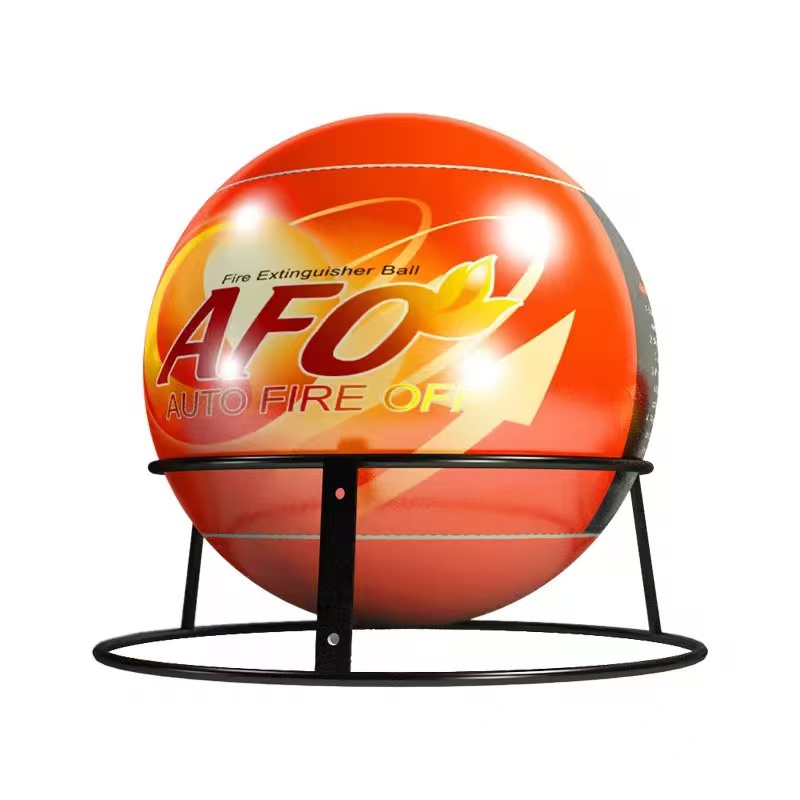
When it comes to protecting your home from fire, the fire extinguishing ball has quickly become one of the most talked-about fire safety devices on the market. Unlike traditional extinguishers that require manual operation, a fire extinguishing ball is designed to activate automatically when it contacts flames, making it an appealing option for homeowners who want passive fire protection. But like any safety product, the fire extinguishing ball comes with both strengths and limitations worth understanding before you invest.
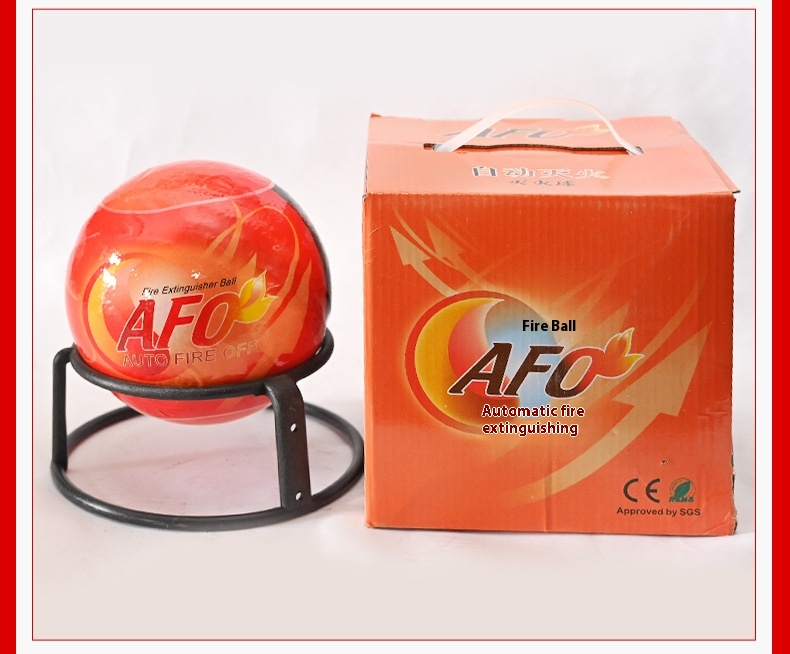
The fire extinguishing ball typically weighs around 0.5 kg and contains a dry chemical powder that disperses upon ignition exposure. When a fire extinguishing ball is placed in a high-risk area, it can trigger within seconds of contact with fire, releasing a suppressing agent across a localized zone. Understanding both the advantages and drawbacks of the fire extinguishing ball will help you make a smarter, more informed decision about your home fire safety plan.
Key Advantages of the Fire Extinguishing Ball
Automatic Activation Without Human Intervention
One of the strongest selling points of the fire extinguishing ball is its ability to activate without any human action. When a fire starts and the fire extinguishing ball is positioned near the ignition source, the heat from the flames triggers the device automatically. This is especially valuable in scenarios where a fire breaks out while you are asleep, away from home, or in a room you cannot access quickly. The fire extinguishing ball removes the need for someone to locate, aim, and operate a device under high-stress conditions.
A fire extinguishing ball also produces a loud activation sound when it deploys, which can serve as an alert to occupants nearby. This dual function — suppression and alarm — makes the fire extinguishing ball a practical addition to any room where early warning matters. Many homeowners place a fire extinguishing ball in the kitchen, garage, or electrical panel room precisely because these areas are prone to ignition when no one is present.
Ease of Use and Low Maintenance
The fire extinguishing ball requires virtually no training to use. You can simply roll or toss a fire extinguishing ball into a burning area and let it do the work. Traditional fire extinguishers require users to remember specific operation steps, which can be difficult in a panic. In contrast, the fire extinguishing ball is straightforward enough for almost anyone in the household to deploy manually if needed, while still functioning passively on its own.
Maintenance for the fire extinguishing ball is also minimal compared to pressurized extinguishers. A fire extinguishing ball typically has a shelf life of three to five years and does not require annual servicing or pressure checks. This makes the fire extinguishing ball a cost-effective, low-effort option for households that want reliable fire protection without ongoing technical upkeep.
Limitations and Drawbacks of the Fire Extinguishing Ball
Limited Coverage Area
Despite its convenience, the fire extinguishing ball has a notably limited coverage range. A single fire extinguishing ball is typically effective within a small radius, often around one to three square meters. For a large living room, open-plan kitchen, or basement, one fire extinguishing ball is unlikely to suppress a fast-spreading fire on its own. Homeowners who rely solely on a fire extinguishing ball in large spaces may find that the device controls only a fraction of the fire before it spreads beyond the suppression zone.
This limitation means that the fire extinguishing ball works best as a first-response or supplemental device rather than a complete fire suppression system. Pairing a fire extinguishing ball with other fire safety measures — such as smoke detectors, sprinkler systems, and standard extinguishers — creates a more comprehensive defense. The fire extinguishing ball is most effective when positioned strategically at known ignition points.
Not a Replacement for Professional Fire Safety Systems
A fire extinguishing ball should never be viewed as a substitute for certified fire suppression systems or professional fire safety planning. Building codes in most regions require specific fire safety equipment that a fire extinguishing ball alone cannot satisfy. In commercial or multi-story residential settings, the fire extinguishing ball may play only a supplementary role within a broader safety framework. Relying entirely on a fire extinguishing ball without additional systems could leave a property significantly under-protected.
There is also the question of verification. Not all fire extinguishing ball products on the market meet international safety certifications. When selecting a fire extinguishing ball, it is essential to check whether the product complies with recognized testing standards. A substandard fire extinguishing ball may fail to activate properly or disperse insufficient suppressing agent, making it ineffective when it matters most.
Best Scenarios for Using a Fire Extinguishing Ball at Home
High-Risk Zones and Passive Placement
The fire extinguishing ball performs best in specific high-risk zones where passive, automatic protection is the priority. Placing a fire extinguishing ball inside an electrical panel box, on top of a stove, or near a fuse board gives it direct proximity to common ignition points. Because the fire extinguishing ball activates on contact with flames, its placement directly influences how quickly it can respond. A well-positioned fire extinguishing ball can suppress a fire at its source before it has a chance to expand significantly.
The fire extinguishing ball is also a popular choice for vehicles, storage rooms, and server closets — any enclosed or semi-enclosed space where fire risk is high and human response may be delayed. In a car, a fire extinguishing ball can be secured under the hood or in the cabin to offer rapid passive suppression. The compact size of the fire extinguishing ball makes it easy to integrate into tight spaces where conventional extinguishers would not fit.
Complementary Role in a Layered Safety Plan
The most effective home fire safety strategy treats the fire extinguishing ball as one layer in a multi-device system. When combined with working smoke alarms, a standard ABC fire extinguisher, and an evacuation plan, the fire extinguishing ball adds meaningful early-stage suppression capability. Think of the fire extinguishing ball as a first-responder device that buys time for more comprehensive fire control measures to kick in. Used in this context, the fire extinguishing ball delivers real value without overstating its capabilities.
FAQ
How long does a fire extinguishing ball last before it needs to be replaced?
Most fire extinguishing ball products have a shelf life of three to five years from the date of manufacture. It is important to check the expiration date on your fire extinguishing ball and replace it before it expires to ensure reliable performance when needed.
Can a fire extinguishing ball handle all types of fires?
Many fire extinguishing ball products are rated for Class A, B, and C fires, meaning they can handle common materials, flammable liquids, and electrical fires. However, always verify the classification printed on your specific fire extinguishing ball, as not all models cover every fire class.
Does a fire extinguishing ball replace a standard fire extinguisher?
No. A fire extinguishing ball is best used as a supplemental device, not a complete replacement. While a fire extinguishing ball offers automatic activation and ease of use, a standard fire extinguisher provides greater volume of suppressing agent and user control, making both devices valuable parts of a complete home fire safety plan.

