
 EN
EN
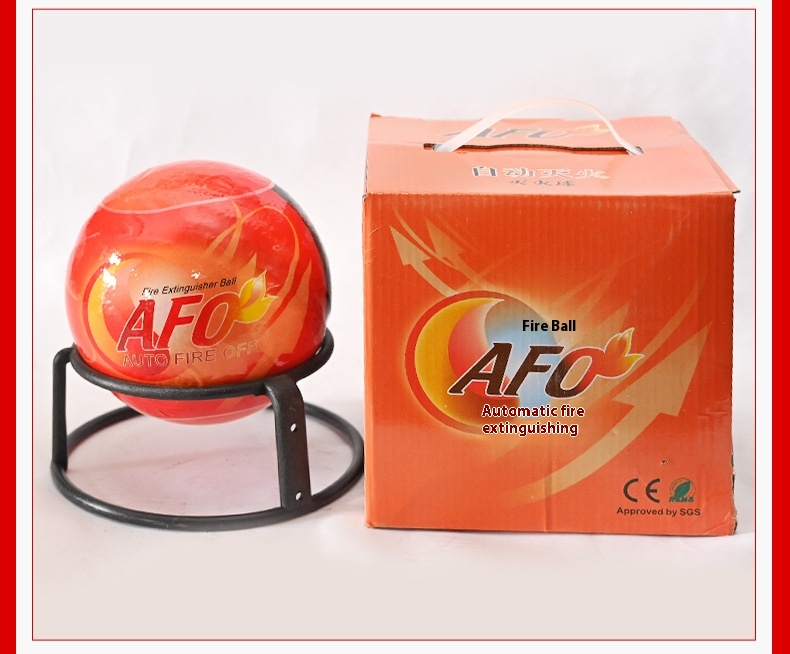
The Fire Extinguishing Ball has emerged as a serious challenger to traditional fire suppression tools, sparking debate among safety professionals, facility managers, and everyday users. As fire safety technology evolves, understanding how these two options compare is essential for making informed decisions about protecting people and property. The Fire Extinguishing Ball and conventional extinguishers each carry distinct advantages, and choosing between them requires a clear look at how each performs under real conditions.
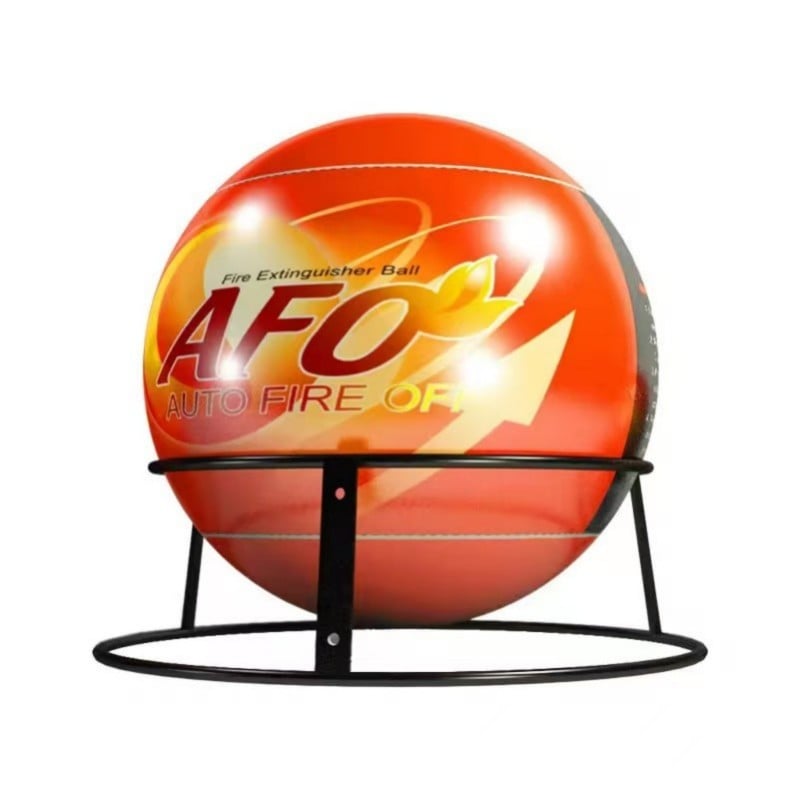
A Fire Extinguishing Ball is a compact, spherical device that activates automatically when exposed to flames, releasing a dry chemical agent to suppress a fire within seconds. Traditional extinguishers, by contrast, rely on a trained user to pull a pin, aim a nozzle, and operate the device manually. This fundamental difference in activation method shapes nearly every aspect of the comparison between the Fire Extinguishing Ball and its conventional counterparts. Understanding this distinction sets the stage for evaluating both options fairly.
Activation Speed and Ease of Use
How the Fire Extinguishing Ball Activates
The Fire Extinguishing Ball is engineered for passive, automatic deployment. When placed near a potential fire source, the Fire Extinguishing Ball self-activates upon direct contact with flames, typically within three to five seconds. This means no human intervention is needed at the moment of ignition. For unoccupied spaces such as storage rooms, server areas, or parked vehicles, the Fire Extinguishing Ball offers a critical advantage because it responds even when no one is present to operate a device.
The Fire Extinguishing Ball can also be thrown manually into a fire by anyone nearby, requiring zero training. Its simplicity makes the Fire Extinguishing Ball accessible to children, elderly individuals, and untrained bystanders who might freeze under pressure when faced with a conventional extinguisher. This ease of use is a defining feature that separates the Fire Extinguishing Ball from traditional alternatives.
Traditional Extinguisher Operation
Traditional extinguishers require the user to remember the PASS technique: Pull, Aim, Squeeze, Sweep. While effective when applied correctly, this process depends on presence, composure, and at least basic familiarity with the device. In a real emergency, panic and confusion often reduce the effectiveness of a conventional extinguisher. Without regular drills, many users struggle to operate traditional extinguishers efficiently, which can allow a small fire to grow into a dangerous blaze during those critical first moments.
Coverage Area and Suppression Effectiveness
What the Fire Extinguishing Ball Covers
A standard Fire Extinguishing Ball typically covers an area of approximately three to four square meters upon detonation. The Fire Extinguishing Ball disperses dry chemical powder or a similar suppressant uniformly in a spherical pattern, smothering Class A, B, and C fires effectively. This broad dispersal pattern makes the Fire Extinguishing Ball particularly well suited for contained spaces such as kitchens, vehicle interiors, electrical panels, and small offices where fires tend to start and escalate quickly.
Because the Fire Extinguishing Ball discharges its entire contents in a single burst, it performs best on fires detected early, at the ignition stage. The Fire Extinguishing Ball is not designed to tackle large, spreading fires across open environments. Users who understand this limitation deploy the Fire Extinguishing Ball strategically, positioning it where fire risk is highest for maximum preventive effect.
Traditional Extinguisher Range and Flexibility
Traditional extinguishers offer greater operator-directed range, typically three to five meters, and allow the user to concentrate suppression on the base of a fire. Different extinguisher types cover different fire classes, so a well-equipped facility stocks multiple variants. This flexibility is a genuine advantage for larger environments where targeted, sustained suppression over a wider area is necessary. However, this flexibility comes at the cost of requiring trained personnel on site and maintaining a range of device types.
Maintenance, Lifespan, and Practical Deployment
Fire Extinguishing Ball Maintenance Requirements
One of the most practical benefits of the Fire Extinguishing Ball is its low maintenance demand. The Fire Extinguishing Ball does not require annual inspections, pressure checks, or refilling services that traditional extinguishers mandate. A typical Fire Extinguishing Ball carries a service life of three to five years under normal storage conditions, after which replacement is straightforward. This makes the Fire Extinguishing Ball particularly attractive for small businesses, residential property owners, and vehicle users who want reliable fire protection without ongoing servicing costs.
The Fire Extinguishing Ball is also compact and lightweight, making it easy to mount on walls, place inside car compartments, or store in tight spaces. Its portability means the Fire Extinguishing Ball can be repositioned quickly as risk areas change. For seasonal or temporary installations, the Fire Extinguishing Ball provides a no-fuss solution that traditional extinguishers with their bulkier hardware cannot always match in convenience.
Traditional Extinguisher Maintenance and Compliance
Traditional extinguishers are subject to regulatory inspection schedules in most jurisdictions. Annual maintenance checks, hydrostatic testing every five to twelve years depending on type, and mandatory refilling after each use represent ongoing operational costs. For large facilities, these requirements are manageable within a structured safety program. For smaller operators or individual users, however, compliance can become a burden that leads to neglected devices that fail when needed most.
FAQ
Is the Fire Extinguishing Ball suitable for home and car use?
Yes, the Fire Extinguishing Ball is well suited for both residential and vehicle environments. Its compact size allows placement in car trunks, kitchen cabinets, or near electrical panels. The Fire Extinguishing Ball activates automatically in the presence of flames, offering protection even when occupants are asleep or away. Its ease of manual use also means any household member can deploy the Fire Extinguishing Ball without prior training.
Can the Fire Extinguishing Ball replace all traditional extinguishers?
The Fire Extinguishing Ball is best understood as a complementary tool rather than a complete replacement in all scenarios. For large commercial facilities, industrial plants, or environments with complex fire risks, traditional extinguishers and suppression systems remain essential. The Fire Extinguishing Ball excels in smaller, enclosed spaces and unattended areas where automatic early-stage suppression is the priority. A layered fire safety strategy that includes the Fire Extinguishing Ball alongside conventional tools provides the strongest protection.
How long does a Fire Extinguishing Ball last before needing replacement?
Most Fire Extinguishing Ball products carry a rated service life of three to five years when stored under normal temperature and humidity conditions. Unlike traditional extinguishers that require periodic professional inspection, the Fire Extinguishing Ball typically needs only a visual check for physical damage and verification of its placement date. When the stated service period ends, replacing the Fire Extinguishing Ball is straightforward and cost-effective, making it a practical long-term fire safety investment.

