
 EN
EN
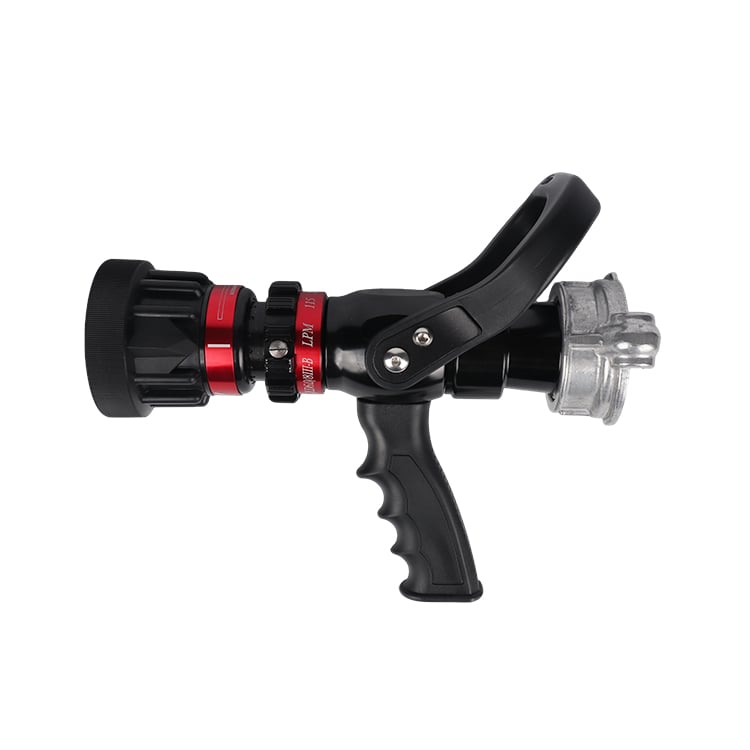
Proper maintenance and care for firefighting accessories are critical components of emergency preparedness and operational safety. Firefighting accessories represent significant investments in personal and structural protection, yet many organizations underestimate the importance of routine maintenance protocols. Neglecting proper care can compromise performance during critical moments when lives depend on reliable equipment function and immediate response capability.
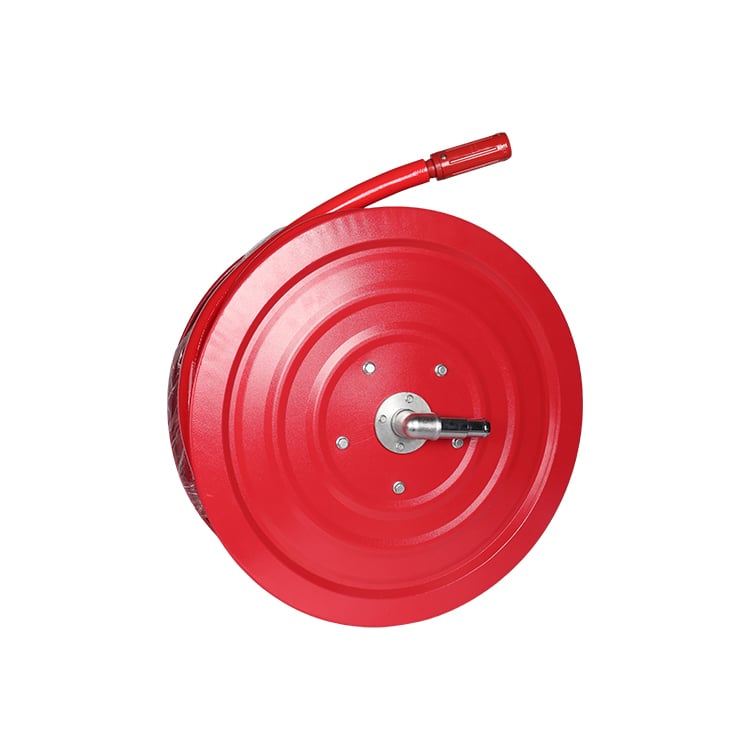
Firefighting accessories include breathing apparatus regulators, nozzles, hoses, valves, personal protective equipment, and specialized tools that work together as an integrated system. Each component requires specific care standards and inspection schedules to maintain operational readiness. Understanding maintenance requirements for firefighting accessories ensures that equipment performs reliably under extreme conditions and extends the functional lifespan of expensive gear.
Daily and Weekly Inspection Protocols
Visual Assessment and Functionality Checks
Daily inspections of firefighting accessories should begin with a comprehensive visual review of all equipment. Look for visible damage, corrosion, leaks, or wear patterns on nozzles, hoses, and valve connections. Test the operational responsiveness of moving components on firefighting accessories like trigger mechanisms and pressure gauges to confirm they respond smoothly without resistance or sticking.
Weekly functionality testing expands these checks to include full operational cycles. Deploy firefighting accessories in controlled environments to verify pressure delivery, water flow rates, and seal integrity. Document any irregularities in equipment behavior, as subtle changes in performance on firefighting accessories often signal developing problems that require professional servicing before failure occurs during emergency deployment.
Cleaning and Surface Protection
Regular cleaning prevents salt accumulation, mineral deposits, and contaminant buildup on firefighting accessories. Use fresh water rinses after each deployment, especially for equipment exposed to seawater, brackish water, or chemical environments. Dry all firefighting accessories thoroughly before storage to prevent corrosion and internal moisture damage that compromises safety and performance reliability.
Apply protective coatings appropriate to the material composition of your firefighting accessories. Brass and stainless steel components benefit from light oil application, while rubber seals and gaskets require silicone-based lubricants that maintain flexibility without degradation. These protective measures extend the lifespan of firefighting accessories and reduce maintenance costs over the equipment lifecycle.
Professional Servicing and Advanced Maintenance
Scheduled Maintenance Intervals
Establish maintenance schedules for firefighting accessories based on manufacturer specifications and deployment frequency. Most professional-grade firefighting accessories require comprehensive servicing every six to twelve months, with more frequent intervals if equipment experiences heavy use or harsh environmental exposure. Professional technicians possess specialized tools and calibration equipment necessary for thorough inspection of firefighting accessories beyond basic field maintenance.
During professional servicing, technicians disassemble firefighting accessories to inspect internal components, replace worn seals and gaskets, and verify pressure ratings and safety mechanisms. This level of maintenance prevents catastrophic failure during emergency operations and ensures that firefighting accessories maintain manufacturer performance specifications. Keep detailed maintenance records for all firefighting accessories to track service history and anticipate replacement needs.
Component Replacement and Upgrades
Gaskets, seals, and O-rings represent the most frequently replaced components in firefighting accessories. These rubber components deteriorate over time due to temperature fluctuations, chemical exposure, and repeated compression cycles. Replacing worn seals on firefighting accessories restores pressure integrity and prevents fluid leaks that compromise operational effectiveness during critical deployments.
Evaluate upgrade opportunities when servicing firefighting accessories. Newer materials and design improvements often provide enhanced durability, faster operation, or improved safety features compared to original equipment. Upgrading critical firefighting accessories strengthens overall system reliability while maintaining compatibility with existing equipment and infrastructure.
Storage and Environmental Protection
Proper Storage Conditions
Store firefighting accessories in climate-controlled environments protected from extreme temperature fluctuations, direct sunlight, and moisture exposure. Excessive heat degrades rubber components and can cause pressure buildup in sealed firefighting accessories, while freezing conditions make seals brittle and prone to cracking. Maintain storage areas between fifty and eighty degrees Fahrenheit with relative humidity below sixty percent for optimal preservation of firefighting accessories.
Organize firefighting accessories in designated secure locations where equipment remains easily accessible during emergencies but protected from casual handling or unauthorized use. Use wall-mounted racks or organized storage systems that display firefighting accessories clearly, enabling rapid verification of equipment availability and condition before deployment.
Contamination Prevention
Prevent contamination of firefighting accessories by storing equipment away from chemicals, oils, and corrosive materials. Dust covers and sealed containers protect firefighting accessories from environmental contaminants that can interfere with mechanical function or degrade materials. Separate pressurized and non-pressurized firefighting accessories to prevent cross-contamination and ensure each equipment category receives appropriate storage treatment.
Establish clear protocols for identifying and isolating compromised firefighting accessories that require professional assessment before returning to active service. Tag any firefighting accessories showing signs of damage, malfunction, or uncertain condition to prevent accidental deployment of unreliable equipment during emergencies.
FAQ
How often should firefighting accessories be professionally inspected?
Professional inspection of firefighting accessories should occur at minimum annually, though organizations with heavy equipment use or harsh deployment environments should schedule service every six months. After any significant deployment, exposure to extreme conditions, or suspected damage, firefighting accessories require immediate professional assessment regardless of the regular maintenance schedule. Always consult manufacturer recommendations for specific firefighting accessories, as different equipment types and materials may have different servicing requirements.
What signs indicate that firefighting accessories need replacement?
Visible cracks, deep corrosion, persistent leaks, or non-responsive operational controls indicate that firefighting accessories require professional evaluation or replacement. If firefighting accessories fail pressure tests, show inconsistent performance, or have exceeded manufacturer service life recommendations, replacement becomes necessary for safety compliance. Any firefighting accessories that have been exposed to extreme heat, chemical contamination, or physical damage should be removed from service immediately pending professional inspection.
Can routine maintenance extend the life of firefighting accessories?
Yes, consistent maintenance significantly extends the functional lifespan of firefighting accessories by preventing environmental damage, catching early wear patterns, and addressing minor issues before they develop into equipment failure. Organizations that follow rigorous maintenance protocols for firefighting accessories experience dramatically lower replacement costs and improved emergency response reliability over time. The investment in preventive maintenance for firefighting accessories always proves more cost-effective than managing emergencies with compromised or failed equipment.

