
 EN
EN
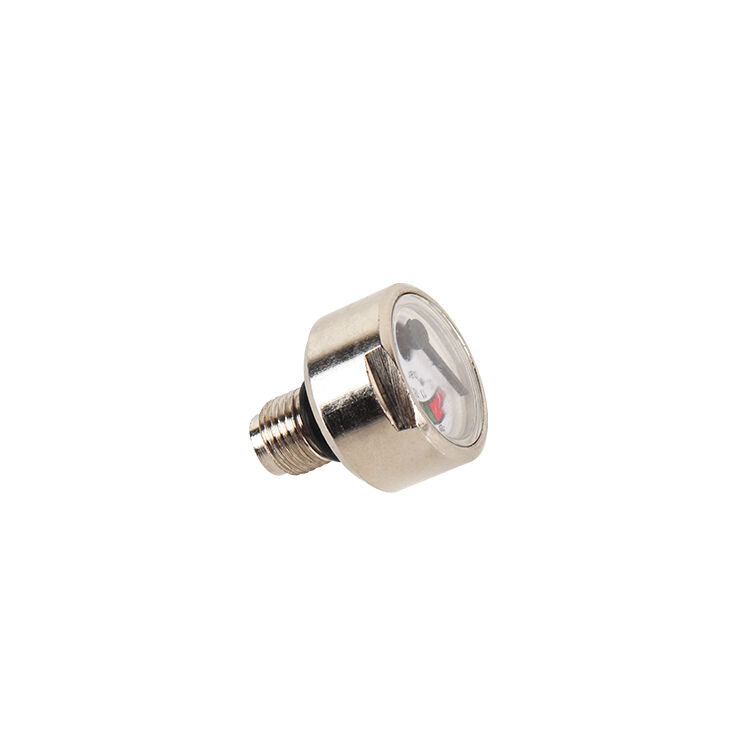
Fire safety equipment requires careful handling and proper understanding of each component, particularly the critical valve mechanisms that control the flow of extinguishing agents. When working with fire suppression systems, understanding how to safely operate and maintain the valve components ensures both equipment longevity and user safety. Proper valve operation techniques, regular inspection protocols, and emergency response procedures form the foundation of effective fire safety management in industrial and commercial environments.
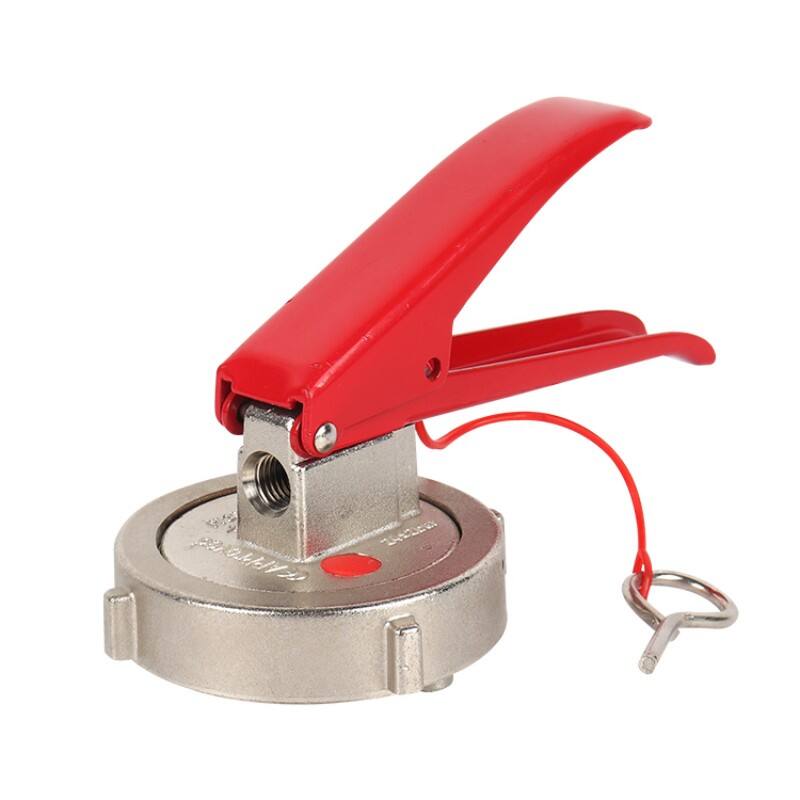
Understanding Fire Extinguisher Valve Components
Primary Valve Assembly Structure
The primary valve assembly serves as the heart of any fire extinguisher system, controlling the precise release of extinguishing agents when needed most. This critical component typically consists of a brass or stainless steel body designed to withstand high pressures and corrosive environments. The valve mechanism includes a spring-loaded pin system that maintains a secure seal until activation occurs through either manual operation or automated trigger systems.
Modern fire extinguisher valve designs incorporate multiple safety features including pressure relief mechanisms and tamper-evident seals. These components work together to ensure that the valve remains in proper working condition while preventing accidental discharge. The internal components must be manufactured to precise tolerances to maintain reliable operation across varying temperature and pressure conditions commonly encountered in industrial applications.
Operating Mechanism and Safety Features
The operating mechanism of a fire extinguisher valve relies on a carefully calibrated spring tension system that balances ease of operation with security against accidental activation. When the operating handle or trigger is engaged, the valve pin retracts, allowing pressurized extinguishing agent to flow through the discharge nozzle. This process must occur smoothly and consistently to ensure effective fire suppression capabilities.
Safety features built into modern valve designs include pressure gauges that provide visual indication of system readiness and safety pins that prevent accidental discharge during transportation or storage. These features are essential for maintaining system integrity and ensuring that the valve will function properly when emergency situations arise. Regular inspection of these safety components helps identify potential issues before they compromise system performance.
Proper Handling Procedures and Techniques
Safe Installation and Removal Methods
Installing or removing a fire extinguisher valve requires adherence to specific safety protocols to prevent injury and equipment damage. Before beginning any work, ensure the system is completely depressurized and that all personnel are wearing appropriate personal protective equipment including safety glasses and gloves. The valve threads should be inspected for damage or debris that could compromise the seal integrity.
During installation, apply thread sealant according to manufacturer specifications and tighten the valve to the recommended torque specifications using appropriate tools. Over-tightening can damage the valve body or threads, while insufficient tightening may result in dangerous leaks. Always verify proper alignment and orientation before final tightening to ensure optimal performance and accessibility for future maintenance activities.
Routine Operation and Testing Protocols
Regular testing of fire extinguisher valve operation ensures reliable performance during emergency situations while identifying potential maintenance needs before system failure occurs. Testing protocols should include visual inspection of the valve body for signs of corrosion, damage, or wear that could affect operation. The operating mechanism should be checked for smooth movement without binding or excessive force requirements.
Functional testing involves carefully exercising the Valve through its full range of motion while monitoring system pressure and discharge patterns. This testing should be performed according to manufacturer recommendations and local fire safety regulations. Documentation of all testing activities provides valuable maintenance history and helps establish predictive maintenance schedules.
Maintenance and Inspection Guidelines
Preventive Maintenance Schedule
Establishing a comprehensive preventive maintenance schedule for fire extinguisher valve components significantly extends equipment life while ensuring reliable emergency response capabilities. Monthly visual inspections should focus on external valve condition, pressure gauge readings, and safety seal integrity. These quick assessments help identify obvious problems while documenting system status for regulatory compliance purposes.
Annual maintenance activities include detailed disassembly and inspection of internal valve components, replacement of seals and gaskets, and calibration of pressure relief mechanisms. This deeper maintenance requires specialized tools and trained technicians familiar with fire safety equipment requirements. Proper documentation of maintenance activities ensures compliance with insurance requirements and regulatory standards while supporting warranty claims when necessary.
Component Replacement and Repair Considerations
When valve components show signs of wear or damage, timely replacement prevents system failure during critical emergency situations. Replacement parts must meet original equipment manufacturer specifications to ensure proper fit and performance characteristics. Using non-approved components can void warranties and create liability issues while potentially compromising fire safety system effectiveness.
Repair activities should only be undertaken by qualified technicians using appropriate tools and following established procedures. Some valve repairs require specialized equipment for pressure testing and calibration to ensure proper operation after reassembly. Complex repairs may be more cost-effective to replace the entire valve assembly rather than attempting extensive component-level repairs that could introduce reliability concerns.
Emergency Response and Troubleshooting
Rapid Deployment Techniques
During fire emergency situations, rapid and reliable valve operation becomes critical for effective fire suppression and personnel safety. Emergency response procedures should be practiced regularly to ensure familiarity with valve operation under stress conditions. Clear labeling and standardized valve orientations help reduce confusion during emergency situations when quick action is essential.
Training programs should emphasize proper grip techniques and body positioning to maximize force application while maintaining control during valve operation. Emergency scenarios often involve reduced visibility and elevated stress levels that can impair motor function and decision-making capabilities. Regular training helps build muscle memory and confidence in equipment operation when it matters most.
Common Issues and Solutions
Common valve-related problems include difficulty in operation due to corrosion or debris accumulation, pressure loss resulting from seal degradation, and complete valve failure during emergency activation attempts. Understanding these potential failure modes helps maintenance personnel focus inspection efforts on critical areas while developing appropriate preventive measures to minimize occurrence probability.
Troubleshooting procedures should follow a systematic approach starting with visual inspection and progressing through functional testing as safety conditions permit. Many valve problems can be resolved through cleaning and lubrication of moving parts, while others require component replacement or professional repair services. Maintaining an inventory of critical spare parts enables rapid response to equipment failures while minimizing system downtime.
Regulatory Compliance and Standards
Industry Standards and Certifications
Fire extinguisher valve systems must comply with various industry standards and regulatory requirements that govern design, installation, testing, and maintenance activities. These standards ensure minimum performance levels while establishing consistent safety protocols across different applications and industries. Compliance documentation becomes essential for insurance coverage and regulatory approval processes.
Certification requirements vary by application and jurisdiction but typically include third-party testing verification and ongoing inspection protocols. Understanding applicable standards helps facility managers develop appropriate maintenance programs while ensuring that valve systems continue to meet regulatory requirements throughout their service life. Regular updates to standards require ongoing monitoring and potential system modifications.
Documentation and Record Keeping
Comprehensive documentation of valve installation, testing, maintenance, and repair activities provides essential evidence of regulatory compliance while supporting insurance claims and warranty issues. Record keeping systems should capture all relevant details including dates, personnel involved, test results, and component replacement information. Digital documentation systems offer advantages in terms of accessibility and backup capabilities.
Audit trails become particularly important during regulatory inspections or incident investigations where valve performance may be questioned. Detailed maintenance records help demonstrate due diligence in equipment care while providing valuable data for optimizing maintenance schedules and identifying recurring problems. Proper documentation also supports budgeting decisions and equipment replacement planning activities.
FAQ
How often should fire extinguisher valve components be inspected
Fire extinguisher valve components should undergo monthly visual inspections to check for obvious damage, corrosion, or pressure loss indicators. Annual detailed inspections by qualified technicians are required for thorough evaluation of internal components, seal integrity, and operational performance. More frequent inspections may be necessary in harsh environments or high-use applications where valve components experience accelerated wear patterns.
What are the signs that indicate a fire extinguisher valve needs replacement
Key indicators that suggest valve replacement include visible corrosion or damage to the valve body, difficulty in operating the discharge mechanism, pressure loss when the system is not in use, and failed pressure testing results. Additionally, valves that have been activated during actual fire events should be professionally inspected and potentially replaced to ensure continued reliability for future emergency situations.
Can fire extinguisher valve repairs be performed by facility maintenance staff
Basic maintenance tasks such as visual inspection, cleaning, and minor adjustments can typically be performed by trained facility maintenance staff using appropriate procedures and documentation. However, internal valve repairs, pressure testing, and component replacement should only be conducted by certified fire safety technicians who possess specialized tools and training required for proper valve servicing and safety compliance.
What safety precautions are necessary when handling pressurized valve systems
Essential safety precautions include complete system depressurization before beginning any maintenance work, use of appropriate personal protective equipment including safety glasses and gloves, proper tool selection to prevent damage or injury, and adherence to manufacturer lockout procedures. Never attempt to disassemble a pressurized valve system as sudden pressure release can cause serious injury or equipment damage requiring expensive repairs and potential liability issues.

