
 EN
EN
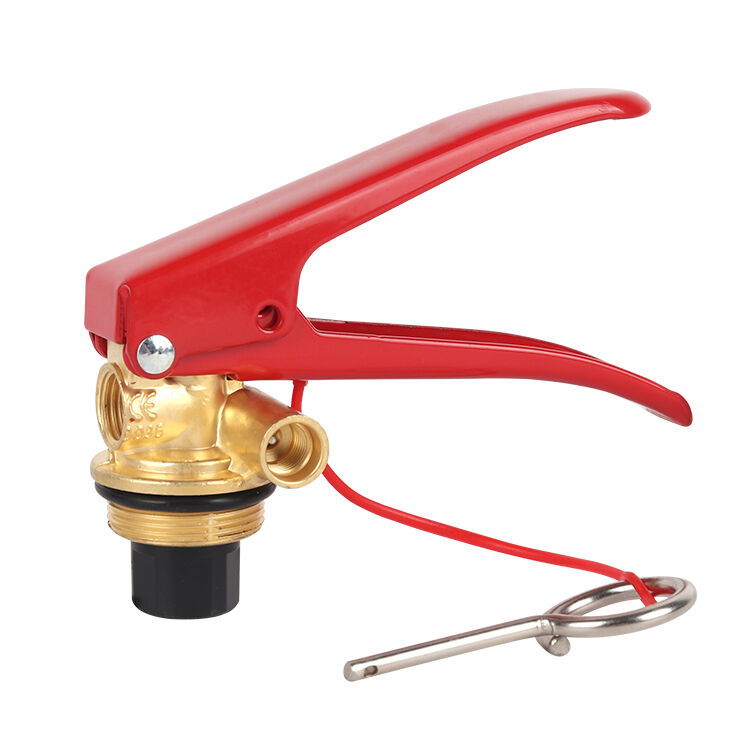
Fire extinguisher valves serve as the critical control mechanism that determines the effectiveness and reliability of fire suppression systems across industrial, commercial, and residential environments. The valve component represents the primary interface between stored extinguishing agent and emergency deployment, making its design, construction, and operational characteristics essential factors in overall fire safety performance. Understanding the technical specifications, operational requirements, and safety standards governing fire extinguisher valves enables facility managers, safety professionals, and maintenance technicians to make informed decisions about equipment selection and maintenance protocols.
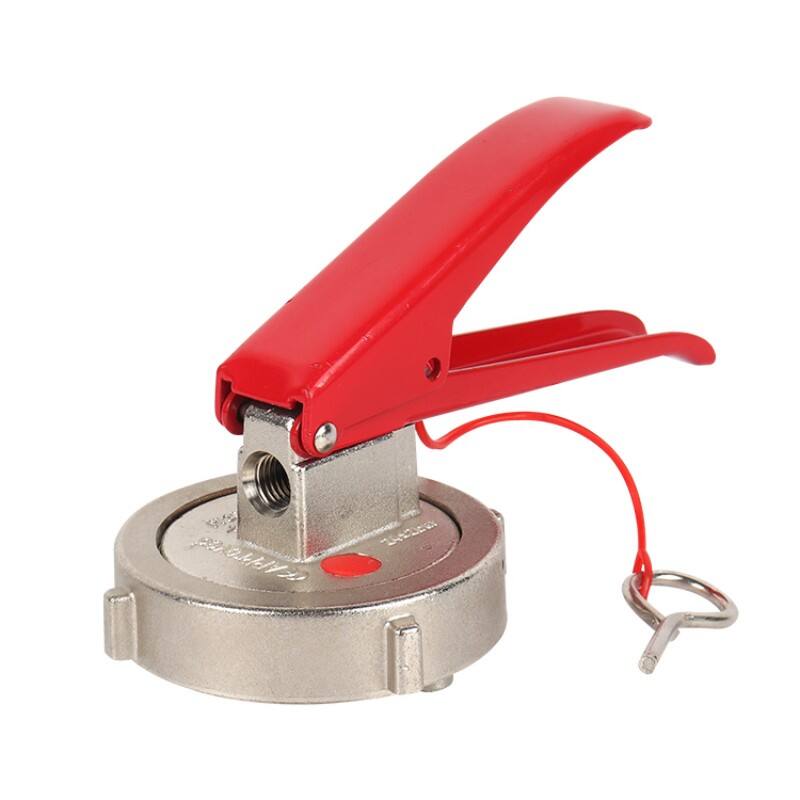
Technical Design Principles of Fire Extinguisher Valves
Mechanical Engineering Considerations
The mechanical design of a fire extinguisher valve incorporates precision engineering principles to ensure reliable operation under emergency conditions. Internal pressure ratings, material selection, and sealing mechanisms must withstand the stored pressure of extinguishing agents while maintaining leak-proof performance over extended periods. Valve body construction typically utilizes brass, stainless steel, or specialized alloys that resist corrosion and maintain structural integrity under temperature variations and pressure cycling.
Spring-loaded mechanisms within the valve assembly provide consistent activation force requirements while accommodating manufacturing tolerances and operational wear. The valve stem design incorporates multiple sealing surfaces to prevent agent leakage during storage while enabling rapid discharge when activated. Thread specifications, handle ergonomics, and safety pin configurations follow international standards to ensure compatibility with standard firefighting protocols and equipment.
Pressure Management Systems
Effective pressure management within fire extinguisher valve designs requires precise calibration of internal components to match the specific characteristics of different extinguishing agents. Dry chemical systems demand different valve configurations compared to carbon dioxide or foam-based extinguishers due to varying pressure requirements and flow characteristics. The valve must maintain consistent discharge rates throughout the extinguisher's operational cycle while preventing pressure spikes that could damage internal components.
Safety relief mechanisms integrated into valve designs protect against overpressurization scenarios that could occur due to temperature increases or manufacturing defects. These relief systems activate at predetermined pressure thresholds to prevent catastrophic failure while maintaining the extinguisher's operational capability. Advanced valve designs incorporate multiple pressure monitoring points to provide accurate status indication and prevent premature discharge.
Material Selection and Durability Factors
Corrosion Resistance Requirements
Material selection for fire extinguisher valve construction must address the corrosive properties of various extinguishing agents while maintaining compatibility with environmental conditions. Brass alloys provide excellent corrosion resistance for dry chemical applications, while stainless steel variants offer superior performance in marine or industrial environments with high moisture content. The valve's internal surfaces require specialized coatings or treatments to prevent chemical interactions with stored agents that could compromise sealing performance.
Environmental factors including temperature extremes, humidity levels, and atmospheric contaminants influence material degradation rates and operational reliability. Valve components exposed to external conditions must resist UV radiation, salt spray, and chemical vapors that could affect surface integrity or mechanical operation. Advanced material formulations incorporate anti-corrosion additives and surface treatments to extend service life beyond standard industry requirements.
Mechanical Wear and Stress Analysis
Operational stress analysis of valve components identifies critical wear points and failure modes that could compromise emergency response capability. Repeated activation cycles, pressure fluctuations, and environmental exposure create cumulative stress patterns that affect valve performance over time. Engineering analysis of stress concentration points enables design optimization to minimize fatigue failure and extend operational life spans.
Wear-resistant materials and surface treatments applied to high-stress valve components reduce maintenance requirements and improve long-term reliability. Precision manufacturing tolerances ensure consistent performance across production batches while accommodating normal operational variations. Quality control testing verifies that individual valve units meet specified performance criteria before installation in fire suppression systems.
Operational Performance Standards and Testing
Activation Force and Response Time
Standardized testing protocols measure valve activation force requirements to ensure compatibility with emergency response procedures and operator capabilities. The force required to activate a fire extinguisher valve must remain within specified ranges to accommodate users of varying physical strength while preventing accidental discharge. Response time measurements verify that valve opening occurs within acceptable timeframes to enable effective fire suppression.
Temperature effects on valve operation require testing across operational temperature ranges to verify consistent performance in diverse environmental conditions. Cold temperature testing ensures that valve mechanisms remain functional in winter conditions or refrigerated environments, while high-temperature testing verifies operation during fire emergency scenarios. Thermal cycling tests simulate seasonal temperature variations to identify potential failure modes.
Flow Rate and Discharge Characteristics
Flow rate testing measures the volume and velocity of extinguishing agent discharge through the valve under various pressure conditions. Consistent flow characteristics ensure predictable extinguisher performance and enable accurate calculation of suppression effectiveness for specific fire scenarios. The valve design must maintain optimal flow rates while preventing agent waste or insufficient discharge pressure.
Discharge pattern analysis evaluates the distribution and penetration characteristics of extinguishing agents as they exit the valve and nozzle assembly. Effective fire suppression requires appropriate agent dispersion patterns that match the intended application method and fire class. Advanced valve designs incorporate flow conditioning elements to optimize agent distribution and maximize suppression effectiveness.
Maintenance Protocols and Service Life Management
Inspection and Testing Schedules
Comprehensive maintenance protocols for fire extinguisher valves establish regular inspection schedules to identify potential issues before they compromise emergency response capability. Visual inspections verify valve handle position, safety pin integrity, and external condition while pressure gauge readings confirm internal system status. Documentation requirements track inspection results and maintenance actions to support regulatory compliance and warranty claims.
Functional testing procedures evaluate valve operation without full discharge to verify activation mechanisms and sealing performance. Specialized testing equipment measures activation force, response time, and preliminary flow characteristics during scheduled maintenance intervals. These tests identify gradual performance degradation that could affect emergency operation while enabling proactive replacement or repair.
Component Replacement and Upgrade Considerations
Service life management involves tracking valve performance metrics over time to determine optimal replacement intervals and identify opportunities for system upgrades. Component wear patterns provide data for predictive maintenance scheduling and help establish inventory requirements for critical spare parts. Valve manufacturers provide technical support and replacement part availability to ensure continued system operation.
Technology advances in valve design and materials may justify system upgrades to improve performance, reduce maintenance requirements, or enhance safety features. Compatibility assessment ensures that new valve designs integrate properly with existing extinguisher systems and meet current safety standards. Cost-benefit analysis compares upgrade investments with ongoing maintenance expenses and potential liability reduction.
Regulatory Compliance and Safety Standards
International Safety Certifications
Fire extinguisher valve compliance with international safety standards ensures compatibility with global fire safety regulations and insurance requirements. Certification bodies evaluate valve designs against established performance criteria and conduct ongoing surveillance testing to verify continued compliance. These certifications provide assurance that valve products meet minimum safety requirements for their intended applications.
Documentation requirements for certified valves include technical specifications, installation guidelines, and maintenance procedures that support regulatory compliance efforts. Proper documentation enables facility managers to demonstrate compliance during safety inspections and insurance audits. Certification marks and compliance statements provide clear identification of approved valve products for procurement and installation purposes.
Local Code Requirements and Installation Standards
Local building codes and fire safety regulations may impose additional requirements for valve installation, testing, and maintenance that supplement international standards. Understanding these requirements ensures proper system design and avoids compliance issues during occupancy inspections. Professional installation and commissioning services verify that valve systems meet all applicable codes and function as designed.
Training requirements for personnel responsible for valve maintenance and testing vary by jurisdiction and application type. Certification programs provide standardized training curricula that ensure technicians possess necessary knowledge and skills for safe valve servicing. Ongoing education keeps maintenance personnel current with evolving technologies and regulatory changes.
FAQ
How often should fire extinguisher valves be inspected
Fire extinguisher valve inspection frequency depends on the specific application and local regulations, but monthly visual inspections are typically required for most installations. Annual professional inspections verify valve operation and internal condition, while complete servicing every five to six years ensures optimal performance. High-use environments or critical applications may require more frequent inspection intervals.
What are the signs of valve failure or malfunction
Common indicators of valve problems include visible corrosion or damage to external components, pressure gauge readings outside normal ranges, and difficulty operating the activation handle. Internal seepage may cause pressure loss over time, while contamination or debris can affect valve operation. Any signs of damage or unusual conditions require immediate professional evaluation.
Can fire extinguisher valves be repaired or must they be replaced
Minor valve issues such as worn seals or corroded external components can often be repaired by qualified technicians using manufacturer-approved parts and procedures. However, significant internal damage, structural defects, or obsolete valve designs typically require complete replacement. Professional assessment determines the most appropriate course of action based on valve condition and safety requirements.
What factors affect valve performance in different environmental conditions
Environmental factors affecting valve performance include temperature extremes, humidity levels, atmospheric contaminants, and vibration exposure. Cold temperatures can affect sealing materials and increase activation forces, while high temperatures may cause pressure increases and material degradation. Proper valve selection and environmental protection measures help maintain reliable operation across diverse conditions.

